
Arbitrum just froze $71 million and it exposes a massive L2 lie
The crypto world is currently obsessed with Bitcoin's price and ETF flows, but while everyone is looking at the charts, a quiet disaster happened on Arbitrum. The network froze $71 million in user funds, and it brings up a question that most people ignore until it's too late: can l2 networks freeze funds? The answer is a resounding yes, and it should make anyone who thinks they're "decentralized" on a Layer 2 very uncomfortable.
What actually happened
Arbitrum, one of the biggest Layer 2 scaling solutions for Ethereum, recently froze about $71 million. The official reason usually revolves around security or stopping a thief, but the mechanism is what matters here. In a truly decentralized system, the only person who can move your money is the person with the private keys. In this case, the network's administrative controls were used to lock assets.
This isn't a bug. It's a feature of how many L2s are currently built. To make these networks fast and cheap, they sacrifice the "trustless" nature of the main Ethereum chain. They use sequencers and admin multisigs that have the power to intervene. When you move your ETH or ARB to an L2, you aren't just interacting with a smart contract; you're trusting a set of operators.
Why this is a structural risk
I've been tracking the crypto market since 2019, and I've seen this pattern before. We saw it with Tether when they froze hundreds of millions in USDT. The problem is that we've been told L2s are just "extensions" of Ethereum's security. That's a half-truth. While the data eventually settles on Ethereum, the day-to-day operation of an L2 is often highly centralized.
If a network can freeze $71 million today to stop a hack, they can freeze your funds tomorrow because of a regulatory request or a "security update." This is the "L2 lie" I'm talking about. We trade the security of the main chain for the convenience of $0.10 gas fees, but we forget that we're essentially moving our money into a high-tech version of a bank account.
Can l2 networks freeze funds and why does it matter?
When people ask can l2 networks freeze funds, they're usually thinking about their own wallets. You might think, "I'm not a hacker, so I'm safe." But centralization doesn't care if you're a bad actor or a retail investor. If the admin keys are compromised or if the team decides to comply with a government order, your "non-custodial" assets on that L2 are effectively custodial.
This is why I'm always skeptical of the "scaling" narrative when it ignores the "centralization" cost. We're building a massive financial system on top of foundations that still have "kill switches." It's a contradiction that the industry refuses to address because the growth numbers look too good to question.
My take on the risk
I'm not saying you should delete your Arbitrum account and move everything back to the mainnet. Ethereum mainnet is too expensive for most people to use daily. But we need to stop pretending that L2s are the same as holding Bitcoin in a cold wallet.
In my experience, the only way to actually mitigate this risk is to keep your long-term holdings off these networks. If you're trading, use an L2. If you're HODLing for the next five years, get your assets into a hardware wallet. I personally use the Ledger Flex because the E Ink touchscreen makes it easy to verify exactly what I'm signing without fumbling through a tiny screen, and more importantly, it keeps my keys offline.
What to watch for next
I'll be watching to see if other L2s like Optimism or Base implement similar "freeze" mechanisms. If this becomes the standard operating procedure for the industry, we've effectively rebuilt the banking system we tried to replace in 2009.
The real test will be whether Arbitrum moves toward a truly decentralized sequencer or if they keep the "admin" power for "safety." Safety is a great word, but in finance, "safety" is often just another word for "control."
Some links in this article may be affiliate links. We may earn a commission at no extra cost to you — this never influences our analysis or coverage.

Sigrid Voss
Crypto analyst and writer covering market trends, trading strategies, and blockchain technology.
More Articles
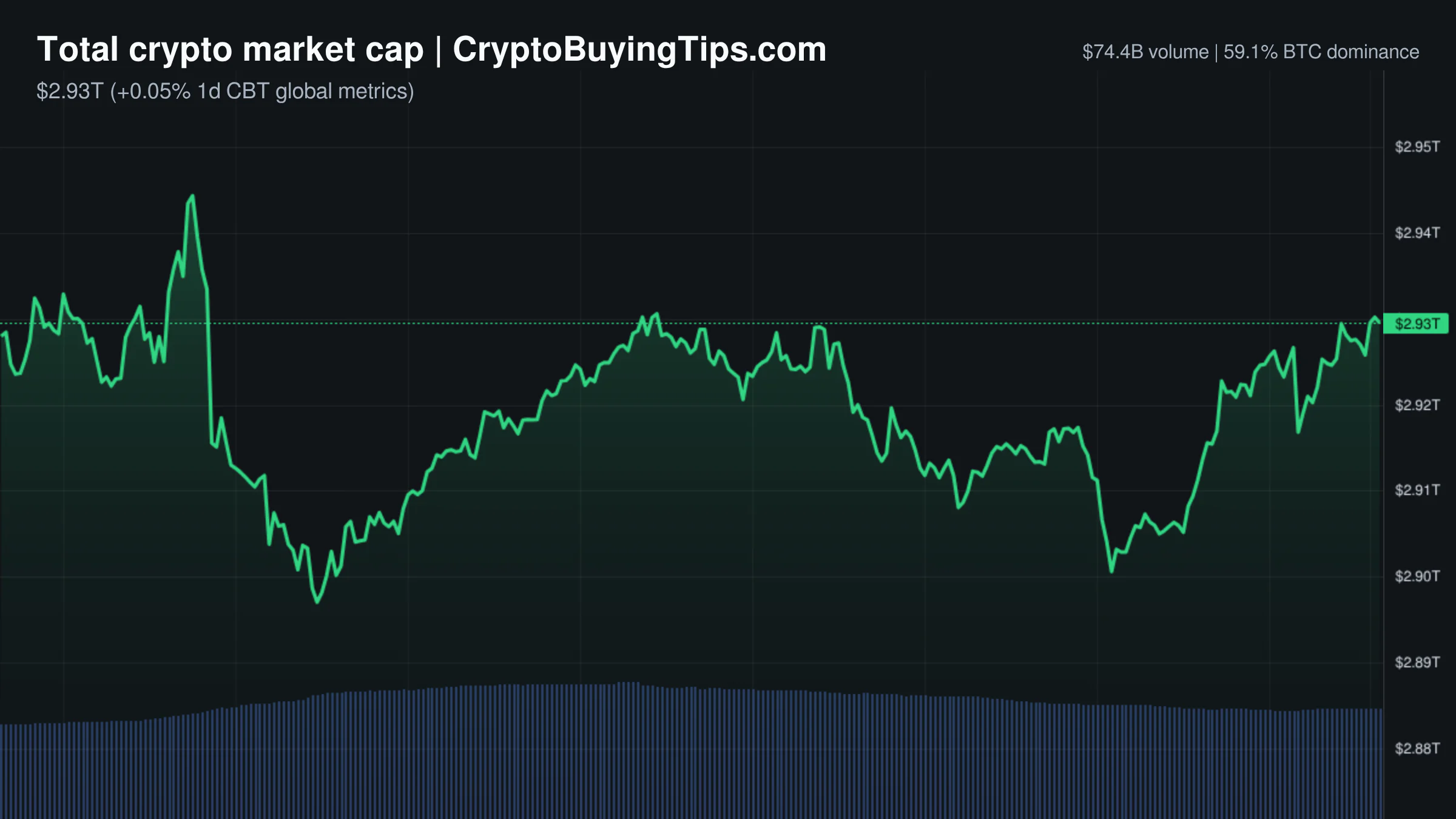
Crypto Market Overview | Leveraged derivatives volume dwarfs spot trading amid institutional infrastructure developments | October 6, 2026
Leveraged derivatives volume dwarfs spot trading at $2.93T market cap; see how institutional infrastructure developments…

Solana just tried to fire the clearinghouses
Another day, another attempt to make old banking rails look quaint. Solana’s Delivery-versus-Payment (DvP) rail is less…
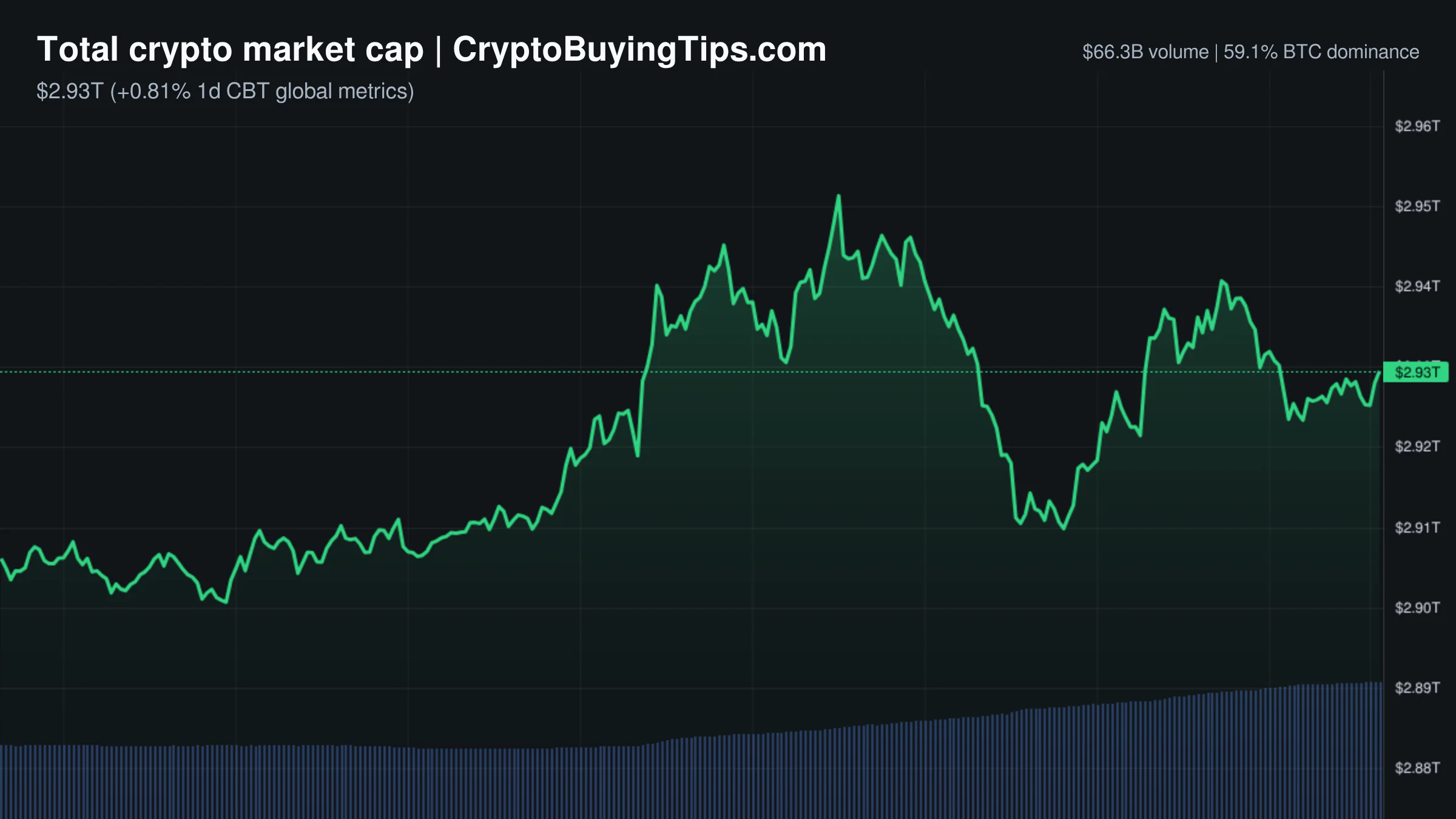
Crypto Market Overview | Speculative leverage dwarfs spot activity as bitcoin leads the market | October 5, 2026
Speculative leverage dwarfs spot activity as bitcoin leads the market overview; see how derivatives volume drives…

FET rips 13% as the market bets on the new AI czar
The AI narrative continues to drive capital flow regardless of policy nuance; FET jumped over 13 percent on news linking…