
David Hoffman just dumped his ETH. Is the Ethereum is dead narrative finally winning?
I've spent the last few years watching the "Ethereum killers" come and go, usually ending up as footnotes in a history book. But something feels different this time. David Hoffman, one of the most visible faces of the Bankless movement, just publicly rotated out of ETH and into a basket of assets like NEAR, LIT, and HYPE. For years, the narrative was that Ethereum was the ultimate bet on the future of the internet. Now, we're seeing a shift where ETH is starting to look like a mature, low-growth asset. If you're wondering about the best altcoins to buy instead of ethereum, you're not alone. This isn't just a few people panic selling, it's a structural change in how the "smart money" views the Layer 1 landscape. We previously covered related angles in Ethereum investment strategy and Altcoin Season Index.
The case for rotating out of ETH
The core of the argument is simple: the upside in ETH is now capped. When I started following this market in 2019, Ethereum was the undisputed king of utility. If you wanted to do something in DeFi, you went to ETH. But that monopoly is gone. We've seen a massive fragmentation of liquidity.
The numbers tell a grim story for the bulls. ETH dominance is sitting at 9.60%, and while the Altcoin Season Index is at 52 (essentially neutral), Ethereum isn't the one leading the charge. More concerning is the network activity. ETH gas fees are incredibly low, with fast transactions costing only 0.66 Gwei. In the past, low gas was a sign of a bear market. Now, I think it's a sign of irrelevance. Users are moving to faster, cheaper chains, and the "L2 centric" roadmap has effectively cannibalized the main chain's value.
When someone like Hoffman moves into NEAR or HYPE, he's betting on assets with higher volatility and higher potential growth. He's essentially admitting that ETH has become the "S&P 500" of crypto. It's safe, it's institutional, but it's not where the 10x gains are hiding.
The strongest counterargument
To be fair, the "Ethereum is dead" crowd often forgets that institutional money doesn't care about 0.66 Gwei gas fees. They care about security, regulatory clarity, and liquidity. BlackRock and other giants aren't moving their billions into NEAR because it's faster. They stay in ETH because it's the only ecosystem with the proven track record to handle trillion-dollar flows.
We've seen this before. I remember when everyone said Solana would kill Ethereum in 2021, only for SOL to crash 90% after FTX collapsed. Ethereum survived because its foundation is deeper. There is a strong chance that as the market recovers from the current "Fear" sentiment (Fear & Greed is currently at 24), the flight to quality will drive investors back to ETH.
Where I land
I'm torn, but I lean toward the rotation narrative. I'm impressed by the tech of the newer chains, but the tokenomics of ETH have become a bit of a slog. The transition to proof of stake changed the game, but it also removed the "burn" mechanism that made the asset feel scarce during the height of the DeFi summer.
I don't think Ethereum will go to zero. That's a fantasy. But I do think the era of ETH being the only way to play the smart-contract thesis is over. If you're looking for growth, you have to look at the fringes.
If you're actually planning to rotate your portfolio into these newer, riskier altcoins, please don't leave them on an exchange. I've seen too many people lose everything to a platform hack. I personally use a Ledger Nano Gen5 because it's the most affordable way to get a secure touchscreen interface without spending $400 on a Stax. It's a small price to pay to make sure your keys are actually yours.
Ultimately, the shift from ETH to a diversified basket of alts is a bet on innovation over stability. For some, that's a gamble. For others, it's the only way to actually make money in this market. I'm keeping a close eye on whether this rotation accelerates or if the institutional "wall of money" saves the ETH narrative. For now, the momentum is clearly moving away from the giant.
Trade the news at our editorial-picked exchange: Gate
Some links in this article may be affiliate links. We may earn a commission at no extra cost to you — this never influences our analysis or coverage.

Sigrid Voss
Crypto analyst and writer covering market trends, trading strategies, and blockchain technology.
More Articles
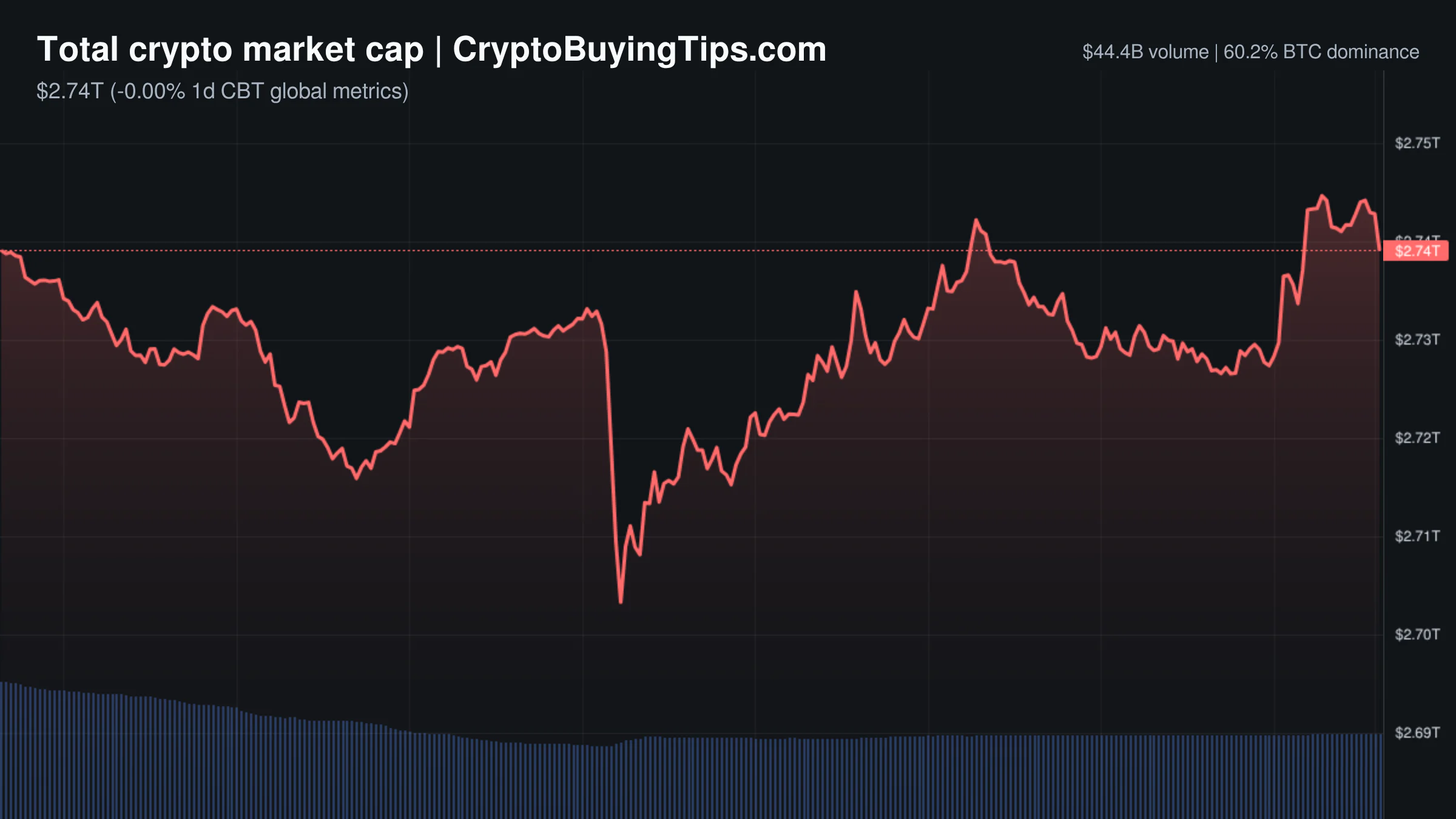
Crypto Market Overview | Bitcoin dominance climbs while altcoins struggle amid institutional friction | October 18, 2026
Bitcoin dominance climbs to 60.1% while altcoins struggle amid institutional friction; see our market overview for…

6 million Bitcoin are quantum-exposed. Here is what that actually means
Six million Bitcoin are sitting in addresses that could be vulnerable to quantum attacks. The risk isn't theoretical; it…
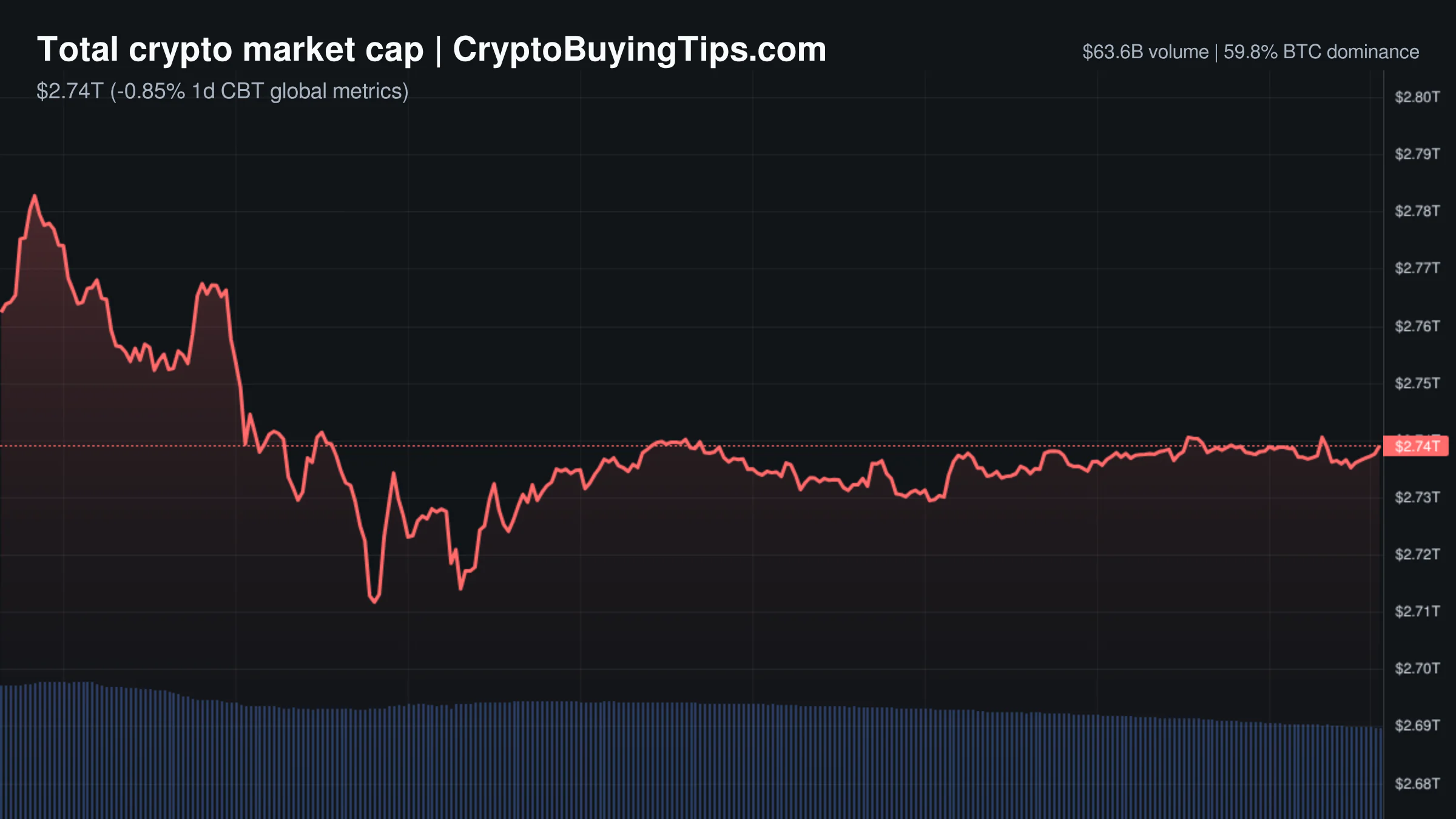
Crypto Market Overview | volume collapse amid macro pressure weighs on institutional flows | October 17, 2026
Market overview shows volume collapse amid macro pressure weighing on institutional flows; see how crypto is reacting to…

Speculators are ditching altcoins for tokenized Tesla stocks
Another day, another reason to question where all the money goes these days. Our signal scanner flagged a clear…