
DeFi is finally paying its users. Here is where the real money is moving
I remember the early days of yield farming in 2020 when the APYs looked like typos. You'd see 1,000% returns and think you'd found a money glitch. In reality, you were just being paid in a token that the protocol was printing out of thin air. The moment everyone tried to exit, the price collapsed, and those "gains" vanished. Now, we're seeing a shift. The market is finally figuring out the difference between token incentives and real yield, and it's changing which protocols actually survive. For more background, CBT previously covered this in DeFi volume just exploded 1000% while the market is flat. Here is where the money is actually going.
The short answer
Token incentives are like a sign-up bonus at a casino; they look great until you realize the house is just printing fake chips to get you in the door. Real yield is actual revenue, usually in the form of trading fees or interest, paid to users from the money the protocol actually earns. One is a marketing expense, the other is a business model.
How it actually works
For years, DeFi grew through "liquidity mining." A project would give you their native token just for locking up your assets. This created a vicious cycle: the token price went up because of the hype, people farmed more, the supply exploded, and the price crashed. I've seen this play out a dozen times. It's basically a Ponzi scheme wrapped in smart contract code.
Real yield is different because it comes from a sustainable source. Take Hyperliquid or Pump.fun. These aren't just printing tokens to keep people interested. They are generating massive amounts of actual revenue from trading activity and fees. When a protocol returns nearly $100M to holders from actual earnings, it's not a marketing stunt. It's a distribution of profit.
In my experience, the most sustainable models follow a simple logic:
- The protocol provides a service (trading, lending, swapping).
- Users pay for that service in a stablecoin or a major asset like ETH.
- That revenue is then shared with the token holders or liquidity providers.
Where people get tripped up
The biggest mistake I see beginners make is confusing a high APY with a profitable investment. If a protocol offers 50% yield but pays you in a token that drops 90% in value, you didn't make 50%. You lost money.
I also notice people ignoring the "emission rate." If a project is paying you a lot of tokens but also dumping millions of new tokens into the market every day, your share of the network is being diluted. You're running on a treadmill that's moving backward.
Another red flag is the "lock-up" period. Some protocols force you to lock your funds for months to get those high yields. In a volatile market, that's a huge risk. I've seen people miss the top of a cycle because their funds were trapped in a "high yield" farm that turned out to be a value trap.
Putting it into practice
If you want to find the real money, stop looking at the APY and start looking at the revenue. Check if the protocol has a dashboard that shows how much it's actually earning in fees. If the revenue is growing but the token supply is staying flat, that's a strong signal.
I've been tracking the shift in DeFi volume lately, and it's clear that capital is rotating. We've seen some massive outflows from older giants, as I mentioned in my previous piece on why Aave is losing billions to Spark. Money is moving toward efficiency and actual payouts.
If you're starting to move your assets into these protocols, don't leave them on an exchange. I prefer using a hardware wallet for anything I plan to hold for more than a week. I use the Ledger Nano Gen5 because it's affordable at around $99 and the E Ink touchscreen makes it way harder to accidentally sign a malicious DeFi contract.
To get started today:
- Look for protocols with a proven revenue stream.
- Calculate your yield in USD, not in the native token.
- Move your long-term holdings off the exchange and into cold storage.
Trade the news at our editorial-picked exchange: MEXC
Some links in this article may be affiliate links. We may earn a commission at no extra cost to you — this never influences our analysis or coverage.

Sigrid Voss
Crypto analyst and writer covering market trends, trading strategies, and blockchain technology.
More Articles
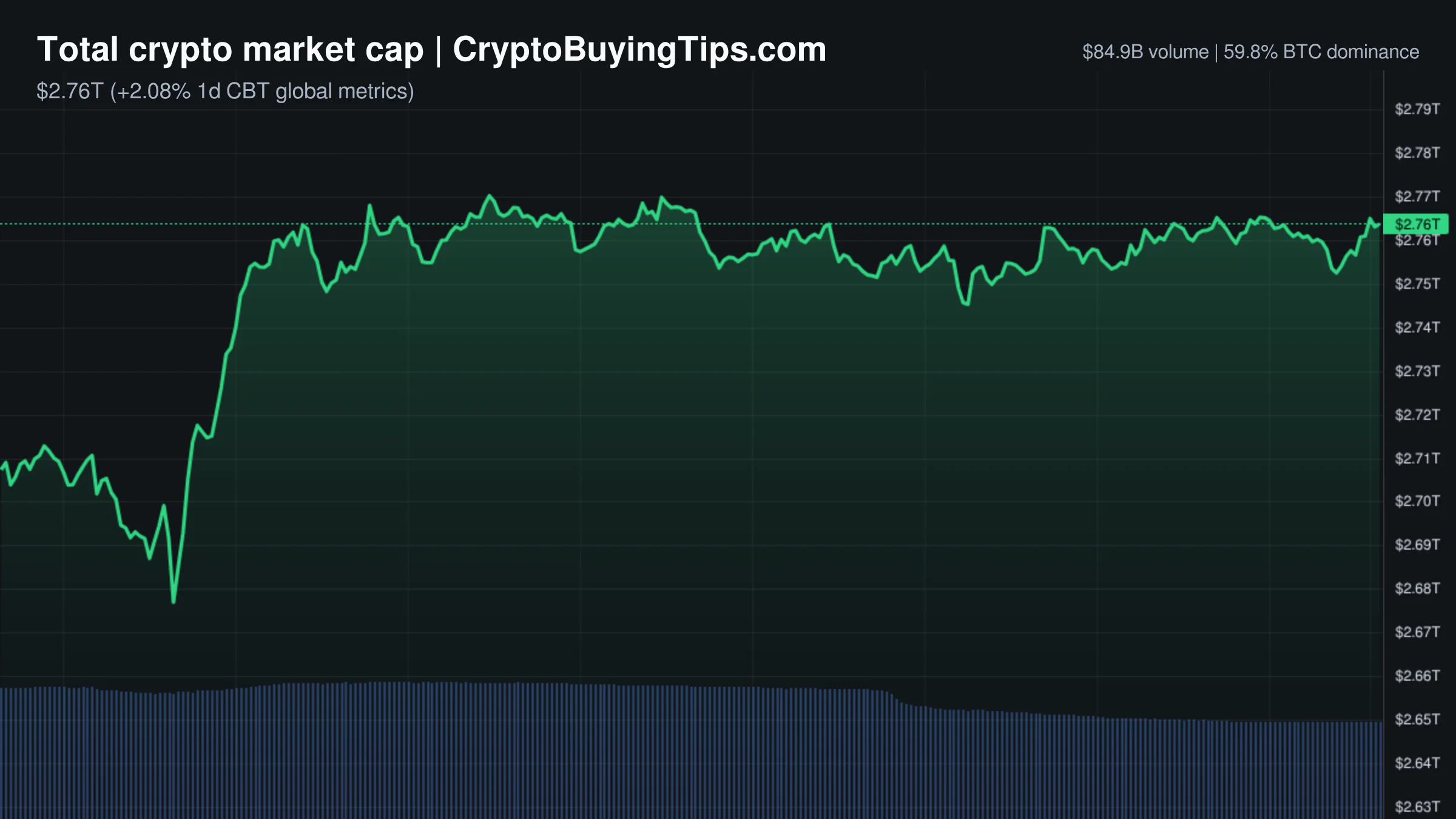
Crypto Market Overview | prices climb despite falling trading volume and stablecoin activity | October 16, 2026
Prices climb despite falling trading volume and stablecoin activity; see our market overview for context.

Wall Street is building its own rules while Congress argues
Wall Street seems to have decided waiting for Congress isn't worth the time. Major players like Mastercard are building…
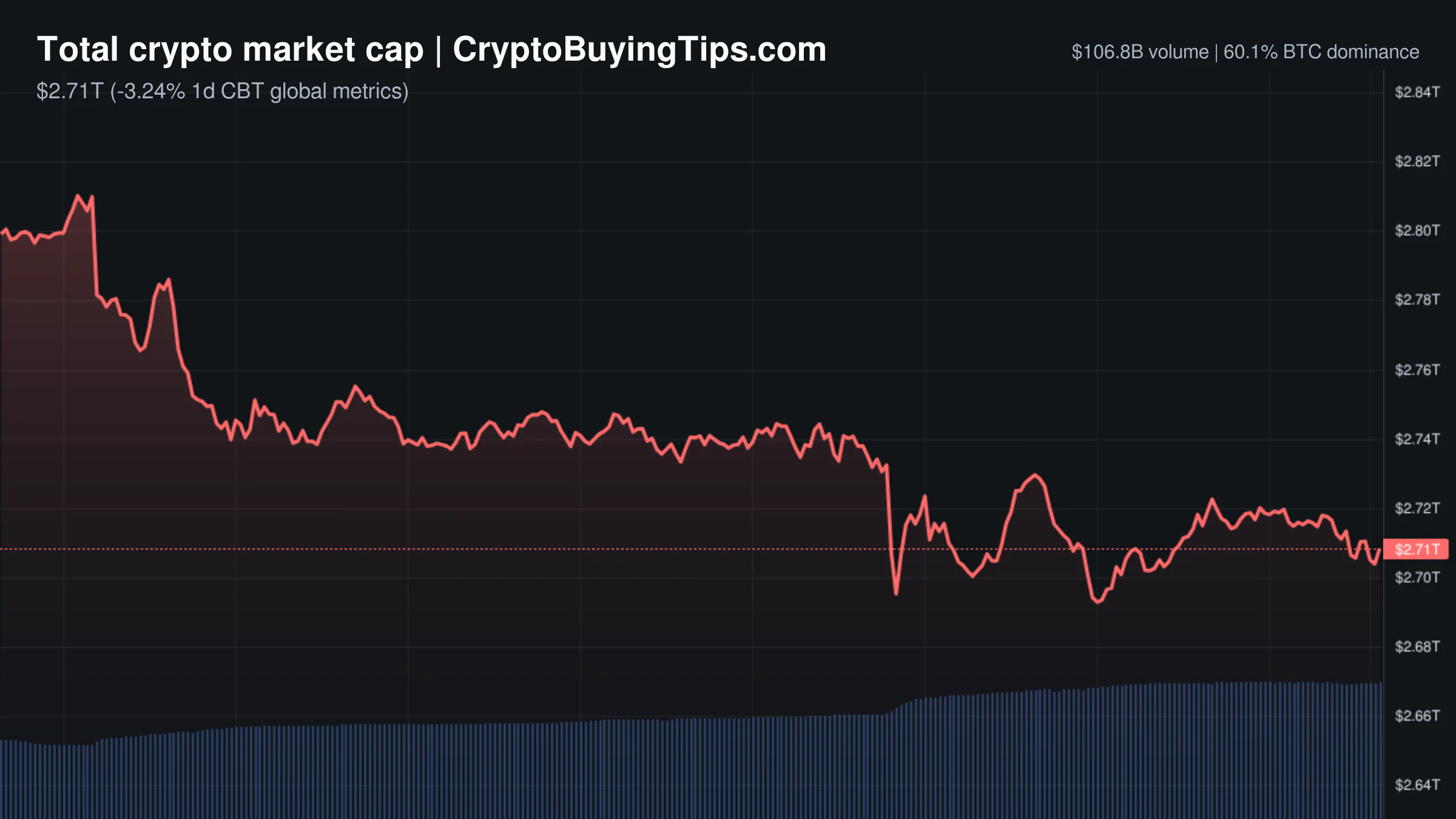
Crypto Market Overview | leveraged flush amid macro headwinds and institutional rails buildout | October 15, 2026
The crypto market sees leveraged flushing amid macro headwinds; see our read on institutional rails building out now.

Price is down but volume is ripping. This is a high-conviction flush
The market dropped nearly four percent while volume surged by over forty-four percent; this suggests the usual bleed is…