
Ethereum gas is practically free but the market is greedy. Here is the disconnect.
Ethereum gas fees are currently hovering between 0.04 and 0.07 Gwei. For anyone who lived through the 2021 DeFi summer, these numbers look like a typo. It is a strange moment for the network. While the broader market is flashing a Greed Index of 75/100, the actual pipes of the Ethereum network are unusually quiet. This creates a glaring gap between how people feel about the price and how they are actually using the chain. If you are wondering why are ethereum gas fees so low, the answer is less about efficiency and more about a shift in where the money actually lives. We previously covered Ethereum gas costs explained for more background.
The short answer to why are ethereum gas fees so low
Gas fees are low because demand for space on the Ethereum mainnet (Layer 1) has plummeted. In a simple supply and demand model, block space is the product. When thousands of people fight to mint an NFT or swap a token, the price goes up. Right now, that fight has stopped. Most retail activity has migrated to Layer 2 (L2) networks like Arbitrum, Base, and Optimism, which process transactions off-chain and settle them in bulk on Ethereum. This shift, combined with the Dencun upgrade that introduced "blobs" to lower data costs for L2s, has left the main chain feeling like a ghost town.
How gas pricing actually works
To understand the current lull, you have to understand Gwei. Gwei is a tiny fraction of an Ether (0.000000001 ETH). When you send a transaction, you aren't paying a flat fee. You are bidding for the attention of validators.
The process works like a blind auction. If the network is congested, users raise their Gwei bid to ensure their transaction is picked up first. When our live metrics show fees at 0.04 to 0.07 Gwei, it means there is almost no competition. Validators are essentially waiting for work.
The Dencun upgrade made this more pronounced. By creating a separate space for L2 data, Ethereum reduced the amount of "expensive" space L2s need to buy on the main chain. As noted by bitcoinfoundation.org, this has significantly lowered the cost for rollup operators, which in turn makes the mainnet even quieter.
The gap between sentiment and utility
This is where the data gets interesting. We are seeing a total detachment between market sentiment and network utility. A Greed Index of 75/100 suggests that investors are aggressively bullish on the price of ETH. But the 0.04 to 0.07 Gwei gas readings tell us that very few people are actually using the network to do anything.
Usually, price and utility move in some kind of loose tandem. When a chain is "hot," fees spike, and the price often follows. Here, the price is being driven by speculation and ETF narratives, not by a surge in people using smart contracts. It is the crypto equivalent of a restaurant with a two hour wait for a table, but the kitchen is completely empty.
Where the activity actually went
Low fees on the mainnet don't necessarily mean Ethereum is dying; they mean it is changing. Our market data tools show ETH Dominance at 10.2%, which indicates the asset is stable, but the activity is fragmented.
Most of the "real" work is happening on L2s. These networks handle the high-frequency swaps and retail mints that used to clog the mainnet. We previously covered how Ethereum gas fees and usage have diverged, and the trend has only accelerated. The mainnet is becoming a settlement layer for institutions and whales, while the "noise" of retail trading has moved elsewhere.
The liquidity signal
We have to look beyond gas prices to see the full picture. While low fees are great for the user, they can signal a pause in capital deployment.
Our news scoring system recently rated a "Volume Collapse" signal as a key indicator for a market pause. The data supports this. Total 24h volume has hit $65.04B, which is a drop of 29.62% over the last day. When volume crashes while the Greed Index remains high, it suggests that holders are simply sitting on their assets rather than actively transacting.
The combination of near-zero gas fees and falling volume suggests a period of consolidation. Capital is not flowing into new DeFi protocols or NFT projects on the mainnet. It is pausing.
Putting it into practice
If you are a user, this is the best time to perform "housekeeping" on your Ethereum wallet. Moving assets between wallets, claiming old rewards, or interacting with mainnet contracts is currently as cheap as it will ever be.
However, for the analyst, this is a warning. Low gas is a luxury for the user, but it is a sign of dormant utility for the network. Until we see gas fees rise alongside price, the current rally is based on sentiment, not on the fundamental usage of the Ethereum Virtual Machine. We are watching for a return to higher Gwei levels as a sign that genuine on-chain activity is returning. Until then, enjoy the cheap transactions.
Related Tickers
Some links in this article may be affiliate links. We may earn a commission at no extra cost to you — this never influences our analysis or coverage.

Sigrid Voss
Crypto analyst and writer covering market trends, trading strategies, and blockchain technology.
More Articles
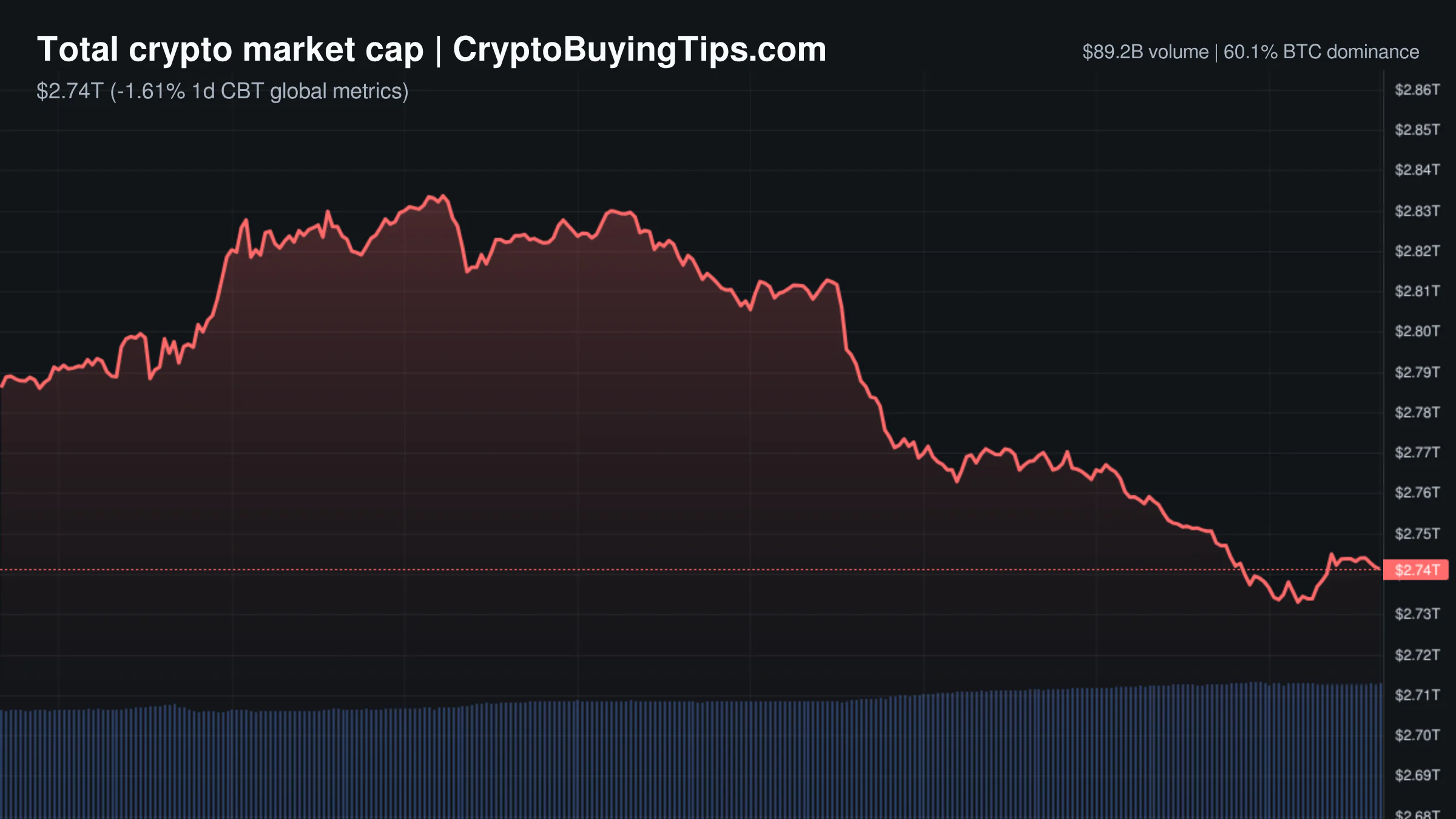
Crypto Market Overview | Leveraged bets surge amid regulatory clarity and institutional inflows | October 22, 2026
The market shows divergence between spot interest and leveraged bets amid regulatory clarity; see our overview here.
Volume is surging but prices are flat. Here is where the trigger is
Volume spikes while prices remain stubbornly flat; this divergence suggests an underlying battle between leveraged…
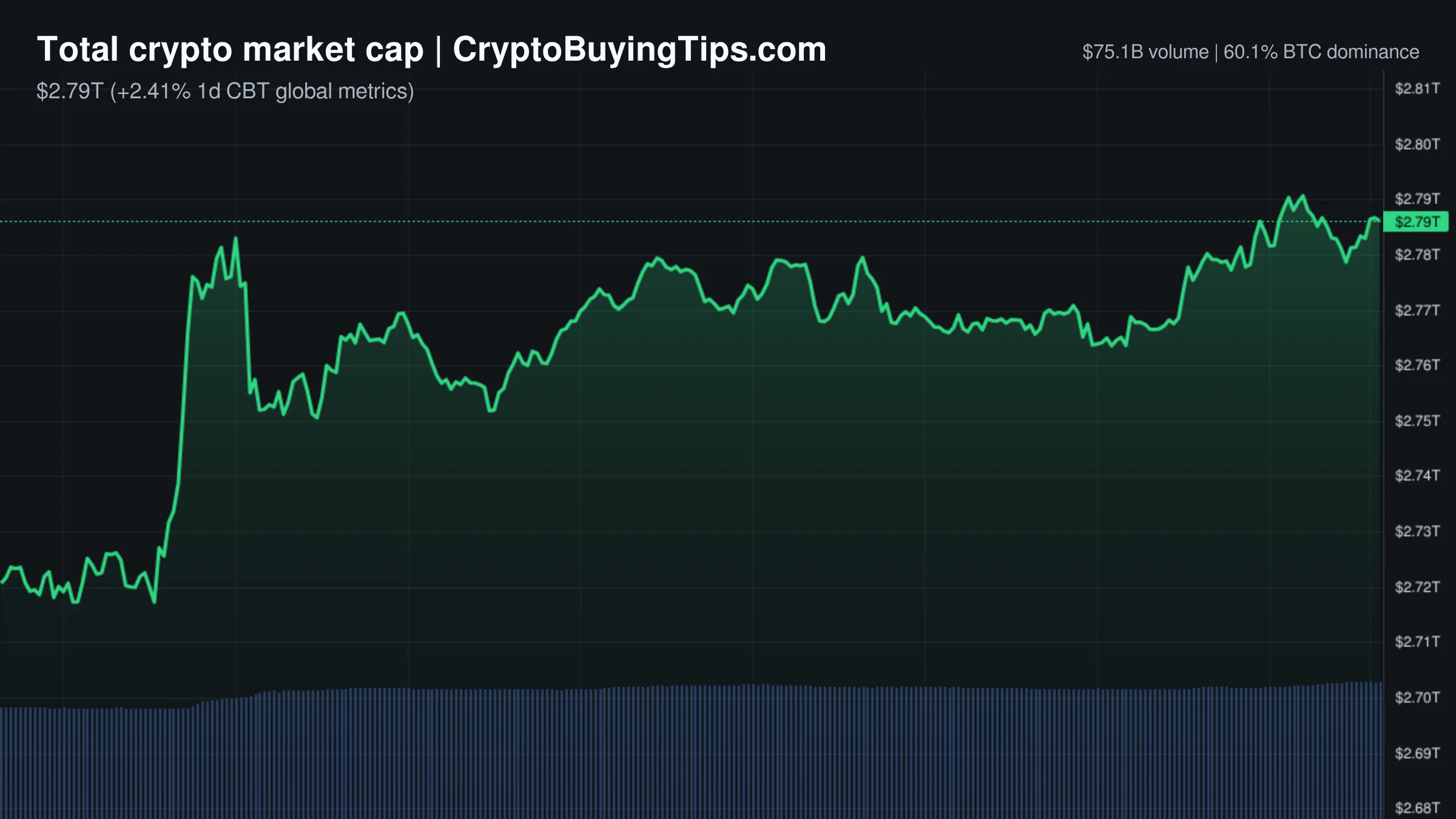
Crypto Market Overview | Leveraged speculation drives gains amid European regulatory uncertainty | October 21, 2026
Leveraged speculation drives crypto gains amid European regulatory uncertainty; see our market overview on BTC and ETH…

Compound is up 21% and DeFi volume is surging. The rotation is here
The market is behaving with all the excitement of an accountant's quarterly report, but DeFi primitives are showing…