

Ethereum gas is at 0.1 Gwei. Here is why the network feels like a ghost town
The crypto market is currently in a state of Greed, with the Fear & Greed Index sitting at 68. Prices are climbing, and the general sentiment is that we are in a risk-on environment. But if you look at the plumbing of the world's largest smart contract platform, the picture is different. Our live market metrics feed shows Ethereum gas is currently at 0.1 Gwei. For anyone who remembers paying a hundred dollars to move a few tokens during the 2021 NFT craze, this feels like a miracle. However, if you are wondering what does low ethereum gas mean for the health of the network, the answer is rarely as positive as a cheap transaction suggests.
The short answer
Low gas prices mean there is very little competition for block space. In plain English, it means the Ethereum mainnet is quiet. While cheap fees are great for the individual user, they signal that on-chain demand for smart contract execution is subdued. The network is not necessarily "efficient"; it is simply underused.
How the fee market actually works
To understand why 0.1 Gwei is a signal of dormancy, you have to stop thinking of gas as a fixed fee and start seeing it as a continuous, blind auction.
Every single operation on Ethereum, from a simple transfer to a complex DeFi swap, requires a certain amount of computational effort. This effort is measured in gas. Because there is a limited amount of space in each block, users must bid against each other to get their transaction included by a validator.
When demand spikes, users raise their bids to ensure their transaction does not sit in the mempool for hours. This is how we reached the peaks of 500 Gwei or more during previous booms, as patentpc.com notes. When demand vanishes, validators lower the entry price to attract any available traffic.
As investopedia.com explains, these fees rise and fall based on the supply and demand for transactions. At 0.1 Gwei, the "bidding war" has effectively ended because there is no one left to bid against.
What does low ethereum gas mean for the network?
When we see gas hit these near-zero levels, we have to ask why. There are two main ways to interpret this: the "Scaling Success" narrative and the "Cannibalization" narrative.
The scaling success narrative
The official line is that Ethereum is successfully moving its activity to Layer 2 (L2) solutions. Chains like Base and Arbitrum handle the bulk of the retail traffic, then settle the final results back to the main Ethereum chain in batches. In this view, the mainnet is not a ghost town; it is a high-security settlement layer that no longer needs to be clogged with small, cheap transactions.
The cannibalization narrative
The more skeptical read is that L2s are not just scaling Ethereum, they are eating it. If all the users, developers, and liquidity move to L2s, the mainnet loses its primary source of revenue and utility. This is the "L2 trap" mentioned by some analysts, where the main chain becomes a dormant vault while the actual ecosystem lives elsewhere.
We have previously covered Ethereum layer two scaling solutions to explain this shift. The danger here is the impact on ETH's economic model. Ethereum burns a portion of the gas fees paid on every transaction. When gas is 0.1 Gwei, the burn rate drops to almost nothing. If the network does not burn enough ETH to offset the issuance of new coins to validators, ETH becomes inflationary. This contradicts the "ultrasound money" narrative that bulls have relied on for years.
Where people get tripped up
The biggest mistake retail traders make is conflating the price of the ETH token with the utility of the Ethereum network.
Currently, we see a massive disconnect. The market is greedy, and the price of ETH remains robust, but the actual use of the network is anemic. This suggests that much of the current price action is driven by speculation on centralized exchanges or institutional interest in ETFs, rather than people actually using the blockchain to build things.
Our read is that this divergence is a warning sign. If the token price is supported by a narrative of "world computer" utility, but the data shows the computer is mostly turned off, the gap eventually closes. We have seen this before, and we previously covered the Ethereum gas fee disconnect in our prior analysis.
Putting it into practice
Despite the macro concerns, low gas is a tactical advantage for the user. If you have been avoiding the mainnet because of costs, now is the window to act.
If you need to perform any of the following, do it while gas is at these levels:
- Moving assets from a centralized exchange to a hardware wallet.
- Interacting with older DeFi protocols that do not have L2 versions.
- Minting or transferring NFTs on the main chain.
- Rebalancing large portfolios across different L1 contracts.
The irony of the current market is that the best time to actually use Ethereum is when the market is telling you that Ethereum is a powerhouse, but the gas data shows it is practically idling. Enjoy the cheap fees, but keep an eye on the burn rate. If the mainnet stays this quiet for too long, the "ultrasound" narrative becomes a fairy tale.
Related Tickers
Some links in this article may be affiliate links. We may earn a commission at no extra cost to you — this never influences our analysis or coverage.

Sigrid Voss
Crypto analyst and writer covering market trends, trading strategies, and blockchain technology.
More Articles
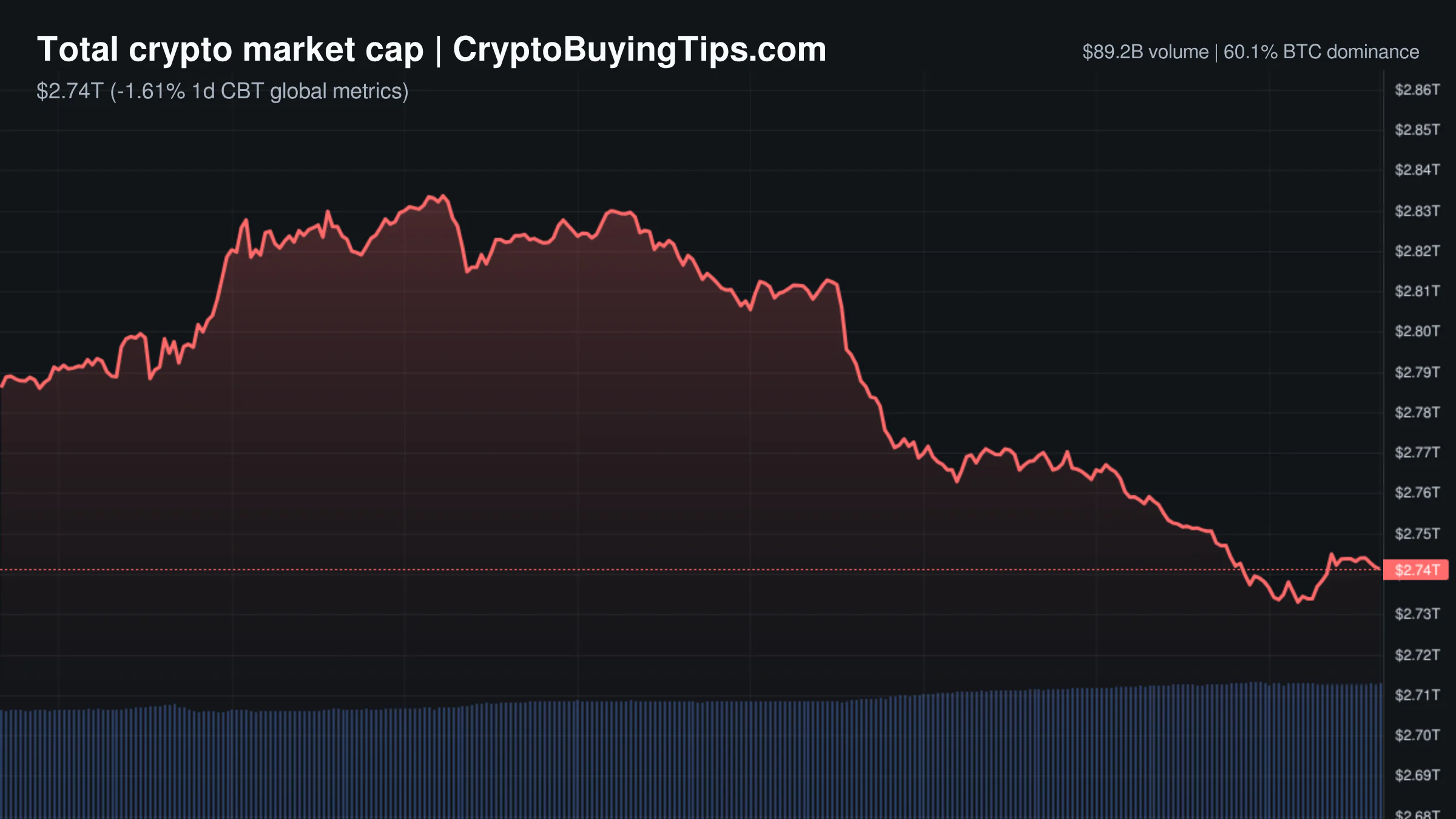
Crypto Market Overview | Leveraged bets surge amid regulatory clarity and institutional inflows | October 22, 2026
The market shows divergence between spot interest and leveraged bets amid regulatory clarity; see our overview here.

Volume is surging but prices are flat. Here is where the trigger is
Volume spikes while prices remain stubbornly flat; this divergence suggests an underlying battle between leveraged…
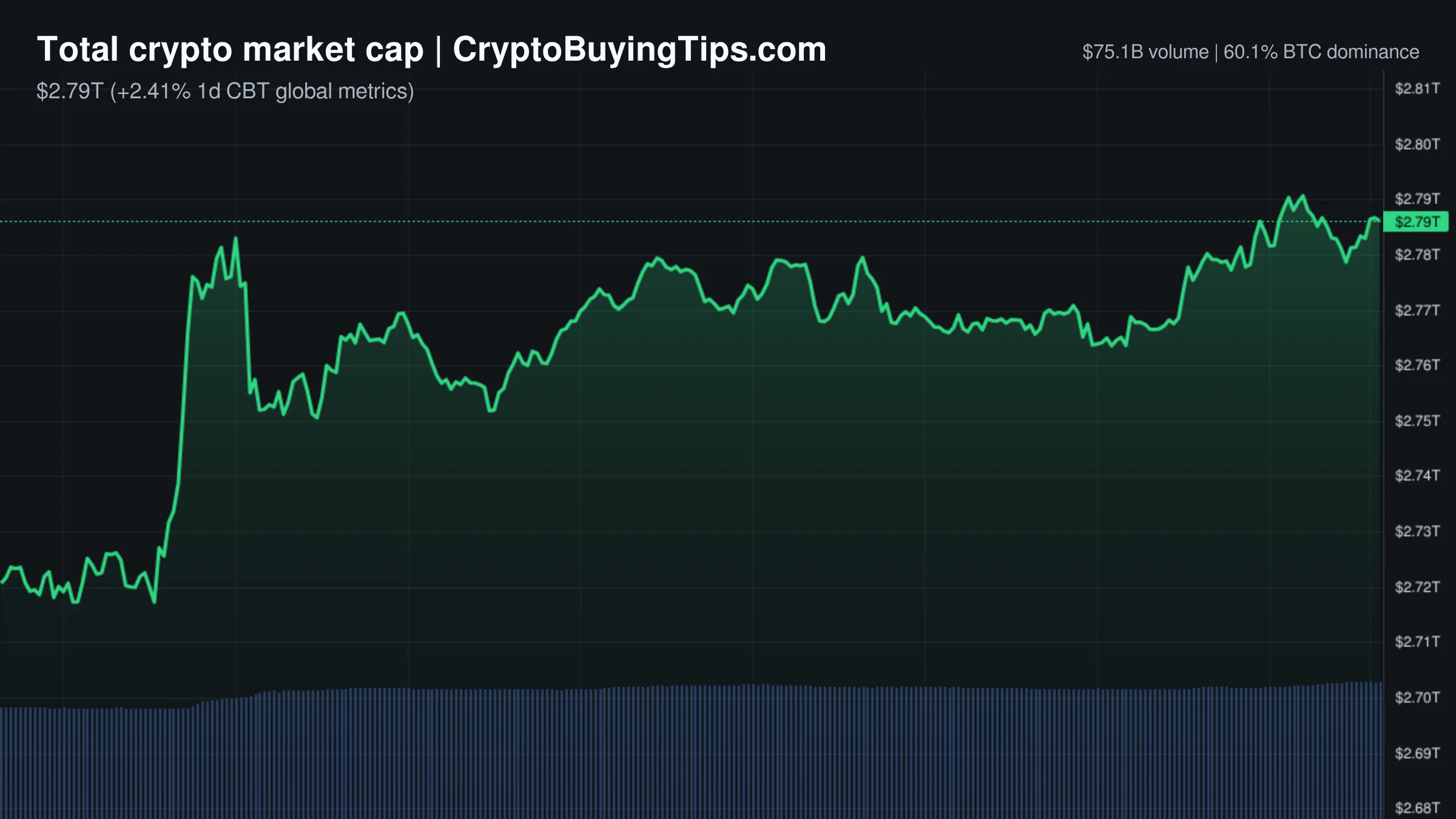
Crypto Market Overview | Leveraged speculation drives gains amid European regulatory uncertainty | October 21, 2026
Leveraged speculation drives crypto gains amid European regulatory uncertainty; see our market overview on BTC and ETH…

Compound is up 21% and DeFi volume is surging. The rotation is here
The market is behaving with all the excitement of an accountant's quarterly report, but DeFi primitives are showing…