
Operation Atlantic is a wake up call for anyone still using a hot wallet

If you've been following the news about Operation Atlantic, you know it's a mess. We're seeing massive government sweeps and fraud crackdowns that make it very clear that your funds are only as safe as the place you keep them. For most people, the first instinct is to just leave their BTC or ETH on an exchange, but that's essentially giving someone else the keys to your house. If you're wondering how to secure crypto from scams step by step, you need to start by understanding that convenience is usually the enemy of security.
The short answer
Stop keeping your long term holdings on an exchange or in a software wallet connected to the internet. Buy a hardware wallet, move your assets there, and keep your seed phrase on physical paper in a safe.
How it actually works
I've been in this space since 2019, and the biggest mistake I see is people confusing a "wallet" with an "account." When you keep money on an exchange, you don't own the keys. You own a promise from the exchange that they'll give your money back. Operation Atlantic proves that when the law steps in, those promises can vanish or get frozen instantly.
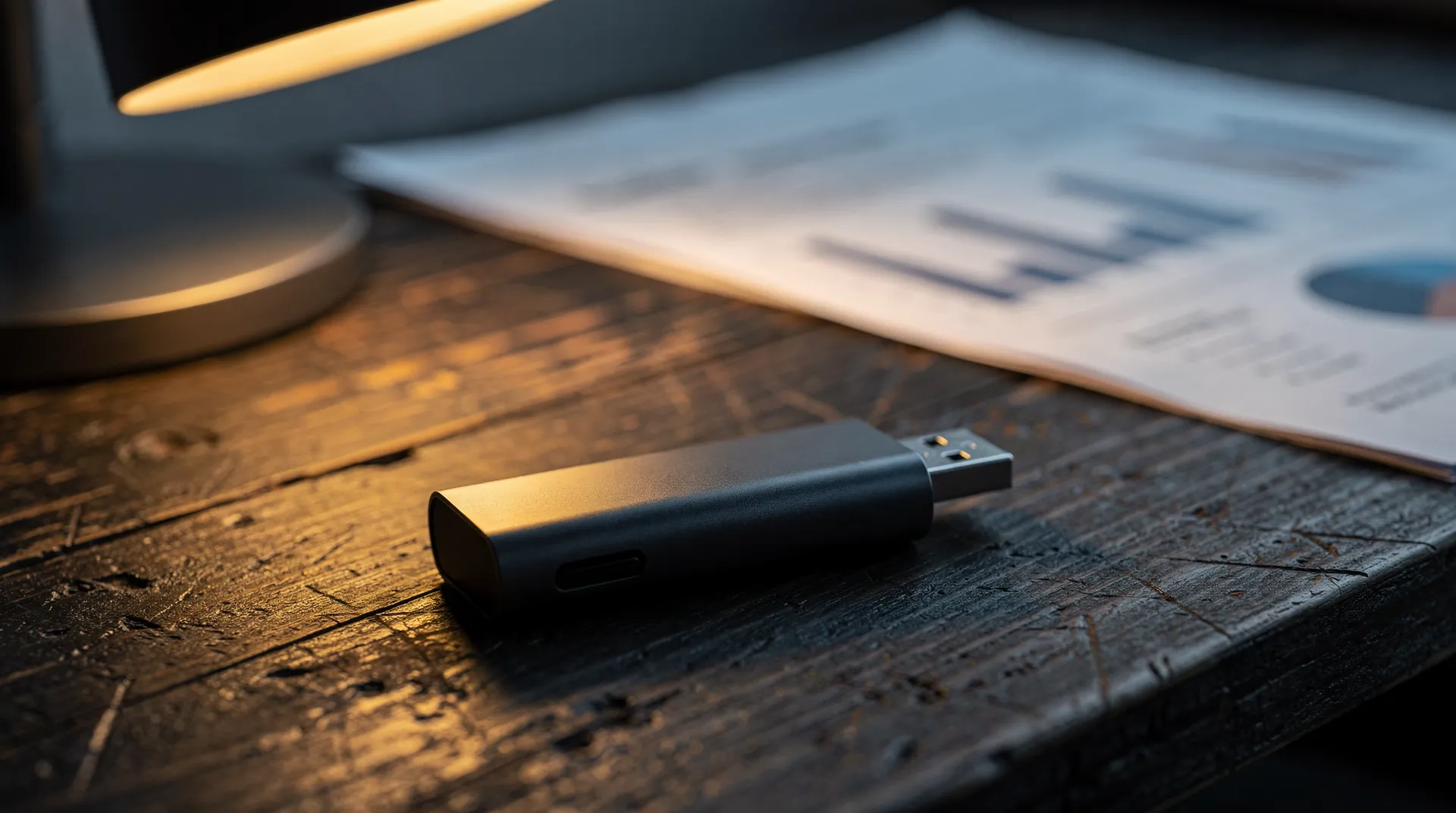
To actually own your crypto, you need a cold storage solution. A hardware wallet is a physical device that keeps your private keys offline. Since the keys never touch the internet, a hacker in another country can't just "drain" your wallet through a phishing link or a malicious smart contract.
I personally use a Ledger for my main holdings. It's the most straightforward way to ensure that even if my laptop gets compromised, my funds are still safe because every transaction requires a physical button press on the device.
Where people get tripped up
The biggest point of failure isn't the tech, it's the human. I've seen people take a photo of their seed phrase and upload it to the cloud. That's a disaster waiting to happen. If your iCloud or Google Drive is hacked, your hardware wallet is useless because the thief now has your recovery phrase.
Another common trap is "approval phishing." I wrote about this recently, but it's worth repeating. You might think your funds are safe because they're in a hot wallet, but if you sign a malicious contract giving a scammer "permission" to spend your tokens, they can empty your account without needing your password.
How to secure crypto from scams step by step
If you're feeling anxious after the recent news, here is exactly what I would do today.
First, audit your holdings. If you have more than a few hundred dollars on an exchange, it's time to move.
Second, get a hardware wallet. Don't buy one from eBay or a random third party. Buy directly from the manufacturer.
Third, set up your wallet and write down your seed phrase. Use a pen and paper. Do not type it into a computer, do not email it to yourself, and do not save it in a notes app.
Fourth, move a small "test amount" first. Send 0.001 BTC or a tiny bit of ETH to your new address. Once you see it arrive and you know how to send it back, move the rest.
Finally, treat your hot wallet (like MetaMask or Phantom) as a "spending account." Only keep there what you're willing to lose. Everything else stays in cold storage. It's a bit more work, but it's the only way to actually sleep at night in this market.
Sigrid Voss
Crypto analyst and writer covering market trends, trading strategies, and blockchain technology.
More Articles
Bitcoin ETFs just bled $1.7B in a month. Are the institutions actually giving up?
Bitcoin ETFs experienced a significant outflow of $1.7 billion this month, signaling a shift away from the initial "wall…
Bybit is letting you buy tokenized IPOs. Here is the catch
Bybit’s IPO Express offers retail investors access to tokenized IPOs like SpaceX, but it’s crucial to understand you’re…

The $763 billion leverage trap masking a fake recovery
A $763 billion surge in leveraged trading is masking a potentially dangerous market recovery. The massive disparity…
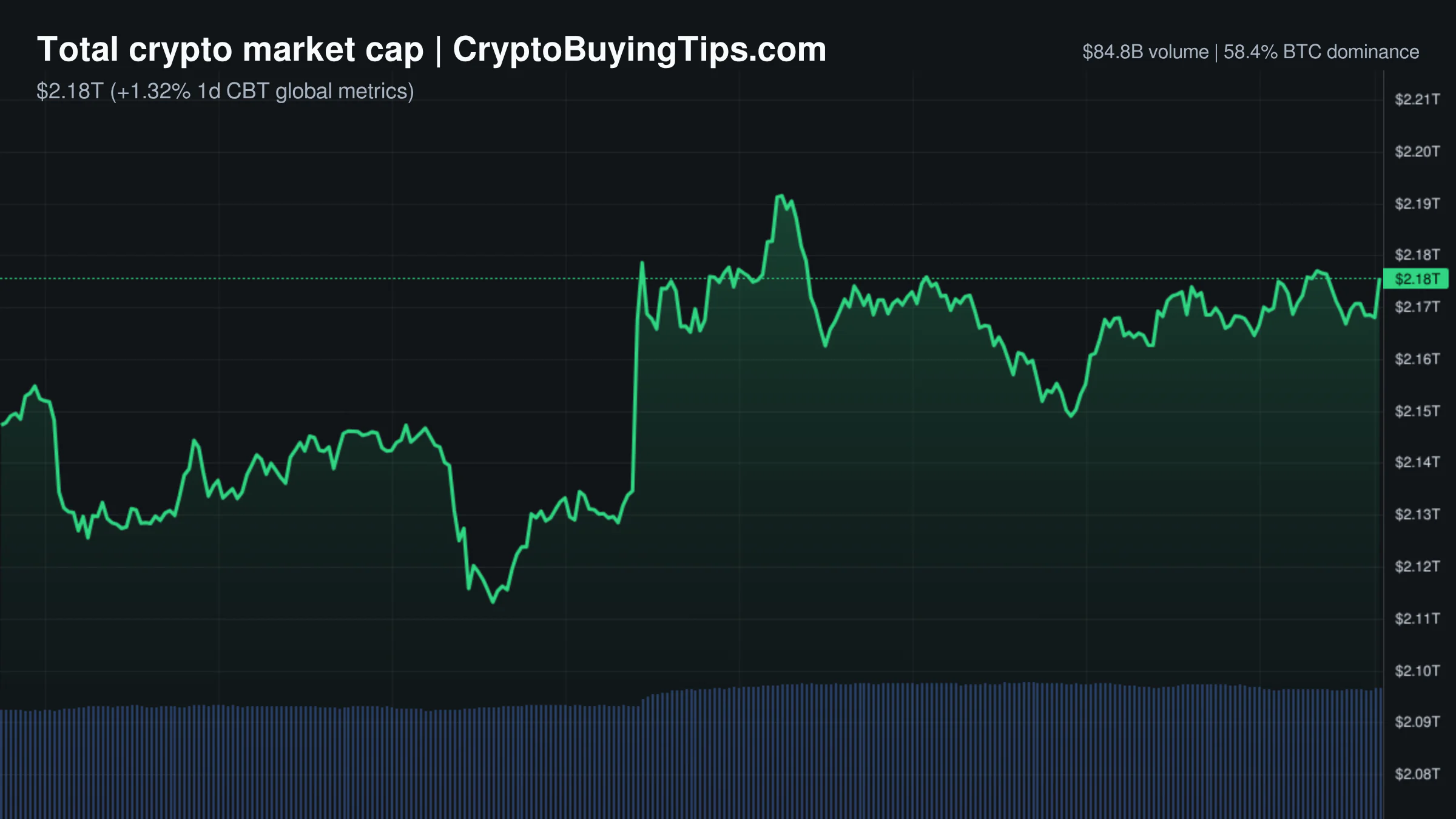
Crypto Market Overview | Leveraged recovery amid extreme fear | June 8, 2026
Crypto Market Overview Leveraged recovery amid extreme fear June 8, 2026 Market overview The crypto market is…