

Prediction markets are crashing and the regulators are finally winning
I've been watching the crypto markets since 2019, and if there is one thing I've learned, it's that the gap between "technically possible" and "legally allowed" is where most people lose their money. For the last year, prediction markets like Polymarket felt like they had found a loophole. They became the go-to source for election odds, bypassing traditional pollsters and creating a massive surge of liquidity. But the party is ending. Between the recent Polymarket exploit, the crackdown in India, and a growing push in the US Congress, we are seeing a systemic collapse of the "move fast and break things" era for event contracts. If you've been wondering are crypto prediction markets legal in usa, the answer is increasingly a loud and litigious "no."
The perfect storm of failures
It isn't just one thing killing the momentum; it is a combination of bad security and aggressive law enforcement. First, we have the regulatory wall. We previously covered the Prediction Markets Legal Battle in Brazil, and that was just the start. Now, the US is tightening the screws. The CFTC has been clear that these platforms are offering illegal leveraged contracts.
Then there is the security side. The Polymarket exploit proved that even the biggest player in the space has a target on its back. When you combine a security breach with the fact that regulators are now actively blocking US IP addresses and suing exchanges, the risk profile for the average user has shifted from "exciting gamble" to "dangerous liability."
Why the question of are crypto prediction markets legal in usa actually matters
For a long time, users just used VPNs to get around geo-blocks. They thought they were invisible. But the legal reality is that the US government views these markets as unregulated gambling or unregistered derivatives trading.
When New York sued Coinbase and Gemini over their event contracts, it sent a signal that the "grey area" is gone. We've seen Prediction Markets Legal Issues move from theoretical warnings to actual court filings. If you are using these platforms from a US address, you aren't just fighting a website block; you are potentially interacting with a service that the government considers a financial crime.
My take on the systemic risk
I think the biggest mistake people are making right now is ignoring the liquidity risk. In a normal market, you can usually exit a position. But in a prediction market under regulatory fire, liquidity can vanish in a heartbeat. If a major exchange decides to freeze funds or a government shuts down the primary on-ramp, your "winning" bet is just a set of numbers on a screen that you can't actually cash out.
I'm also concerned about the security of the smart contracts. Most of these platforms are built on Polygon (MATIC) or Ethereum (ETH) to keep fees low, but that doesn't make the logic of the contract immune to bugs. The recent exploits show that as the TVL grows, the incentive for hackers to find a flaw grows with it. I've seen this movie before. It's the same pattern as the early DeFi summer: massive growth, ignored red flags, and then a sudden, violent correction.
How to protect your assets
If you're still playing around with these protocols or holding assets on exchanges, you need to get your funds off the platforms. I don't trust any exchange with my long-term holdings, especially now when the Fear & Greed Index is sitting at 39, showing that the market is genuinely nervous.
I personally use a Ledger Flex for my main holdings because the E Ink touchscreen lets me verify exactly what I'm signing before I hit confirm. It costs $249, but that's a small price to pay to avoid a DeFi scam or an exchange freeze. When the regulators start winning, the only place your money is truly safe is in a hardware wallet where you hold the keys.
The bottom line
The era of the "unstoppable" prediction market was a fun experiment, but the reality of global finance is catching up. Regulators don't like losing control of the narrative, and they certainly don't like unregulated betting on political outcomes. I expect more bans and more exploits before the year is out. If you're still treating these markets as a safe way to hedge your bets, you're ignoring the very real possibility that the exit door will be locked before you get there.
Trade the news at our editorial-picked exchange: Gate
Some links in this article may be affiliate links. We may earn a commission at no extra cost to you — this never influences our analysis or coverage.

Sigrid Voss
Crypto analyst and writer covering market trends, trading strategies, and blockchain technology.
More Articles
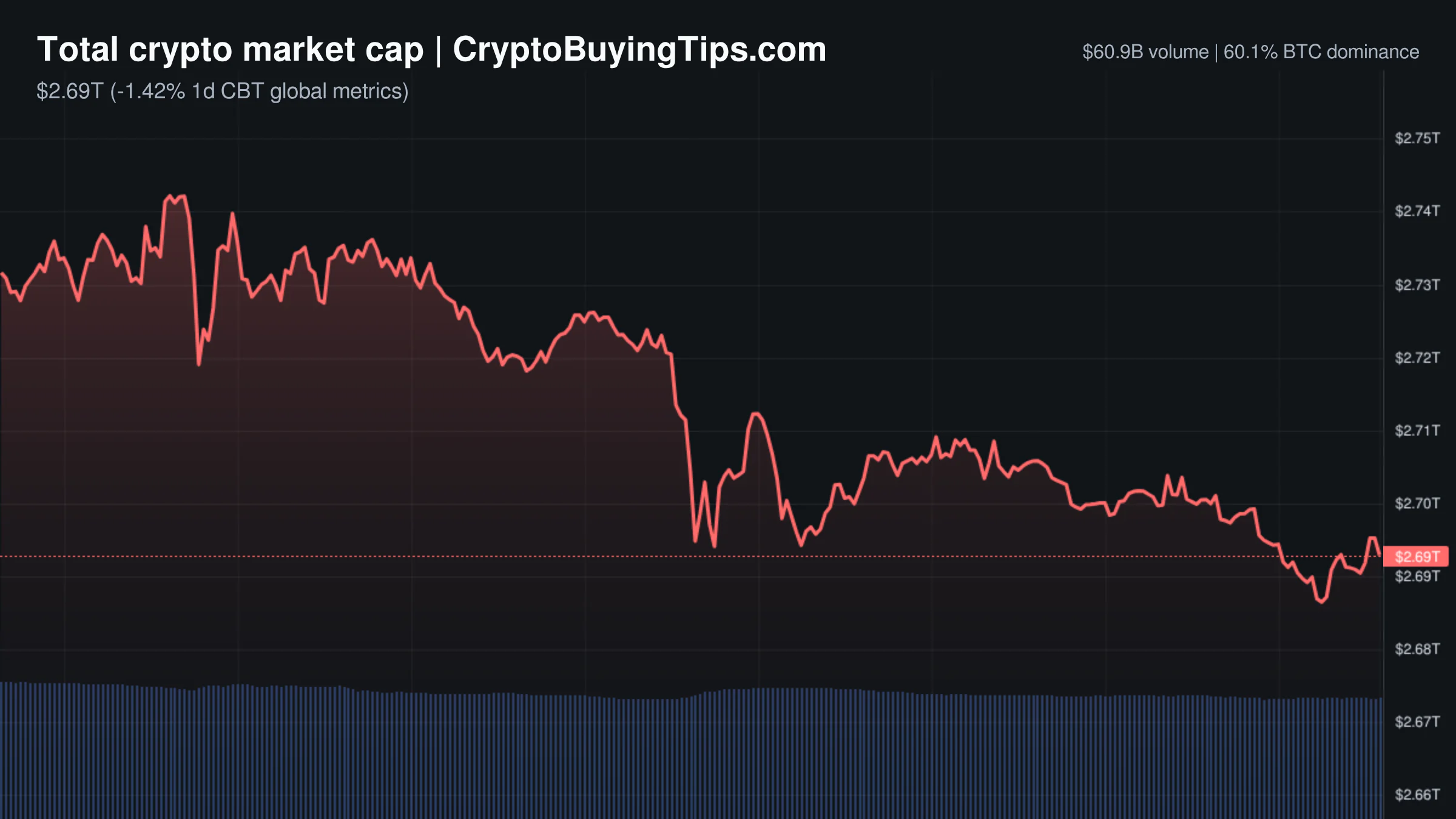
Crypto Market Overview | Derivatives volume dwarfs spot activity amid regulatory uncertainty and institutional outflows | October 24, 2026
Derivatives volume dwarfs spot activity amid regulatory uncertainty and institutional outflows, showing market…

Fidelity outflows and Ethereum OG dumps suggest a hidden exit
Another day of market data suggesting everything is fine until you look at the outflows and OG dumping. Institutional…
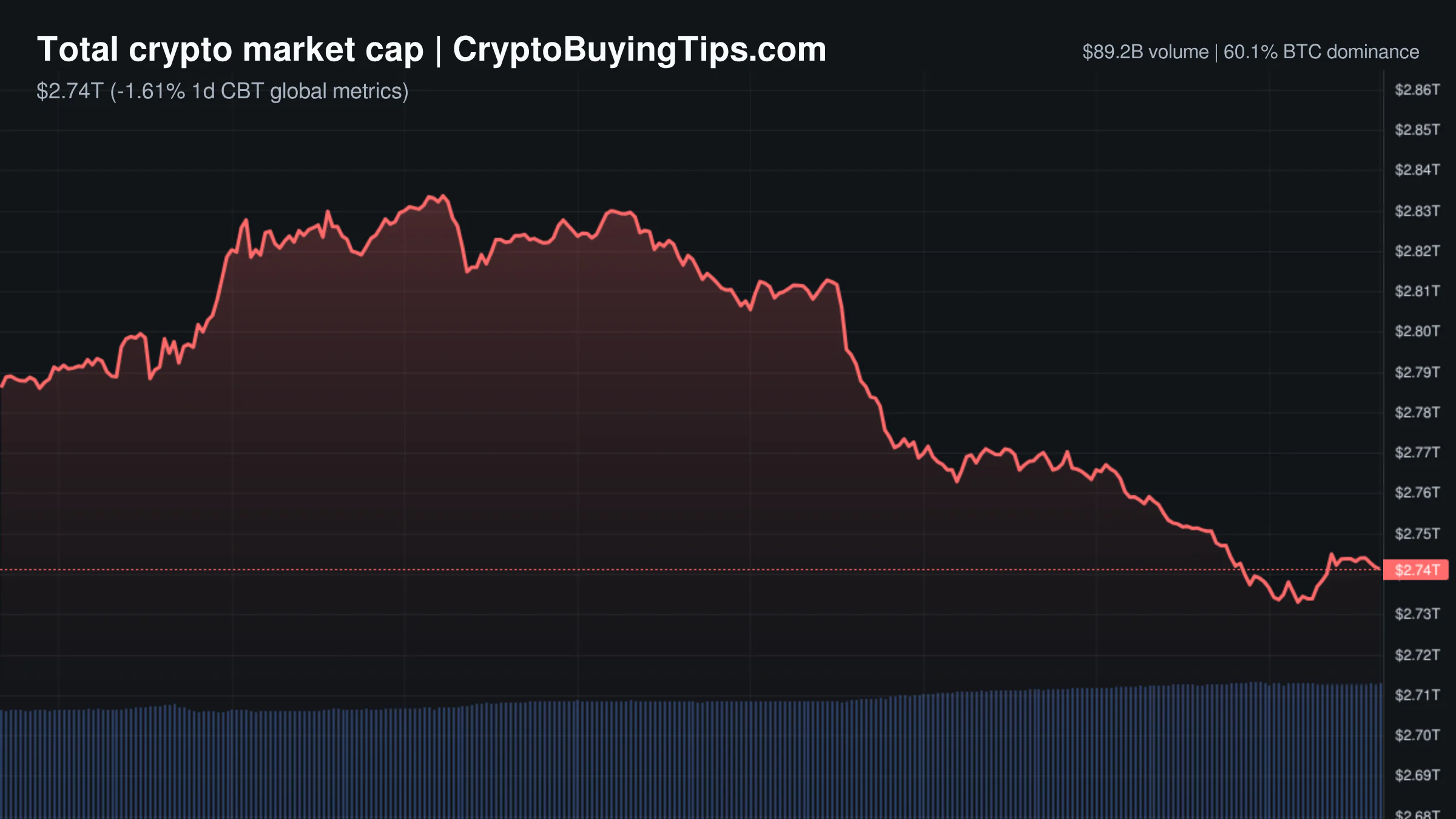
Crypto Market Overview | Leveraged bets surge amid regulatory clarity and institutional inflows | October 22, 2026
The market shows divergence between spot interest and leveraged bets amid regulatory clarity; see our overview here.
Volume is surging but prices are flat. Here is where the trigger is
Volume spikes while prices remain stubbornly flat; this divergence suggests an underlying battle between leveraged…