

The US government is spending $2 billion to break Bitcoin's encryption
The US Department of Commerce just put a $2 billion target on the back of the Elliptic Curve Digital Signature Algorithm (ECDSA). For those of us who don't spend our weekends reading cryptography papers, that is the math that keeps your Bitcoin and Ethereum safe. If the US government is throwing this much capital at quantum computing, they aren't doing it to make faster spreadsheets. They are doing it to crack the codes that current computers find impossible to solve. This puts us in a weird spot where we need to start looking for a quantum resistant blockchains list before the "Q-Day" clock hits zero.
What is actually happening
The US government is accelerating its investment in quantum computing to ensure national security. While that sounds like a standard geopolitical move, the technical reality is that quantum computers process information using qubits. Unlike the bits in your laptop, qubits can exist in multiple states at once.
This allows them to perform a specific type of math called Shor's algorithm. In plain English, Shor's algorithm can reverse the process used to create a public key from a private key. Since Bitcoin and Ethereum rely on this exact process to prove ownership of funds, a powerful enough quantum computer could theoretically derive your private key just by looking at your public address on the blockchain.
Why this is an existential risk
I've been tracking this space since 2019, and I've seen plenty of "network killers" come and go. But this is different. This isn't a bug in a smart contract or a bad CEO. This is a fundamental attack on the physics of the security model.
We previously covered how Quantum Bitcoin Security is already being questioned by giants like Google. If a government can crack a private key, they don't need to hack an exchange or trick you into signing a malicious transaction. They just take the money.
There is a specific danger for "dormant" coins. If you have Bitcoin sitting in an old address from 2011, your public key is already exposed. A quantum computer could scan the ledger, find those old keys, and drain them before you even realize the attack has started. This is why the conversation around a quantum resistant blockchains list is moving from academic circles to actual developer meetings.
The path to a quantum resistant blockchains list
So, how do we fix it? The industry is looking at "Post-Quantum Cryptography" (PQC). This involves replacing ECDSA with new mathematical problems that even quantum computers find difficult, such as lattice-based cryptography.
For Bitcoin to survive, it would need a soft fork or a hard fork to implement these new signatures. This means every single user would have to move their funds from an "old" address to a "new" quantum-secure address. If you lost your keys or forgot about your wallet, your funds would essentially become a buffet for the first government to build a stable quantum computer.
Ethereum has a slightly easier path because it is more agile with upgrades, but the Ethereum Security Risks remain just as severe at the base layer.
My take on the risk
I'm not saying you should panic and sell everything today. The current market is in a neutral phase, with the Fear and Greed Index sitting at 40 and BTC dominance holding steady at 60%. The immediate price action isn't reflecting this risk because quantum computing is still in the "experimental" phase.
But I am uncomfortable with the complacency I see. Most people think a hardware wallet makes them immune. It doesn't. A hardware wallet protects you from a phishing link or a hacked laptop, but it cannot protect you from a machine that can derive your private key from the public blockchain.
If you want to keep your assets offline for now, I still recommend a hardware signer. I personally use the Ledger Flex because the Gorilla Glass E Ink screen makes it easy to verify addresses without the clunkiness of older models. It's a great tool for current security, but it won't stop a quantum attack.
What I'm watching next
I'll be keeping a close eye on any BIP (Bitcoin Improvement Proposal) that mentions "Lamport signatures" or "Winternitz signatures." These are the types of tools that would actually make a quantum resistant blockchains list a reality.
If the US government announces a breakthrough in "stable qubit" counts, the window for us to migrate our funds will shrink rapidly. We are essentially in a race between the people building the lock and the people building the master key. I'd rather be on the side of the lock.
Trade the news at our editorial-picked exchange: MEXC
Some links in this article may be affiliate links. We may earn a commission at no extra cost to you — this never influences our analysis or coverage.

Sigrid Voss
Crypto analyst and writer covering market trends, trading strategies, and blockchain technology.
More Articles
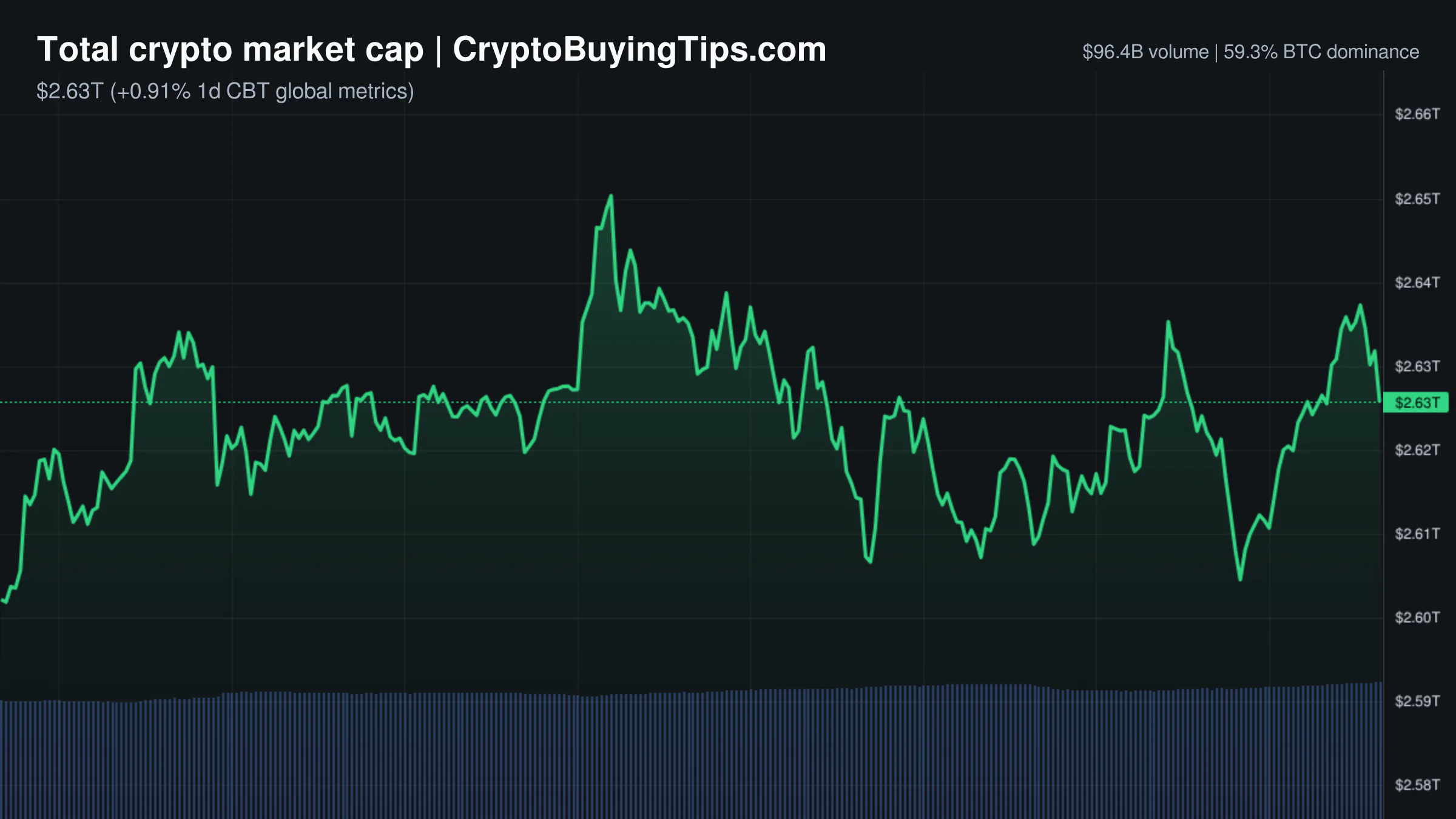
Crypto Market Overview | Leverage-driven rally amid strong ETF inflows as BTC targets 80k | August 24, 2026
Leverage-driven rally sees BTC near 80k amid strong ETF inflows; see our market overview on current crypto dynamics.

Derivatives volume is 8x higher than spot. Here is why that is a warning
The market's current price action seems to be driven by bets rather than cash; with derivatives volume eight times…
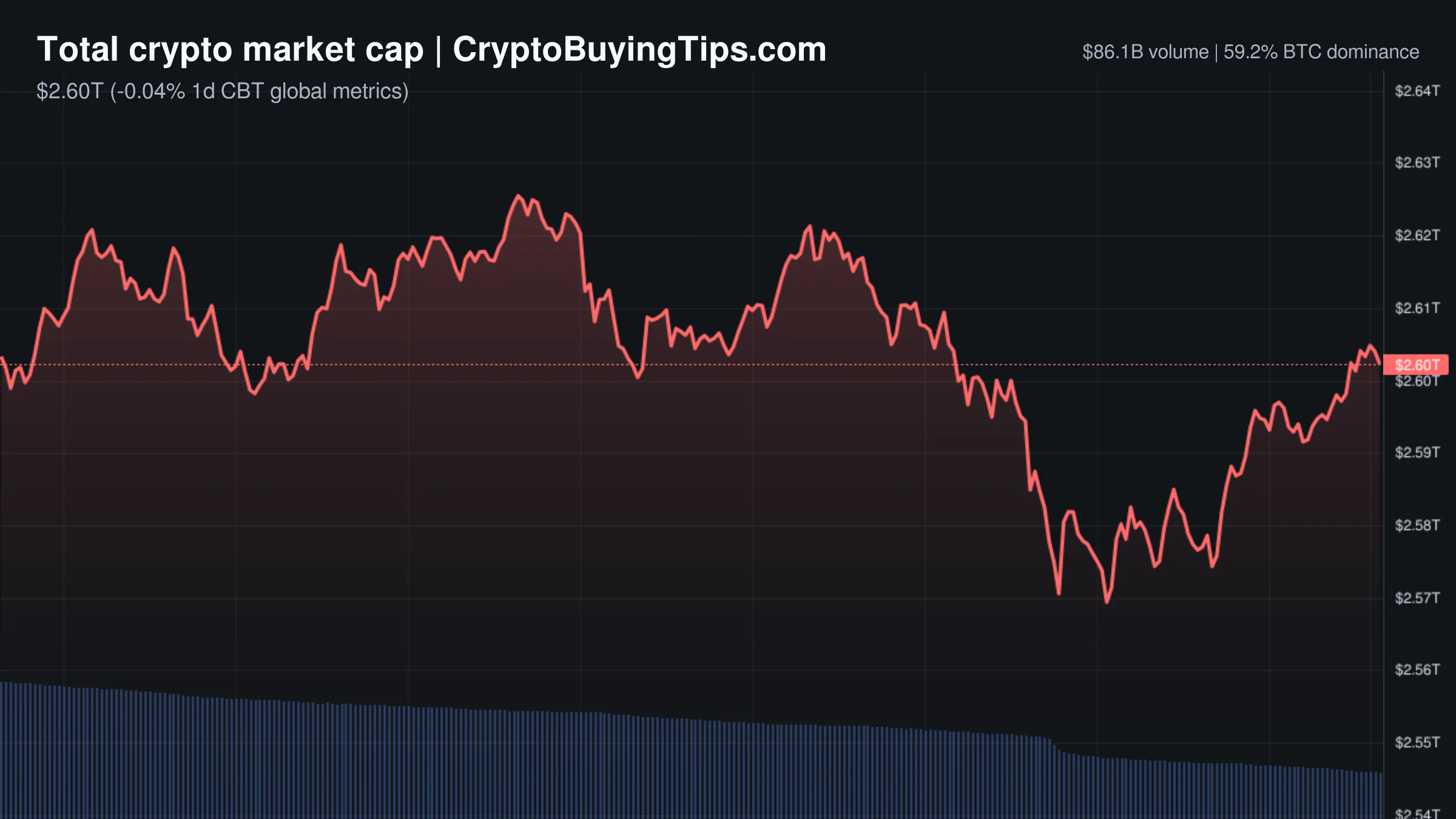
Crypto Market Overview | volume collapses as greed persists amid regulatory friction | August 23, 2026
Volume collapses as greed persists amid regulatory friction; see our market overview on crypto's current state and key…

Brussels is coming for DeFi vaults and the market is ignoring the risk
Brussels seems to think "decentralized" is just an aesthetic choice for now. Our read suggests MiCA regulation isn't…