

Russia just legalized crypto trading. Don't mistake this for a bull signal
The fact that Russia just legalized crypto trading while keeping payments banned suggests far more about regulatory capture than genuine market enthusiasm. For anyone trying to understand how the russia crypto law 2026 explained works, the reality is simple: you can now legally hold and trade digital assets, but you still cannot buy a sandwich with them. It is a curious bit of legislation that allows the asset to exist as a financial instrument while stripping away its primary purpose as a medium of exchange. We previously covered safe haven narrative shifting for more background.
Understanding the liquidity trap of new regulation
The legal framework does not simply open the gates to the market. Instead, it builds a very specific and expensive toll booth. Our news scoring system rated this story as a 10/10 for novelty, largely because the state is formalizing a gray market rather than fostering a free one.
The primary friction comes from the state registry and the capital requirements. To operate a cryptocurrency exchange legally, a firm must now join a dedicated state registry. This is not a simple paperwork exercise. Operators must hold at least 15 million ruble in equity to operate legally.
This creates a structural barrier that favors established, state-aligned players over smaller, innovative startups. By setting a high capital floor, the government ensures that only those with significant resources (and likely the correct political connections) can provide the infrastructure for trading. It turns the market into a closed loop.
How does russia crypto law 2026 explained work?
If you look at the headlines, you see "legalization" and assume a surge in adoption. But the specific restrictions on payments mean that actual utility remains constrained compared to global peers. You can trade Bitcoin, but the moment you try to use it for a domestic transaction, you are back in the realm of illegality.
This creates a strange environment where assets are treated as speculative chips rather than currency. We can see this reflected in the broader market where Bitcoin dominance sits at 58.90%. Capital is huddling in the safest, most liquid asset while the Russian market attempts to find its feet within these new walls.
Our news scoring system rated this story as a 10/10 for novelty because it highlights the gap between "legal" and "usable." The law allows for cross-border settlements, which is a nod to the need to bypass sanctions. But for the average citizen, the law is less about financial freedom and more about bringing the existing shadow market under the watchful eye of the central bank.
Comparing Russian compliance hurdles to global standards
To understand the risk, we have to look past the headline legality and assess what actual capital movement suggests about real-world adoption. The total market cap of 2.45T is a global figure, but the Russian slice is being funneled through a narrow, state-controlled pipe.
When you compare this to the EU's MiCA framework, the difference is stark. MiCA aims for uniform market rules to protect consumers and provide clarity. The Russian approach is about survival and control. It is a mechanism to ensure that as the country uses digital assets to dodge sanctions, the state keeps a ledger of who is doing what.
We previously covered how this crypto law dodge sanctions, and this new legality is simply the next step in that strategy. It is not a bull signal for the technology. It is a tool for a sanctioned state.
The transition period lasts until July 1, 2027, giving unregistered firms a window to comply or disappear. But given the 15 million ruble requirement, many will simply find the cost of legality too high. They will likely stay in the shadows, which means the "legal" market will be a sanitized version of the real one.
Our read is that this is a move toward a state-managed crypto ecosystem. It provides the government with a way to tax and monitor flows without actually giving up control of the ruble. For the global trader, it adds a layer of sovereign risk that no amount of "legalization" can erase.
Some links in this article may be affiliate links. We may earn a commission at no extra cost to you — this never influences our analysis or coverage.

Sigrid Voss
Crypto analyst and writer covering market trends, trading strategies, and blockchain technology.
More Articles
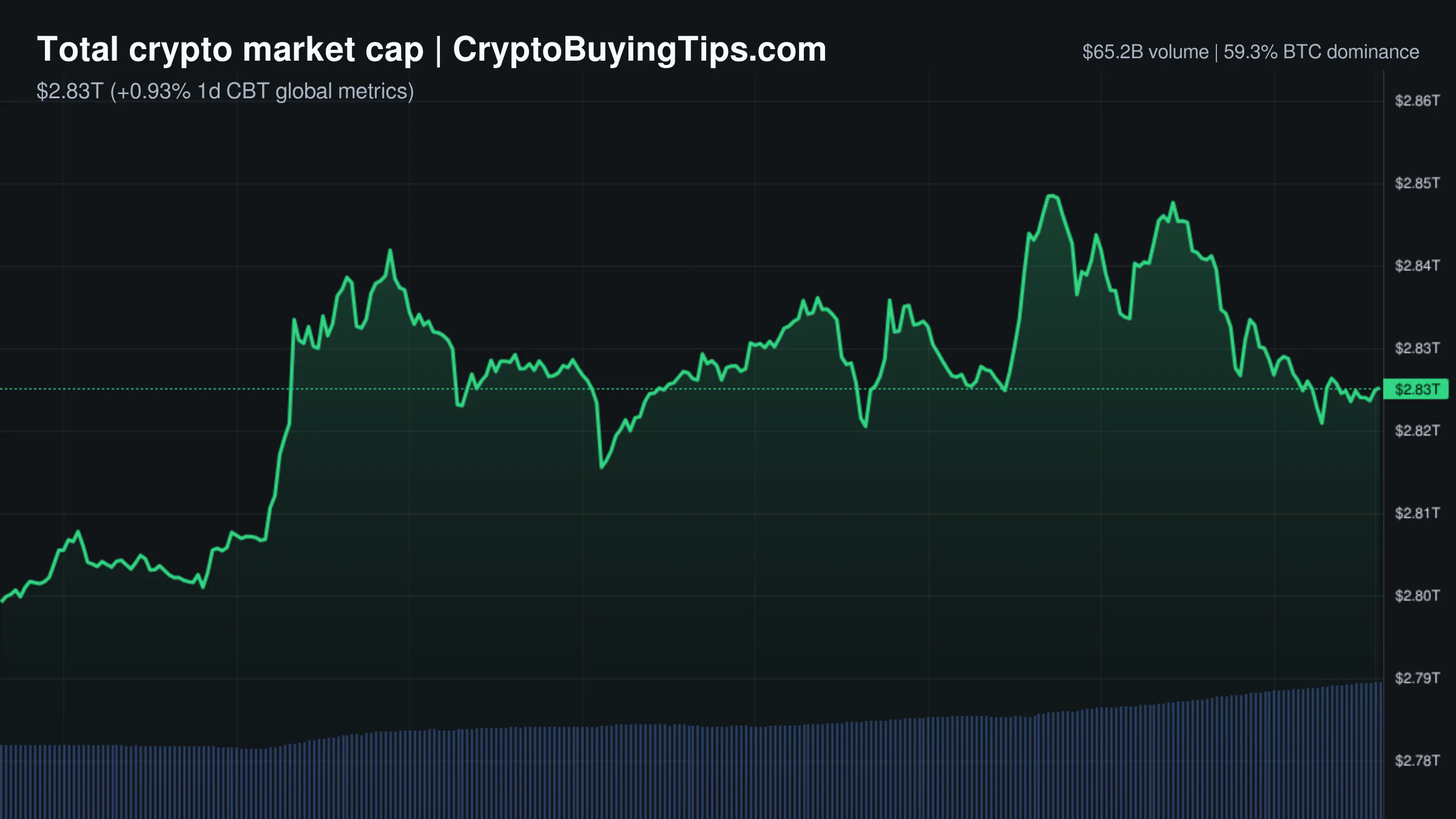
Crypto Market Overview | Derivatives volume surges amid banking integration and regulatory tension | October 12, 2026
Derivatives volume surges amid banking integration and regulatory tension, showing high activity but muted price action…

BTC and ETH ETFs are bleeding while XRP is the only institutional winner
The narrative suggests endless accumulation, yet ETF outflows signal that big players have paused their spending spree.…
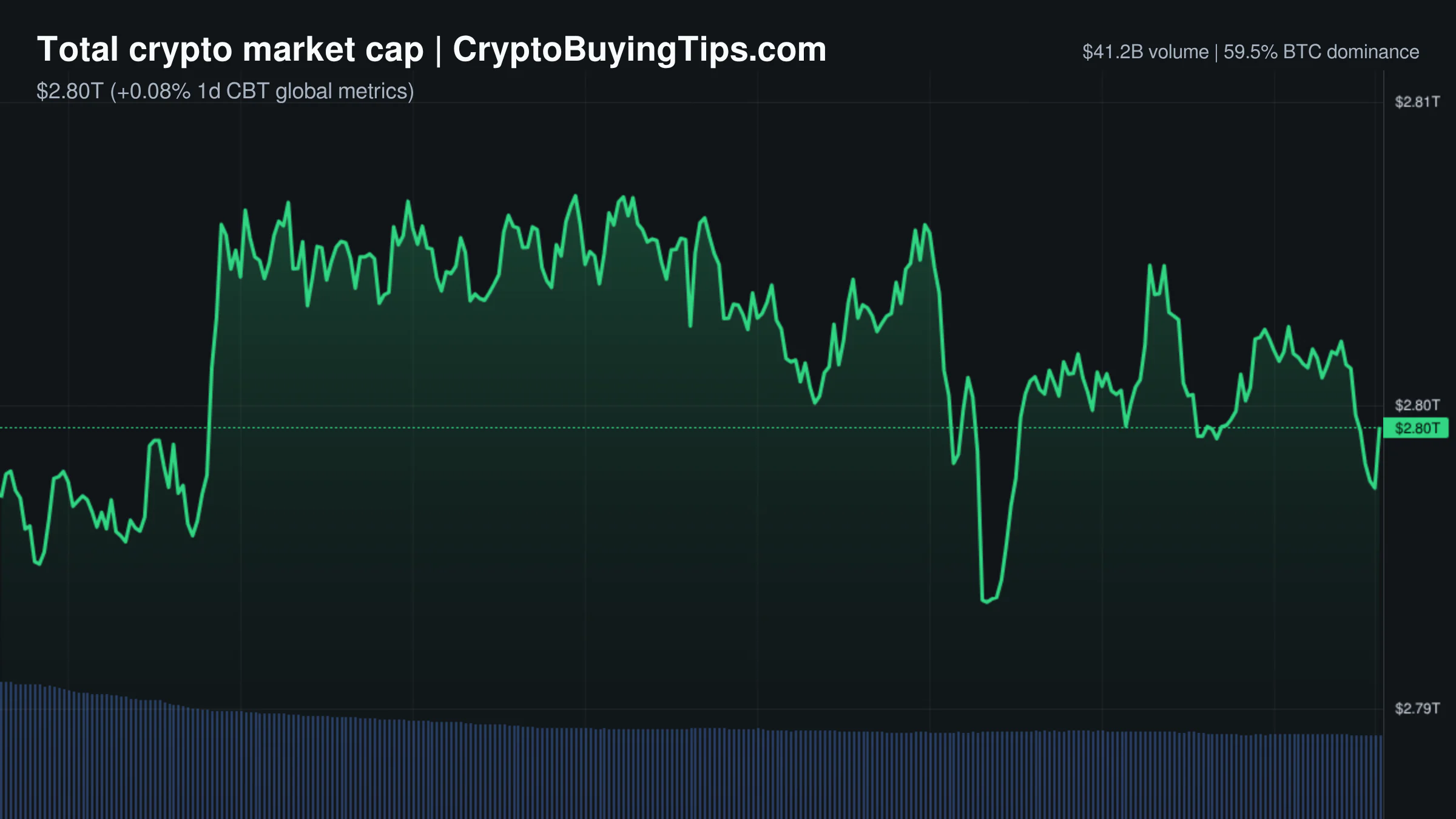
Crypto Market Overview | volume collapse amid regulatory focus on event contracts | October 11, 2026
Crypto market overview shows volume collapse amid regulatory focus on event contracts, with spot and derivatives…

StarkNet is ripping but the altcoin season narrative is a lie
StarkNet's recent surge has the usual crowd convinced an altcoin season has arrived; our data suggests this rally is…