
The CFTC just opened the door for US crypto perps and it changes everything
For years, if you lived in the US and wanted to trade perpetual futures, you had two choices: use a risky offshore exchange and hope you didn't get banned, or just stick to spot trading and miss out on the leverage. That just changed. The CFTC is finally letting regulated US firms offer perps, which is a massive structural shift for the market. For anyone who has been around long enough to remember the early days of DeFi, this is the "institutionalization" of the most popular trading tool in crypto. But before you jump in, you need to understand the mechanics, specifically how do crypto funding rates work step by step so you don't get liquidated by a hidden fee. We previously covered Coinbase Trust Charter Approval for more background.
What actually happened
The Commodity Futures Trading Commission (CFTC) has given the green light for regulated firms to provide perpetual swap contracts to US traders. To be clear, "perps" are just futures contracts that never expire. Unlike a traditional gold or oil contract that settles on a specific date, a crypto perp lets you hold a leveraged position indefinitely.
Until now, this was the Wild West. Most US traders were using platforms like Bybit or MEXC via a VPN or by ignoring terms of service. Now, the "big money" can move into these products through legal, regulated channels. We've seen this pattern before. We previously covered how Hyperliquid Perpetual Trading is attracting institutional interest, but this CFTC move makes it official for the entire regulated sector.
How do crypto funding rates work step by step
Since perps never expire, there is no natural point where the contract price meets the actual spot price of Bitcoin or Ethereum. To fix this, the industry uses a mechanism called "funding rates." If you're new to this, it's basically a payment sent between traders to keep the perp price pegged to the spot price.
Here is the breakdown of how it works in practice:
First, the exchange looks at the difference between the perp price and the spot price. If the perp price is higher than the spot price, the market is "long biased."
Second, the funding rate becomes positive. This means people who are Long (betting the price goes up) have to pay a fee to the people who are Short (betting the price goes down).
Third, this payment happens every few hours (usually every 8 hours). If you are holding a long position during a positive funding period, a small percentage of your position is deducted and given to the shorts.
Fourth, the opposite happens when the market is bearish. If the perp price is lower than the spot price, the funding rate goes negative. In this case, the shorts pay the longs.
I've seen beginners lose a huge chunk of their portfolio because they thought they were just paying a flat fee. In reality, during a massive bull run, funding rates can spike, and you can end up paying a significant amount just to keep your position open.
Why this is a double edged sword
On one hand, this is great for liquidity. When US institutions start trading perps legally, the order books get deeper. This means less slippage and more stability. It also means US traders can finally use professional risk management tools without fearing a sudden account freeze.
On the other hand, I'm skeptical about the "regulated" part of this. Regulation usually comes with a cost. Regulated US exchanges will likely charge higher fees than the offshore powerhouses. For example, I often use MEXC because they offer 0% maker fees on spot and futures, which is almost unheard of in a regulated US environment. I suspect US firms will try to capture the "safety premium" and charge a lot more for the same product.
The bigger picture
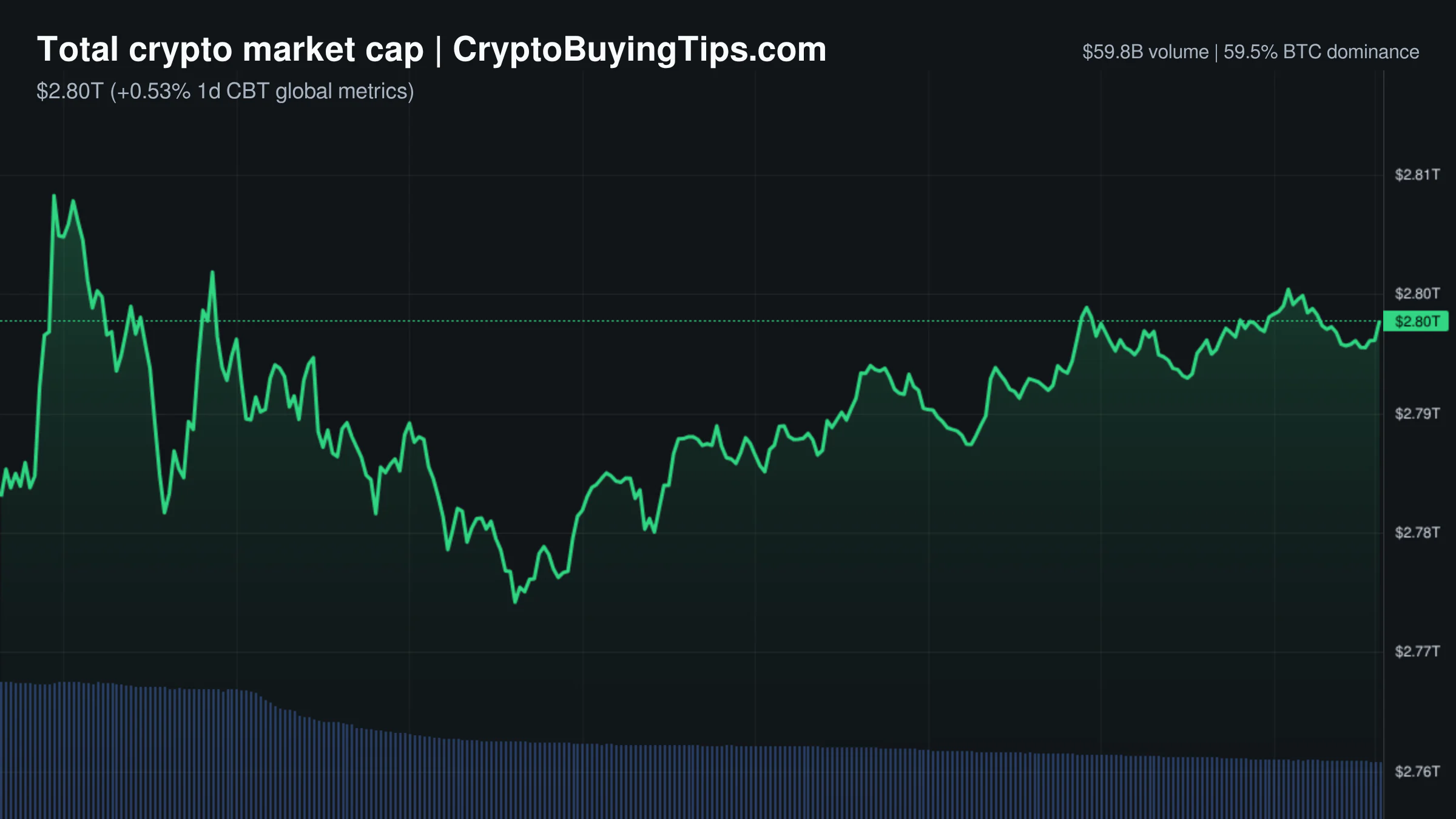
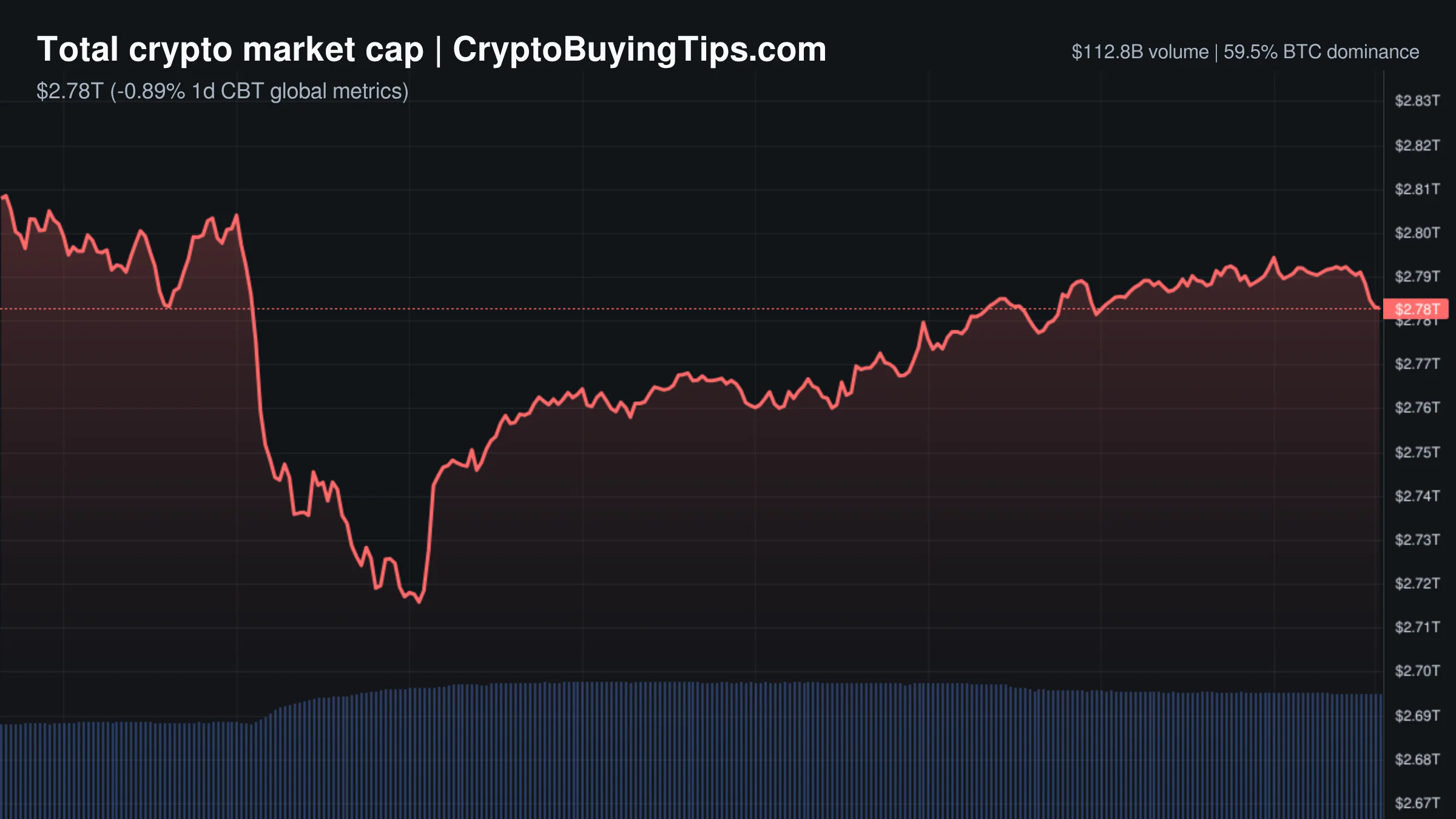
Looking at the current data, the market is in a state of "Fear" with a Fear & Greed Index of 33. Bitcoin dominance is sitting high at 59.52%, and volume is crashing across the board. This is a low conviction environment.
When you combine this bearish sentiment with the CFTC news, it tells me that the "smart money" is preparing for a more mature market. They aren't buying the top of a bubble; they are building the plumbing for the next cycle.
I think the real impact will be felt in how we see volatility. With more regulated perps, we will see more sophisticated hedging. This might actually dampen some of the wild 20% swings we're used to, which is a bit boring but probably healthier for the long term. But for now, keep an eye on those funding rates. If you see them spike while the market is in "Fear," it's a sign that a short squeeze might be coming.
Trade the news at our editorial-picked exchange: Gate
Some links in this article may be affiliate links. We may earn a commission at no extra cost to you — this never influences our analysis or coverage.

Sigrid Voss
Crypto analyst and writer covering market trends, trading strategies, and blockchain technology.
More Articles
Crypto Market Overview | Liquidity vanishes as spot volume drops while derivatives remain bloated | October 10, 2026
Spot volume drops while derivatives remain bloated in today's crypto market overview; see what our data shows about…

HSBC is building AI payment rails while OpenAI war-games a catastrophe
The financial world seems to be installing high-end pipes while simultaneously rehearsing for an earthquake.…
Crypto Market Overview | Volume surges amid regulatory friction and institutional accumulation | October 9, 2026
Crypto market overview shows volume surging amid price dips; see how institutional accumulation contrasts with…

Ethereum gas fees are at a standstill. Here is why that is actually a warning
The quiet cost of transactions on Ethereum might feel like a bargain for beginners. Our read is that persistently low…