
The DOJ just said code is not a crime. Here is why developers can finally breathe
For years, the biggest fear for anyone building in Web3 wasn't a bug in the code or a liquidity crunch, but a knock on the door from the US government. The ambiguity was suffocating. If you wrote a piece of software that someone else used to break the law, were you an accomplice or just a programmer? For a long time, the answer felt dangerously unclear, leaving many to wonder is writing smart contracts illegal in US jurisdictions if the protocol eventually gets used for money laundering. The Department of Justice (DOJ) just provided a massive amount of clarity, and it is the most important regulatory win we've had in years.
What happened
The DOJ has effectively pivoted its stance on developer liability. In a series of recent legal interpretations and guidance, the department has signaled that writing open-source code is not, in itself, a criminal act. This means that the act of publishing a smart contract to a blockchain, even if that contract enables financial transactions that the government dislikes, does not make the developer a criminal.
This is a direct response to the "Tornado Cash" era of enforcement, where the line between "creating a tool" and "operating a business" became blurred. The DOJ is now distinguishing between the person who writes the code and the person who manages the front-end or controls the funds. If you aren't running the operation, you aren't the target.
Why this matters
I've been following this space since 2019, and I can tell you that the "chilling effect" was real. I've talked to developers who stopped contributing to certain projects because they were terrified that a line of Solidity could be interpreted as "conspiracy to commit money laundering." When the government treats math as a crime, innovation stops.
This shift changes the structural safety of the entire industry. It separates the protocol from the interface. If the DOJ accepts that code is speech, it protects the fundamental right to build. It means we can move away from the era of "regulation by enforcement" and toward a world where developers can actually experiment without needing a legal team on retainer for every commit.
Of course, this isn't a total get-out-of-jail-free card. If you're actively managing a protocol, taking a cut of the fees, and helping users bypass sanctions, you're still in the crosshairs. But for the pure builders, the air just got a lot thinner.
The risk of the "interface" trap
While the core code is now safer, the "interface" is where the danger still lives. The government has realized that it's hard to arrest a decentralized piece of code, but it's very easy to arrest the person running the website that lets people interact with that code.
This is why I always tell my friends to be careful about how they deploy. The "code is not a crime" logic applies to the smart contract on the chain. But if you build a flashy website and market it as a way to hide money, you've moved from "developer" to "operator." That is a distinction that will likely define the next wave of crypto lawsuits.
My take on the path forward
I'm cautiously optimistic. I don't trust the government to stay consistent, but this is a step toward sanity. For too long, the US has tried to apply 1930s financial laws to 21st-century cryptography. Acknowledging that writing a smart contract isn't a crime is simply acknowledging reality.
However, as the legal risk for developers drops, the focus will shift to custody and control. If you're moving into DeFi, you need to be obsessed with where your keys are. I've seen too many people leave their assets on exchanges only to find they can't move them during a regulatory crackdown. I personally use a Ledger Nano Gen5 because it's the most affordable way to get a secure touchscreen interface while keeping my private keys completely offline. It's a small price to pay for not having to worry about whether an exchange's legal team is suddenly freezing accounts based on a new DOJ memo.
What I'm watching next
I'm keeping a close eye on how the SEC reacts to this. The DOJ and SEC don't always speak the same language. While the DOJ might agree that code isn't a crime, the SEC might still argue that the token used to govern that code is an unregistered security.
The real test will be the next major DeFi exploit or "mixer" case. If the DOJ sticks to this principle when the political pressure is high, we'll know this was a genuine shift in policy and not just a temporary lull. Until then, keep building, but keep your interfaces decoupled from your core logic.
Some links in this article may be affiliate links. We may earn a commission at no extra cost to you — this never influences our analysis or coverage.

Sigrid Voss
Crypto analyst and writer covering market trends, trading strategies, and blockchain technology.
More Articles
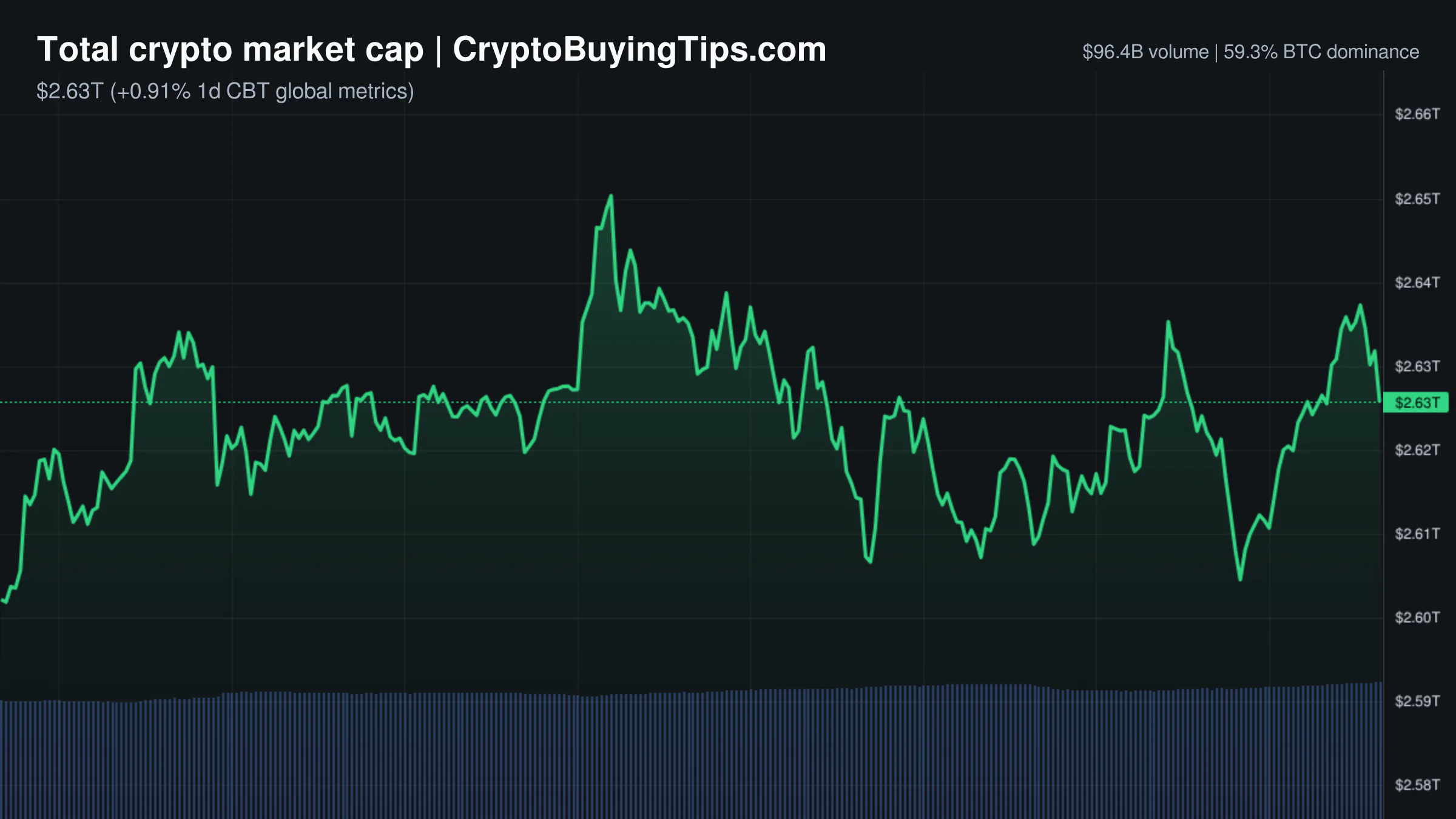
Crypto Market Overview | Leverage-driven rally amid strong ETF inflows as BTC targets 80k | August 24, 2026
Leverage-driven rally sees BTC near 80k amid strong ETF inflows; see our market overview on current crypto dynamics.

Derivatives volume is 8x higher than spot. Here is why that is a warning
The market's current price action seems to be driven by bets rather than cash; with derivatives volume eight times…
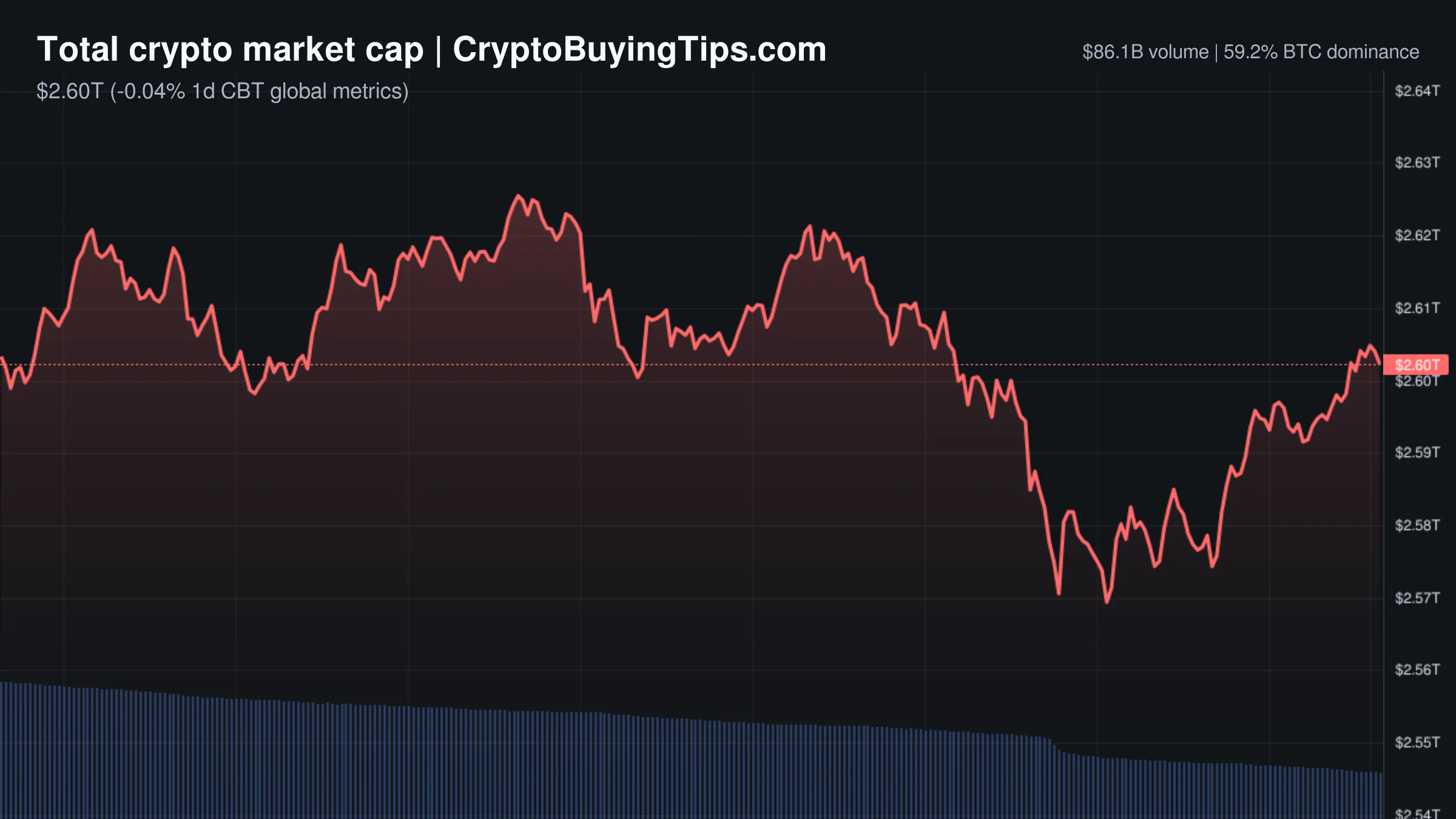
Crypto Market Overview | volume collapses as greed persists amid regulatory friction | August 23, 2026
Volume collapses as greed persists amid regulatory friction; see our market overview on crypto's current state and key…

Brussels is coming for DeFi vaults and the market is ignoring the risk
Brussels seems to think "decentralized" is just an aesthetic choice for now. Our read suggests MiCA regulation isn't…