
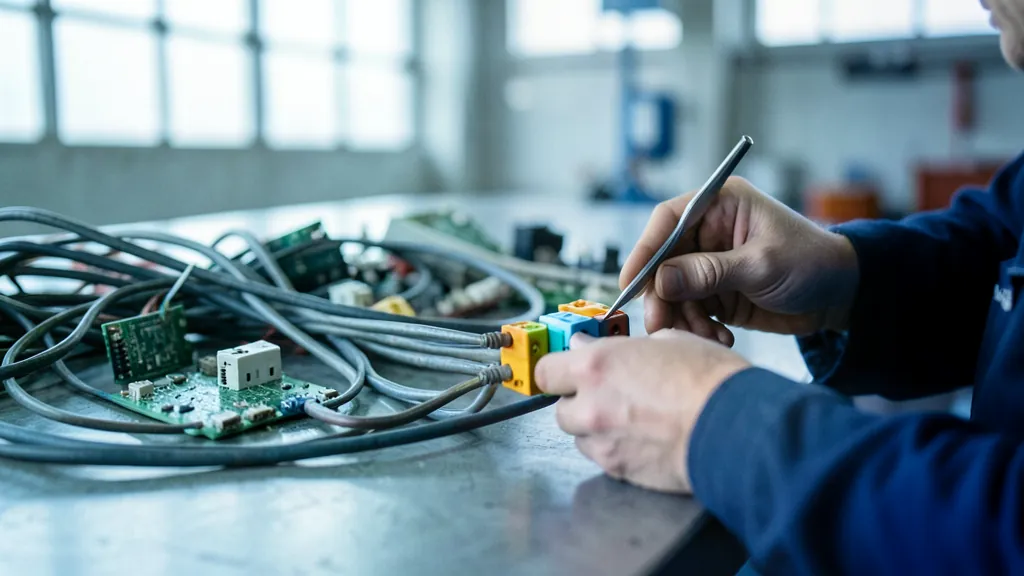
Three bridges just got exploited. Here is why the 'safe' L2 narrative is breaking
The fact that three major crypto bridges have been exploited recently forces us to question whether network utility is outpacing security stability. For years, the industry has pushed a narrative that Layer 2s and cross-chain bridges are the "safe" way to scale, but the simultaneous failure of Taiko, Secret Network, and the stress on Altura vaults suggests a systemic crack. If you are wondering why are crypto bridges being exploited despite countless audits and "proven" security models, the answer usually lies in the gap between code and trust.
Why are crypto bridges being exploited?
Exploits on cross-chain infrastructure reveal a fundamental weakness in the current L2 narrative: a heavy reliance on trust assumptions rather than provable security. Most bridges operate by locking assets on one chain and minting a "wrapped" version on another. This creates a massive honey pot of concentrated custody, which marketgeeks.co identifies as one of the most dangerous systemic risk points in the market.
Our news scoring system rated this story high for impact because these aren't just isolated bugs. They are failures of the "magic portal" logic. When a bridge relies on a small set of validators or a specific oracle to verify that funds were locked, a single point of failure is introduced. If those validators are compromised or the oracle provides bad data, the bridge can be tricked into minting assets out of thin air. We've seen this pattern before, and as we previously covered, cross-chain bridge security risks remain a recurring nightmare because the attack surface grows every time a new "seamless" interoperability layer is added.
The gap between low gas fees and systemic risk
There is a strange irony in the current market state. While we are seeing a cluster of security failures, the Ethereum network itself is ghost-town quiet. ETH gas fees are sitting at a record low of 0.1 Gwei. To a casual observer, this looks like a peaceful period of network efficiency. To us, it masks a dangerous divergence.
Low gas fees mean there is very little on-chain congestion, but the "plumbing" of the ecosystem is still under immense stress. The Altcoin Season Index is currently at 82/100, suggesting a massive rotation into riskier assets. This rotation often happens via the very bridges that are currently breaking. When users rush into new L2s or alt-ecosystems to chase yields, they increase the liquidity in these bridges, making them more attractive targets for hackers. A quiet L1 does not mean the L2s are safe; it just means the disaster is happening in the side-streets.
What the data says about capital flow
The public narrative is currently split between "institutional adoption" and "retail panic." The Fear & Greed Index is at 22, which is deep in the fear zone. Yet, we see institutional players like Morgan Stanley moving forward with SOL ETFs filing details.
But the raw market structure tells a more cautious story. BTC dominance is currently 56.217767751678416, which indicates that capital is not flowing into the "innovative" L2s or bridges as much as the hype suggests. Instead, money is retreating to the safety of the king. Our signal scanner flagged the recent pattern of exploits as a significant risk indicator, suggesting that the market is starting to price in the fragility of the multi-chain thesis.
The reality is that high adoption rates for interoperability protocols often increase the attack surface. As kensoninvestments.com notes, validator risks and oracle manipulation are the primary culprits. If a bridge is "too big to fail" but relies on a centralized validator set, it isn't a decentralized protocol; it is just a bank with a different name and worse security.
What we are watching next
We are not calling for a total exodus from L2s, but we are done pretending that "wrapped" assets are as safe as the originals. The bridge is the weakest link in the chain, and the current cluster of exploits proves that the industry is still solving the same problems it faced in 2022.
We are keeping a close eye on the stability of the remaining major bridges and any further shifts in BTC dominance. If the "safe L2" narrative continues to break while the Altcoin Season Index remains high, we expect a violent correction in how the market values interoperability tokens. For now, the data suggests that the most "innovative" part of the system is also the part most likely to lose your money.
Some links in this article may be affiliate links. We may earn a commission at no extra cost to you — this never influences our analysis or coverage.

Sigrid Voss
Crypto analyst and writer covering market trends, trading strategies, and blockchain technology.
More Articles
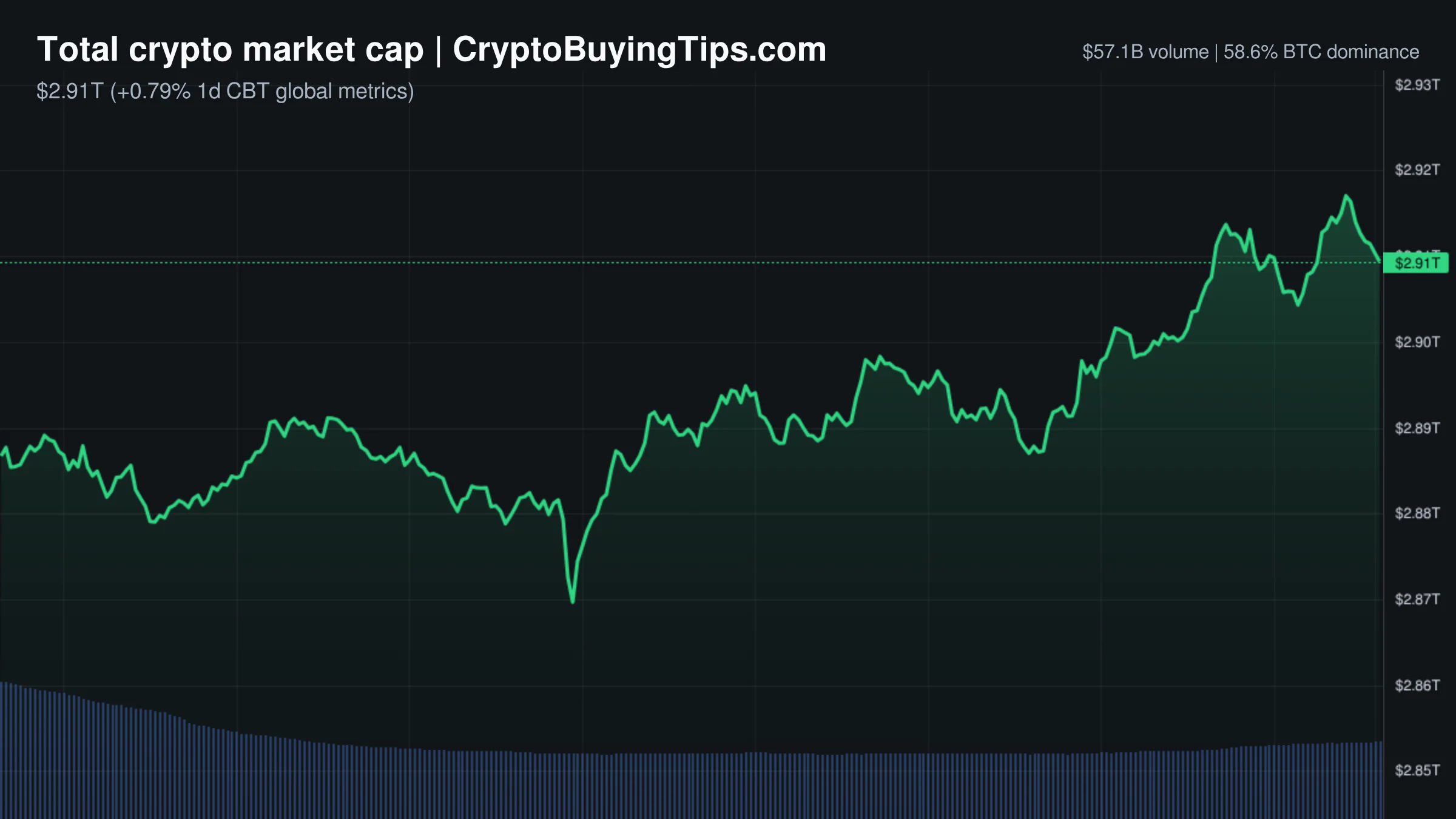
Crypto Market Overview | Institutional inflows drive prices despite collapsing trading volume | September 27, 2026
Institutional inflows drive crypto prices despite low volume; see our market overview on BTC, ETH, and altcoin shifts…
Quant is ripping 74% and the AI rotation is finally here
The market seems to have forgotten how volume works; meanwhile, Quant has decided it's time for its solo performance.…
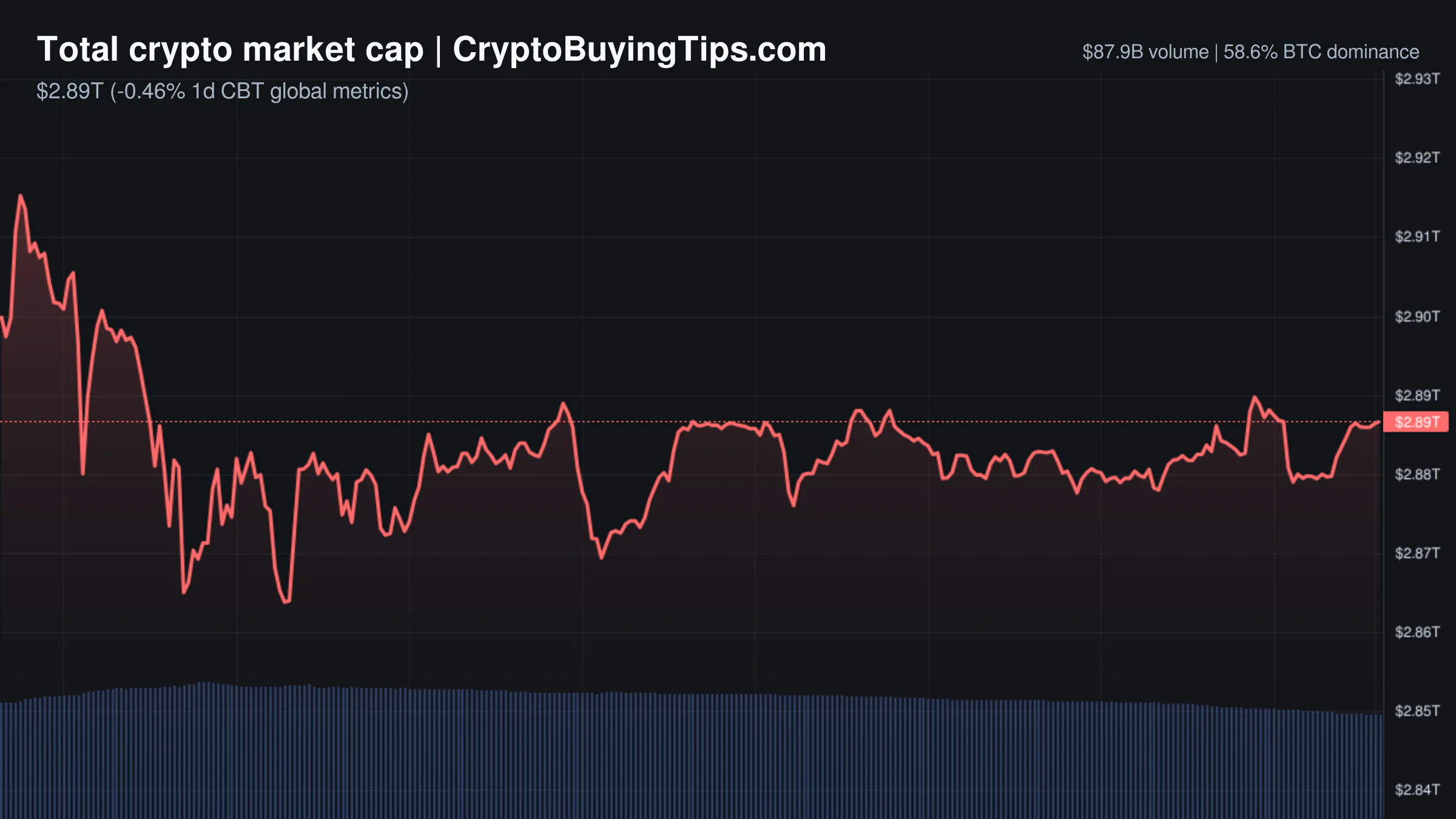
Crypto Market Overview | Greed index high amid cooling derivatives volume and stablecoin dominance at 8.94% | September 26, 2026
The crypto market overview reveals high greed despite cooling derivatives volume; see how stablecoin dominance at 8.94%…

Aave is letting you borrow USDC against Nvidia stocks and the crypto-only era is over
The crypto world has finally moved past merely displaying stock tickers on a ledger. Aave V4's Equities Hub is enabling…