
Todd Blanche as Interim AG: What His Crypto Stance Means for Regulation
The Fear & Greed Index sits at 28 right now, firmly in "Fear" territory. But here's what's interesting: the single biggest regulatory shift in years just happened, and the market hasn't priced it in yet. Todd Blanche, now interim Attorney General, just dismantled the DOJ's crypto enforcement apparatus with a single memo. If you're wondering will the US government stop crypto crackdown operations, the answer is more complicated than a simple yes or no.
What happened
On his first day as interim AG, Todd Blanche signed a memo that essentially told federal prosecutors to stand down on crypto cases. The National Cryptocurrency Enforcement Team, which had been building cases against exchanges, protocols, and individuals, was disbanded. Prosecutors were ordered to stop pursuing cases based solely on regulatory violations, meaning the days of charging crypto firms for operating without proper licenses appear to be over.
This isn't random. Blanche isn't some neutral bureaucrat. He personally disclosed holding Bitcoin, Ethereum, Solana, and Cardano in his financial filings. I've covered regulatory appointments for years, and I can't recall another instance where an AG had direct exposure to the assets they're now overseeing.
The memo specifically targeted what it called "regulation by enforcement." That's the practice where agencies sue first and provide guidance never. It's how we ended up with cases like the Ripple lawsuit, dragged out for years with no clear rules emerging. Blanche called it what it was: government overreach that punished innovation without protecting anyone.
Will the US government stop crypto crackdown enforcement?
The short answer: the DOJ side is done. But the SEC and CFTC are separate agencies, and Blanche's memo doesn't bind them.
What does change immediately is the criminal prosecution angle. The DOJ was the heavy artillery in the government's crypto enforcement strategy. They could bring wire fraud charges, money laundering allegations, and criminal conspiracy counts. Without that threat hanging over the industry, crypto firms can operate with less fear of federal agents knocking on their doors.
But here's what I'm thinking about: the SEC civil cases don't need DOJ involvement. The CFTC can still pursue commodities fraud. What Blanche did was remove the nuclear option, not the conventional weapons.
Why this matters right now
Look at the Fear & Greed reading again. Twenty-eight. That's fear territory, and it's been hovering there for weeks. Part of what's kept institutional money on the sidelines is regulatory uncertainty. I remember covering the aftermath of the 2008 crash, watching banks freeze up because they didn't know what rules would apply tomorrow. Crypto has been in that limbo state for years.
The total market cap sits at $2.51 trillion, with Bitcoin dominance effectively flat. The Altcoin Season Index reads 52, which is neutral territory. Money isn't rotating aggressively in either direction. It's waiting.
Blanche's appointment changes the calculus. Not because it solves everything, but because it signals that the administration's approach has shifted. When an AG with crypto holdings disbands the enforcement team, that's not subtle. It's a deliberate policy reversal.
What I'm watching next
The real test comes with permanent appointments. Blanche is interim. The question is whether his memo survives beyond his tenure, or whether it gets codified into actual policy.
I'm also watching how the SEC responds. If the administration wanted a coherent crypto policy, they'd appoint someone who coordinates with Blanche's DOJ approach rather than working at cross-purposes.
For now, if you're holding crypto, this is genuinely good news. The criminal enforcement risk just dropped significantly. If you're looking to trade during this regulatory transition, I've found Bybit to be one of the more reliable platforms. Their compliance team has navigated multiple jurisdictions without the operational disruptions we've seen elsewhere.
The bottom line: the crackdown isn't over, but the crackdown's teeth just got pulled. That matters more than the market's current fear suggests.
Some links in this article may be affiliate links. We may earn a commission at no extra cost to you — this never influences our analysis or coverage.

Sigrid Voss
Crypto analyst and writer covering market trends, trading strategies, and blockchain technology.
More Articles

Fidelity outflows and Ethereum OG dumps suggest a hidden exit
Another day of market data suggesting everything is fine until you look at the outflows and OG dumping. Institutional…
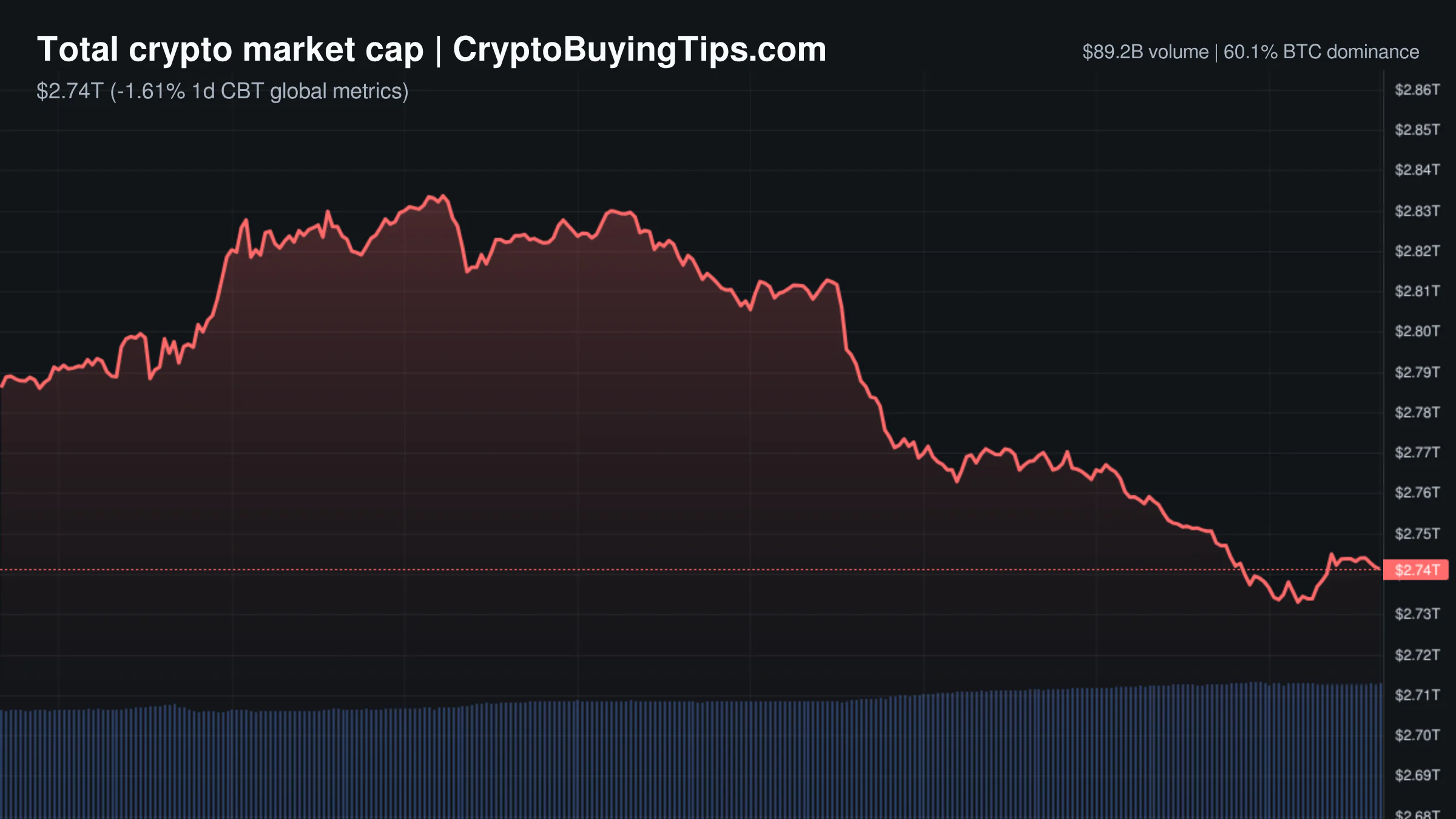
Crypto Market Overview | Leveraged bets surge amid regulatory clarity and institutional inflows | October 22, 2026
The market shows divergence between spot interest and leveraged bets amid regulatory clarity; see our overview here.

Volume is surging but prices are flat. Here is where the trigger is
Volume spikes while prices remain stubbornly flat; this divergence suggests an underlying battle between leveraged…
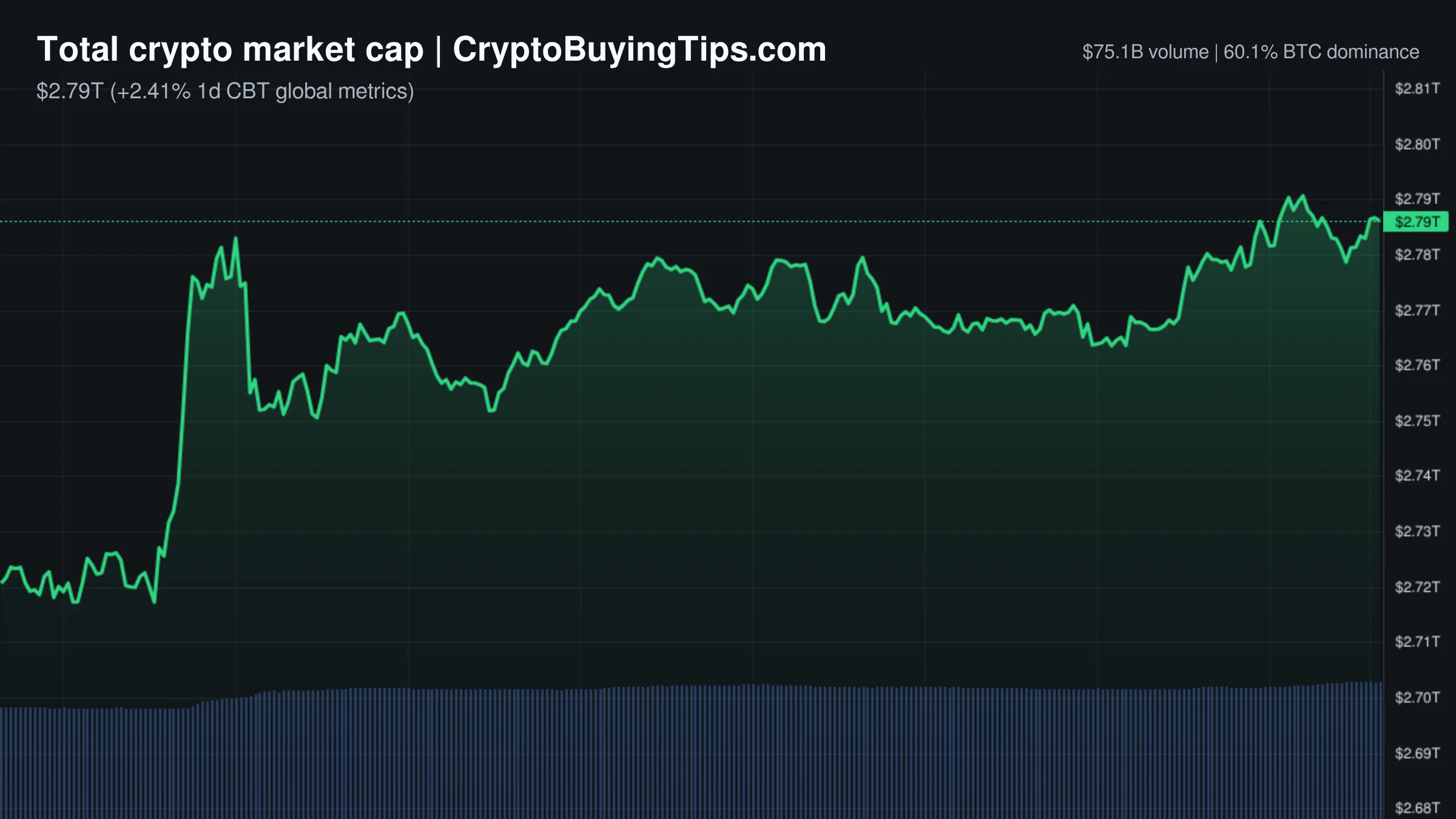
Crypto Market Overview | Leveraged speculation drives gains amid European regulatory uncertainty | October 21, 2026
Leveraged speculation drives crypto gains amid European regulatory uncertainty; see our market overview on BTC and ETH…