
Vitalik just got front-run by a bot. Here is why your Ethereum swaps are actually risky
If the creator of Ethereum can get played by a bot, you definitely can too. Vitalik Buterin recently got hit by a sandwich attack from a bot named JaredfromSubway, and while Vitalik has the funds to shrug it off, most of us don't. This is a wake-up call for anyone using decentralized exchanges. If you're wondering how to prevent mev front running, you need to understand that the "dark forest" of the Ethereum mempool is where your profits go to die.
The short answer
MEV, or Maximal Extractable Value, happens when bots scan the network for pending transactions and jump in front of yours to manipulate the price. They buy the asset right before you do, pushing the price up, and then sell it immediately after your trade executes. You get a worse price, and the bot pockets the difference.
How it actually works
When you hit "swap" on a DEX like Uniswap, your transaction doesn't happen instantly. It goes into a waiting room called the mempool. This is a public space where every validator and bot can see exactly what you're trying to do, how much you're buying, and what "slippage" you've set.
Slippage is the percentage price movement you're willing to accept. If you set it to 1%, you're telling the network, "I'll take this asset even if the price rises by 1% before my trade finishes."
Bots like JaredfromSubway see this. They use a three-step process called a sandwich attack:
- They see your pending buy order.
- They place their own buy order with a higher gas fee, so the validator processes them first. This spikes the price.
- Your trade goes through at the now-inflated price.
- The bot immediately sells their tokens back into the pool, capturing the profit.
It's a predatory cycle that turns the transparency of the blockchain into a weapon against the user.
Where people get tripped up
The biggest mistake I see beginners make is cranking up the slippage to 5% or 10% just to make a trade "go through" during high volatility. I've done it myself in the past when I was desperate to get into a new token.
When you do that, you aren't just fighting market volatility. You're basically leaving a giant "rob me" sign on your transaction. A bot doesn't need to move the price by 0.1% to make money; they can push it right up to your 10% limit, and you'll execute the trade at a massive loss compared to the actual market rate.
Another misconception is that using a hardware wallet protects you from this. It doesn't. A wallet like the Ledger Nano X is amazing for keeping your private keys offline and preventing your funds from being drained by a phishing site, but it doesn't change how the Ethereum mempool works. Once you sign a transaction and send it out, the bot doesn't care where your keys are stored; they only care about the trade you're making.
Putting it into practice
You can't stop MEV entirely, but you can make yourself a less attractive target. Here is how I handle my swaps now.
First, stop using high slippage. Keep it as low as possible. If a trade fails, try increasing it by 0.1% or 0.5% increments rather than jumping to 5%.
Second, use "Private RPCs." Instead of sending your transaction to the public mempool, you can use services like Flashbots Protect. These route your transaction directly to a validator, bypassing the public waiting room. If the bot can't see your trade, they can't sandwich you. You can usually change this in your MetaMask settings under the network configuration.
Lastly, if you're trading large sums, don't do it in one giant swap. Breaking a trade into smaller pieces makes the potential profit for the bot smaller, which sometimes makes your transaction less appealing to the high-frequency algorithms.
The reality is that DeFi is a bit of a wild west. We're told the code is law, but the law in the mempool is "the fastest bot wins." Be careful out there.
Trade the news at our editorial-picked exchange: Gate
Related Tickers
Some links in this article may be affiliate links. We may earn a commission at no extra cost to you — this never influences our analysis or coverage.

Sigrid Voss
Crypto analyst and writer covering market trends, trading strategies, and blockchain technology.
More Articles
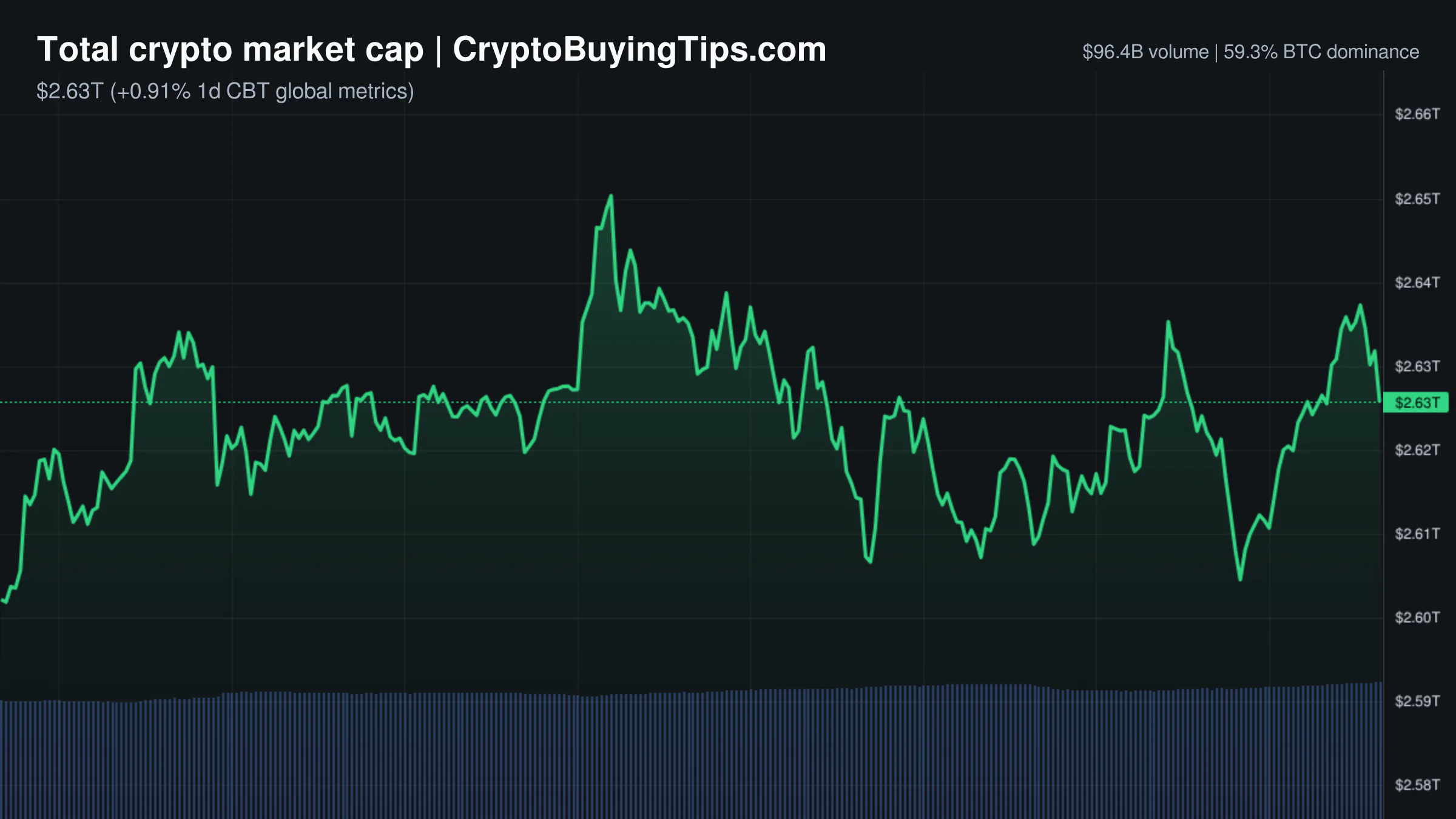
Crypto Market Overview | Leverage-driven rally amid strong ETF inflows as BTC targets 80k | August 24, 2026
Leverage-driven rally sees BTC near 80k amid strong ETF inflows; see our market overview on current crypto dynamics.

Derivatives volume is 8x higher than spot. Here is why that is a warning
The market's current price action seems to be driven by bets rather than cash; with derivatives volume eight times…
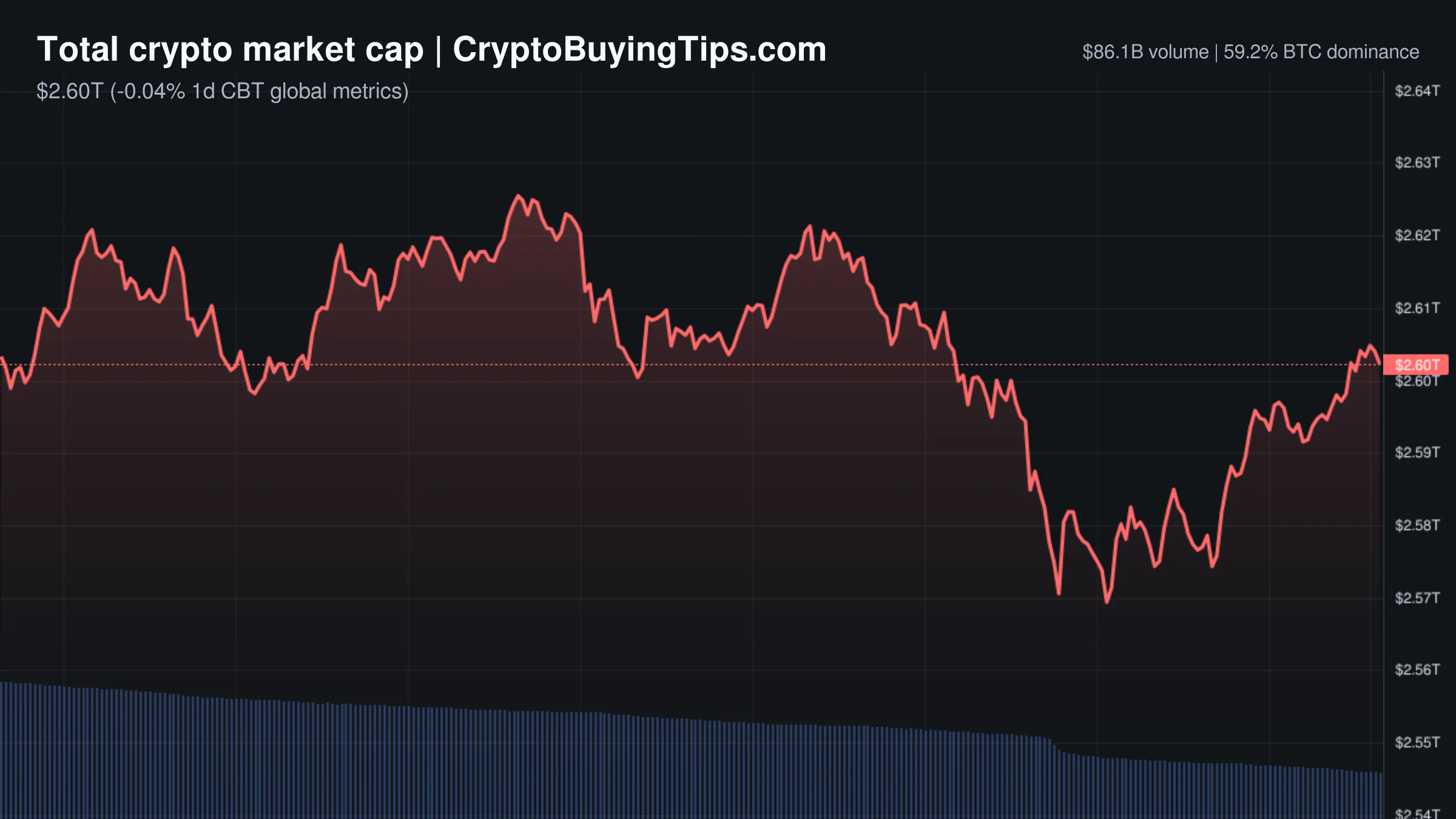
Crypto Market Overview | volume collapses as greed persists amid regulatory friction | August 23, 2026
Volume collapses as greed persists amid regulatory friction; see our market overview on crypto's current state and key…

Brussels is coming for DeFi vaults and the market is ignoring the risk
Brussels seems to think "decentralized" is just an aesthetic choice for now. Our read suggests MiCA regulation isn't…