

Western Union is moving to Solana. Here is why the remittance game just changed
If you have ever sent money across a border, you know the pain. You deal with predatory exchange rates, hidden fees, and a waiting period that feels like it takes a decade. For years, people have searched for the best stablecoins for international money transfers to bypass these legacy bottlenecks, but the barrier to entry was always too high for the average person. Now, Western Union is launching a stablecoin on Solana. This is a massive shift because it takes the tech out of the "crypto bro" bubble and puts it into the hands of millions of people who just want to send money home without getting robbed by a bank.
The bigger picture
Western Union is a legacy giant. They have the licenses, the physical locations, and the trust of people who don't know what a seed phrase is. By choosing Solana, they are betting on speed and low costs. I have been following the Solana ecosystem since 2019, and while the network outages in the past were a headache, the sheer throughput is exactly what a global payment system needs.
This isn't just another "tokenization" project. It is a direct attack on the inefficiency of the SWIFT system. When you combine Western Union's global reach with Solana's near-instant finality, the traditional remittance model starts to look like a dinosaur. We are seeing a move where the "on-ramp" and "off-ramp" are handled by a company that already exists in every major city.
The data behind the move
The timing here is interesting. The current market is in a neutral phase with a Fear and Greed Index of 50/100. Bitcoin dominance is high at 60.72%, which means most of the institutional money is still parked in BTC. However, the real growth for the next cycle will come from utility.
Stablecoins are the bridge. While the total market cap is at $2.69T, the actual volume of stablecoins has seen some volatility recently. But a partnership with a company that handles billions in remittances adds a level of "real world" volume that DeFi cannot touch. If even a fraction of Western Union's volume moves onto the Solana blockchain, the network activity will spike.
What this changes for the average user
For most people, this means they don't have to learn how to use a DEX or worry about slippage. They use a Western Union interface, and the backend uses a stablecoin to move the value. It is the "invisible crypto" phase that I have been waiting for.
But there is a trade-off. I have a mixed feeling about this. On one hand, it is great for adoption. On the other, this is a centralized stablecoin. It is not the permissionless, censorship-resistant dream that early crypto adopters fought for. This coin will be fully compliant, which means it can be frozen or tracked. Given the recent focus on the Clarity Act and US Treasury oversight, this is inevitable. We are trading some privacy for massive usability.
My take on the risks
I am still skeptical about how much "decentralization" actually remains when the biggest players move in. If Western Union and other giants dominate the stablecoin space, the network becomes a faster version of the current banking system.
That said, for the person sending $200 to their family in another country, they don't care about the philosophy of decentralization. They care that the money arrives in seconds and they didn't lose 7% to a middleman.
If you are starting to move your own funds into stablecoins or SOL to capitalize on this trend, I suggest getting your assets off an exchange. I use a Ledger Nano Gen5 because it is an affordable way to get a secure touchscreen interface without spending $400 on a premium model. It is the best way to make sure you actually own your keys while the big institutions build their fences.
Bottom line
Western Union on Solana is a signal that the "experiment" phase of crypto is over. We are now in the implementation phase. I expect other remittance providers to follow suit quickly. The competition will either force fees down for everyone or it will lead to a completely corporate-owned version of the blockchain. Either way, the days of waiting three business days for a wire transfer are numbered.
Some links in this article may be affiliate links. We may earn a commission at no extra cost to you — this never influences our analysis or coverage.

Sigrid Voss
Crypto analyst and writer covering market trends, trading strategies, and blockchain technology.
More Articles
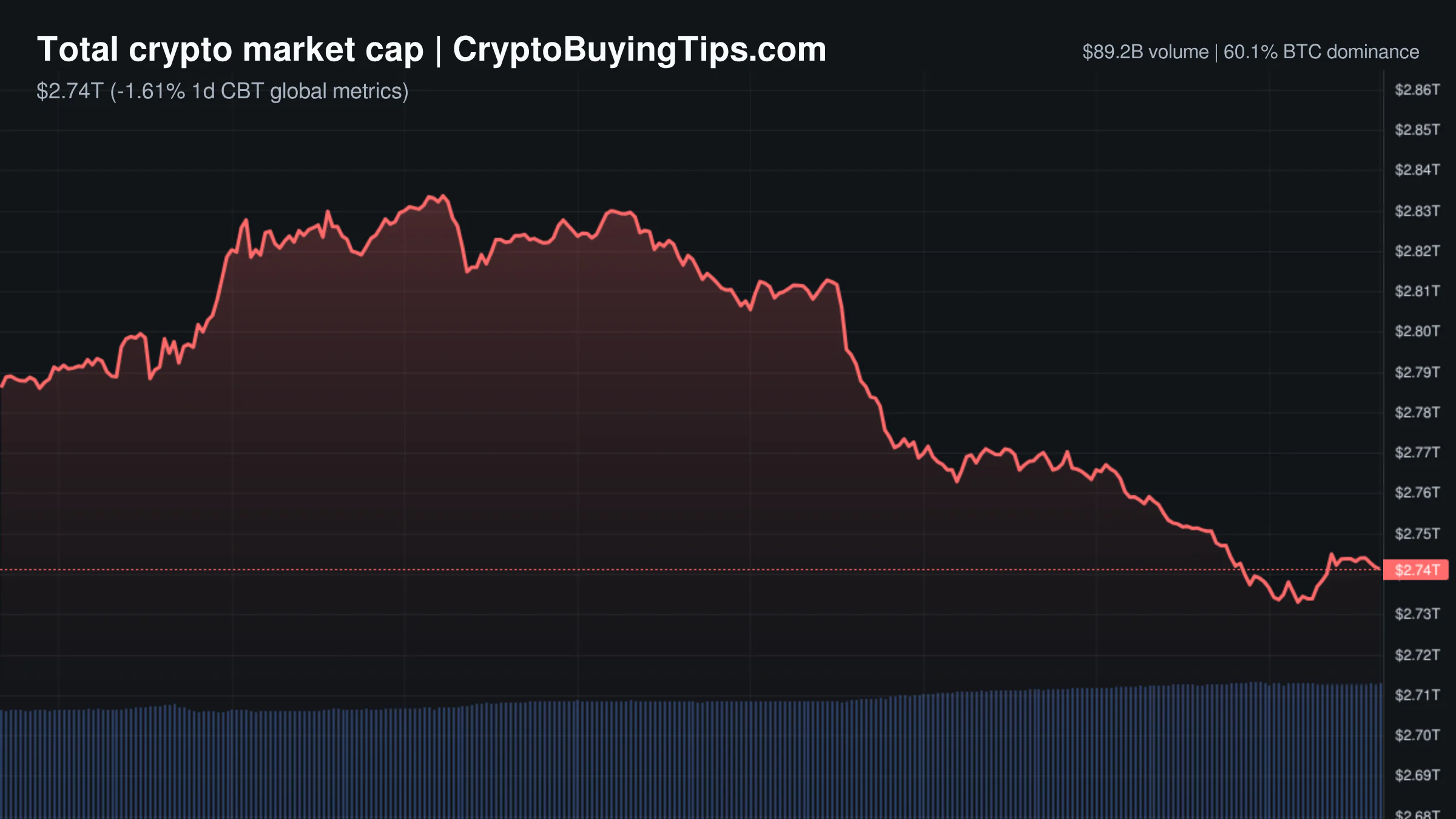
Crypto Market Overview | Leveraged bets surge amid regulatory clarity and institutional inflows | October 22, 2026
The market shows divergence between spot interest and leveraged bets amid regulatory clarity; see our overview here.

Volume is surging but prices are flat. Here is where the trigger is
Volume spikes while prices remain stubbornly flat; this divergence suggests an underlying battle between leveraged…
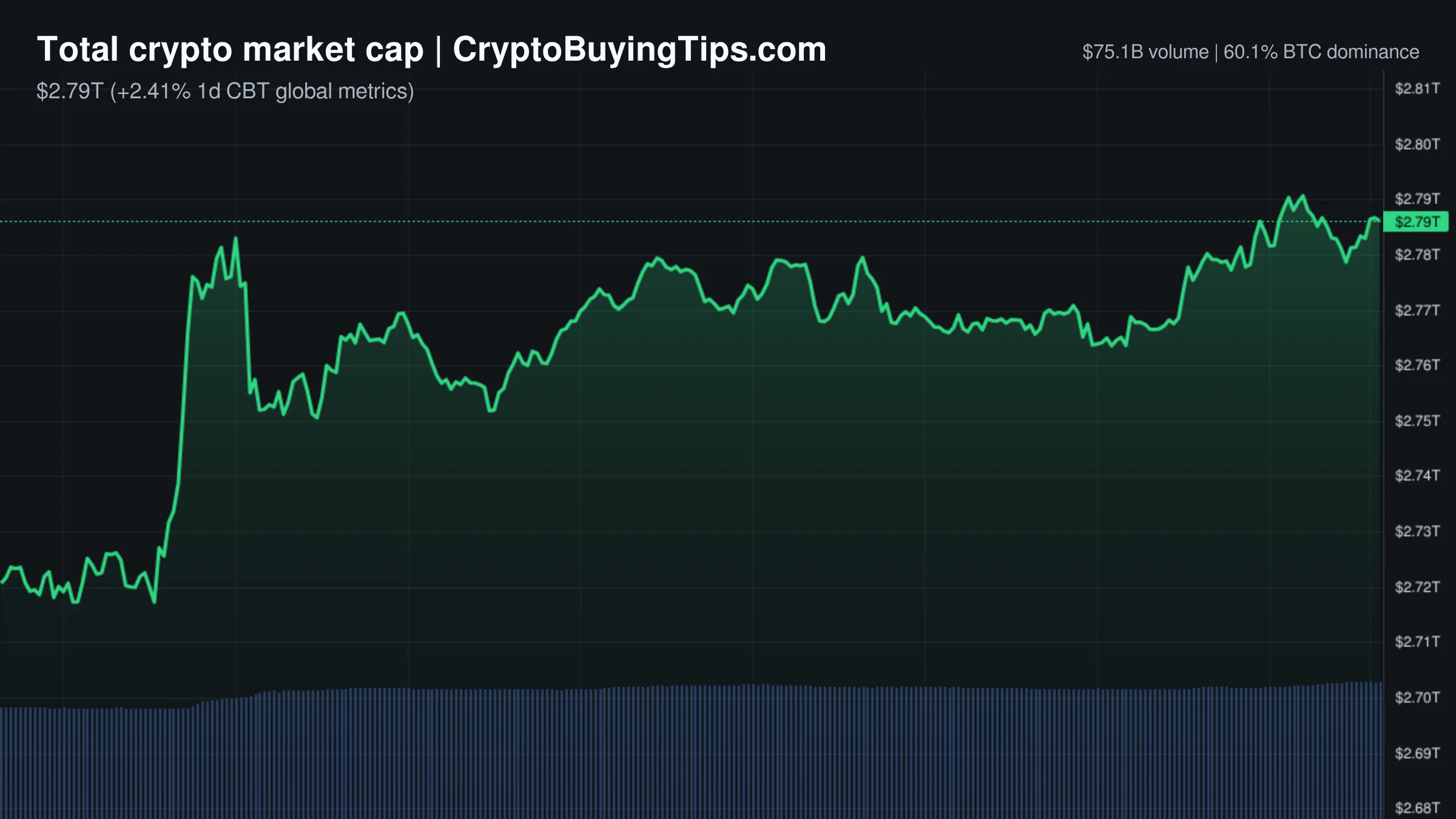
Crypto Market Overview | Leveraged speculation drives gains amid European regulatory uncertainty | October 21, 2026
Leveraged speculation drives crypto gains amid European regulatory uncertainty; see our market overview on BTC and ETH…

Compound is up 21% and DeFi volume is surging. The rotation is here
The market is behaving with all the excitement of an accountant's quarterly report, but DeFi primitives are showing…