
Bitcoin options are hitting the Nasdaq and it changes how the big players trade
The arrival of Bitcoin options on the Nasdaq is a massive shift in how the market actually functions. For most of us, trading is simple: you buy a coin and hope it goes up. But for the institutional giants, the goal is often about managing risk or betting on volatility without actually owning the asset. If you are new to this, you might be wondering about the difference between bitcoin spot and options, and why a move by a traditional stock exchange matters to someone holding BTC in a private wallet. We previously covered Value-Accumulation Zone for more background.
The difference between bitcoin spot and options
To put it simply, spot trading is when you buy the actual Bitcoin. You pay the current price, you own the coin, and you can move it to a hardware wallet. If Bitcoin goes up 10%, your holdings are worth 10% more. It is straightforward.
Options are different. An option is a contract that gives you the right, but not the requirement, to buy or sell Bitcoin at a specific price by a specific date. You aren't buying the coin itself, you are buying a contract.
I like to think of it as a reservation. If you buy a "call option" at $70,000 and Bitcoin shoots up to $90,000, your contract becomes incredibly valuable because you have the right to buy it at the lower price. If the price crashes, your contract might just expire worthless. This allows big funds to hedge their bets. They can hold a massive amount of BTC but buy "put options" as insurance so they don't lose everything if the market tanks.
Why the Nasdaq move matters
For years, the "smart money" in options lived on offshore platforms like Deribit. But the tide is turning. We already saw IBIT Options Dominance shift toward regulated US products. Now, having these tools on the Nasdaq brings a level of legitimacy and liquidity that the offshore world can't match.
When institutional traders move into regulated options, it usually leads to two things: lower volatility over time and more predictable price discovery. Instead of wild, speculative swings driven by a few whales on a leveraged exchange, you have professional market makers providing liquidity.
Right now, the market is in a neutral phase. The Fear & Greed Index is sitting at 41, and Bitcoin dominance is high at 60.02%. We are seeing a market driven heavily by derivatives, with a volume ratio of about 7.8:1 compared to spot trading. This means the "tail is wagging the dog." The derivatives market is where the real battle for price direction is happening.
What this means for your portfolio
You don't need to trade options to benefit from this. In fact, for most people, staying away from options is a smart move because they are complex and you can lose your entire investment quickly if the contract expires.
However, this institutionalization makes Bitcoin a more "mature" asset. It is less likely to be a toy for gamblers and more likely to be a staple in a diversified portfolio. But as the big players move in, the risk of exchange hacks remains a reality. I've seen the data on how these platforms can be vulnerable. For example, Bybit had a massive ETH hack in early 2025. Even if they covered the losses, it is a reminder that leaving your coins on any exchange is a gamble.
If you are just holding for the long term, I suggest moving your assets off the exchanges entirely. I prefer the Ledger Nano Gen5 because it gives you a modern E Ink touchscreen for a reasonable price, making it much harder to accidentally send funds to the wrong address.
My take on the institutional shift
I have mixed feelings about this. On one hand, I love seeing the "old guard" of finance finally admit that Bitcoin is here to stay. It provides a layer of stability that helps the asset grow. On the other hand, I worry that we are just recreating the same complex financial systems that led to the 2008 crash.
When you add layers of options and derivatives to an asset, you create a system where the "paper" version of Bitcoin is much larger than the actual supply of coins. That is how bubbles get inflated.
Still, for the average person, the arrival of Nasdaq options is a bullish signal. It means the exit ramps for institutions are becoming professional and regulated. We are moving out of the "wild west" era and into something that looks more like a real financial market. Just make sure you aren't the one providing the liquidity for these big players by gambling with options you don't understand.
Trade the news at our editorial-picked exchange: Bybit
Related Tickers
Some links in this article may be affiliate links. We may earn a commission at no extra cost to you — this never influences our analysis or coverage.

Sigrid Voss
Crypto analyst and writer covering market trends, trading strategies, and blockchain technology.
More Articles
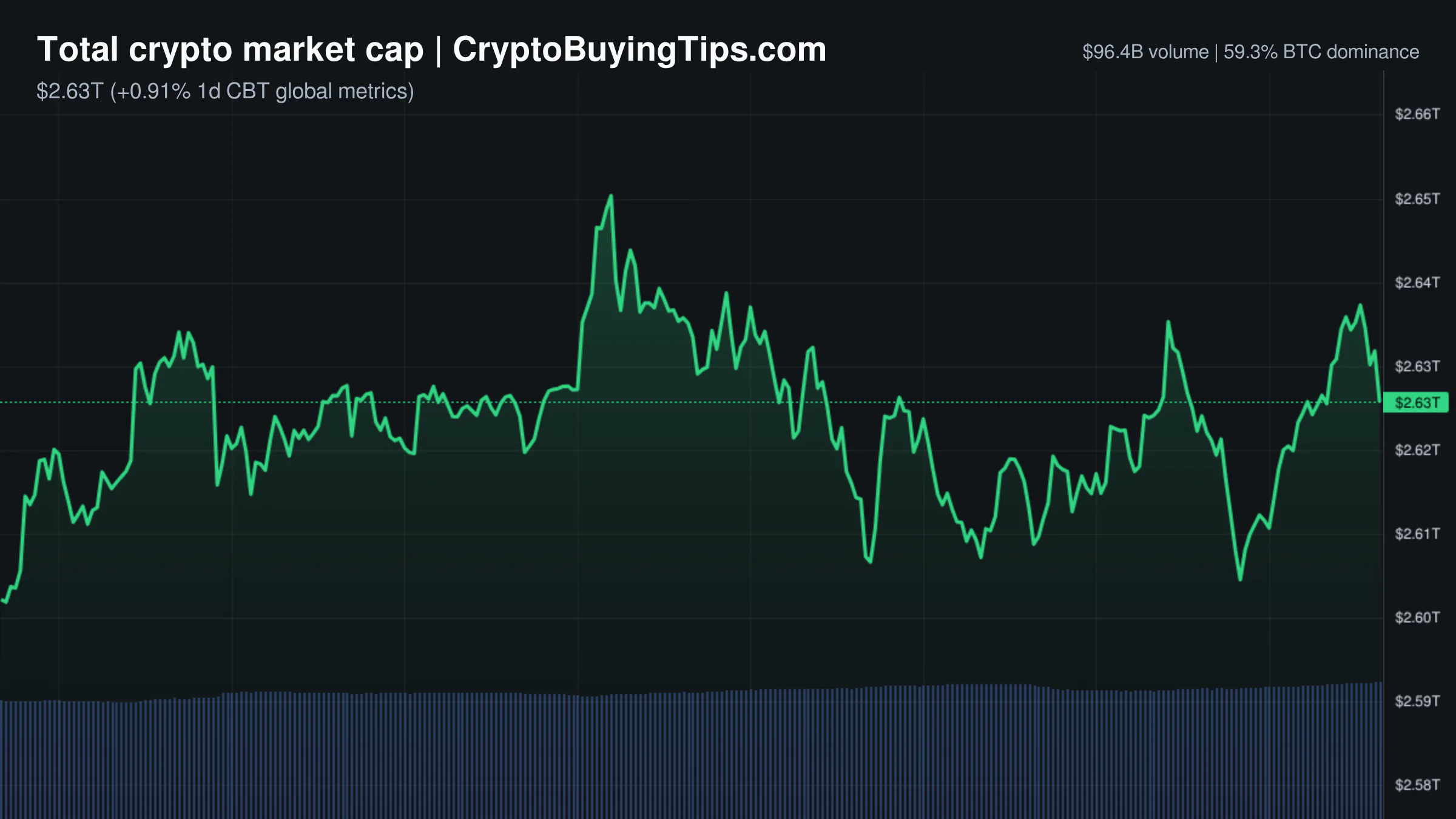
Crypto Market Overview | Leverage-driven rally amid strong ETF inflows as BTC targets 80k | August 24, 2026
Leverage-driven rally sees BTC near 80k amid strong ETF inflows; see our market overview on current crypto dynamics.

Derivatives volume is 8x higher than spot. Here is why that is a warning
The market's current price action seems to be driven by bets rather than cash; with derivatives volume eight times…
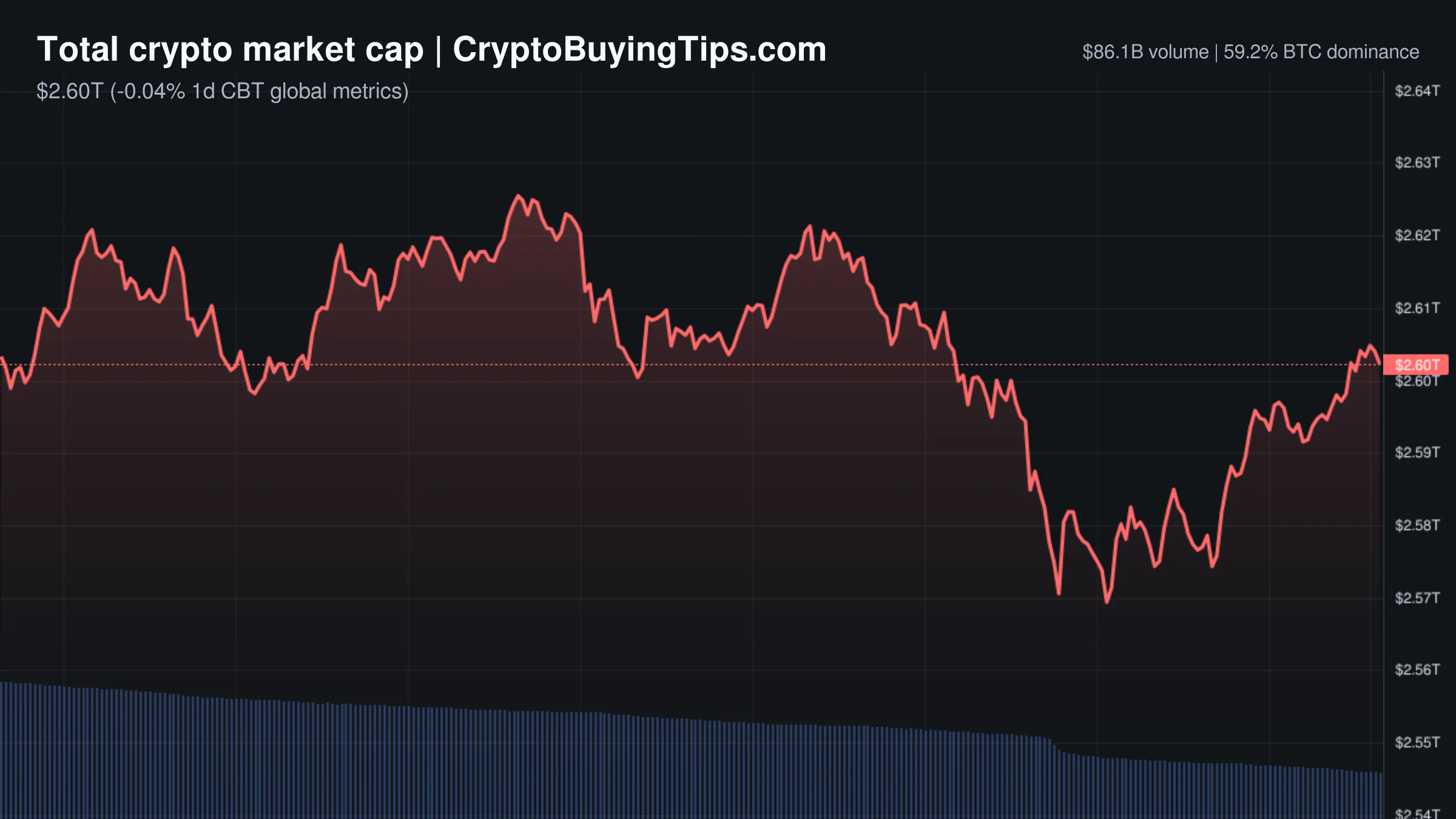
Crypto Market Overview | volume collapses as greed persists amid regulatory friction | August 23, 2026
Volume collapses as greed persists amid regulatory friction; see our market overview on crypto's current state and key…

Brussels is coming for DeFi vaults and the market is ignoring the risk
Brussels seems to think "decentralized" is just an aesthetic choice for now. Our read suggests MiCA regulation isn't…