
Your KYC data is a target and wrench attacks are on the rise
I've spent years watching the crypto market, and while everyone is obsessed with the latest ETF flows or whether Bitcoin is hitting a dominance ceiling at 60%, they're ignoring a much scarier trend. We talk about "hacking" as if it's just some kid in a basement with a script, but there's a physical side to this that doesn't get enough attention. I'm talking about the "wrench attack," where someone doesn't need to crack your encryption because they have a physical tool and your home address. If you're looking for a safe way to store crypto private keys, you need to realize that your biggest vulnerability might not be a bug in a smart contract, but the KYC data you've handed over to every exchange you've ever used. We previously covered Blanche’s Crypto Stance for more background.
The danger of the KYC trail
Most of us treat Know Your Customer (KYC) as a boring administrative hurdle. You upload your passport, take a selfie, and get access to your account. But in my experience, we've essentially built a global, leaked database of exactly who owns what. When an exchange gets breached, it's not just passwords that leak. It's full names, addresses, and phone numbers.
Combine that with on-chain data, and you have a map. If a bad actor can link a high-value wallet to a real-world identity via a leaked KYC database, they don't need to find a vulnerability in the blockchain. They just need to find where you live. This is where the wrench attack comes in. It's the most primitive form of hacking: physical extortion. You're not fighting a bot; you're fighting someone who knows you have money and knows where you sleep.
Why a safe way to store crypto private keys isn't just about software
I've seen people spend hours debating which software wallet is the most secure, only to keep their seed phrase in a plain text file on their desktop or, even worse, a photo in their cloud storage. That's a disaster waiting to happen. But even a physical piece of paper in a desk drawer is a risk if someone knows it's there.
The problem is that we've been conditioned to think of security as a digital wall. We forget that the wall has a door. If you're using a centralized exchange, you're trusting them with your identity and your funds. If they're breached, your identity becomes a beacon for anyone looking for a target. This is why I've always pushed for self-custody.
To actually protect yourself, you need a hardware signer that keeps your keys offline. I personally prefer the Ledger Nano Gen5 if you're on a budget because it brings E Ink touchscreen tech to a $99 price point. Having a Secure Element chip (CC EAL6+) means your private keys never even touch the internet. But the device is only half the battle. The real security is in how you handle the recovery seed.
Where people get tripped up
The biggest mistake I see is "security theater." People buy a fancy wallet but then they store their 24-word recovery phrase in a way that's easily discoverable. If a criminal knows you own a Ledger, they aren't going to try to hack the device. They're going to look for the piece of paper you hid under your mattress.
I've noticed a trend where people think that using a VPN or a private browser is enough. While we previously covered how UK P2P trading risks have increased due to government raids, the threat from organized crime is different. They aren't looking for tax evasion; they're looking for a payday.
If you want to be truly secure, you have to decouple your identity from your wealth. This means using non-custodial services when possible and being incredibly stingy with your personal information.
My take on the path forward
I'm not saying you should never use an exchange. They're convenient, and for some, they're the only way to get in. But keeping your life savings on a platform that requires a scan of your passport is a gamble. You're betting that the exchange's security is better than the motivation of a criminal who finds your address in a leak.
I think the only real solution is a combination of hardware security and extreme operational secrecy. Don't tell people how much you have. Don't post your wins on social media. And for the love of everything, get your assets off the exchange and into a cold wallet.
If you're tired of the KYC treadmill and just want to swap assets without leaving a permanent paper trail, I've found StealthEX to be a solid option. It's a non-custodial swap service that doesn't require account registration or KYC for standard swaps. It's a simple way to maintain some level of privacy in a world that's trying to index every single satoshi you own.
Trade the news at our editorial-picked exchange: Gate
Some links in this article may be affiliate links. We may earn a commission at no extra cost to you — this never influences our analysis or coverage.

Sigrid Voss
Crypto analyst and writer covering market trends, trading strategies, and blockchain technology.
More Articles
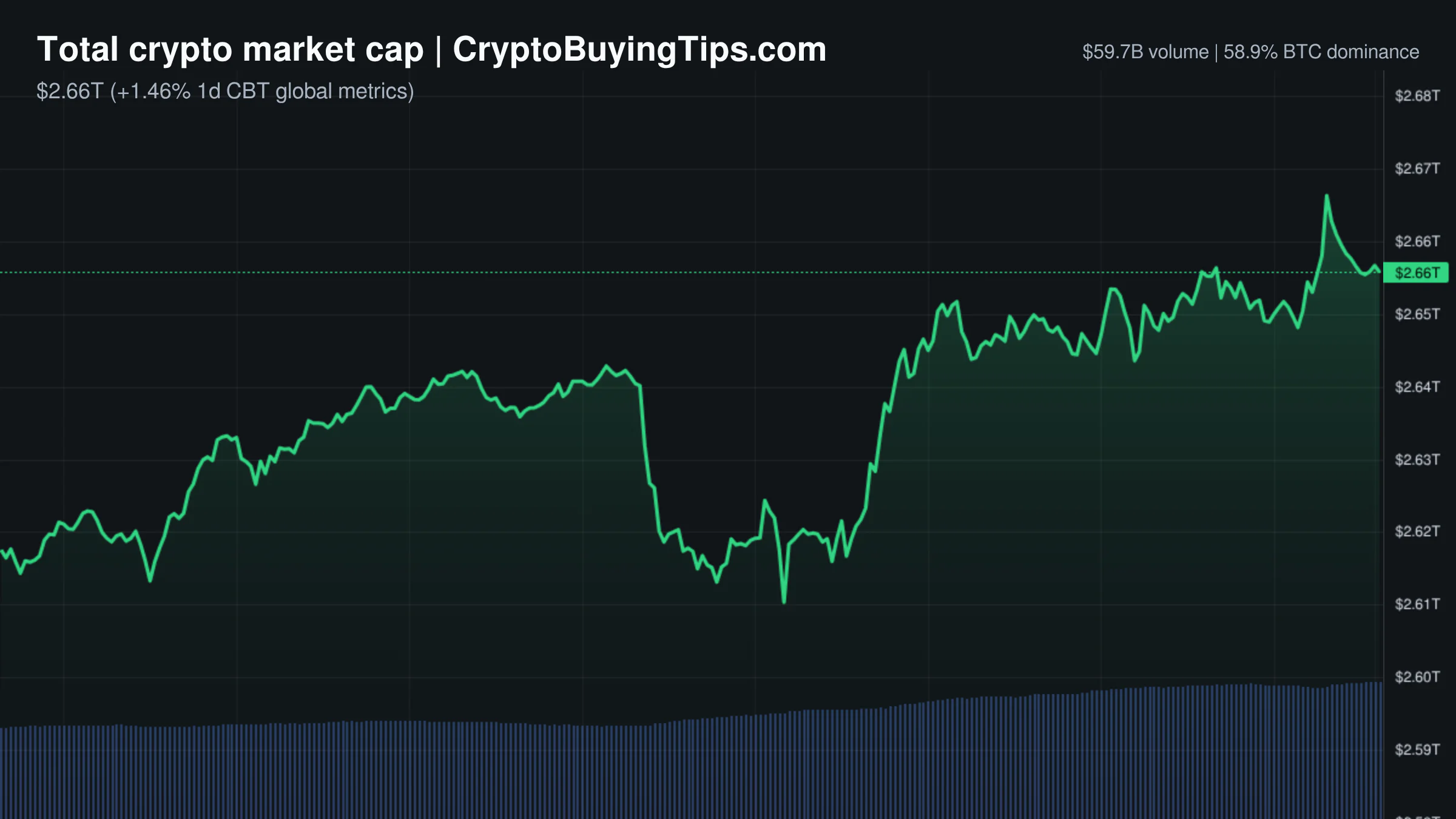
Crypto Market Overview | leveraged bets surge amid mixed ETF flows and pending legislation | September 14, 2026
Leveraged bets surge in crypto as ETF flows mix signals amid pending legislation and macro uncertainty for market…

Revolut leaked customer data. Here is how to actually protect your crypto
The threat isn't always the private key; sometimes it’s just knowing who you are. A major fintech leak reminds us that…
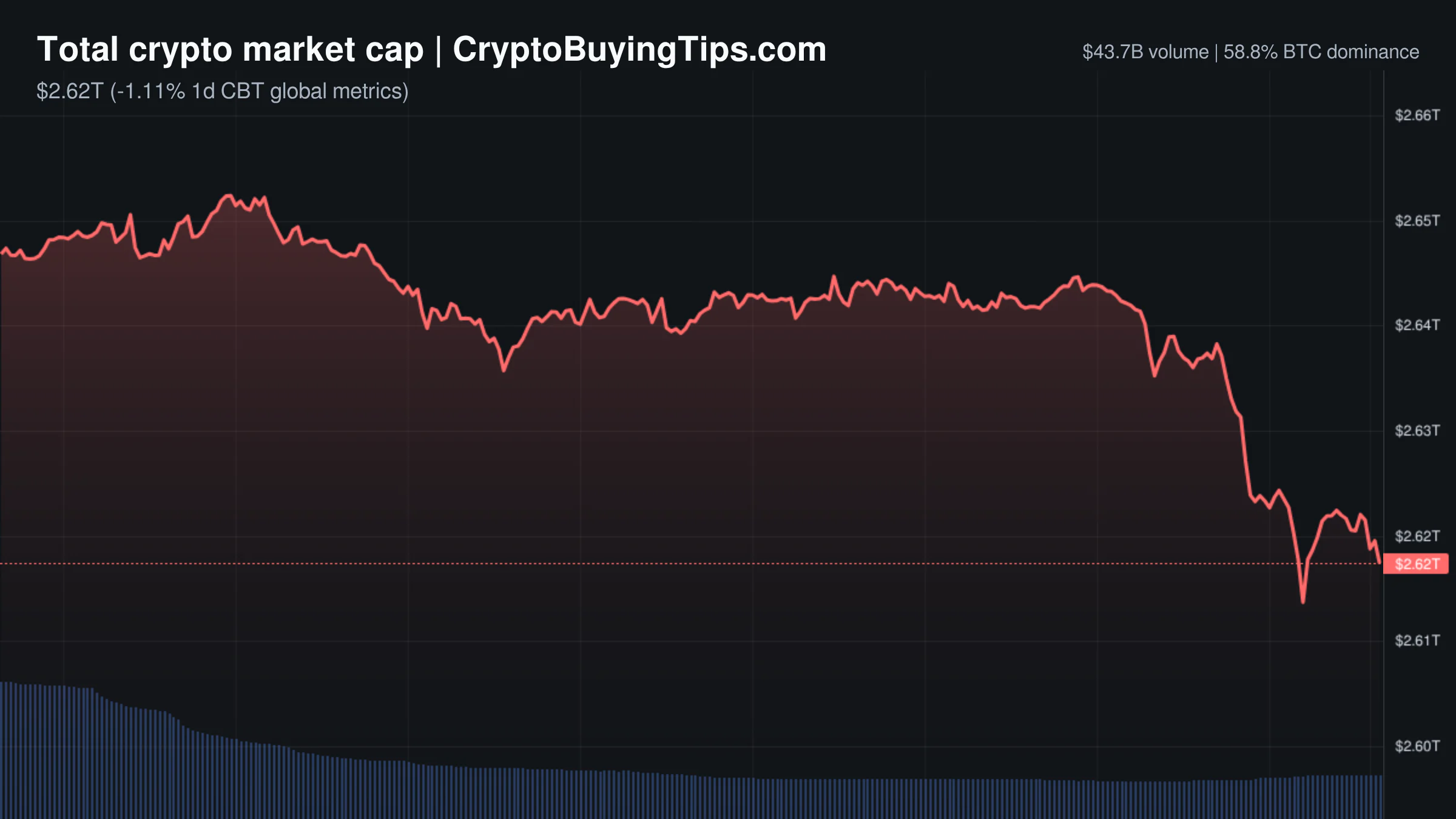
Crypto Market Overview | liquidity vacuum amid trust issues and cooling ai narratives | September 13, 2026
Liquidity vacuum hits crypto markets amid trust issues and cooling ai narratives; see our overview on BTC dominance and…

AI leaders want a slowdown, but our signal scanner sees a different story
The AI leaders suggest hitting pause on development; our signal scanner suggests otherwise for WLD and NEAR. The…