

The UK is raiding crypto traders and the era of safe P2P trading is over
I've been following the markets since 2019, and I've seen plenty of regulatory threats, but the shift in the UK is different. We aren't talking about vague warnings from the FCA or a few tweaked guidelines anymore. We are talking about physical raids. For years, retail traders in the UK used Peer-to-Peer (P2P) markets to bypass strict banking blocks, thinking they were flying under the radar. But the window for finding the best compliant crypto exchanges for uk residents is closing fast because the government has stopped asking nicely and started kicking in doors.
What is actually happening
The UK authorities are targeting individuals who run high-volume P2P trading businesses without the proper registrations. In the P2P world, you act as the middleman, buying crypto from someone and selling it to another for a small premium. It feels like a side hustle, but in the eyes of the law, if you do this at scale, you are operating an unregistered financial service.
The raids aren't just about "anti-money laundering" (AML) checkboxes. They are targeting the flow of funds. When you move thousands of pounds through a personal bank account to buy Bitcoin, the bank flags it. When you do it every day, the authorities start looking for the person at the center of the web. I've noticed a pattern where the government is using bank data to map out these P2P hubs and then moving in physically to seize hardware and documents.
Why this is a nightmare for retail traders
Most people think P2P is the "safe" way to avoid the KYC (Know Your Customer) headache. I get why. Dealing with a bank that freezes your account because you bought 0.1 BTC is infuriating. But the irony is that P2P trading often creates a bigger paper trail in your bank account than a direct exchange trade would.
If you are buying from a P2P seller, you are sending money to a stranger's bank account. If that stranger is under investigation or is part of a larger raid, your account gets linked to theirs. Suddenly, you aren't just a trader; you are a person of interest in a financial crime investigation. In my experience, the "privacy" of P2P is a myth. You are just trading the risk of a centralized exchange for the risk of a police raid.
The shift toward compliance
If you're still trying to dodge the system, you're playing a dangerous game. The era of the "grey market" in the UK is ending. The only way to stay safe now is to move toward platforms that actually handle the compliance side for you.
I've spent a lot of time testing different platforms, and for people in the UK who want to avoid the stress of bank freezes, I usually suggest moving to a reputable exchange with a clear regulatory path. For example, I use Bybit because they have deep liquidity and professional tools, plus they've shown they can handle massive stress (like that $1.5 billion ETH hack in February 2025) without pausing withdrawals. It is far better to have your identity verified on a platform with 60 million users than to be the "mystery sender" on a P2P transaction that triggers an AML alert.
What I'm watching next
I'm keeping a close eye on how the FCA handles the "Travel Rule." This is the requirement for crypto assets to carry the sender and receiver's information. Once that is fully enforced in the UK, P2P trading as we know it will be virtually impossible without leaving a digital footprint that the tax man can see from space.
Also, keep an eye on the Fear & Greed Index. Right now it's at 61, which is "Greed." When the market is this optimistic, people tend to take more risks with how they move their money. That's exactly when the regulators strike. They wait for the volume to spike, the "side hustles" to grow, and then they move in.
If you've been using P2P to avoid KYC, it's time to rethink your strategy. The risk of a frozen bank account is one thing, but the risk of a physical raid is another entirely. Get your taxes in order and move your funds to a compliant platform before the government decides you're the next target.
Some links in this article may be affiliate links. We may earn a commission at no extra cost to you — this never influences our analysis or coverage.

Sigrid Voss
Crypto analyst and writer covering market trends, trading strategies, and blockchain technology.
More Articles
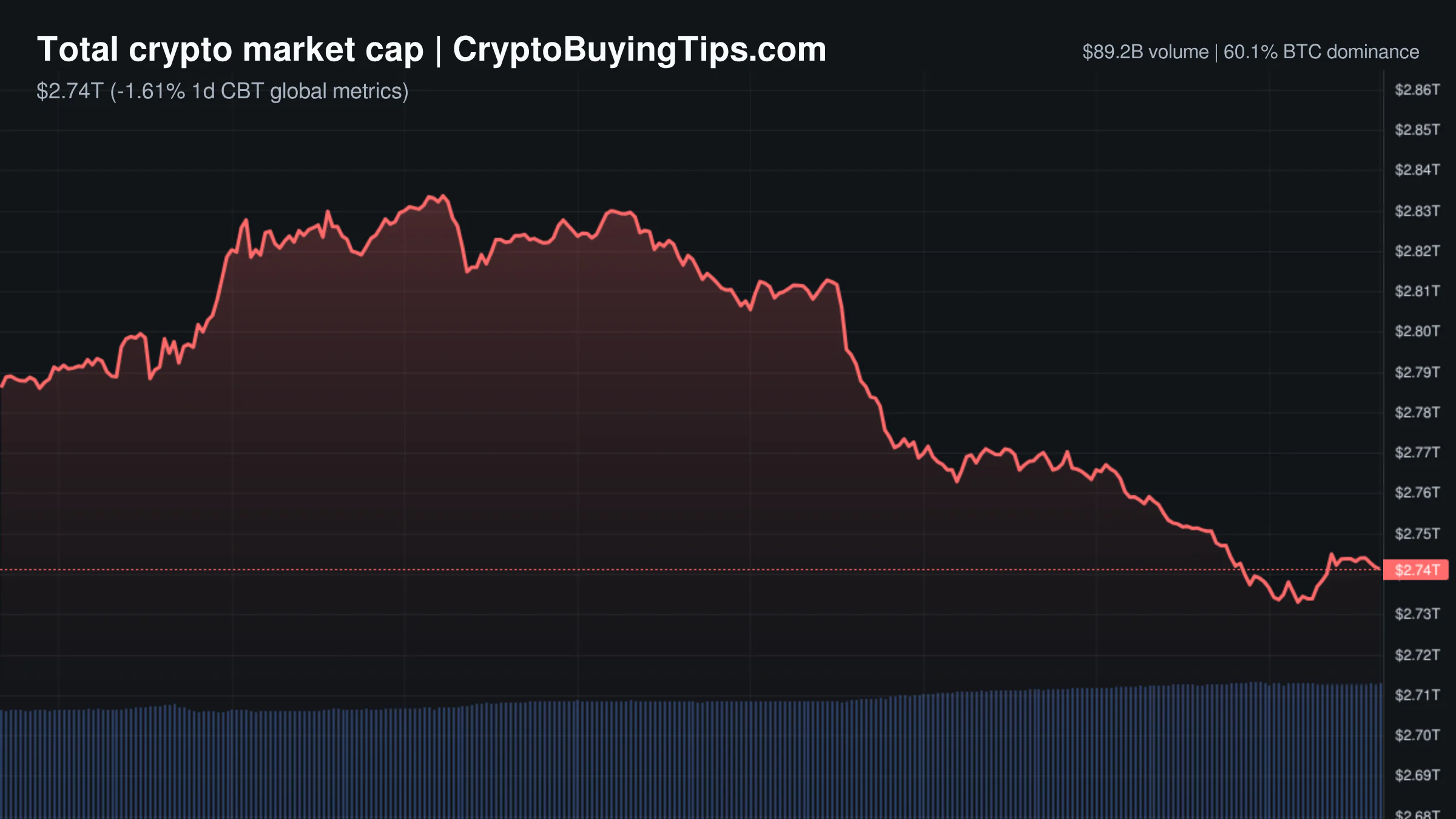
Crypto Market Overview | Leveraged bets surge amid regulatory clarity and institutional inflows | October 22, 2026
The market shows divergence between spot interest and leveraged bets amid regulatory clarity; see our overview here.
Volume is surging but prices are flat. Here is where the trigger is
Volume spikes while prices remain stubbornly flat; this divergence suggests an underlying battle between leveraged…
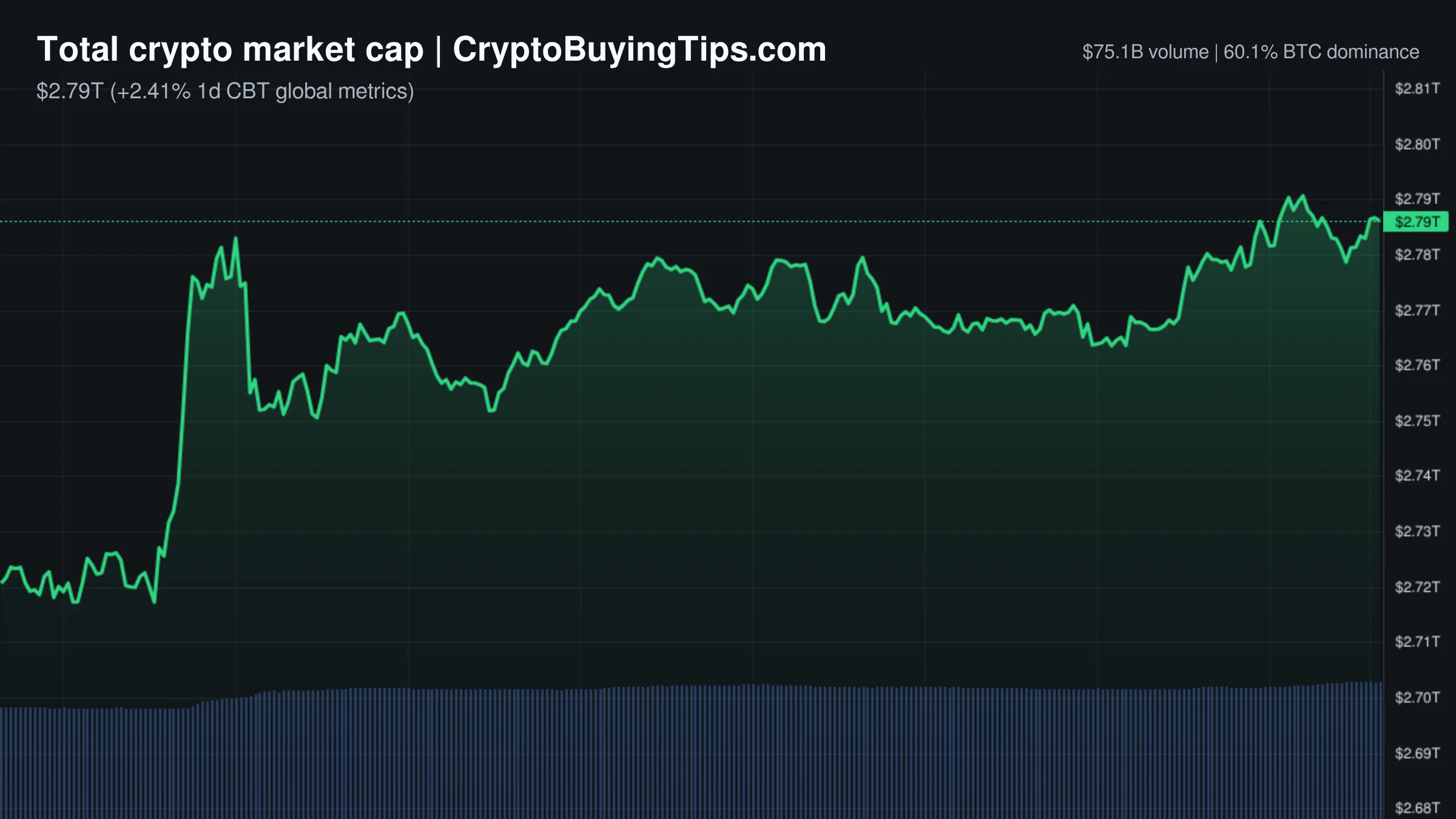
Crypto Market Overview | Leveraged speculation drives gains amid European regulatory uncertainty | October 21, 2026
Leveraged speculation drives crypto gains amid European regulatory uncertainty; see our market overview on BTC and ETH…

Compound is up 21% and DeFi volume is surging. The rotation is here
The market is behaving with all the excitement of an accountant's quarterly report, but DeFi primitives are showing…