

JPMorgan and Franklin Templeton are moving in. Is the retail era of DeFi over?
I've spent the last few years watching the "institutional" label move from a scary buzzword to a daily reality. For a long time, the narrative was that big banks were just experimenting with blockchain in a sandbox, far away from the actual mainnet. But the recent, simultaneous push from JPMorgan, Franklin Templeton, and the DTCC using Chainlink to integrate into Ethereum tells a different story. We aren't looking at a pilot program anymore. This is infrastructure deployment. For anyone trying to understand the difference between defi and institutional finance, the line is blurring, and it's happening exactly when Ethereum is most ready for it.
The shift from experimentation to infrastructure
In my experience, the "retail era" of DeFi was defined by a wild west of permissionless liquidity pools and experimental yield farming. It was chaotic, often dangerous, and completely detached from the legacy financial system. Now, we're seeing a shift toward "Institutional DeFi," where the plumbing of the global economy is being ported onto the blockchain.
When you see the DTCC using Chainlink for cross-chain communication or Franklin Templeton launching tokenized funds, they aren't doing it to "try" crypto. They are doing it because the efficiency gains are too large to ignore. We've already seen this trend with Morgan Stanley tokenization and the way some firms are tokenizing the back office to cut out the middleman.
The timing is interesting. Right now, ETH gas is incredibly low, sitting between 0.13 and 0.17 Gwei. The network is essentially an empty highway, which is exactly what these giants need to move massive amounts of capital without getting priced out by a random NFT mint.
The difference between defi and institutional finance
If you're new to this, you might wonder why we even need a separate term for this. The difference between defi and institutional finance comes down to two things: permission and identity.
Original DeFi is permissionless. I don't need a bank's approval to swap tokens on Uniswap; I just need a wallet. Institutional finance is the opposite. It's a world of KYC (Know Your Customer), AML (Anti-Money Laundering), and strict regulatory compliance. What's happening now is the creation of "permissioned" layers on top of public blockchains.
The banks get the speed and transparency of Ethereum, but they keep the "gatekeeper" power. They aren't joining the DeFi community to democratize finance. They're joining to make their own internal processes faster and cheaper. It's a bit ironic that the technology designed to replace banks is now being used to make them more efficient.
Why this makes me nervous
I'm impressed by the tech, but the philosophy bothers me. There is a real risk that the "public" part of the blockchain becomes a second-class citizen. If the most liquid, high-value assets are locked in permissioned institutional vaults, does the original vision of a decentralized financial system even matter?
I also worry about the "institutionalization" of price action. We're seeing Bitcoin dominance hold steady at about 60%, and the Altcoin Season Index is stuck in the low 40s. This suggests that while the big players are building the pipes, they aren't necessarily rotating capital into the broader ecosystem yet. They're playing a very specific, calculated game.
How to navigate this new era
Whether you're a believer in the original DeFi ethos or you're just here for the gains, the reality is that the "big money" is no longer on the sidelines. This doesn't mean retail is dead, but it does mean the game has changed.
If you're moving significant funds into these new institutional-grade assets or holding ETH for the long haul, you can't leave your security to chance. I've seen too many people lose everything to simple phishing links. For anyone serious about self-custody, I recommend the Ledger Stax. It's a bit pricier at $399, but the Transaction Check feature is a lifesaver for detecting DeFi scams before you actually sign a transaction.
The retail era of DeFi isn't over, but it's evolving. We're moving from a period of pure speculation into a period of actual utility. I'll be watching the ETH dominance and the gas fees closely. If the institutions start flooding in and the network can't handle it, that's where the real volatility returns.
Trade the news at our editorial-picked exchange: MEXC
Some links in this article may be affiliate links. We may earn a commission at no extra cost to you — this never influences our analysis or coverage.

Sigrid Voss
Crypto analyst and writer covering market trends, trading strategies, and blockchain technology.
More Articles
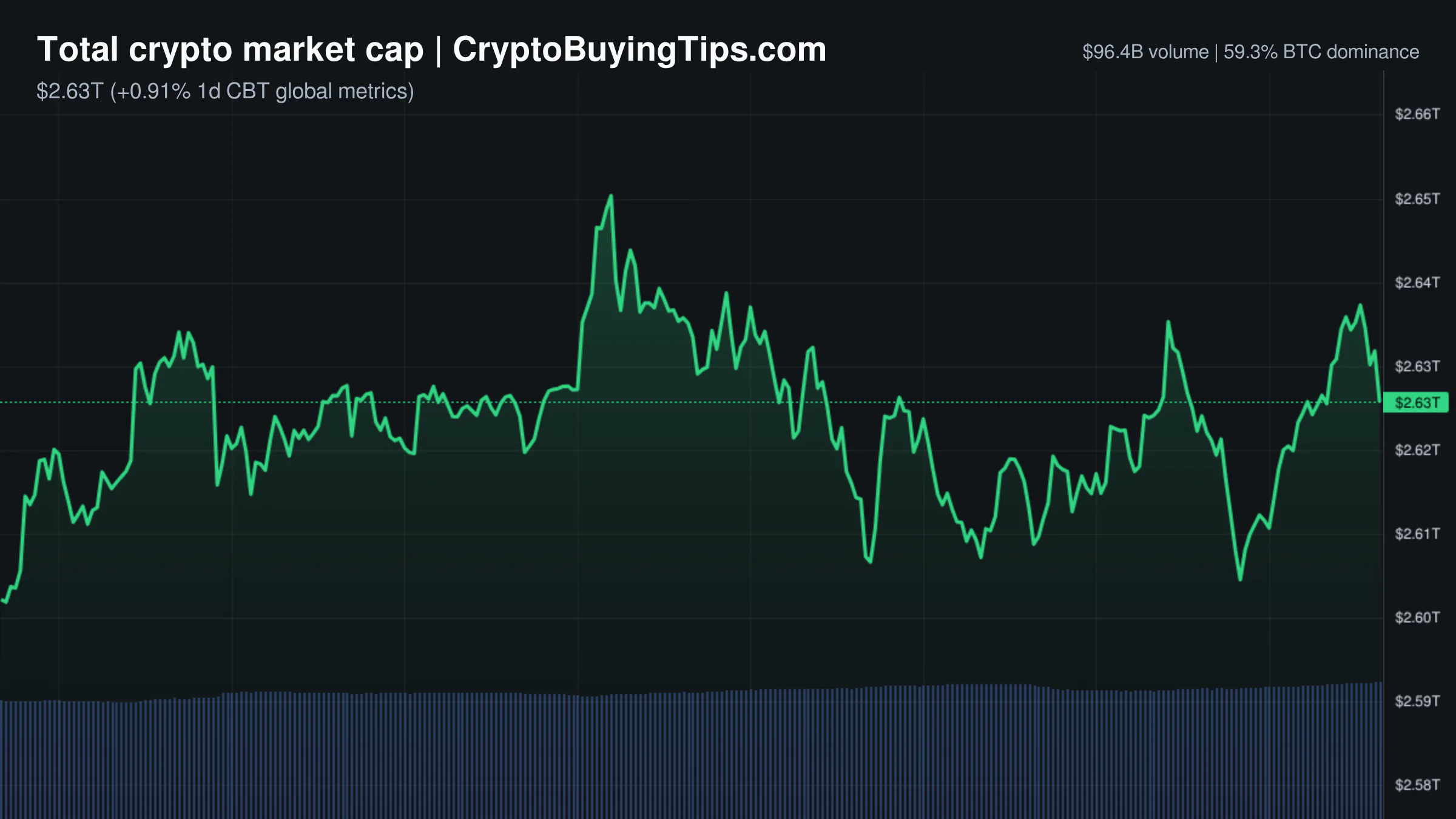
Crypto Market Overview | Leverage-driven rally amid strong ETF inflows as BTC targets 80k | August 24, 2026
Leverage-driven rally sees BTC near 80k amid strong ETF inflows; see our market overview on current crypto dynamics.

Derivatives volume is 8x higher than spot. Here is why that is a warning
The market's current price action seems to be driven by bets rather than cash; with derivatives volume eight times…
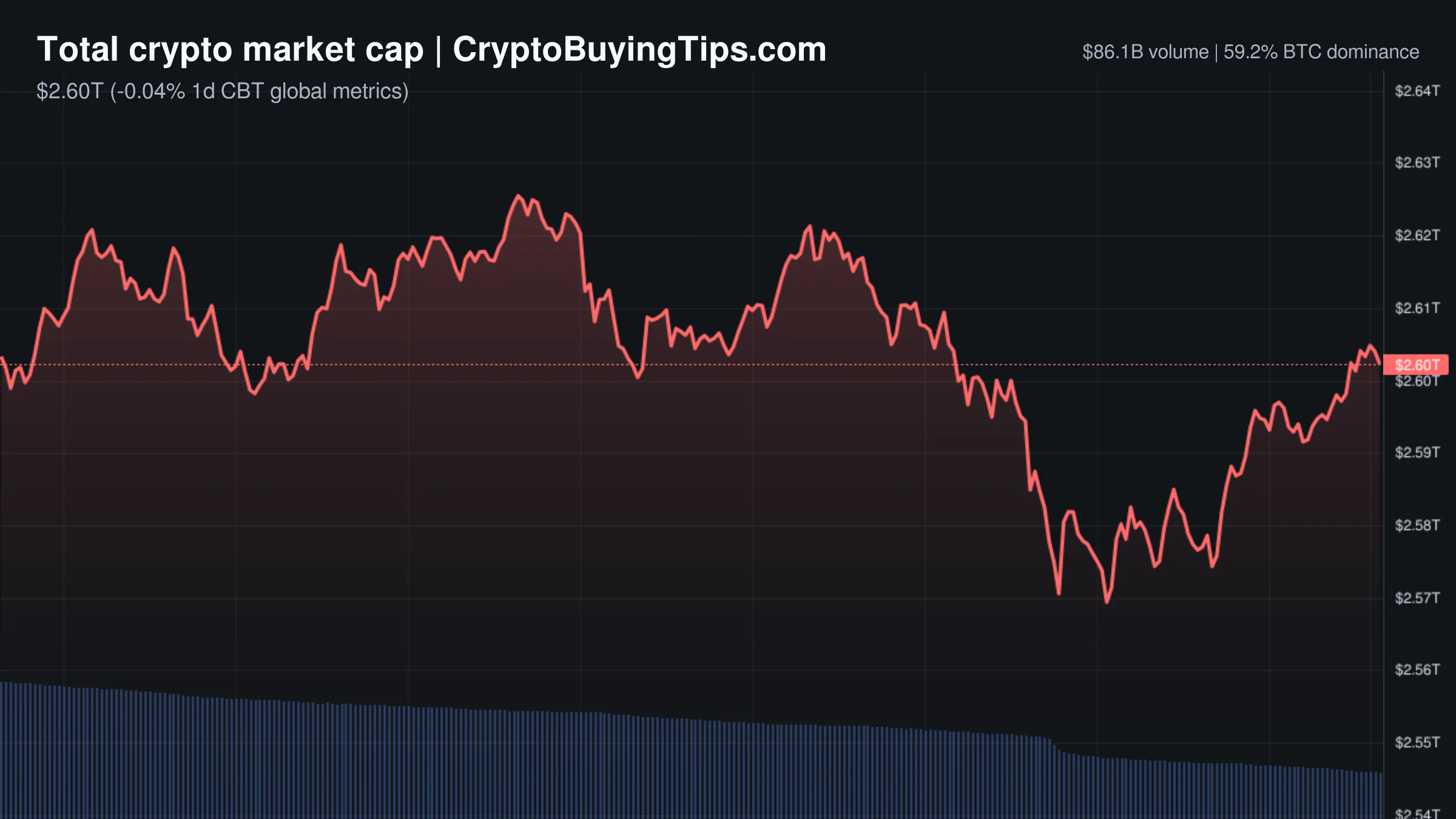
Crypto Market Overview | volume collapses as greed persists amid regulatory friction | August 23, 2026
Volume collapses as greed persists amid regulatory friction; see our market overview on crypto's current state and key…

Brussels is coming for DeFi vaults and the market is ignoring the risk
Brussels seems to think "decentralized" is just an aesthetic choice for now. Our read suggests MiCA regulation isn't…