
State Street and OKX are tokenizing the back office, and it changes everything
Most people think the "institutional" phase of crypto is just about Bitcoin ETFs. They think it is about big banks buying BTC to put on a balance sheet. But if you look at what State Street and OKX are doing right now, you will see a much bigger shift. We are moving from a world where banks simply buy crypto to a world where they run their entire financial plumbing on blockchains. If you are looking for a step by step guide to rwa investing, you have to stop looking at tokens and start looking at the infrastructure.
The shift from assets to plumbing
For years, the conversation around Real World Assets (RWA) was about "tokenizing" a piece of real estate or a gold bar. That is a fine start, but the real magic is happening in the back office. State Street is now launching tokenized fund servicing. This means the actual administration, the accounting, and the settlement of funds are moving on-chain.
At the same time, OKX is integrating BlackRock's BUIDL fund as collateral. This is a massive deal. It means a professional trader can hold a tokenized version of a BlackRock fund and use it to back their positions in real time. They are not just holding a digital certificate; they are using a live, yield-bearing institutional asset as the engine for their trades.
In my experience, this is where the real disruption happens. The traditional financial system is slow because it relies on thousands of manual checks, T+2 settlement times, and middle-men who just move data from one spreadsheet to another. By tokenizing the back office, these firms are removing the friction.
Why this matters for the average person
You might think this only affects the "big money," but it trickles down. When the plumbing is efficient, costs drop. When settlement is instant, risk drops.
I have been following the markets since 2019, and I remember when the idea of a bank using a blockchain was a joke. Now, we have the world's largest custodians and the biggest asset managers building the rails. This is not about "crypto" in the sense of speculative coins. This is about the "tokenization of everything."
The data shows we are currently in a Bitcoin season, with the Altcoin Season Index sitting at 38/100. While the masses are chasing the next 100x meme coin, the institutional world is quietly building a system where the very concept of a "trade" changes. They are moving toward a 24/7, instant, atomic settlement world.
Where people get tripped up with rwa investing
A lot of beginners see "RWA" and think they should just buy any token that claims to be backed by real estate or treasury bills. That is a mistake. Many of these projects are just "wrapper" tokens with no real legal recourse or liquidity.
If you want a step by step guide to rwa investing, my first piece of advice is to look for the "institutional bridge." Look for projects that have actual partnerships with firms like BlackRock or State Street. The real value is not in the token itself, but in the efficiency of the system it represents.
One thing that always worries me is the "centralization paradox." We use blockchains for decentralization, but RWA is, by definition, centralized because it relies on a legal contract in the physical world. If the bank fails, the token does not magically save the asset. You still need a legal system to enforce ownership.
My take on the infrastructure play
I am genuinely excited about the tech, but I am skeptical of the narratives. Many projects promise to "disrupt" finance, but very few actually change how the money moves. State Street and OKX are actually changing the movement.
If you are getting into this space, you need to protect your assets. As these institutional rails grow, the amount of capital on-chain will explode. That makes security more important than ever. I personally use a Ledger Flex because I want the security of a CC EAL6+ chip but I need a touchscreen that makes managing these different asset types easier. It is a mid-range option that fits in a pocket, which is a lot better than carrying a bulky device when you are trying to track multiple portfolios.
The market is currently neutral, with a Fear and Greed Index of 42. This is actually the best time to study the plumbing. When the next big surge happens, it will likely be driven by these institutional rails finally clicking into place.
I think we are heading toward a future where you will not even know you are using a blockchain. You will just know that your fund settlement happened in seconds instead of days. That is the real victory for this technology.
Some links in this article may be affiliate links. We may earn a commission at no extra cost to you — this never influences our analysis or coverage.

Sigrid Voss
Crypto analyst and writer covering market trends, trading strategies, and blockchain technology.
More Articles
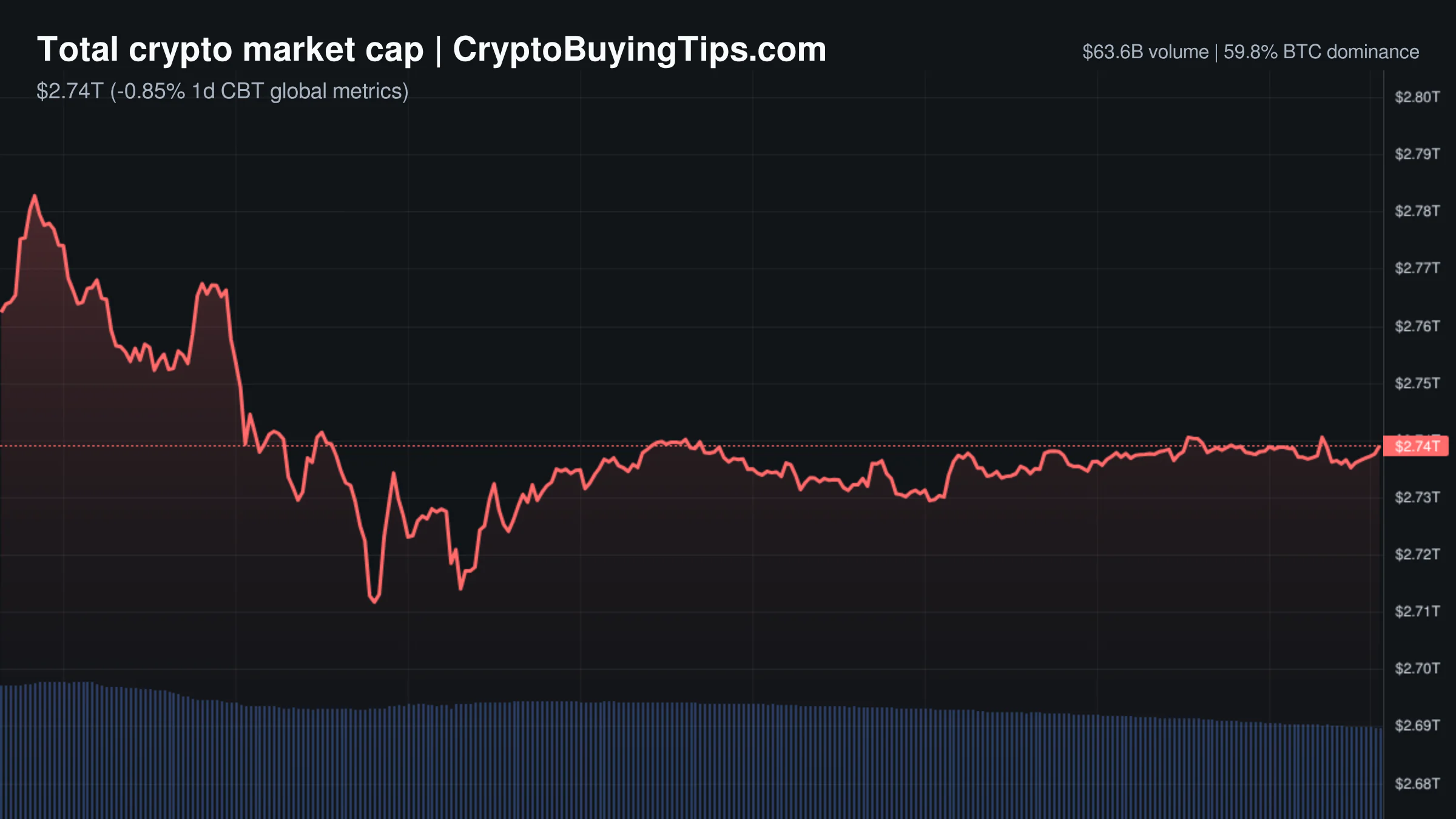
Crypto Market Overview | volume collapse amid macro pressure weighs on institutional flows | October 17, 2026
Market overview shows volume collapse amid macro pressure weighing on institutional flows; see how crypto is reacting to…
Speculators are ditching altcoins for tokenized Tesla stocks
Another day, another reason to question where all the money goes these days. Our signal scanner flagged a clear…
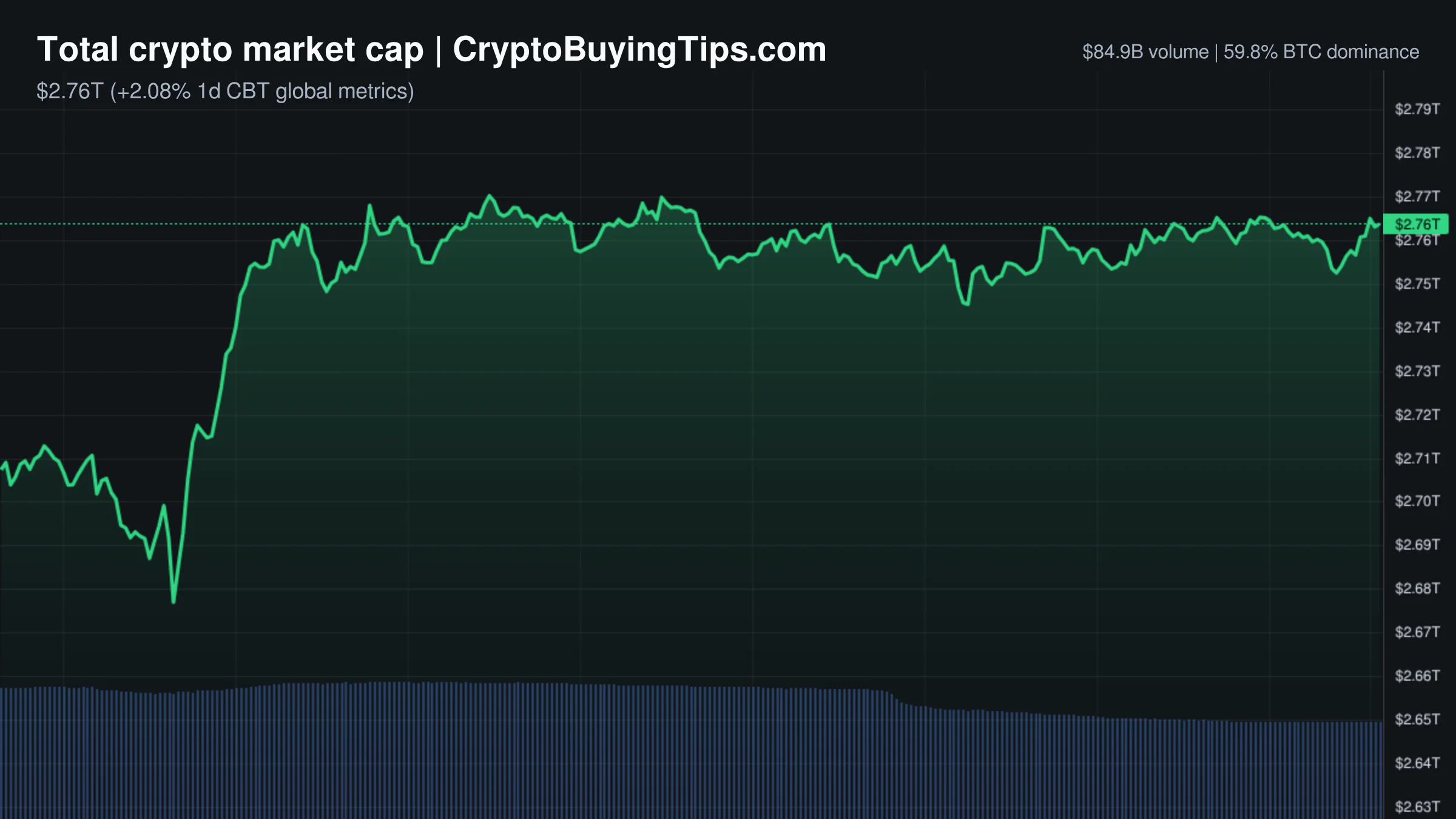
Crypto Market Overview | prices climb despite falling trading volume and stablecoin activity | October 16, 2026
Prices climb despite falling trading volume and stablecoin activity; see our market overview for context.
Wall Street is building its own rules while Congress argues
Wall Street seems to have decided waiting for Congress isn't worth the time. Major players like Mastercard are building…