
Microsoft's new quantum chip is a wake-up call for Bitcoin's security
Most people in crypto are currently staring at the charts, worrying about the Fear & Greed Index sitting at a shaky 26 or the fact that the total market cap has dipped to $2.32T. But while we're arguing over whether this is a corrective phase or a crash, Microsoft just moved the goalposts on a much bigger threat. Their new quantum chip isn't just a corporate press release; it's a reminder of a technical debt that every single blockchain holder is carrying. If you've ever wondered how does quantum computing affect blockchain, the answer is simple: it potentially turns your private keys into public knowledge.
The short answer
Quantum computing uses qubits instead of traditional bits, allowing it to solve specific mathematical problems that would take current supercomputers millions of years to crack. Since Bitcoin and Ethereum rely on the Elliptic Curve Digital Signature Algorithm (ECDSA), a powerful enough quantum computer could derive your private key from your public address, allowing an attacker to spend your funds without your permission.
How the threat actually works
To understand why I'm concerned, you have to understand how your wallet works. When you send Bitcoin, you aren't sending a "coin"; you're providing a digital signature that proves you own the private key associated with a specific address. Current computers are terrible at reversing the math used to create that signature. They can't "guess" the private key because there are too many possibilities.
Quantum computers change the game using something called Shor's algorithm. Instead of guessing one by one, a quantum machine can find the prime factors of large numbers almost instantly. In plain English, it can work backward from your public key to find your private key.
We've already seen the warning signs. We previously covered how Quantum Bitcoin Security could be compromised in minutes according to Google research. We also saw reports of Bitcoin key vulnerabilities where a key was actually broken. Microsoft's latest hardware push just accelerates the timeline for when this moves from a lab experiment to a systemic risk.
Where people get tripped up
The biggest misconception I see is the "it's too far away" argument. People say we are decades away from a "cryptographically relevant quantum computer" (CRQC). Maybe we are. But in the world of security, being "almost" safe is the same as being unsafe.
There are two specific risks that keep me up:
First, there is "harvest now, decrypt later." State actors can save encrypted data today and just wait until they have the hardware to unlock it in five years. For a Bitcoin holder, this is less of an issue since the blockchain is public, but for private communications, it's a disaster.
Second, there is the "dormant coin" problem. Millions of BTC are sitting in old addresses from 2009 to 2012. These coins use a version of the address format that reveals the public key immediately. They are sitting ducks. If a quantum attacker hits the network, these "Satoshi-era" coins will be the first to vanish, which could cause a price collapse that destroys the market before the rest of us can even migrate our funds.
Putting it into practice
I'm not suggesting you sell everything and buy gold, but I am suggesting you stop treating your security as a "set it and forget it" task.
The industry is working on "quantum-resistant" cryptography, but updating Bitcoin requires a hard fork. That takes time and consensus. In the meantime, the best thing you can do is reduce your attack surface.
I've always been a proponent of hardware wallets because they keep your keys offline, but even they can't stop a quantum computer if the underlying math of the blockchain is broken. However, they do protect you from the 99% of other threats, like phishing and exchange hacks. If you're holding a significant amount, I prefer the Ledger Flex because it uses a CC EAL6+ secure element chip and a Gorilla Glass E Ink screen, which makes it much harder for someone to trick you into signing a malicious transaction while you're waiting for the world to move to quantum-resistant addresses.
Keep an eye on the developers. When you see proposals for "post-quantum" updates or new address formats, pay attention. That's when the real fight for the survival of your portfolio begins.
Trade the news at our editorial-picked exchange: Bybit
Some links in this article may be affiliate links. We may earn a commission at no extra cost to you — this never influences our analysis or coverage.

Sigrid Voss
Crypto analyst and writer covering market trends, trading strategies, and blockchain technology.
More Articles

6 million Bitcoin are quantum-exposed. Here is what that actually means
Six million Bitcoin are sitting in addresses that could be vulnerable to quantum attacks. The risk isn't theoretical; it…
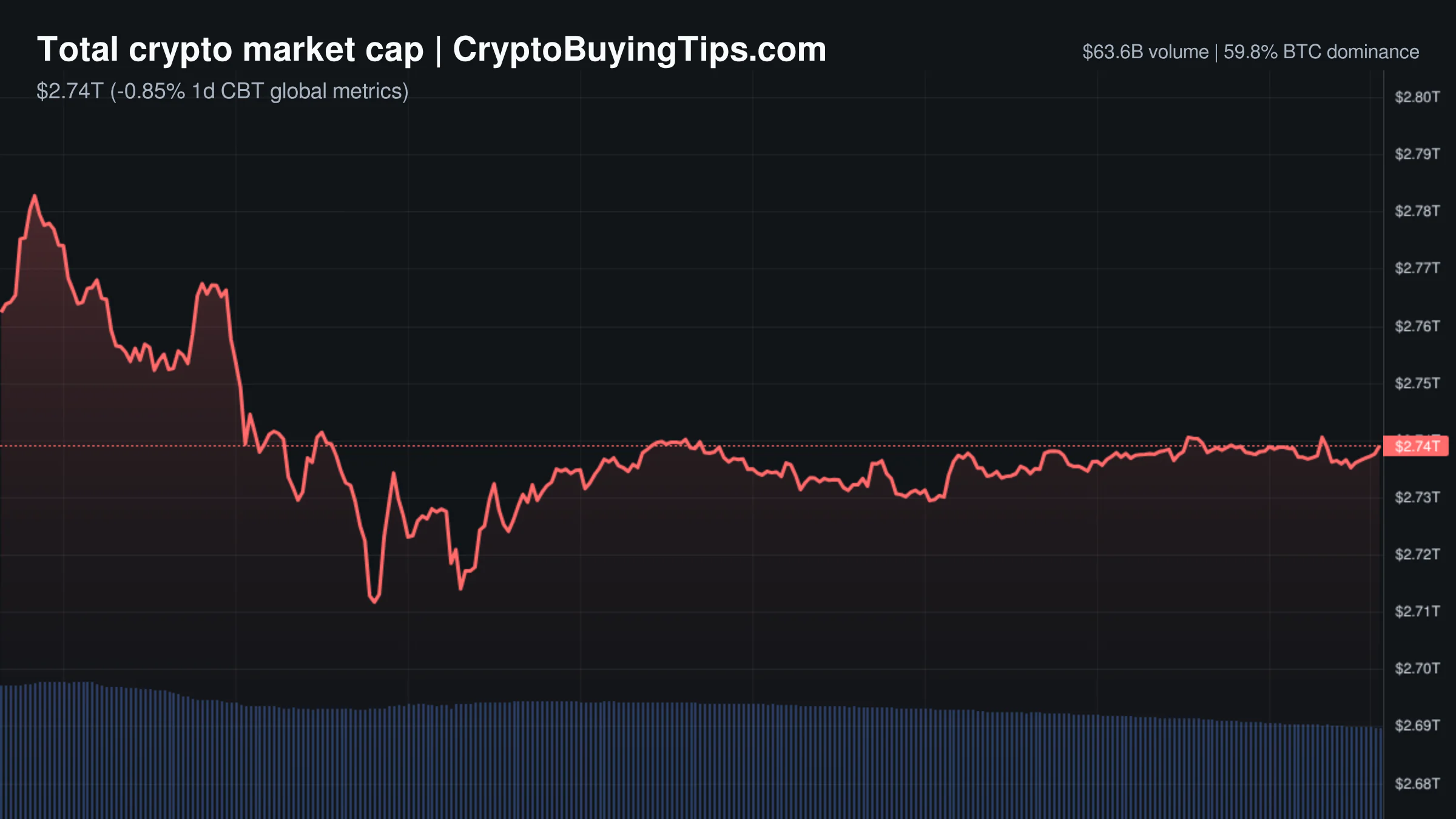
Crypto Market Overview | volume collapse amid macro pressure weighs on institutional flows | October 17, 2026
Market overview shows volume collapse amid macro pressure weighing on institutional flows; see how crypto is reacting to…

Speculators are ditching altcoins for tokenized Tesla stocks
Another day, another reason to question where all the money goes these days. Our signal scanner flagged a clear…
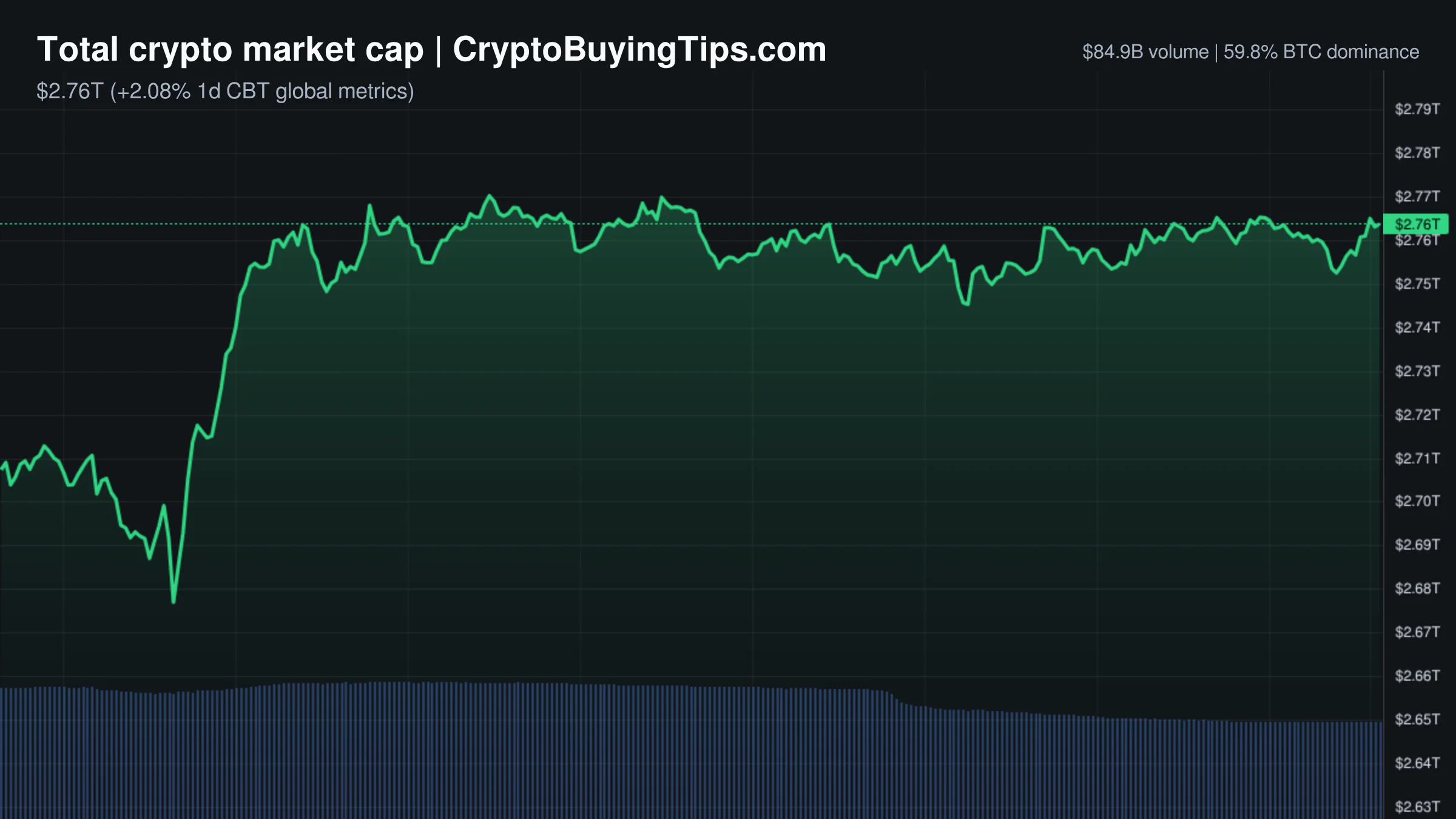
Crypto Market Overview | prices climb despite falling trading volume and stablecoin activity | October 16, 2026
Prices climb despite falling trading volume and stablecoin activity; see our market overview for context.