

What is stablecoin dominance and why it is the most ignored lead indicator in crypto
It is a peculiar moment in the markets. The Fear and Greed index sits at 63, which is firmly in Greed territory, yet prices are sliding and Bitcoin dominance is climbing. For a beginner, this looks like a glitch in the matrix. You are told the crowd is bullish, but your portfolio is bleeding. To make sense of this, you have to stop looking at price and start asking what is stablecoin dominance and why it acts as the market's ultimate dry powder gauge. We previously covered rising bitcoin dominance for more background.
The short answer
Stablecoin dominance is the percentage of the total cryptocurrency market capitalization held in stable assets like USDT and USDC. It measures how much capital is sitting on the sidelines rather than being deployed into volatile assets. When this number rises, traders are moving to safety. When it falls, they are buying back into the market.
What is stablecoin dominance and how it works
Think of the crypto market as a building with two rooms: the casino and the waiting area. Bitcoin and altcoins are the casino. Stablecoins are the waiting area.
When traders feel the wind is at their backs, they leave the waiting area and move their money into the casino to bet on price increases. This causes stablecoin dominance to drop. When the market gets volatile or a crash looms, traders don't always cash out to their bank accounts. That is slow and expensive. Instead, they swap their volatile coins for stables. They stay in the building, but they move into the waiting area.
Our global market structure data currently puts stablecoin dominance at 8.96%, with USDT making up 6.39% and USDC at 2.57%.
This is where the current market contradiction becomes clear. The Greed sentiment suggests people want to buy, but the price action is bearish. When we see prices fall while stablecoin dominance holds steady or rises, it tells us that capital is not exiting the ecosystem entirely. It is simply moving into the waiting room. This is what we call dry powder. The money is still there. It is just waiting for a price that feels like a bargain.
Where people get tripped up
The biggest mistake beginners make is viewing a rise in stablecoin dominance as a sign of a dying market. They see the flight to safety and assume the rally is over.
In reality, extreme spikes in stablecoin dominance often precede market bottoms. If everyone has already moved into the waiting area, there is no one left to sell. The only move left is to go back into the casino.
Another common error is confusing Bitcoin dominance with stablecoin dominance. We previously covered how stablecoin dominance in crypto differs from the BTC narrative. Bitcoin dominance tells you who is winning the fight between BTC and alts. Stablecoin dominance tells you if the fight is even happening or if everyone has just walked away to watch from the sidelines.
If Bitcoin dominance rises while stablecoin dominance also rises, the market is in a broad retreat. If Bitcoin dominance rises but stablecoin dominance falls, money is rotating out of alts and into Bitcoin. The latter is often the start of a Bitcoin season, whereas the former is just a general lack of appetite for risk.
Putting it into practice
To use this metric, you need to look for divergences. When the Fear and Greed index is screaming Extreme Fear but our data shows stablecoin dominance is starting to peak and flatten, the risk of a further crash decreases.
If you are waiting for an altseason, stablecoin dominance is your lead indicator. An altcoin rally requires two things: a stable Bitcoin price and a sharp drop in stablecoin dominance. This drop proves that the waiting room is emptying and capital is flowing into high-beta assets.
For those looking to manage their own dry powder, using an exchange with deep stablecoin liquidity is a basic requirement. MEXC is a reasonable choice here. They offer 0% maker fees on spot trading, which makes moving between stables and alts cheaper when the rotation finally begins.
The takeaway is simple. Next time you see a Greed reading while your coins are dropping, check the stablecoin share. If the money is still in the building, the game isn't over. The traders are just waiting for a better entry.
Some links in this article may be affiliate links. We may earn a commission at no extra cost to you — this never influences our analysis or coverage.

Sigrid Voss
Crypto analyst and writer covering market trends, trading strategies, and blockchain technology.
More Articles
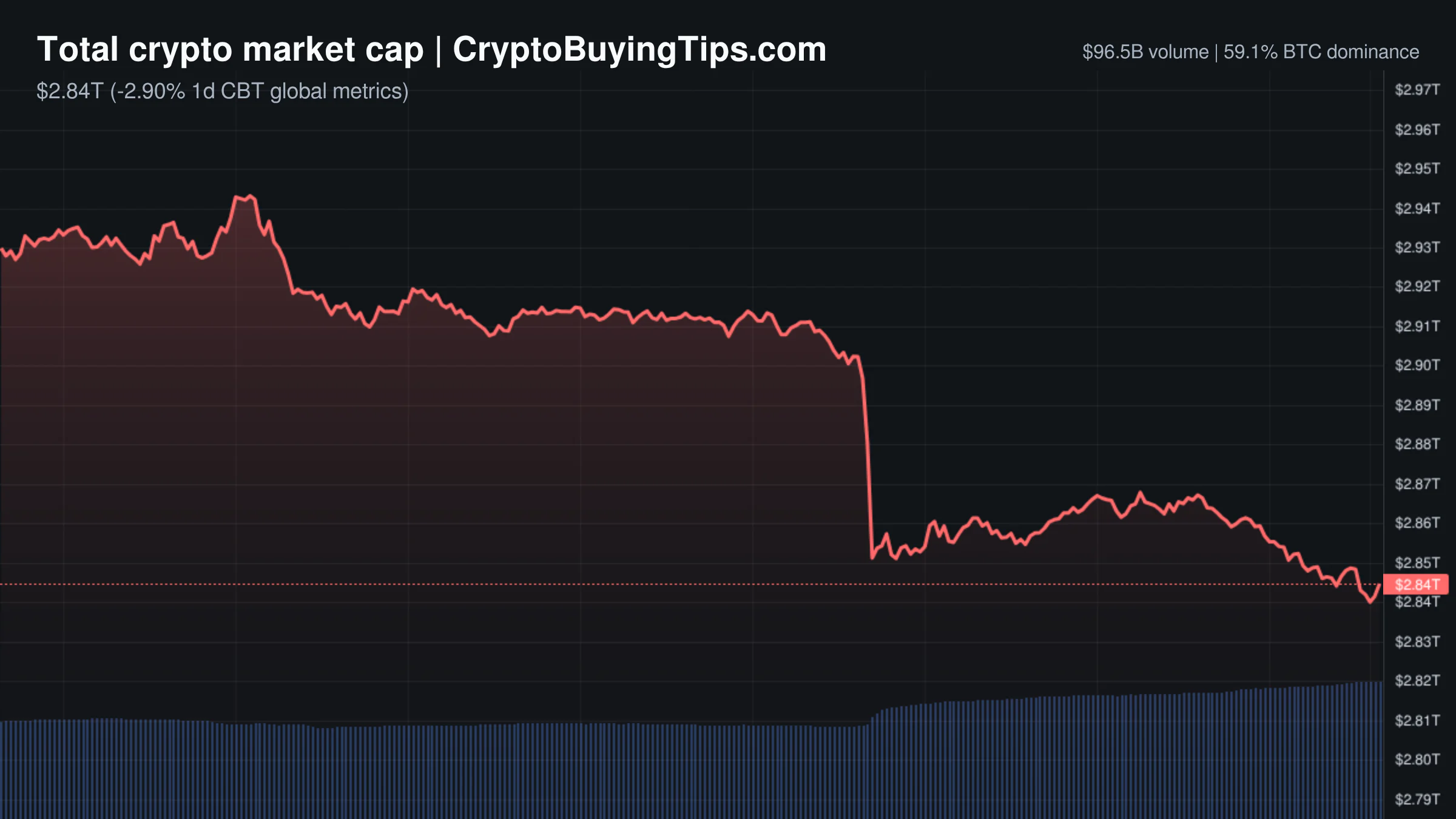
Crypto Market Overview | volume spikes amid institutional inflows despite quantum fears | October 7, 2026
Crypto market overview shows volume spikes amid institutional inflows despite quantum fears; see how ETF flows contrast…
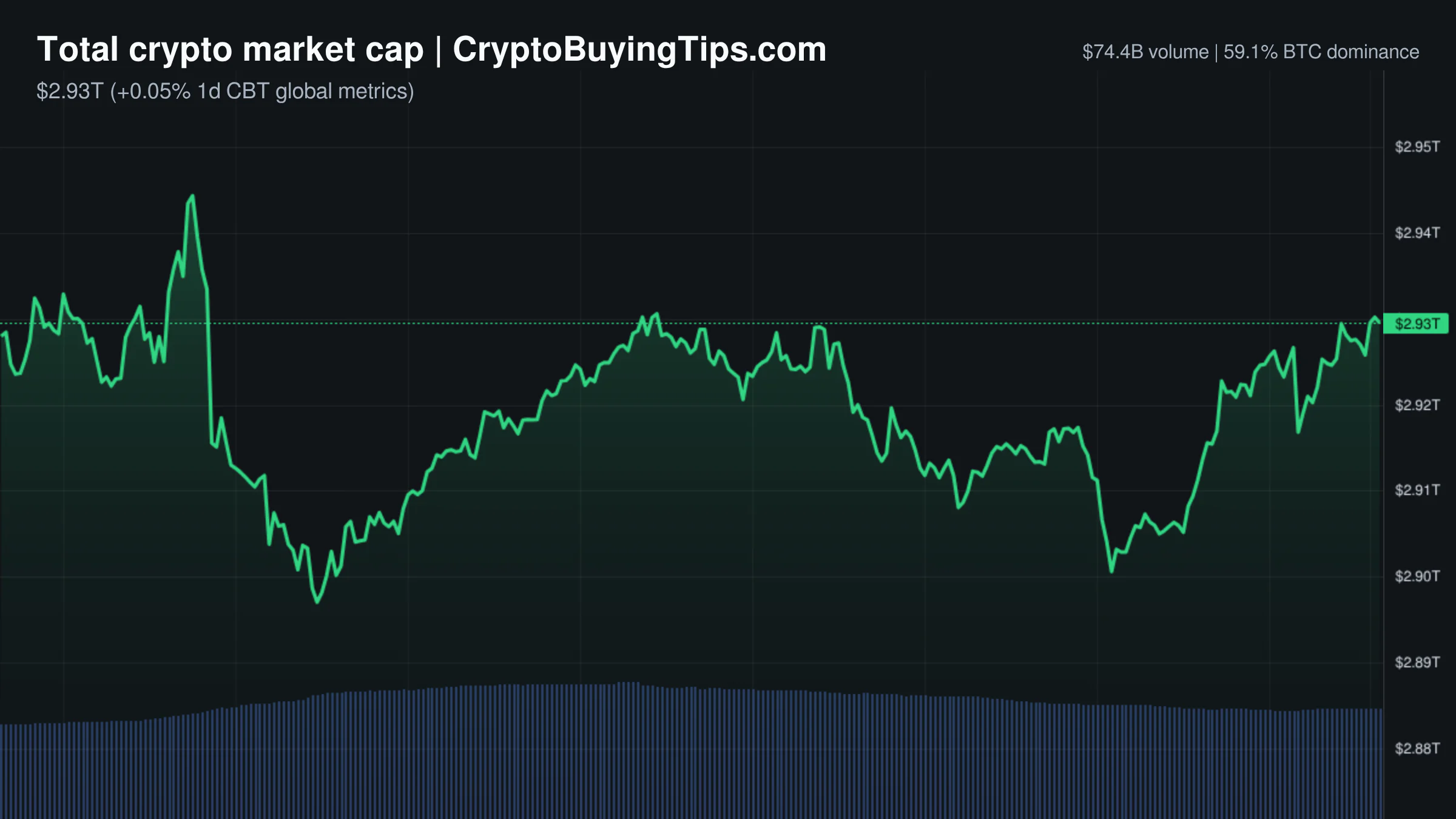
Crypto Market Overview | Leveraged derivatives volume dwarfs spot trading amid institutional infrastructure developments | October 6, 2026
Leveraged derivatives volume dwarfs spot trading at $2.93T market cap; see how institutional infrastructure developments…

Solana just tried to fire the clearinghouses
Another day, another attempt to make old banking rails look quaint. Solana’s Delivery-versus-Payment (DvP) rail is less…
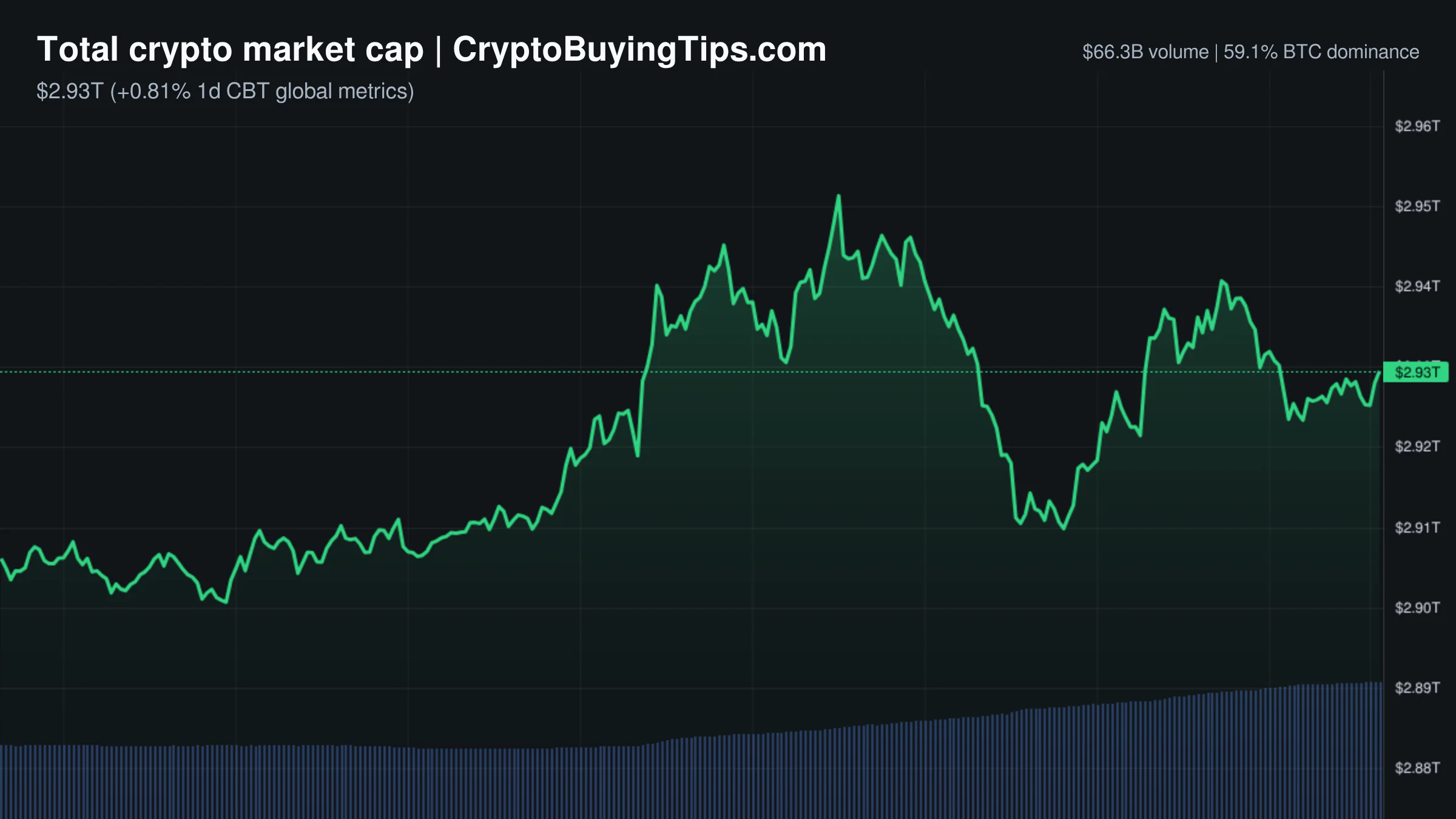
Crypto Market Overview | Speculative leverage dwarfs spot activity as bitcoin leads the market | October 5, 2026
Speculative leverage dwarfs spot activity as bitcoin leads the market overview; see how derivatives volume drives…