
How to buy Sonic (S)
This guide shows verified market-pair data, exchange listings, and related buying information for S. Always confirm fees, country availability, and withdrawal support directly with the exchange before depositing funds.
Buying checks for Sonic (S)
Buying routes
Some links may be affiliate links. Route data is shown only when it was found in our market-pair or route data.
| Exchange/route | Pair | Type | Volume/liquidity | Action |
|---|---|---|---|---|
 Gate | S/USDT | CEX | $98.9K | Check route |
 MEXC0% trading fee | S/USDT | CEX | $188.91K | Check route |
 Bitget | S/USDT | CEX | $210.65K | Check route |
 Binance | S/USDT | CEX | $1.9M | Check route |
BTCC | S/USDT | CEX | $979.94K | Check route |
XT.COM | S/USDT | CEX | $655.96K | Check route |
WhiteBIT | S/USDT | CEX | $621.33K | Check route |
KuCoin | S/USDT | CEX | $518.38K | Check route |
LBank | S/USDT | CEX | $487.85K | Check route |
 Bybit10% trading fee | S/USDT | CEX | $406.36K | Check route |
Risk checks
Token contract data is present for S; users should verify the exact address and network through official sources before transferring funds.
Exchange availability, KYC requirements, and account features can vary by country.
Deposit and withdrawal support is not verified unless a route source explicitly provides it.
CoinMarketCap page information is used only as low-confidence background context, not as proof of listings, fees, liquidity, or contract safety.
How this guide is checked
- Last verified
Last updated:
How to buy and use Sonic (S) on its native network
Sonic (S) is a cryptocurrency launched in 2024. It is a Layer-1 blockchain designed to support DeFi applications by combining speed and infrastructure. Users often seek to move S from an exchange to its native network to access ecosystem features like staking.
To use S on its native network, you must ensure your wallet supports the Sonic blockchain. Sending assets to a lookalike contract address or using the wrong network can result in a permanent loss of funds.
Verified routes to get S
S is available on several centralized exchanges. You should check your local country availability and KYC requirements before opening an account.
- Binance (S/USDT)
- Coinbase Exchange (S/USD)
- KuCoin (S/USDT)
- Bybit (S/USDT)
- OKX (S/USDT)
- Bitget (S/USDT)
- BTCC (S/USDT)
- XT.COM (S/USDT)
- MEXC (S/USDT)
- Gate (S/USDT)
- LBank (S/USDT)
- HTX (S/USDT)
- Bithumb (S/KRW)
- Toobit (S/USDT)
- Kraken (S/USD)
- CoinW (S/USDT)
- Binance TR (S/TRY)
- Ourbit (S/USDT)
- WhiteBIT (S/USDT)
- Deepcoin (S/USDT)
- Bitunix (S/USDT)
- BloFin (S/USDT)
- Hotcoin (S/USDT)
- WEEX (S/USDT)
- Bitvavo (S/EUR)
- OrangeX (S/USDT)
- KCEX (S/USDT)
- Binance TH (S/USDT)
- Tokocrypto (S/USDT)
- BtcTurk | Kripto (S/TRY)
- BTSE (S/USDT)
- BVOX (S/USDT)
- Pionex (S/USDT)
- Zoomex (S/USDT)
- AstralX (S/USDT)
What the native network does
Sonic is an EVM compatible Layer-1 blockchain. It is designed to provide high throughput and sub-second finality for decentralized applications.
The network includes a Fee Monetization program that allows developers to earn a portion of the fees generated by their applications. Additionally, the Sonic Gateway acts as a bridge to connect the network with Ethereum liquidity.
Wallet, transfer, and network-fee checks
Before transferring S, you must verify that your wallet is configured for the Sonic network.
- Network Verification: Use the official Sonic explorer to check your address and transaction status.
- Contract Address: The verified contract address for S on the Sonic platform is
0xeeeeeeeeeeeeeeeeeeeeeeeeeeeeeeeeeeeeeeee. - Fee Requirements: Like all Layer-1 networks, transactions on Sonic require a balance of the native token to pay for network fees.
Self-custody and withdrawal risks
Moving assets to self-custody removes exchange risk but introduces personal responsibility for security.
- Withdrawal Support: Deposit and withdrawal support for specific exchanges is not verified. You must check the exchange's current settings before attempting a transfer.
- Network Mismatch: Sending S to a wallet or exchange that does not support the Sonic network will result in loss of funds.
- Contract Risks: Always verify the contract address through the official website or litepaper before interacting with new protocols.
Sources and methodology
The routes listed in this guide are derived exclusively from verified market-pair rows in our database. We use web research and news for background context and risk identification. Information from CoinMarketCap pages is treated as low-confidence context and is not used as proof of fees or contract safety. Live market values, such as price and volume, are omitted because they change too frequently to remain accurate in a static guide.
Related Articles
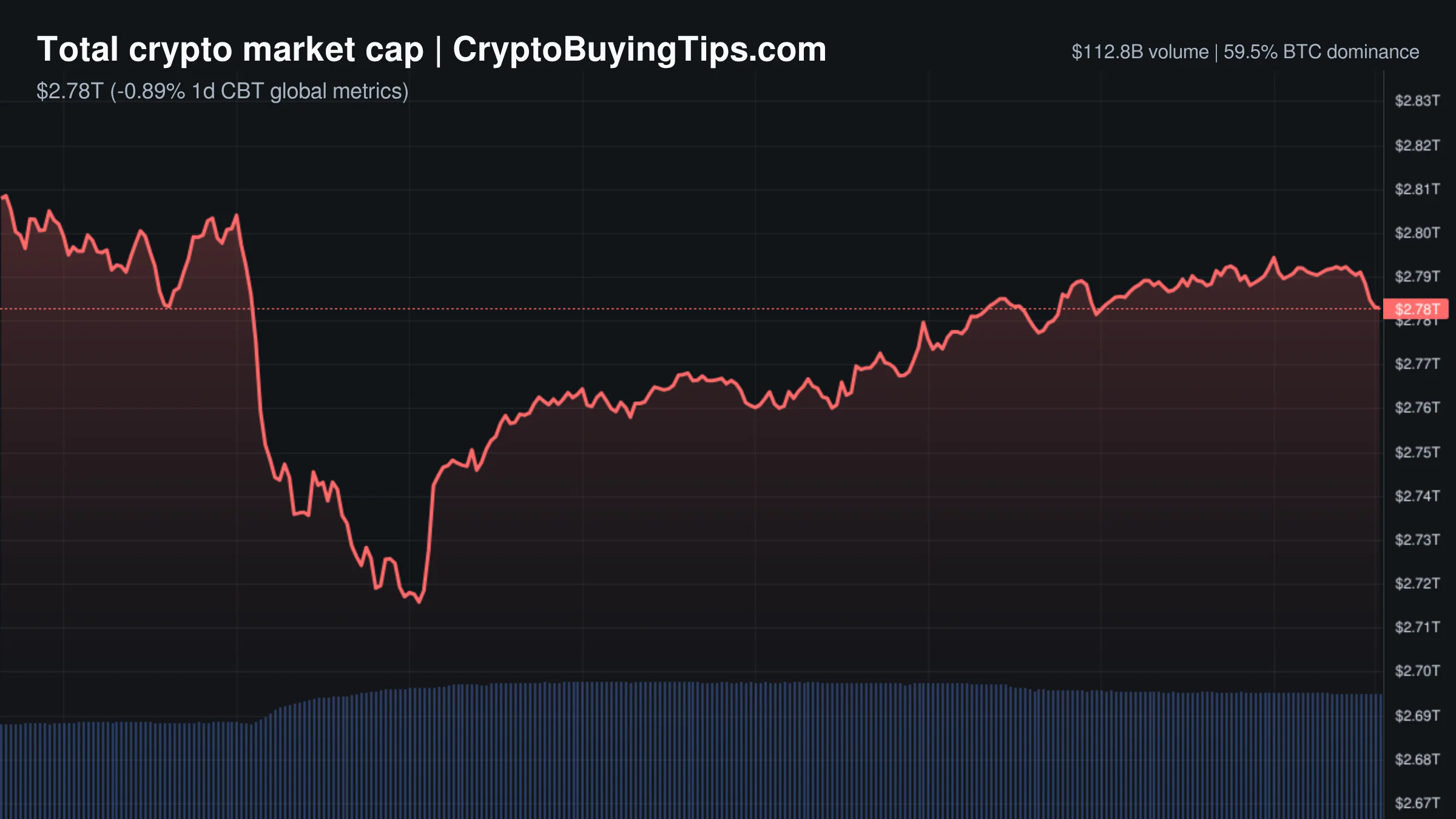
Crypto Market Overview | Volume surges amid regulatory friction and institutional accumulation | October 9, 2026
Crypto market overview shows volume surging amid price dips; see how institutional accumulation contrasts with…
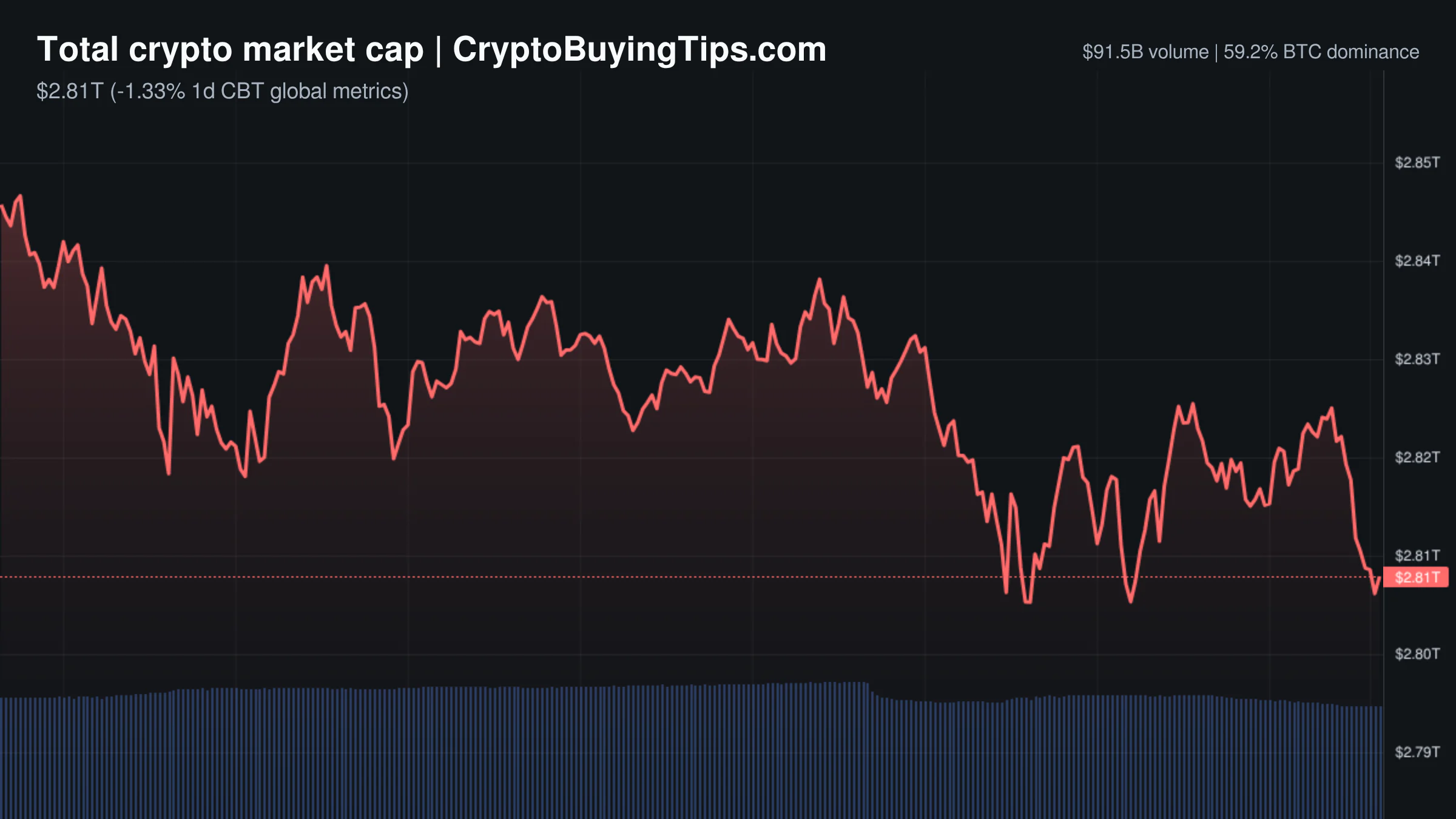
Crypto Market Overview | leveraged bets dwarf spot volume amid institutional outflows and regulatory pressure | October 8, 2026
Leveraged bets dwarf spot volume amid institutional outflows and regulatory pressure, detailing market dips in BTC and…

Moody's and central banks are legitimizing stablecoins while retail panics
The plumbing gets an upgrade, apparently without asking permission first. Stablecoin volume rises while overall market…
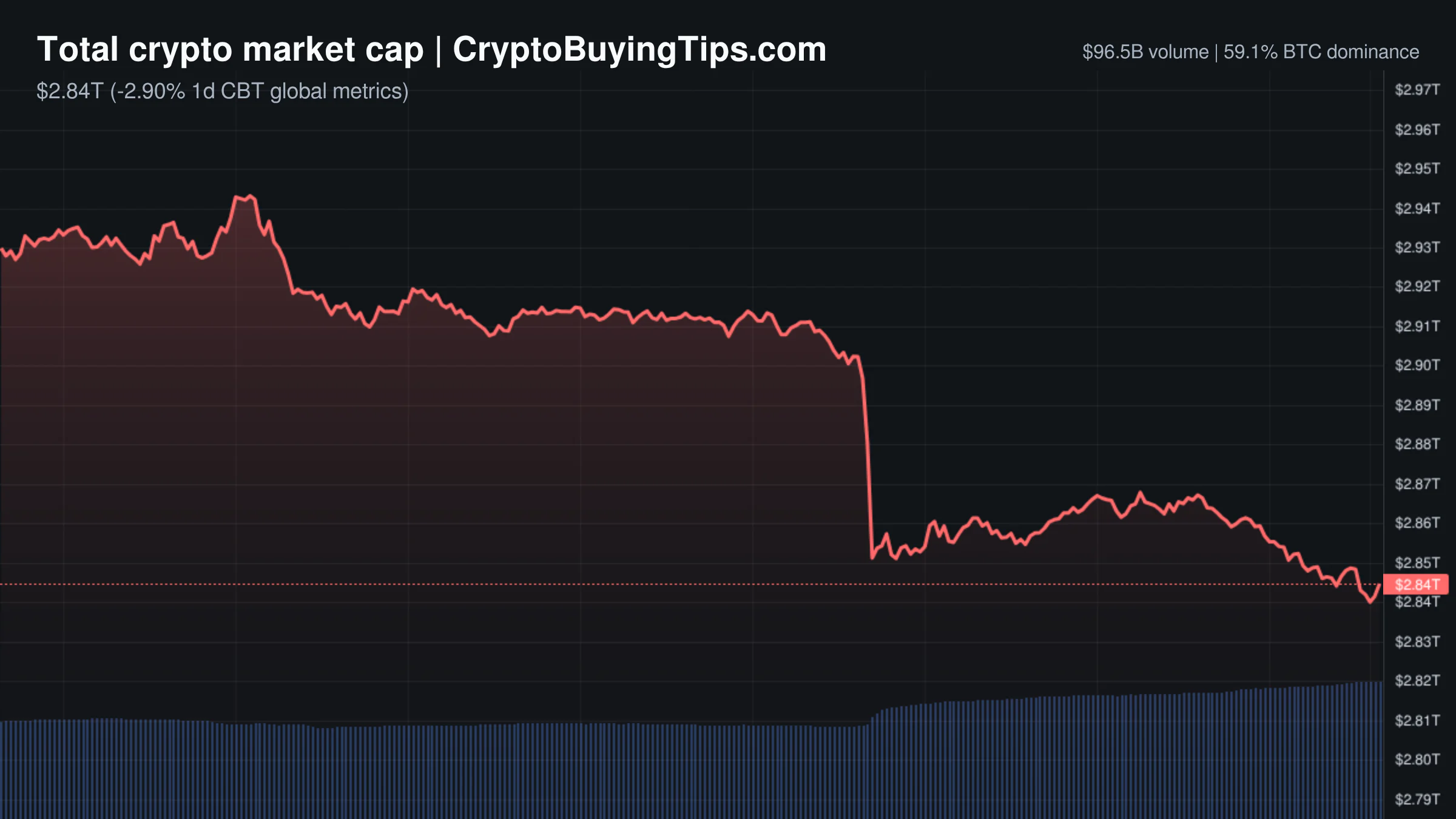
Crypto Market Overview | volume spikes amid institutional inflows despite quantum fears | October 7, 2026
Crypto market overview shows volume spikes amid institutional inflows despite quantum fears; see how ETF flows contrast…
Recent Articles
See moreEthereum gas fees are at a standstill. Here is why that is actually a warning
The quiet cost of transactions on Ethereum might feel like a bargain for beginners. Our read is that persistently low…
Moody's and central banks are legitimizing stablecoins while retail panics
The plumbing gets an upgrade, apparently without asking permission first. Stablecoin volume rises while overall market…
What is stablecoin dominance and why it is the most ignored lead indicator in crypto
The market seems greedy on paper, but our data suggests otherwise; stablecoin dominance acts as the true measure of…
Solana just tried to fire the clearinghouses
Another day, another attempt to make old banking rails look quaint. Solana’s Delivery-versus-Payment (DvP) rail is less…
Sonic Market Sentiment
Source: CoinMarketCap. Updated Oct 9, 2026, 12:16 PM
S to USD Converter

Sonic
S
Rank
#174
$0.05