

Bitcoin developers want to freeze 5.6 million coins and it is a dangerous precedent
I've been following the Bitcoin network since 2019, and there is one thing I thought was set in stone: the code is law. But a recent proposal to freeze 5.6 million dormant BTC to protect them from quantum computing attacks has me genuinely worried. For those of us who entered this space to escape the whims of centralized authorities, the question of whether can bitcoin developers freeze dormant wallets is not just a technical curiosity. It is a fundamental threat to the promise of censorship resistance.
What is actually happening
The core of the issue is the threat of quantum computing. In simple terms, a powerful enough quantum computer could potentially derive a private key from a public address, allowing a hacker to drain funds. To prevent this, some developers are suggesting a mechanism to "freeze" or lock coins that haven't moved in years. These are often coins from the early days of Bitcoin, some belonging to Satoshi Nakamoto himself.
The idea is to move these coins into a new, quantum-resistant address format. While that sounds like a helpful security upgrade, it requires a level of intervention that Bitcoin was specifically designed to avoid. We are talking about 5.6 million coins. If a small group of developers or a majority of miners decide who gets to move and who doesn't, Bitcoin stops being a neutral protocol and starts looking like a bank.
Why this is a governance nightmare
I find the logic here flawed. The argument is that we are protecting the "dead" coins, but who defines what is dormant? If you are a long-term holder who doesn't touch your keys for five years, do you suddenly lose control of your funds because a developer decided your wallet looked inactive?
In my experience, once you create a "backdoor" for a good reason, it only takes one bad actor or one government request to use that same door for something else. We've already seen this pattern with Layer 2s and stablecoins. I remember writing about how Arbitrum froze $71 million and how Tether can freeze USDT on a whim. That is exactly why I prefer keeping my assets in a hardware wallet. I use a Ledger Nano X because it gives me the peace of mind that my private keys are offline and under my sole control, regardless of what an exchange or a developer thinks.
If Bitcoin introduces the ability to freeze wallets, the "not your keys, not your coins" mantra becomes a lie. It doesn't matter if you have the keys if the network itself refuses to process your transaction.
The quantum threat vs the centralization risk
The strongest argument for the freeze is that a quantum attack would crash the market. If millions of BTC are suddenly stolen, the price would likely crater, hurting everyone. The developers see this as a pragmatic move to save the ecosystem.
But I disagree. The value of Bitcoin is not just in its price, but in its immutability. If we sacrifice decentralization to save the price, we are just building another version of the financial system that failed us in 2008. I'd rather face a technical challenge that the community solves through voluntary upgrades than a system where a few people can decide which wallets are "safe" and which are frozen.
Where I land on this
I am not a permabull and I know the quantum threat is real. But the solution cannot be a centralized kill switch. If the network needs to upgrade to quantum-resistant signatures, it should be a voluntary migration. Users should move their coins to new addresses themselves.
If the developers force a freeze, they aren't protecting the coins. They are claiming ownership of them. That is a line we cannot cross. If we allow this, we are admitting that Bitcoin is just another database managed by a board of directors. I cannot get behind that.
Related Tickers
Some links in this article may be affiliate links. We may earn a commission at no extra cost to you — this never influences our analysis or coverage.

Sigrid Voss
Crypto analyst and writer covering market trends, trading strategies, and blockchain technology.
More Articles
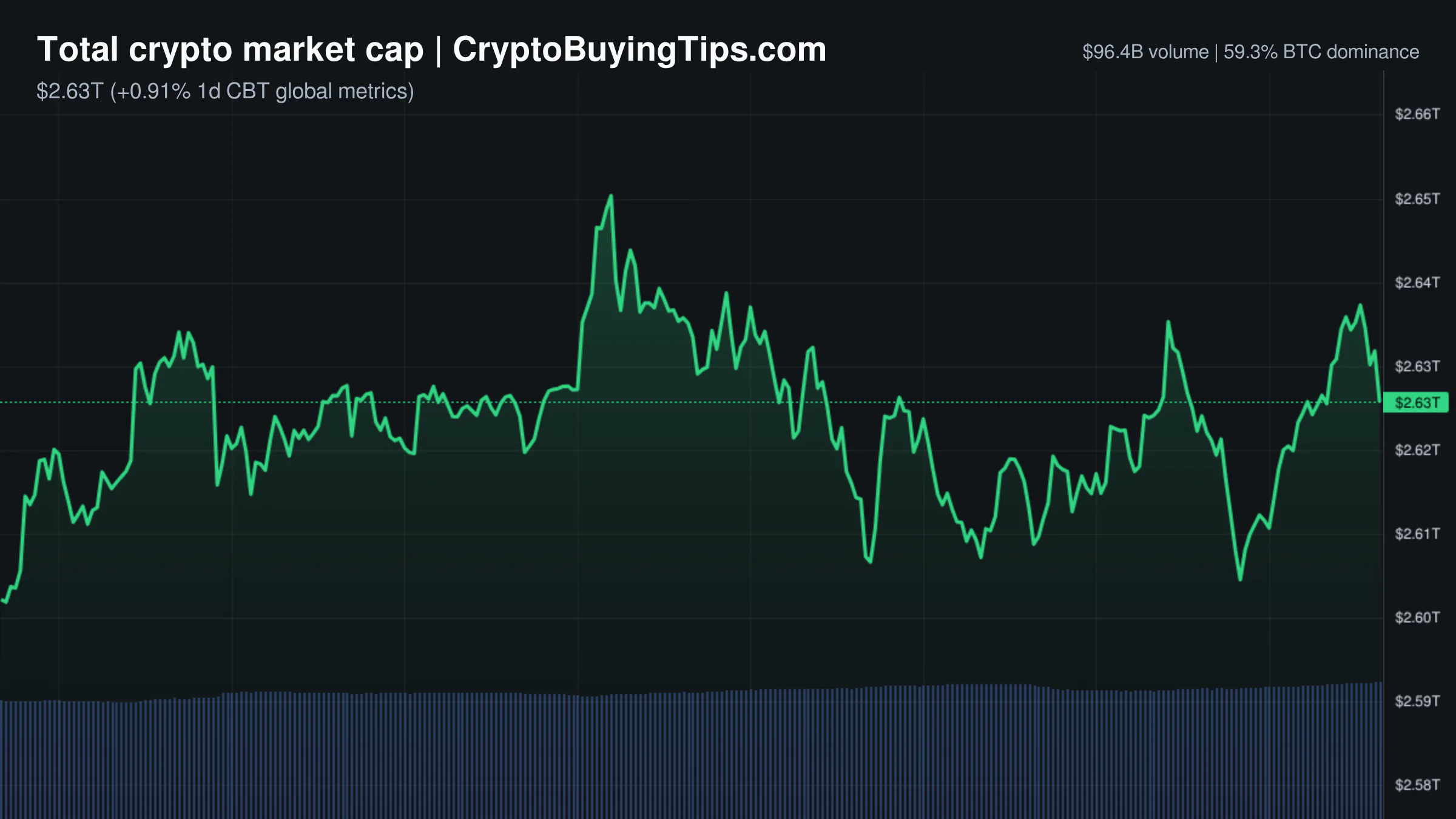
Crypto Market Overview | Leverage-driven rally amid strong ETF inflows as BTC targets 80k | August 24, 2026
Leverage-driven rally sees BTC near 80k amid strong ETF inflows; see our market overview on current crypto dynamics.

Derivatives volume is 8x higher than spot. Here is why that is a warning
The market's current price action seems to be driven by bets rather than cash; with derivatives volume eight times…
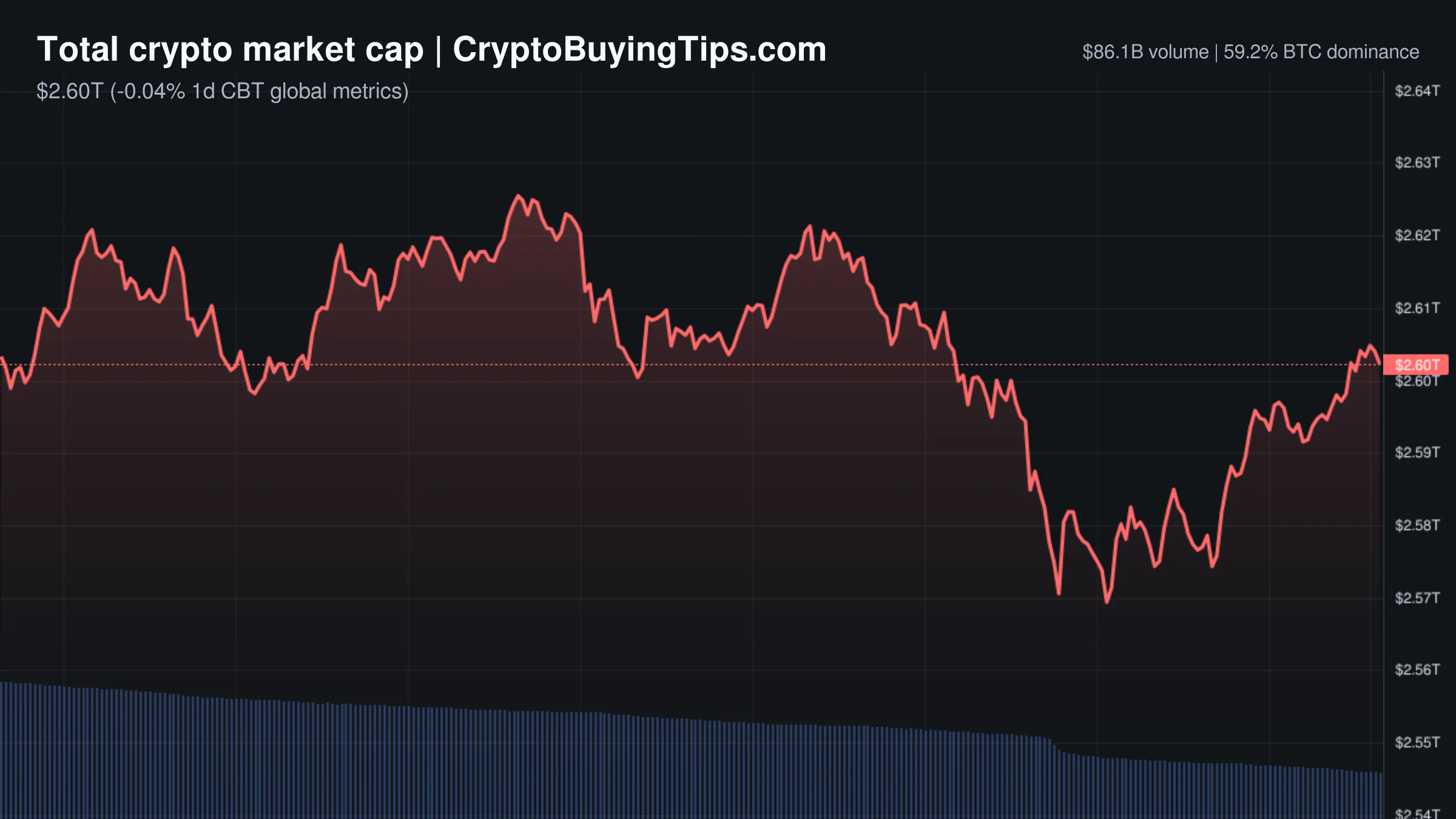
Crypto Market Overview | volume collapses as greed persists amid regulatory friction | August 23, 2026
Volume collapses as greed persists amid regulatory friction; see our market overview on crypto's current state and key…

Brussels is coming for DeFi vaults and the market is ignoring the risk
Brussels seems to think "decentralized" is just an aesthetic choice for now. Our read suggests MiCA regulation isn't…