
Canada just banned crypto ATMs and it's a warning shot for retail access
Canada is pulling the plug on crypto ATMs, and if you're trying to understand canada cryptocurrency laws 2026, this is the single most important development for retail investors right now. The Canadian Securities Administrators (CSA) announced a blanket ban on these machines, citing fraud prevention and anti-money laundering concerns as the driving force. They aren't slowing down adoption. They are cutting off the easiest on-ramp for ordinary people who don't want to upload their passport to an exchange.
This isn't just a local story. It's a blueprint.
I've been watching regulators circle this specific access point for years. The logic was always there. Crypto ATMs let you buy Bitcoin with cash, no questions asked. That anonymity is great for privacy advocates. It's terrible for regulators trying to track flows. Now that Canada has pulled the trigger, I expect other jurisdictions to follow suit quickly. The UK already raided P2P traders last month. The EU tightened rules on Russian platforms. The global trend is clear: if you can't verify the user, the access point gets shut down.
Why canada cryptocurrency laws 2026 matter for your privacy
The new regulations effectively classify crypto ATM operators as money services businesses that must register and comply with strict reporting requirements. In practice, most operators can't meet these demands profitably, so they are shutting down. The result is a market where buying crypto requires full KYC (Know Your Customer) verification.
For me, this hits a nerve. I started using crypto because I was tired of systems that treated every transaction like a crime scene. When my family dealt with the fallout of 2008, I saw how quickly banks could freeze access or demand paperwork for legitimate movements of money. Crypto offered an exit. Now, governments are rebuilding the walls around that exit, one ATM at a time.
The official narrative is consumer protection. Regulators claim these machines are hubs for scams, pointing to data showing billions lost to fraud facilitated by cash deposits. There is truth to that. Scammers love telling grandparents to wire cash via Bitcoin ATM because it's irreversible. But the solution shouldn't be banning the technology for everyone. It should be better education and targeted enforcement. Instead, we get a blanket restriction that treats every user like a potential money launderer.
The shift from self-custody to surveillance
What worries me most isn't the loss of convenience. It's the signal this sends about where regulators want your coins to live.
ATMs allowed you to buy Bitcoin and send it straight to your own wallet. No middleman holding your keys. No exchange risk. Just you and your private keys. With ATMs gone, the default path forces new users onto centralized exchanges like Bybit or Gate.com. These platforms require ID uploads, phone numbers, and often proof of address. You buy the coin, but you don't really control it until you withdraw. And many beginners never make that withdrawal. They leave their funds on the exchange, exposed to counterparty risk.
We saw what happened when Bybit got hacked in early 2025. They covered the losses, yes, but it took a $1.5 billion breach to prove that even "top-tier" exchanges are vulnerable. Relying on intermediaries defeats the purpose of decentralized money.
If you are looking for alternatives to ATMs that still respect your privacy, non-custodial swap services are becoming the new standard. Platforms like StealthEX let you swap assets without creating an account or uploading ID. They don't hold your funds, which removes the exchange hack risk entirely. The trade-off is slightly higher fees compared to major centralized exchanges, but for many, that cost is worth the privacy.
What happens next
I'm watching two things closely. First, will the US or EU adopt similar bans? The language used by Canadian regulators mirrors drafts I've seen in Brussels. Second, will P2P trading volumes spike as people look for workarounds?
The market data suggests caution. Fear & Greed is sitting at 43 (Neutral), and Bitcoin dominance is hovering near 60%. People are hunkering down. In times like this, regulatory shocks hit harder because sentiment is already fragile. If retail access gets choked off globally, we could see liquidity dry up for smaller altcoins that depend on fresh retail capital.
My advice? Don't wait for regulators to close other doors. If you are serious about holding crypto long-term, get comfortable with self-custody now. Hardware wallets like the Ledger Nano S Plus cost less than a dinner out and give you full control over your assets. They aren't as convenient as tapping an ATM, but they ensure that no government decision can freeze your savings.
Canada made its choice. The rest of the world is watching. Make sure you're ready before they follow suit.
Some links in this article may be affiliate links. We may earn a commission at no extra cost to you — this never influences our analysis or coverage.

Sigrid Voss
Crypto analyst and writer covering market trends, trading strategies, and blockchain technology.
More Articles
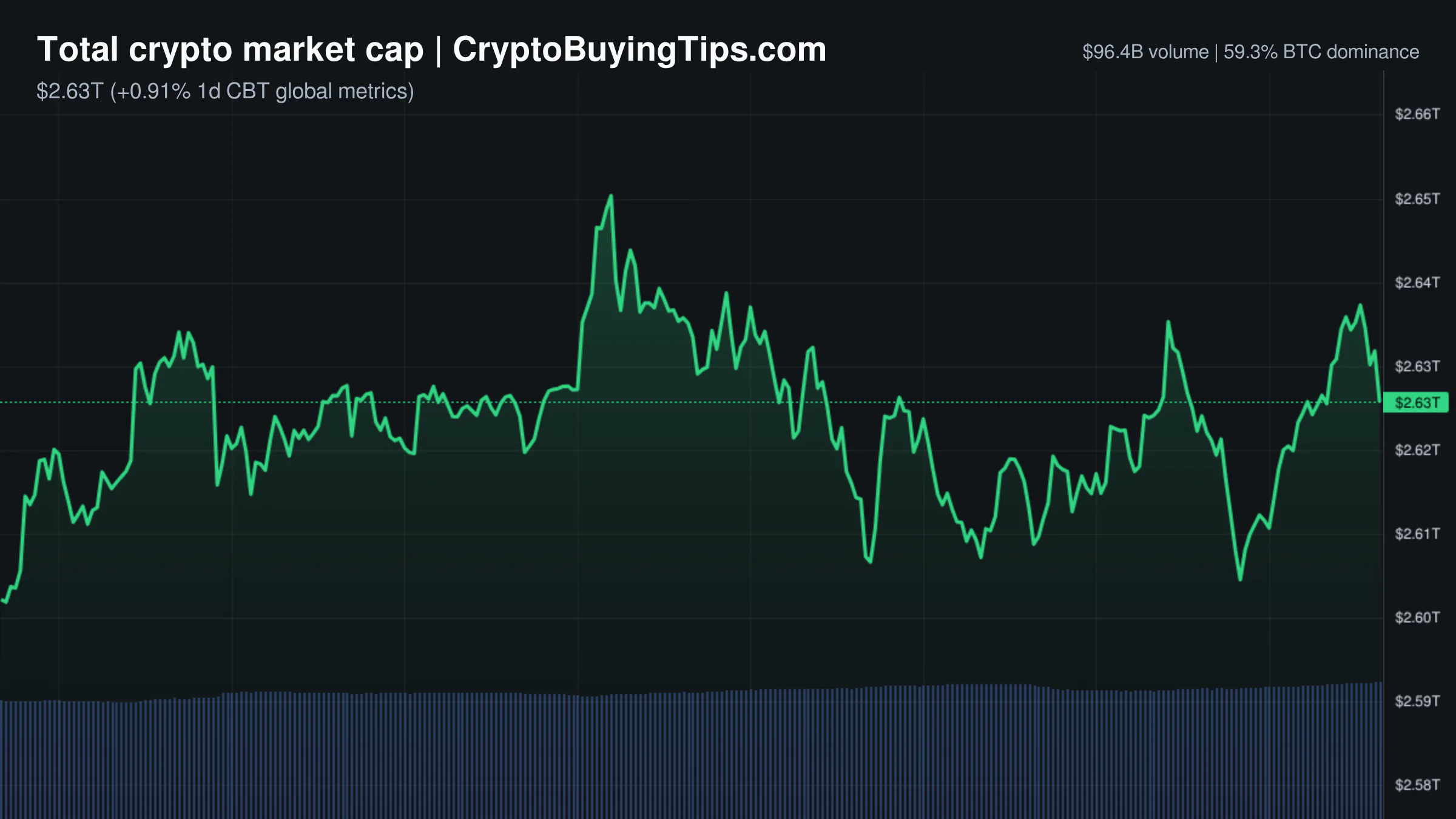
Crypto Market Overview | Leverage-driven rally amid strong ETF inflows as BTC targets 80k | August 24, 2026
Leverage-driven rally sees BTC near 80k amid strong ETF inflows; see our market overview on current crypto dynamics.
Derivatives volume is 8x higher than spot. Here is why that is a warning
The market's current price action seems to be driven by bets rather than cash; with derivatives volume eight times…
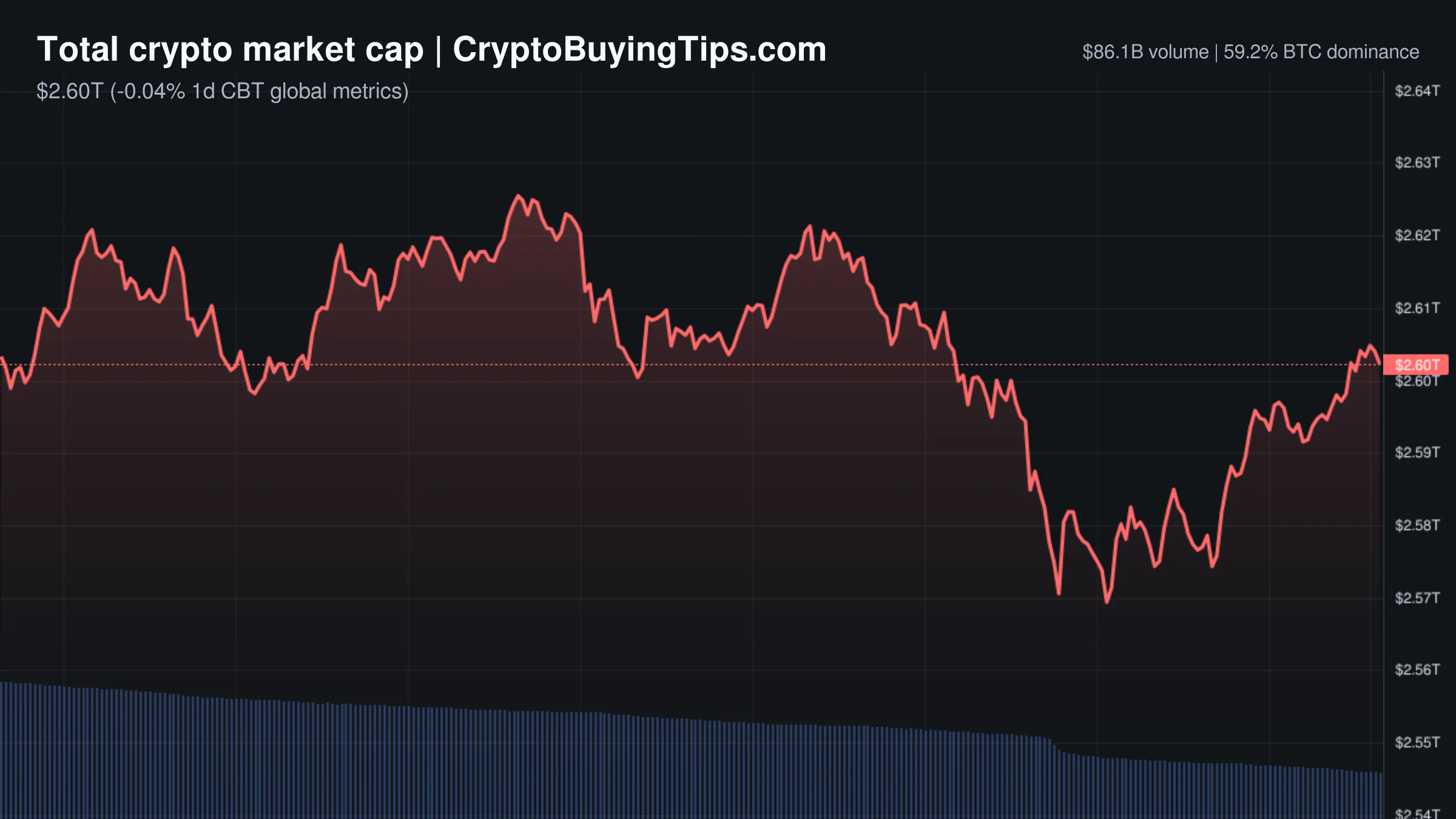
Crypto Market Overview | volume collapses as greed persists amid regulatory friction | August 23, 2026
Volume collapses as greed persists amid regulatory friction; see our market overview on crypto's current state and key…

Brussels is coming for DeFi vaults and the market is ignoring the risk
Brussels seems to think "decentralized" is just an aesthetic choice for now. Our read suggests MiCA regulation isn't…