
Japan is building crypto trusts for retail investors and it changes everything
For years, the conversation around institutional adoption has been obsessed with the US. We've spent all our time talking about BlackRock and the SEC, but while we were looking West, Japan decided to stop playing around. The news that giants like SBI and Rakuten are building in-house crypto trusts is a massive shift. For the average person in Tokyo or Osaka, this might finally be the best way to buy bitcoin in japan without having to deal with the stress of seed phrases or the clunky interfaces of early exchanges.
What is actually happening
In plain English, Japan is creating a bridge. Instead of forcing retail investors to open a separate account on a crypto exchange and figure out how to move funds, these trusts allow people to buy into Bitcoin and Ethereum through their existing brokerage accounts.
SBI and Rakuten are not just adding a "buy" button. They are building structured investment trusts. This means the crypto is held by a professional custodian, and the investor holds a share of that trust. It removes the friction of onboarding. If you already have a retirement account or a stock portfolio with these firms, adding a crypto position becomes as simple as buying a mutual fund.
Why this is a game changer
I've been tracking this since 2019, and the biggest hurdle for crypto has always been "the friction." Most people don't want to be their own bank, even if that's the core philosophy of the tech. They just want exposure to the asset.
By integrating crypto into the traditional financial plumbing, Japan is opening a liquidity pipeline that is far wider than a few niche exchanges. We've seen similar moves in the US, and we previously covered how retail crypto exchanges like Schwab are trying to do the same, but Japan's approach feels more integrated into the national savings culture.
This is a direct result of Japan's crypto regulation shifting to treat these assets as legitimate financial instruments. When the government stops treating crypto like a gamble and starts treating it like a security, the big banks move in.
The trade off between ease and ownership
Here is where I get skeptical. There is a huge difference between owning a trust and owning the actual coins. When you use a trust, you are trusting a third party to hold the keys. You don't have the coins in your own pocket.
For a lot of people, that is a trade they are happy to make for the sake of convenience. But for those who actually care about the "decentralized" part of cryptocurrency, this is a step backward. It's the same problem we see with the big US brokerages. You get the price action, but you lose the sovereignty.
If you are one of the people who wants the upside of Bitcoin but refuses to trust a bank with your keys, you need a hardware wallet. I usually suggest the Ledger Nano Gen5 for anyone starting out because it's affordable and brings the E Ink touchscreen to the entry-level price point. It's a far safer bet than leaving your life savings in a corporate trust.
My take on the macro impact
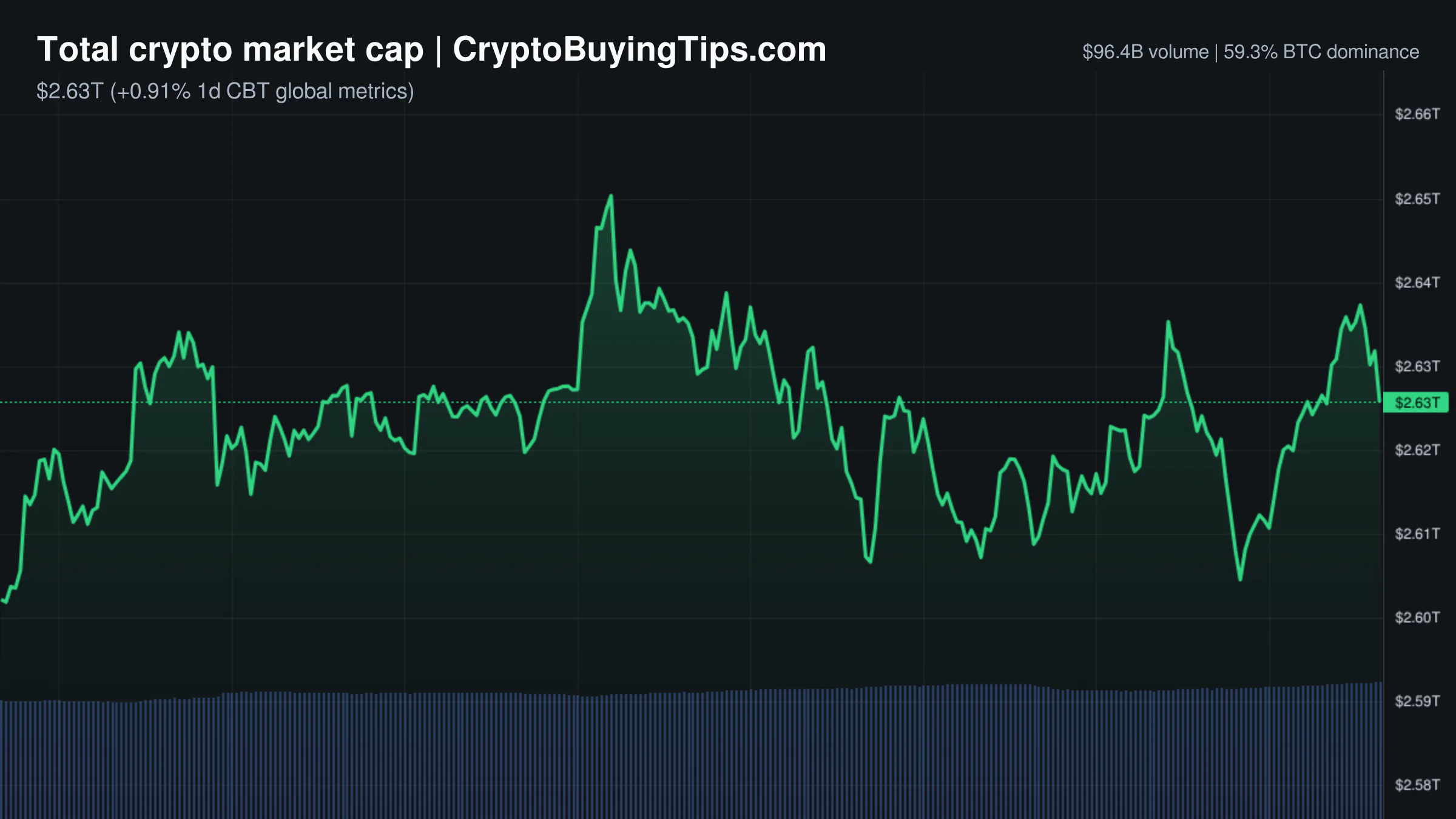
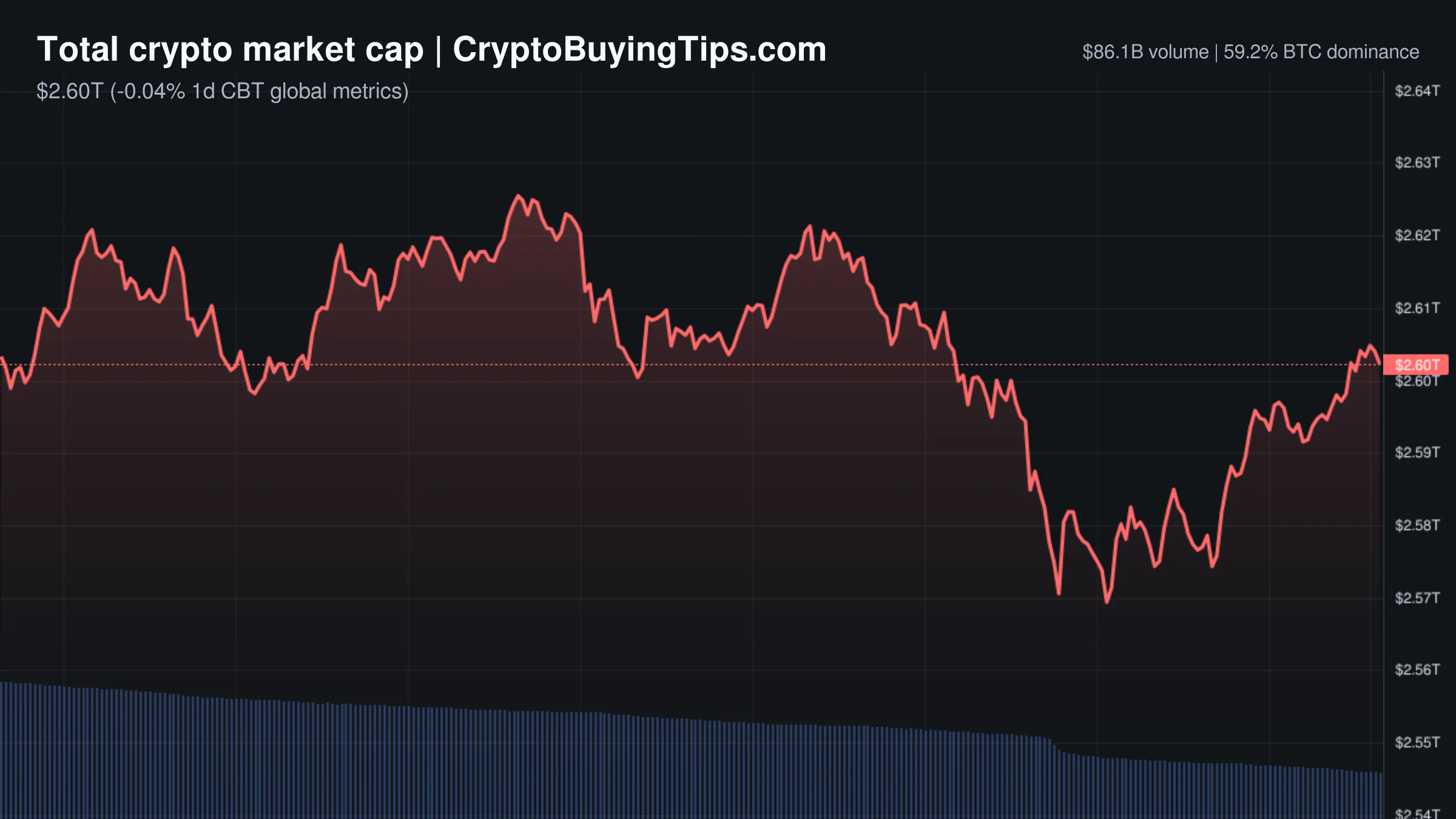
Right now, the market is in a weird spot. The Fear & Greed Index is sitting at 42, which is basically a shrug. Total market cap is around $2.80T, but we're seeing a massive collapse in volume, with spot volume dropping about 31% in 24 hours.
In this kind of environment, retail excitement is low. But that is exactly why these trusts matter. They don't rely on "hype" or Twitter trends. They rely on systemic allocation. When a Japanese grandmother decides to put 2% of her savings into a "Digital Asset Trust" via Rakuten, that is a different kind of buying pressure than a 20-year-old longing a meme coin on 100x leverage.
I think we are moving toward a world where "crypto" as a term disappears and it just becomes another asset class in a diversified portfolio. Japan is just leading the way in making that transition seamless. It's not the "revolution" the cypherpunks wanted, but it's how the world actually works.
Trade the news at our editorial-picked exchange: Gate
Some links in this article may be affiliate links. We may earn a commission at no extra cost to you — this never influences our analysis or coverage.

Sigrid Voss
Crypto analyst and writer covering market trends, trading strategies, and blockchain technology.
More Articles
Crypto Market Overview | Leverage-driven rally amid strong ETF inflows as BTC targets 80k | August 24, 2026
Leverage-driven rally sees BTC near 80k amid strong ETF inflows; see our market overview on current crypto dynamics.

Derivatives volume is 8x higher than spot. Here is why that is a warning
The market's current price action seems to be driven by bets rather than cash; with derivatives volume eight times…
Crypto Market Overview | volume collapses as greed persists amid regulatory friction | August 23, 2026
Volume collapses as greed persists amid regulatory friction; see our market overview on crypto's current state and key…

Brussels is coming for DeFi vaults and the market is ignoring the risk
Brussels seems to think "decentralized" is just an aesthetic choice for now. Our read suggests MiCA regulation isn't…