

Ondo just tokenized BlackRock, but the custodial model is the real story
The persistent narrative around tokenized assets is fascinating, especially when we look at how Ondo announced it tokenizes BlackRock’s IVV ETF. For most, the headline is simply that a giant like BlackRock is involved. But for those of us watching the plumbing, the real story is the shift from offshore "wrappers" to an SEC-aligned custodial model. Before we get into the weeds, we should probably answer the basic question for the uninitiated: what is a tokenized stock?
The short answer
A tokenized stock is a digital token on a blockchain that represents ownership of a traditional equity, such as a share in a public company or an ETF. Instead of your shares sitting in a traditional brokerage account, they are represented as tokens that can be traded 24/7.
Our news scoring system rated this story 9/10 for novelty. The reason is simple. Most previous attempts at this used synthetic wrappers, which are essentially "I owe you" notes issued by a company in a friendly offshore jurisdiction. Ondo is doing something different. They are using a regulated US custodial framework. This is a move from "trust us" to "the regulator is watching."
How does what is a tokenized stock work?
To understand why this matters, you have to understand the difference between a synthetic token and a custodial token. In a synthetic model, a provider might buy 100 shares of a stock and then issue 100 tokens. However, the token holder doesn't actually own the share. They own a derivative that tracks the price. If the provider goes bust, you are just another unsecured creditor hoping for a miracle.
Ondo’s new model changes the ownership chain. According to theblock.co, the underlying IVV and Micron shares stay within the traditional US custody chain. Then, Oasis Pro TA, which is Ondo’s SEC-registered transfer agent subsidiary, mints tokens that are backed 1:1 by those securities.
This means the assets are not floating in a legal void. They are held in a way that aligns with the SEC's protection objectives. We've seen this transition before. We previously covered how the tokenize securities regulation is finally shifting to let banks move assets on-chain without fearing a surprise visit from regulators.
Our systems assign this specific shift a liquidity impact of 8/10. When you remove the "offshore risk" premium, you make the asset palatable for institutional capital that cannot legally touch synthetic derivatives.
Where people get tripped up
The common mistake is thinking that "tokenization" is a single technology. It isn't. It is a legal arrangement wrapped in code. Many people see a token and assume it is decentralized. In reality, these are highly centralized receipts.
We've warned about this before. We previously noted that the tokenizing stocks trap often involves centralized receipts wearing blockchain paint. The risk here isn't the blockchain; it's the counterparty. If the transfer agent or the custodian fails, the token is just a piece of digital art.
However, the move toward an SEC-aligned model reduces that counterparty risk significantly. Our news scoring system rated this story 9/10 for macro impact because it validates a production deployment of the SEC's third-party custodial framework.
There is a certain irony in the timing. The broader market is currently in a state of mild panic. The Fear & Greed Index is at 23, and the NASDAQ recently dropped 1.73%. While retail traders are staring at red candles and worrying about the end of the world, the institutional world is quietly building the bridge that will eventually let them move trillions of dollars in equities onto Ethereum.
Putting it into practice
If you are tracking the RWA (Real World Asset) sector, stop looking at the tickers and start looking at the custody. The "who holds the asset" question is more important than the "which chain is it on" question.
The primary regulatory hurdle for institutional adoption was the use of a US custodial structure. Ondo has effectively cleared that hurdle for these specific assets.
When assessing other RWA projects, ask these two questions:
- Is the asset held by a regulated US custodian, or is it in an offshore wrapper?
- Is there a registered transfer agent managing the 1:1 backing?
If the answer to either is "we're working on it," the risk profile is vastly different from the Ondo model. The gap between a regulated security and a synthetic token is the difference between a legal claim and a hopeful bet.
Some links in this article may be affiliate links. We may earn a commission at no extra cost to you — this never influences our analysis or coverage.

Sigrid Voss
Crypto analyst and writer covering market trends, trading strategies, and blockchain technology.
More Articles
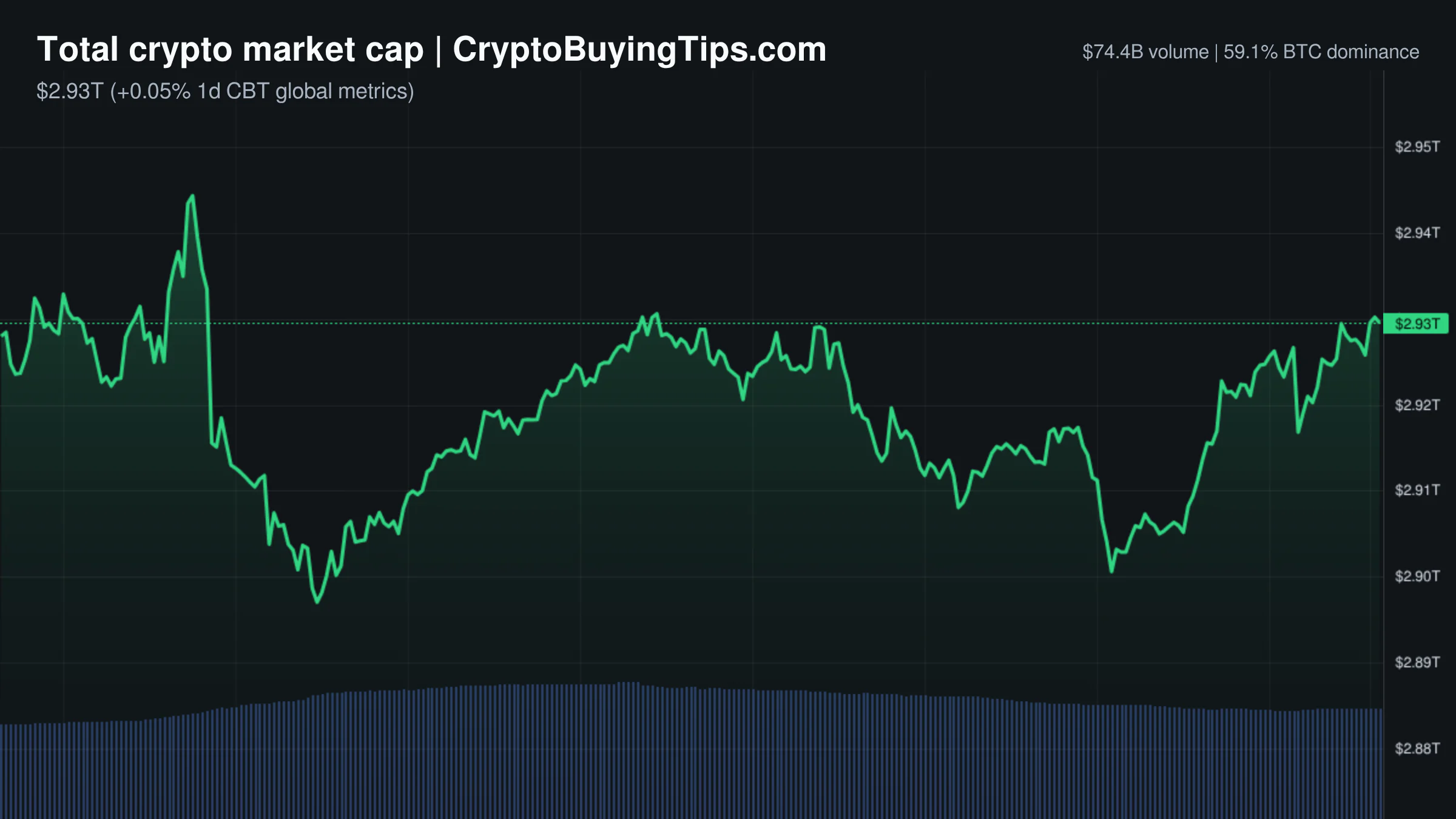
Crypto Market Overview | Leveraged derivatives volume dwarfs spot trading amid institutional infrastructure developments | October 6, 2026
Leveraged derivatives volume dwarfs spot trading at $2.93T market cap; see how institutional infrastructure developments…

Solana just tried to fire the clearinghouses
Another day, another attempt to make old banking rails look quaint. Solana’s Delivery-versus-Payment (DvP) rail is less…
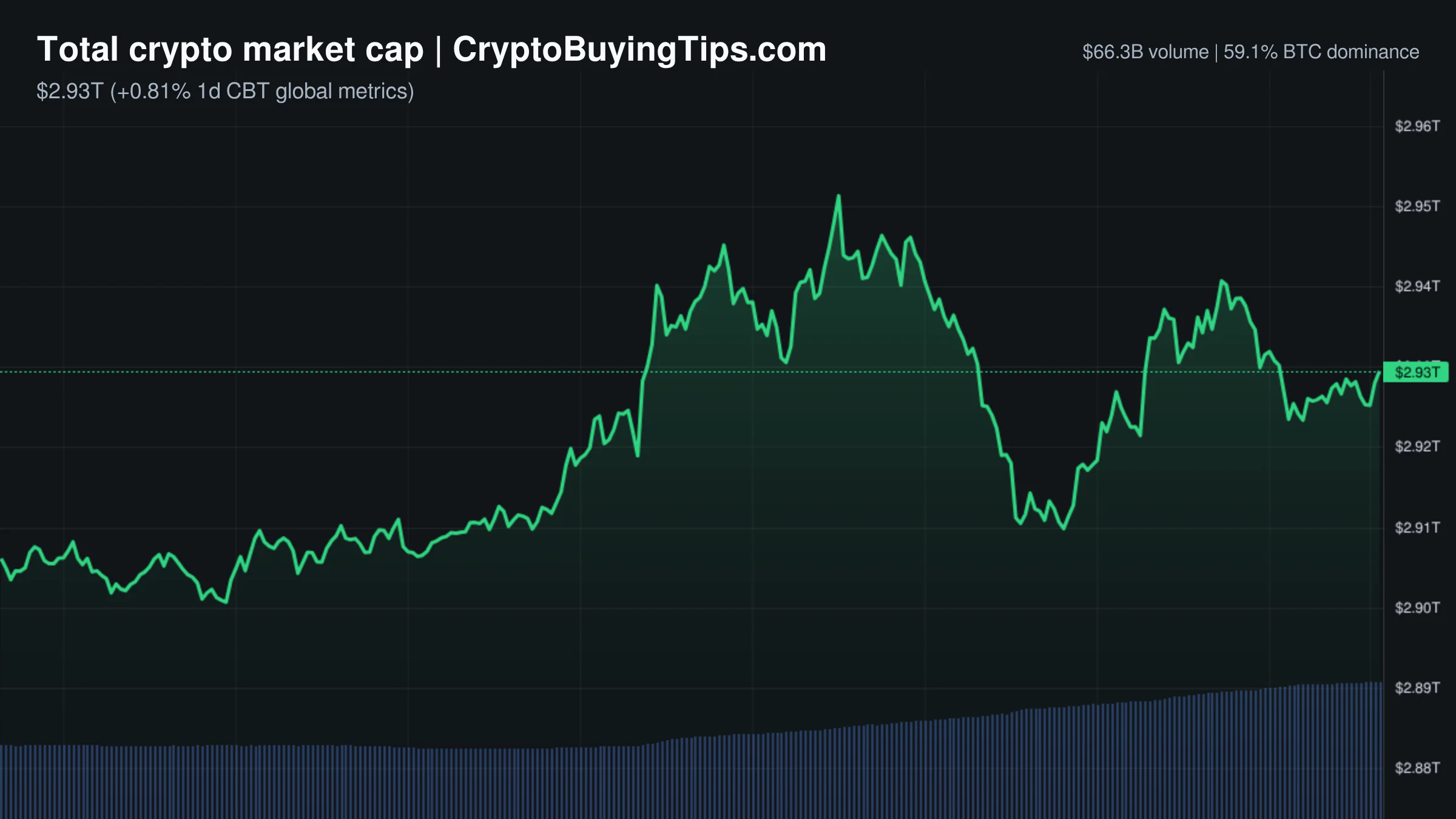
Crypto Market Overview | Speculative leverage dwarfs spot activity as bitcoin leads the market | October 5, 2026
Speculative leverage dwarfs spot activity as bitcoin leads the market overview; see how derivatives volume drives…

FET rips 13% as the market bets on the new AI czar
The AI narrative continues to drive capital flow regardless of policy nuance; FET jumped over 13 percent on news linking…