

Revolut leaked customer data. Here is how to actually protect your crypto
The headline 'Revolut leaked customer data' forces us to ask: how to protect crypto from data leaks when institutional breaches are this public? Most users assume their funds are safe as long as their private keys aren't on a sticky note. But the Revolut incident proves that the threat is often wider than the wallet. When a fintech giant loses your Personally Identifiable Information (PII), the risk shifts from a direct hack to a sophisticated social engineering campaign.
Understanding the threat surface in digital finance
The Revolut breach isn't a story about stolen private keys, but about stolen identities. Our news scoring system rated this story 9/10 for novelty because it highlights a specific attack vector: the use of "fake government emails" to target users. When attackers possess your full name, address, and account details, they don't need to crack your encryption. They just need to convince you that a regulator is auditing your account.
This is the danger of the modern digital finance setup. We've moved toward a world where stablecoin dominance sits at 9.708038642678005, showing a massive amount of capital waiting on the sidelines in centralized wrappers. The more services you link to your identity, the larger your attack surface becomes. If a third party handles your PII, they are essentially holding a map to your digital life.
Beyond the wallet: securing your digital identity
Many traders think a hardware wallet is a magic shield. It solves the problem of key custody, but it does nothing to stop a targeted phishing attack based on leaked data. If an attacker knows you use a specific exchange and has your KYC details, they can craft a message that looks identical to an official notice.
We previously covered how your kyc data is a target and why that makes you a target for "wrench attacks" or sophisticated fraud. The risk is that your non-custodial security is only as strong as your operational security (OpSec).
The market is currently in a Bitcoin-centric phase, with Ethereum dominance at 10.2%. While the assets themselves are secure on the blockchain, the humans managing them are not. A custodial wallet, where a third party manages the keys, is a single point of failure for the funds. A non-custodial wallet, where you hold the keys, is a single point of failure for the user. As BitGo explains, the trade-off is between convenience and total responsibility.
How to protect crypto from data leaks
Protecting your assets requires a layered defense. You cannot stop a company from leaking your email address, but you can make that information useless to a hacker.
First, separate your identities. Use a dedicated email address for your financial accounts that is not linked to your social media or public profiles. This prevents attackers from connecting your leaked PII to your online persona.
Second, move high-value assets to cold storage. A hardware wallet like the Ledger Nano Gen5 ensures that even if a hacker convinces you to click a link, they cannot move your funds without physical access to the device. This is the only way to truly decouple your funds from your digital identity.
Third, implement strict operational hygiene. This includes:
- Using a reputable password generator and hardware-based 2FA instead of SMS-based codes, which are vulnerable to SIM swapping.
- Following the advice from security.org to keep a low profile online. Bragging about your holdings is essentially providing a roadmap for attackers.
- Regularly auditing which apps have access to your primary email and phone number.
Our news scoring system rated the Revolut story 7/10 for liquidity impact. While a data leak doesn't usually cause a price crash, it does trigger a rotation of "smart money" away from centralized hubs. With Bitcoin dominance at 58.84%, the concentration of wealth makes the incentive for targeted attacks higher than ever.
We previously discussed how the FBI says 11.4 billion was lost to fraud. Most of those losses didn't happen because the blockchain failed. They happened because the user was tricked.
What we're watching next
We are monitoring the fallout of the Revolut breach for signs of "credential stuffing" attacks across other fintech platforms. If the leaked data includes hashed passwords that are easily cracked, we expect to see a spike in unauthorized login attempts across the industry.
The real trigger to watch is the adoption of multi-signature (multi-sig) requirements for retail users. Until multi-sig becomes a standard for non-institutional wallets, the "single point of failure" problem persists. We'll be tracking whether major wallet providers integrate these features to mitigate the impact of PII leaks.
For now, the rule is simple. Assume your data has already leaked. Build your security around that assumption rather than hoping your provider has a competent security team.
Some links in this article may be affiliate links. We may earn a commission at no extra cost to you — this never influences our analysis or coverage.

Sigrid Voss
Crypto analyst and writer covering market trends, trading strategies, and blockchain technology.
More Articles
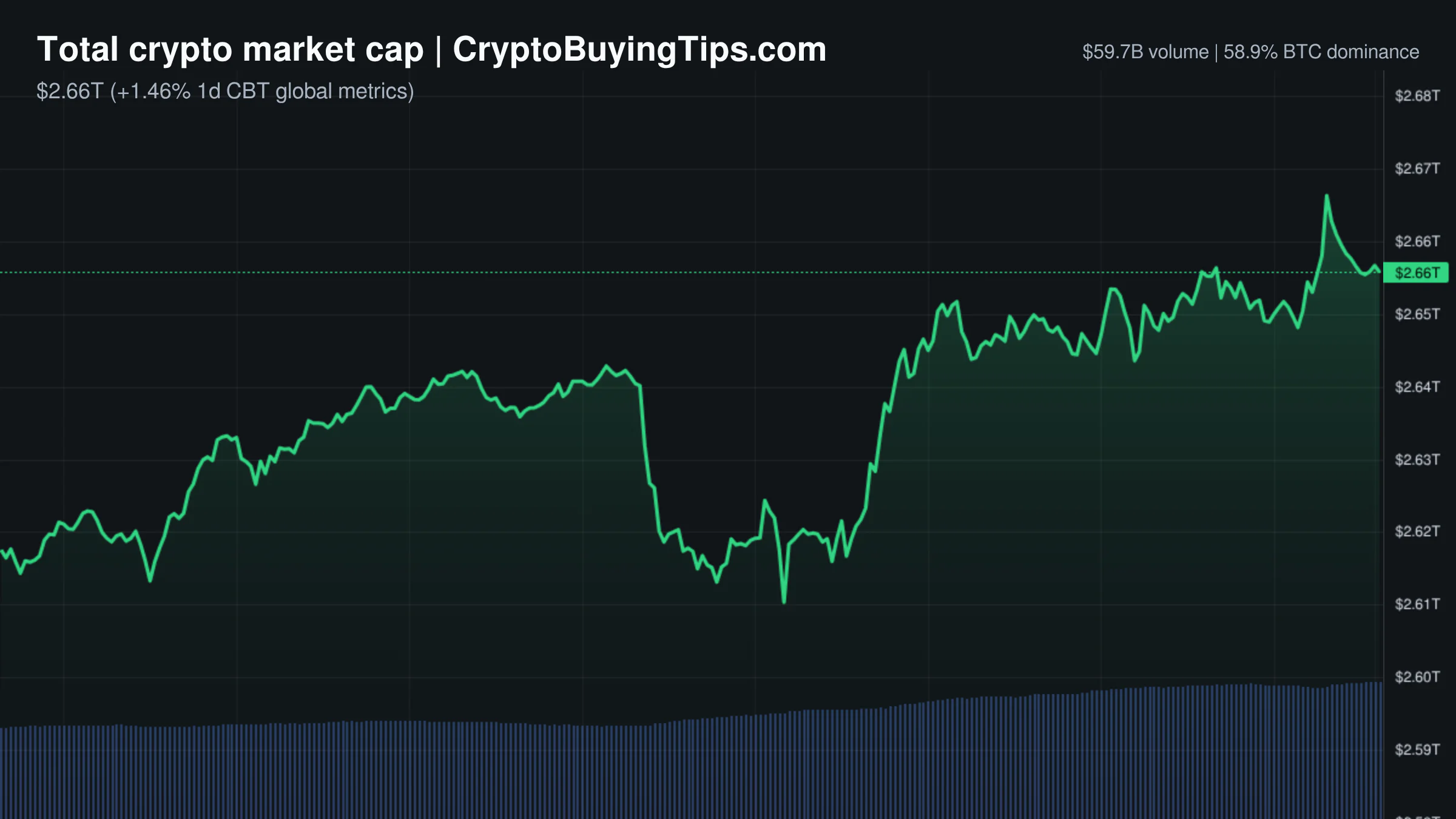
Crypto Market Overview | leveraged bets surge amid mixed ETF flows and pending legislation | September 14, 2026
Leveraged bets surge in crypto as ETF flows mix signals amid pending legislation and macro uncertainty for market…
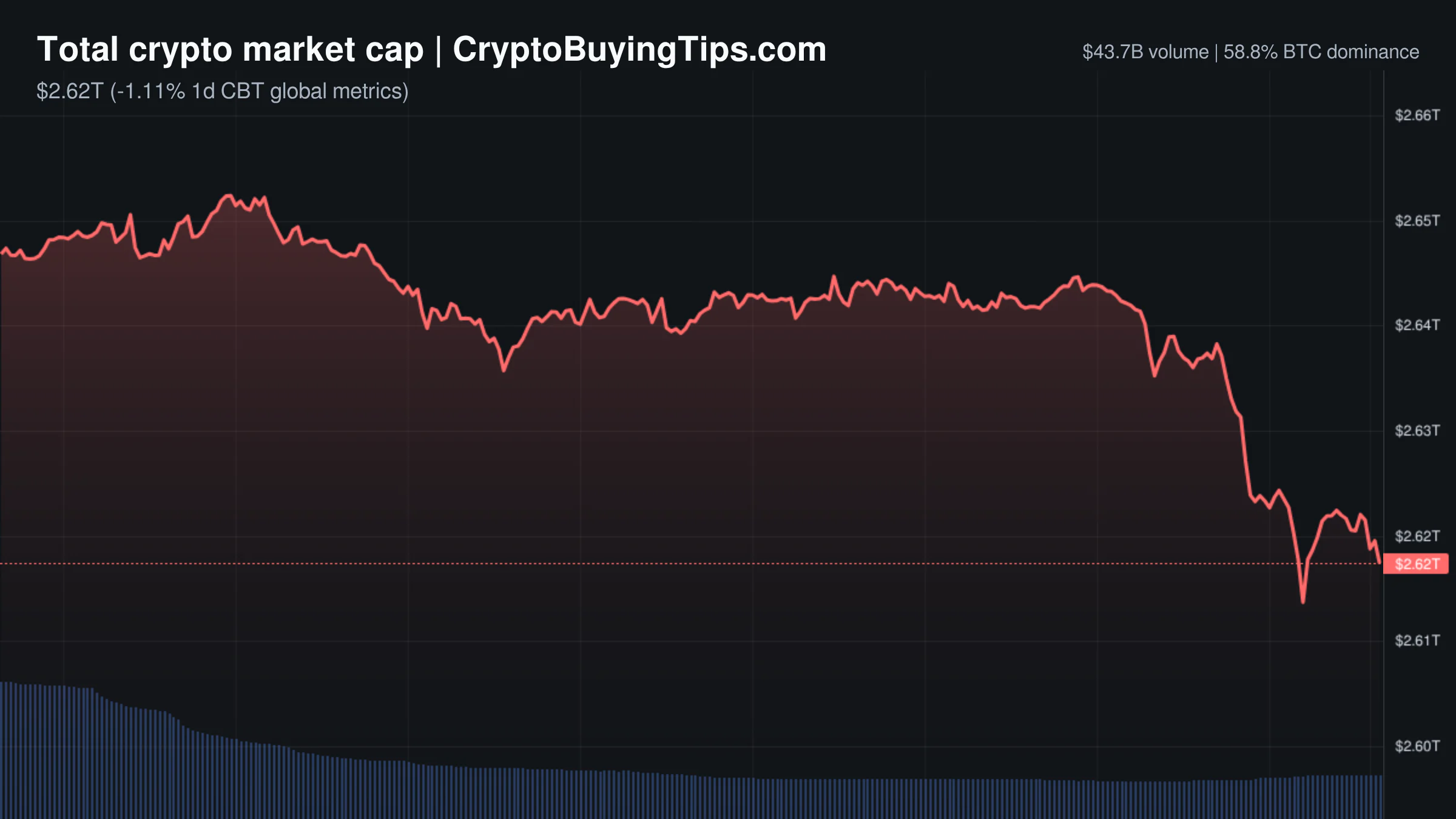
Crypto Market Overview | liquidity vacuum amid trust issues and cooling ai narratives | September 13, 2026
Liquidity vacuum hits crypto markets amid trust issues and cooling ai narratives; see our overview on BTC dominance and…

AI leaders want a slowdown, but our signal scanner sees a different story
The AI leaders suggest hitting pause on development; our signal scanner suggests otherwise for WLD and NEAR. The…
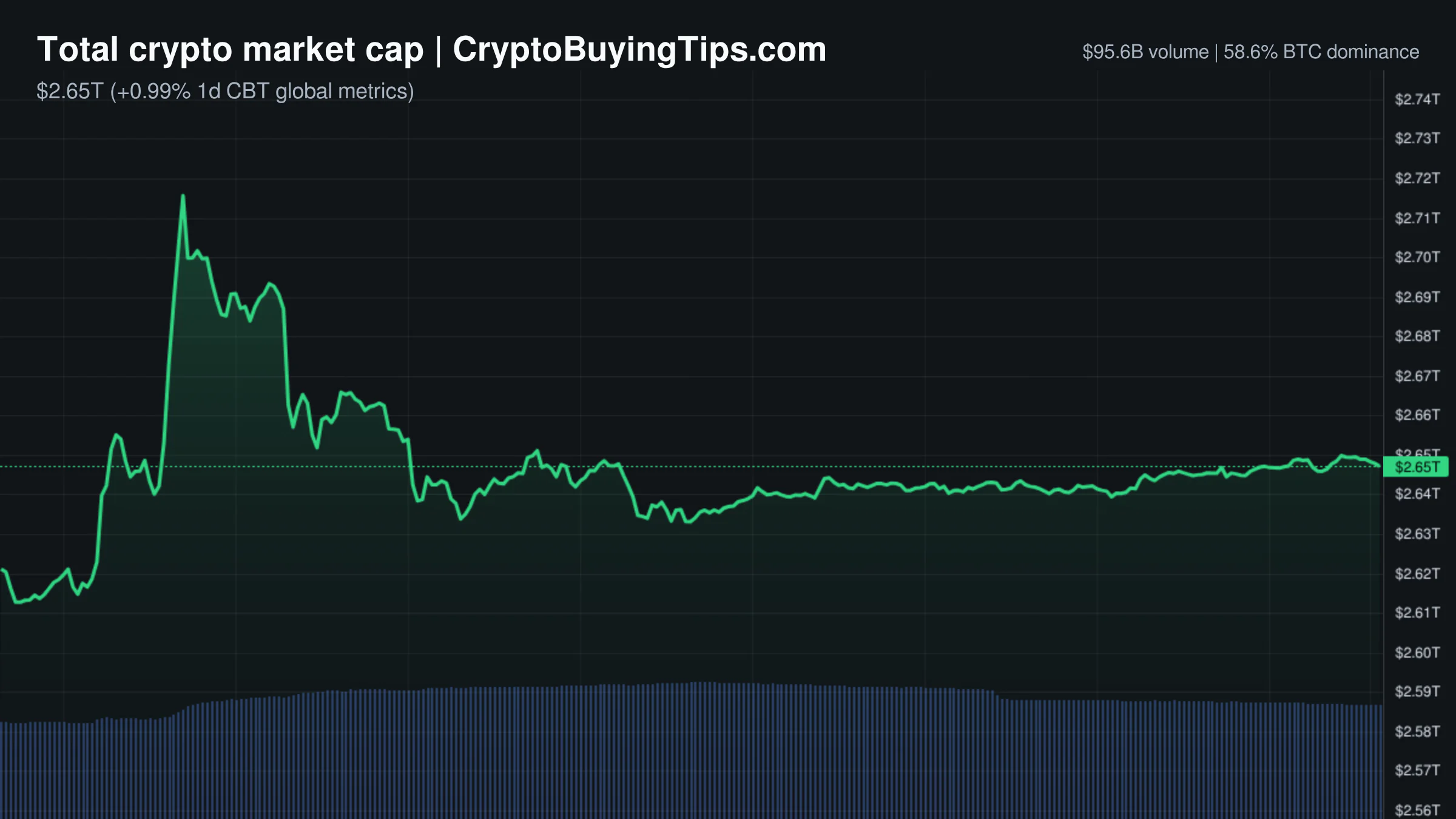
Crypto Market Overview | Leveraged trading drives gains amid institutional focus on tokenization | September 12, 2026
Leveraged trading drives crypto gains amid institutional focus on tokenization; see our market overview for BTC and ETH…