

Stablecoins are leaving the exchanges. HSBC just proved it
The 15.25% drop in stablecoin 24h volume suggests capital isn't just moving; it's changing its destination. Most people see a volume dip as a sign of boredom or a lack of bid. We see it as a migration. While the crowd watches the USDT/USD pair on a derivatives screen, HSBC just put a stablecoin into 3 million wallets. It's a shift in utility that most of the market is missing because they're too busy checking their 10x leverage. This brings up a basic but necessary question: what is a licensed stablecoin and why does it actually matter? We previously covered Open USD stablecoin for more background.
Understanding what is a licensed stablecoin
A licensed stablecoin is a digital asset issued under a specific regulatory framework, such as the HKMA's Stablecoin Ordinance in Hong Kong [kucoin.com]. Unlike the early days of "trust us, we have the money" reserves, these assets require strict rules on risk management and corporate governance [en.wikipedia.org]. In the U.S., the GENIUS Act defines payment stablecoins as assets on a public blockchain designed for settlement, requiring a one-to-one reserve of liquid assets like U.S. currency or Treasury securities [stlouisfed.org].
Our news scoring system rated this story 10/10 for novelty. The novelty isn't the coin itself, but the issuer. When a global banking giant decides to stop ignoring the tech and starts issuing its own licensed version, the game changes. It moves the asset from the fringes of "crypto" into the core of banking.
The liquidity shift: from exchange speculation to utility
For years, stablecoins have been the casino chips of the industry. You hold USDT or USDC so you can jump into a volatile trade without leaving the exchange. But our data shows a divergence. While derivatives volume remains massive at $523.28B, the 15.25% collapse in stablecoin 24h volume indicates that the speculative parking lot is thinning out.
Money is moving. It's shifting from the derivatives screen to the retail app. HSBC's RedCoin (RCHKD) isn't designed for trading 100x long on Bitcoin. It's integrated into the PayMe app for 3.3 million users and 100,000 merchants [kucoin.com]. This is the difference between a tool for speculators and a tool for commerce. The money isn't disappearing; it's just being used to buy coffee and pay bills rather than funding a risky bet on a meme coin.
How does what is a licensed stablecoin work in practice?
Traditional banks don't do grey areas. They need a license number to feel safe. HSBC RedCoin is issued under license FRS02 granted by the HKMA [hsbc.com.hk]. This regulatory bridge allows institutions to enter the space without risking a phone call from a regulator.
The market is still heavily skewed toward the unregulated. USDT dominance sits at 6.700138618848038 according to our metrics. Tether is the undisputed king of the speculative world, but it doesn't have a license from the Hong Kong Monetary Authority. That gap is where the real institutional battle is being fought. We've seen similar trends before, such as when we previously covered how Moody and central banks began legitimizing the plumbing.
The shift is simple. We are moving from an era where stablecoins were used to avoid volatility to an era where they are used to eliminate the friction of traditional banking.
What we're watching next
We're watching to see if other global banks follow the Hong Kong model. If stablecoins move from being trading collateral to retail payment rails, the volume metrics we usually track on exchanges will become less relevant. The real data will be in merchant adoption and wallet activity.
If RedCoin sees actual usage among those 100,000 merchants [newscord.org], the narrative of stablecoins as mere speculative tools is dead. We'll be looking for similar moves from other G-SIBs (Global Systemically Important Banks) who have spent the last five years pretending they don't understand how a ledger works. When the biggest banks in the world stop treating stablecoins as a "crypto thing" and start treating them as a "payment thing," the liquidity shift will be permanent.
Some links in this article may be affiliate links. We may earn a commission at no extra cost to you — this never influences our analysis or coverage.

Sigrid Voss
Crypto analyst and writer covering market trends, trading strategies, and blockchain technology.
More Articles
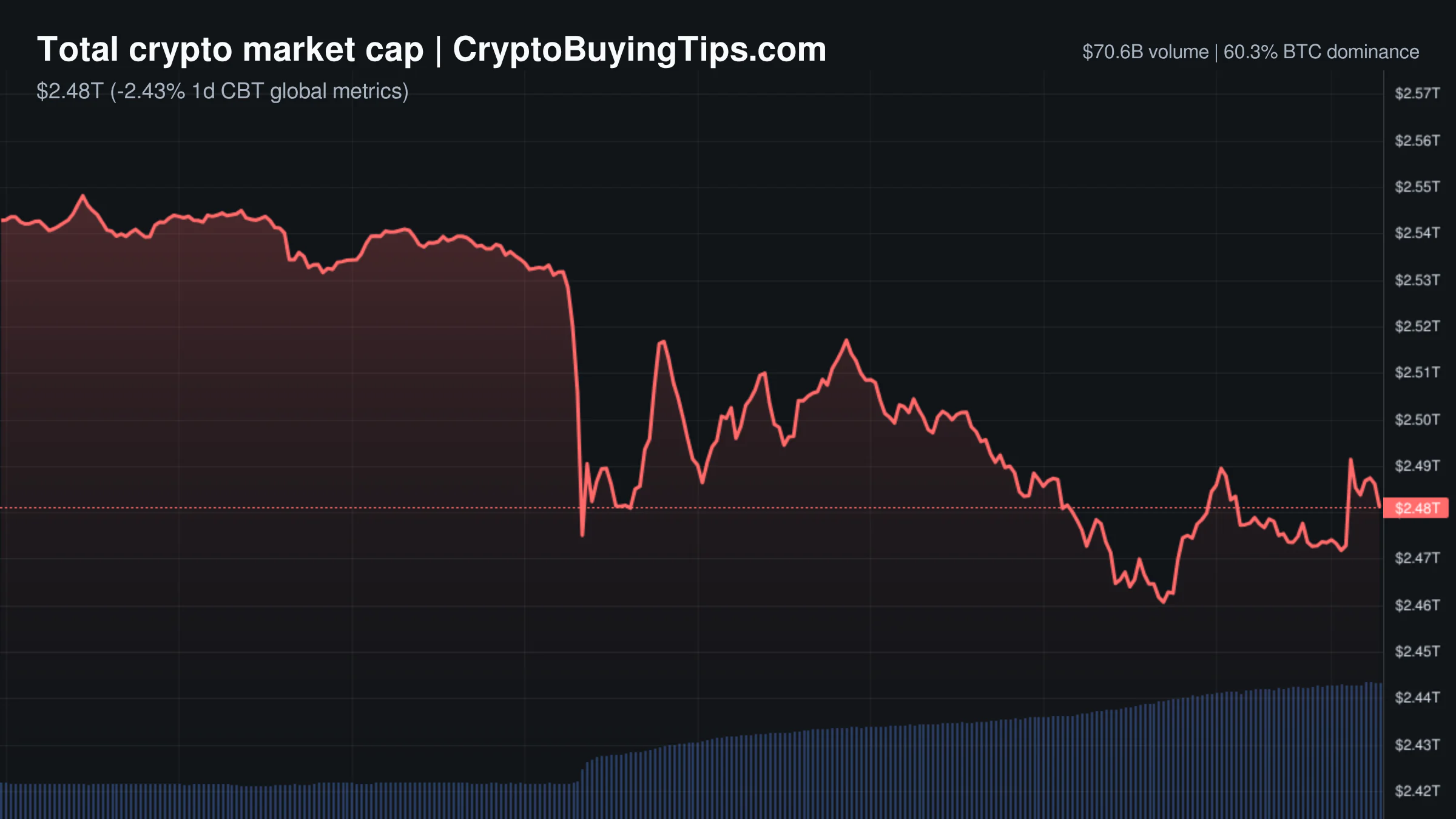
Crypto Market Overview | volume surges amid geopolitical risk and institutional outflows | November 9, 2026
Crypto volume surges amid geopolitical risk and institutional outflows; see how BTC dominance shifts while altcoins…

Vitalik wants Ethereum to be a store of value because the gas data says he has to
The narrative shift from transaction utility to store of value seems rather convenient given current gas fees. With…
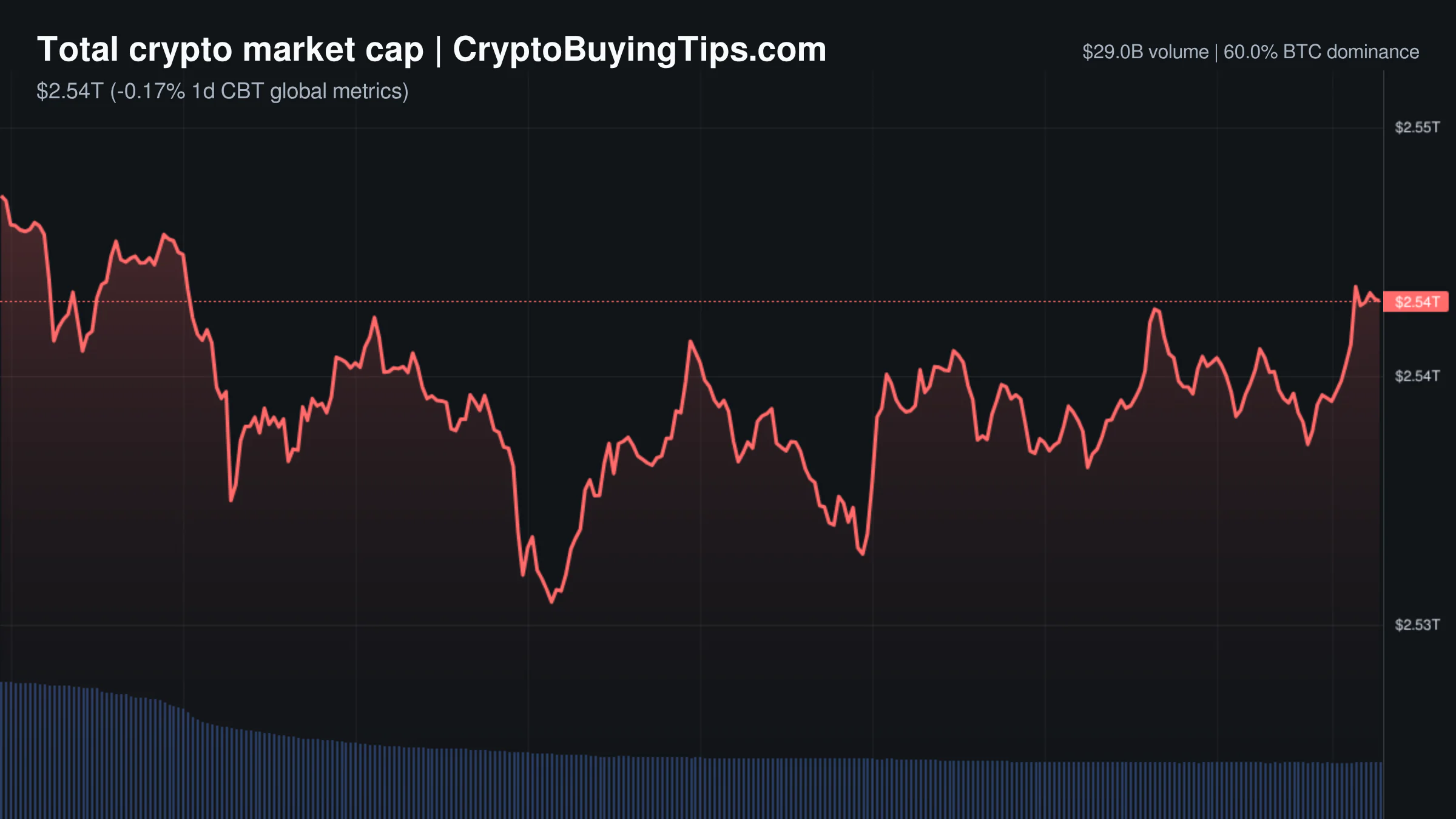
Crypto Market Overview | volume collapse amid regulatory heat hitting centralized exchanges | November 8, 2026
Crypto market overview shows volume collapse amid regulatory heat hitting centralized exchanges; see why liquidity is…

The $1.28B ETF exodus is real but the signal scanner sees a different story
The $1.28B ETF exodus sounds dramatic enough to warrant an emergency meeting; our signal scanner suggests that headline…