

The $409 billion leverage trap hiding in plain sight
The numbers coming off the dashboards right now are genuinely unsettling. While the total market cap is holding steady at $2.49T, there is a massive, widening gap between how people are actually buying assets and how they are betting on them. I've been watching this divergence, and the difference between spot and perpetual futures trading has become the most important signal in the market. Right now, spot volume is sitting at $58.08B, but derivatives volume has surged 18.07% to a staggering $459.67B. When the betting volume is nearly eight times higher than the actual buying volume, you aren't looking at a healthy market. You're looking at a powder keg. We previously covered Elevated Funding Rates for more background.
What is actually happening
To put this in perspective, we have $409.25B in open interest for perpetuals. That is a colossal amount of leverage sitting on the books. At the same time, the Fear and Greed Index is hovering between 34 and 35. Most people see "Fear" and think it is a buying opportunity, but they are ignoring the plumbing.
The spot market is where you actually own the coin. If you buy Bitcoin on spot, you can hold it for ten years. Perpetual futures are different. They are speculative contracts that allow you to bet on price direction with leverage. Because these contracts don't have an expiry date, they use "funding rates" to keep the contract price pegged to the spot price.
When too many people go long, the longs pay the shorts. When the market gets too crowded in one direction, these rates spike. We've seen this pattern before, and as we previously covered in our analysis of a leveraged speculation trap, it usually ends in a violent flush.
Why this imbalance is a warning
In my experience, the most dangerous markets aren't the ones that are crashing, but the ones that are sideways while leverage builds up. The current data shows Bitcoin dominance is at 59.25% and the Altcoin Season Index is only 38. This means money is staying in BTC, but it isn't necessarily "conviction" money. It is leverage.
When you have $409B in perps and very low on-chain activity (Ethereum gas is practically zero at 0.12 Gwei), it tells me that the "big money" isn't moving assets onto the chain to hold them. Instead, traders are fighting each other in the derivatives arena.
This creates a fragile equilibrium. If the price drops just a few percent, it can trigger a chain reaction of liquidations. Longs get wiped out, which forces more selling, which wipes out more longs. This is the "long squeeze" I'm worried about. Conversely, if a sudden burst of spot buying happens, it could trigger a "short squeeze" that sends prices parabolic. Either way, the volatility will be extreme because the market is top-heavy.
How to handle a leveraged market
If you're trading in this environment, you have to be honest about your risk. I don't trust these levels. If you're using high leverage, you're essentially gambling on the timing of the flush.
For those who prefer to trade derivatives, I usually suggest platforms that don't eat your margins with insane fees. I've used Bybit for my futures trades because their perpetual base rate is quite low at 0.02% maker and 0.055% taker. It's a professional setup, but remember that even with low fees, 100x leverage is a fast way to lose everything.
If you're not a trader and you actually want to build a position, the current "Fear" sentiment is a better signal than the price. But don't leave your assets on an exchange while the derivatives market is this volatile. I prefer keeping my long-term holdings in a hardware wallet.
What I'm watching next
I am keeping a very close eye on the open interest numbers. If that $409B starts to drop rapidly while price stays flat, it means the leverage is being washed out, which is actually a bullish sign for the long term.
But if open interest continues to climb while spot volume stays dead, we are just delaying the inevitable. I'm also watching for any spike in Ethereum gas fees. If the "whales" start moving ETH off exchanges and into cold storage, it might signal that the smart money is finally stepping in to provide the spot support this market desperately needs. Until then, I'm staying cautious.
Trade the news at our editorial-picked exchange: Gate
Some links in this article may be affiliate links. We may earn a commission at no extra cost to you — this never influences our analysis or coverage.

Sigrid Voss
Crypto analyst and writer covering market trends, trading strategies, and blockchain technology.
More Articles

Fidelity outflows and Ethereum OG dumps suggest a hidden exit
Another day of market data suggesting everything is fine until you look at the outflows and OG dumping. Institutional…
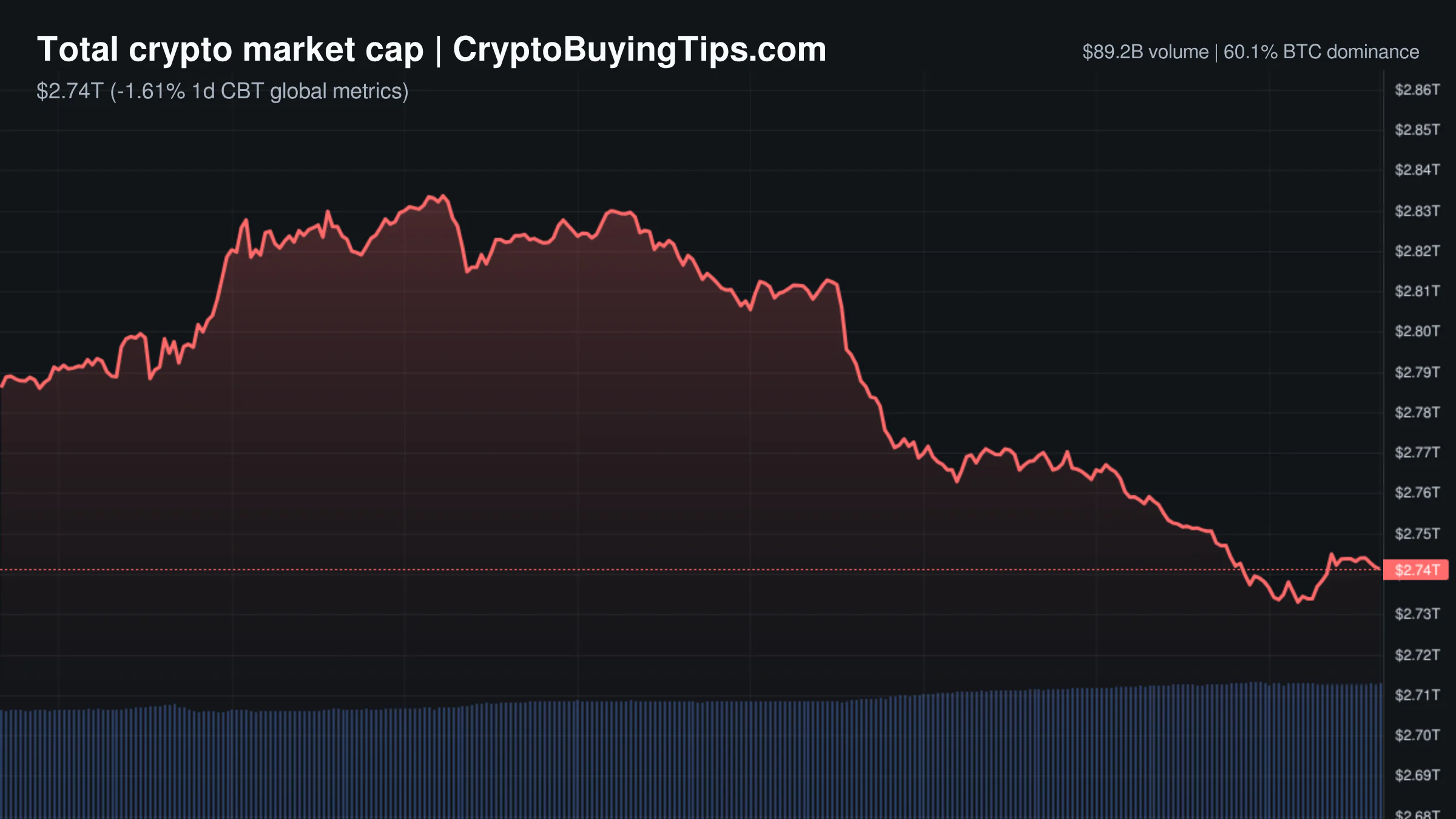
Crypto Market Overview | Leveraged bets surge amid regulatory clarity and institutional inflows | October 22, 2026
The market shows divergence between spot interest and leveraged bets amid regulatory clarity; see our overview here.

Volume is surging but prices are flat. Here is where the trigger is
Volume spikes while prices remain stubbornly flat; this divergence suggests an underlying battle between leveraged…
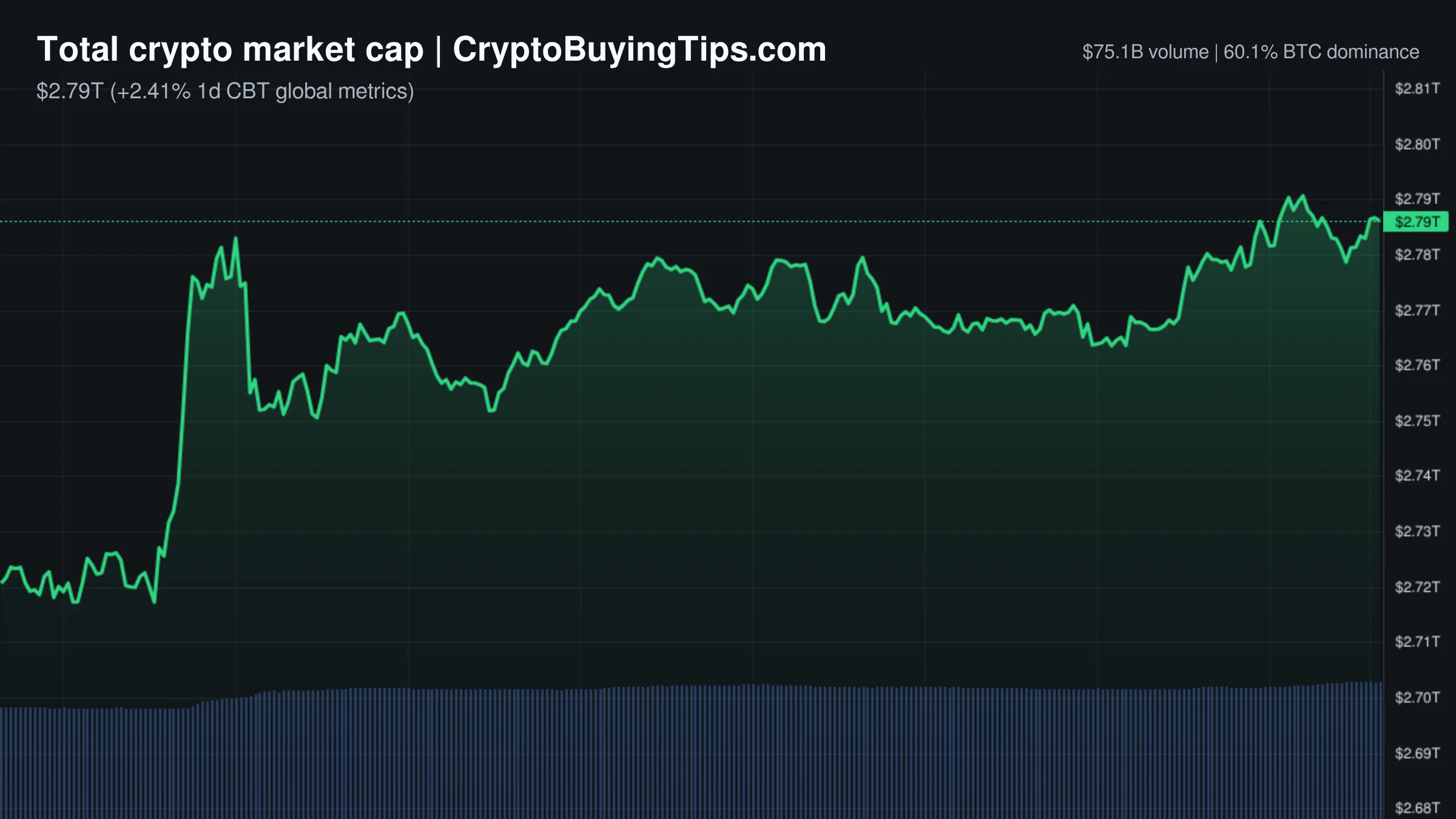
Crypto Market Overview | Leveraged speculation drives gains amid European regulatory uncertainty | October 21, 2026
Leveraged speculation drives crypto gains amid European regulatory uncertainty; see our market overview on BTC and ETH…