

The hyperliquid lazarus group 30 million spree makes a mockery of the US regulatory path
The news of the hyperliquid lazarus group 30 million spree forces us to question whether regulatory compliance is a genuine concern or merely an academic exercise. While the US government spends months debating the finer points of transfer agent rules and safe harbors, sanctioned entities are treating permissionless infrastructure as a high-speed highway. The contrast is stark. On one side, we have the slow, methodical machinery of the SEC. On the other, we have the hyper-efficient movement of stolen funds. We previously covered Hyperliquid volume tracker for more background.
How does the hyperliquid lazarus group 30 million activity affect regulation?
The movement of $30M by addresses linked to the North Korean Lazarus Group is not just a security failure. It is a systemic critique of the current regulatory approach. Our news scoring system rated the story "Lazarus Group-linked addresses move $30M through Hyperliquid" as a 9/10 for novelty in terms of market impact. This score reflects the friction between the platform's goals and its reality.
Hyperliquid has been vocal about finding a compliant path into the US. We know the platform currently geo-blocks American users because its native, KYC-free frontend would be non-compliant under US law techflowpost.com. There are plans to move toward a more permissioned model via HIP-3, which would allow regulated entities to build on the HyperCore infrastructure techflowpost.com.
But the Lazarus activity exposes the gap. While Hyperliquid builds a front door for the SEC, the back door remains wide open for anyone with a non-custodial wallet. This is the fundamental tension of DeFi. You cannot have a permissionless engine that only allows permitted users. If the smart contracts are live and accessible, the OFAC sanctions list is essentially a suggestion for the technologically proficient.
The gap between institutional rules and illicit speed
There is a certain irony in the timing of these flows. While the Lazarus Group was routing millions, the US regulatory bodies were preoccupied with the plumbing of institutional trading. Our news scoring system rated the report "SEC proposes transfer agent rule, sets event to figure out round-the-clock U.S. trading" as an 8/10 for macro impact.
The SEC is focused on creating a structured, slow-moving adoption path. They want transfer agents, registered clearinghouses, and 24/7 trading frameworks that fit within a 1930s legal mindset. This approach assumes that the market will wait for the rules to be written before it moves.
The data suggests otherwise. Capital, whether it is institutional or illicit, moves with a speed that bypasses these guardrails. The Lazarus Group does not wait for a transfer agent rule to be finalized before moving $30M. They use the existing, permissionless nature of the chain to obfuscate and route funds before any regulator has even finished their morning coffee.
We previously covered how the SEC stalls everything else while specific charters are granted. This split creates a vacuum. When the official path is too slow or too restrictive, the activity does not stop. It just moves to the shadows of the permissionless layer.
What the leaderboard says about the risk
When news of sanctioned activity hits, the first instinct for many retail traders is to panic. We look at the actual behavior of top-tier traders to see if that panic is justified.
Our Hyperliquid leaderboard tracker shows no immediate signs of mass exiting. The top traders are not hedging their positions or fleeing the platform in response to the Lazarus news. This suggests that the market has already priced in the regulatory risk of DeFi. Most professional traders understand that permissionless protocols will always be used by bad actors. They view it as a cost of doing business on a decentralized exchange.
The broader market structure remains heavily tilted toward the flagship asset. Our data shows BTC dominance at 59.127392535867706. This high level of dominance usually indicates a cautious market, but in this case, it looks more like a lack of interest in the regulatory drama surrounding altcoin platforms.
Our read on the fallout
The Lazarus event is a reminder that the onshoring of DeFi is a contradiction in terms. You can build a compliant interface, and you can implement geo-blocking, but you cannot regulate a smart contract that exists on a public ledger.
The US government can push for a permitted version of Hyperliquid, and that may bring in the institutional volume they crave. But as long as the underlying infrastructure remains permissionless, it will be used by the Lazarus Group and others. The regulatory path is not a wall. It is a curated entrance. The rest of the world, and the sanctioned entities within it, will continue to use the fence.
We are watching for any actual enforcement action against the protocol itself. Until then, this is just another day in a market where the rules are written in Washington but the trades are executed in code.
Some links in this article may be affiliate links. We may earn a commission at no extra cost to you — this never influences our analysis or coverage.

Sigrid Voss
Crypto analyst and writer covering market trends, trading strategies, and blockchain technology.
More Articles
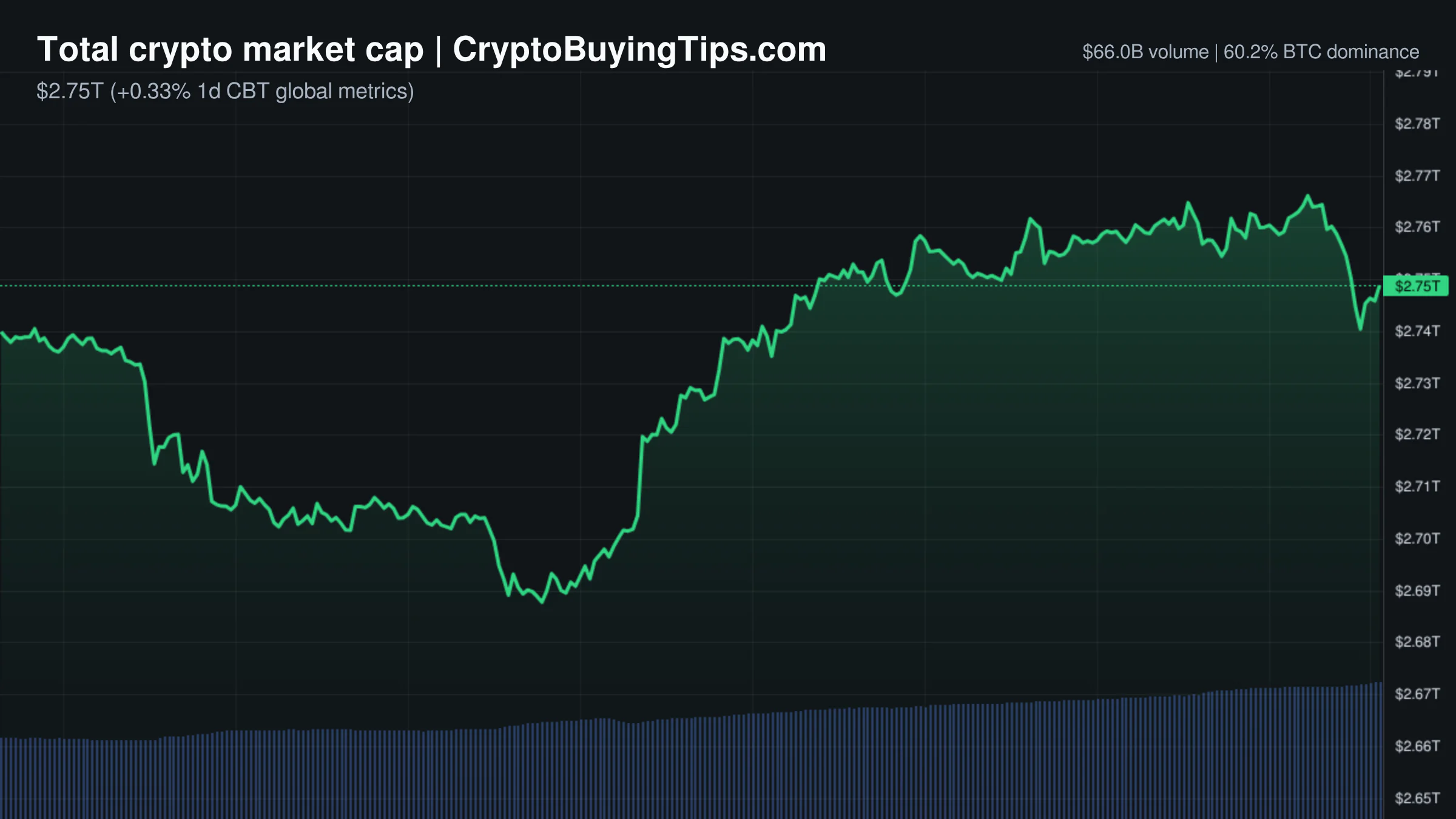
Crypto Market Overview | Leveraged bets surge as institutional rails expand despite ETF outflows | October 19, 2026
Leveraged bets surge as institutional rails expand despite ETF outflows; see our market overview on BTC dominance and…

Why 0.04 Gwei gas is a red flag for Ethereum
The quiet gas fees suggest nothing about underlying utility demand; meanwhile, $566B in derivatives volume points…
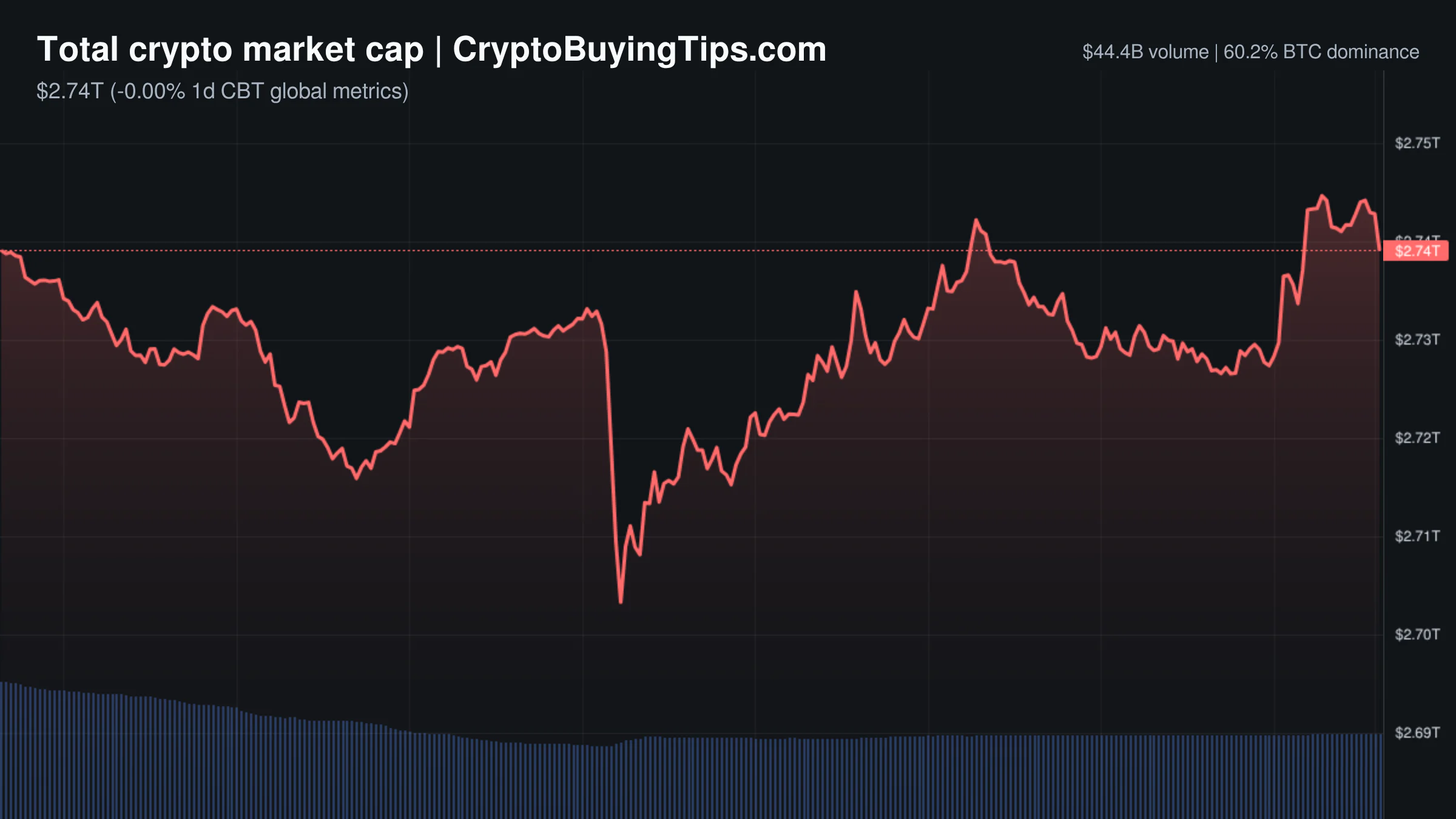
Crypto Market Overview | Bitcoin dominance climbs while altcoins struggle amid institutional friction | October 18, 2026
Bitcoin dominance climbs to 60.1% while altcoins struggle amid institutional friction; see our market overview for…

6 million Bitcoin are quantum-exposed. Here is what that actually means
Six million Bitcoin are sitting in addresses that could be vulnerable to quantum attacks. The risk isn't theoretical; it…