

The OCC just gave Trump a bank charter while the SEC stalls everything else
The divergence between federal regulators awarding bank charters and industry watchdogs flagging regulatory uncertainty presents a peculiar picture for understanding what is happening in crypto. While the headlines focus on political wins, the actual mechanics raise a more practical question: what is a conditional bank charter crypto? The gap between receiving a nod from a banking regulator and actually operating a business in the US is wide, and the current friction between the OCC and the SEC makes that gap even more erratic.
The charter distinction: OCC vs SEC jurisdiction
Our news scoring system rated this story 10/10 for novelty. The reason is simple. We are seeing a split personality in US regulation. The key difference here is whether an entity receives permission from a specific federal body like the Office of the Comptroller of the Currency (OCC) or operates under general securities law oversight from the Securities and Exchange Commission (SEC).
The OCC manages the plumbing of the national banking system. When they grant a charter, they are essentially saying the entity is fit to act as a financial institution. The SEC, however, focuses on the nature of the assets being traded. You can have a bank charter and still be in the crosshairs of the SEC if the tokens you hold are deemed unregistered securities.
This creates a strange environment where a project can be "bank-approved" but "security-forbidden." It is a bit like being told you are qualified to drive a bus, but the government is still deciding if the bus itself is legal to exist on public roads.
What is a conditional bank charter crypto?
A conditional bank charter is essentially a "yes, but" from the regulator. It means the OCC believes the proposal is sound, but the entity cannot actually open its doors until it meets specific operational milestones. It is preliminary approval, not a license to start taking customers tomorrow.
For the Trump-linked World Liberty Trust Company, this "yes, but" comes with strict strings attached. According to news.bitcoin.com, the entity must hold at least $20 million in tier 1 capital. Furthermore, it must keep the greater of $10 million or 50% of that capital in eligible liquid assets and maintain enough liquidity to cover 180 days of operating expenses.
Practically, this means the OCC is treating them like a bank before they have the capital of a bank. It is a high bar that separates genuine institutional infrastructure from the usual "launch on a weekend" crypto projects. As we saw with the Coinbase Trust Charter Approval, these charters are designed for custody and settlement, not necessarily for the kind of retail lending that usually leads to a crisis.
Market signals: where is capital flowing despite regulatory noise?
The noise around the World Liberty charter is loud, but the market numbers are remarkably quiet. Our data puts the Fear and Greed Index at 36/100, which is firmly in "Fear" territory. While politicians celebrate regulatory wins, the actual traders are hedging.
The contrast is most visible when you look at the SEC. While the OCC is handing out preliminary nods, the SEC has again delayed its "innovation exemption" for tokenized securities (coindesk.com). This delay suggests that the "institutional adoption" narrative is hitting a wall of bureaucracy.
Our market metrics show that capital is not rotating into high-risk altcoins based on these headlines. BTC dominance is sitting at 58.35%, and 24h volume is $47.1B. This suggests that "smart money" is consolidating into the safest asset while the regulators argue. We previously covered how BTC dominance data analysis often reflects a liquidity pause rather than aggressive buying. The current setup is no different.
What we're watching next
The real story is not the charter itself, but the time it takes to move from "conditional" to "final." Most projects fail in that gap. We are watching for two specific triggers.
First, we want to see if World Liberty actually secures the $20 million in tier 1 capital without relying on predatory token emissions. If the capital comes from actual cash reserves, it is a legitimate institutional move. If it comes from printed tokens, it is just more of the same.
Second, we are watching the SEC's tokenization exemption. If the SEC continues to stall while the OCC opens the door for crypto banks, we will see a fragmented market. In that scenario, you have regulated custodians who are legally forbidden from touching the very assets they were chartered to hold. That is a recipe for a very expensive legal stalemate.
Some links in this article may be affiliate links. We may earn a commission at no extra cost to you — this never influences our analysis or coverage.

Sigrid Voss
Crypto analyst and writer covering market trends, trading strategies, and blockchain technology.
More Articles

South Korea is letting firms borrow against Bitcoin while blocking their exchanges
South Korea is letting corporations borrow against Bitcoin while simultaneously clearing out retail exchanges; a curious…
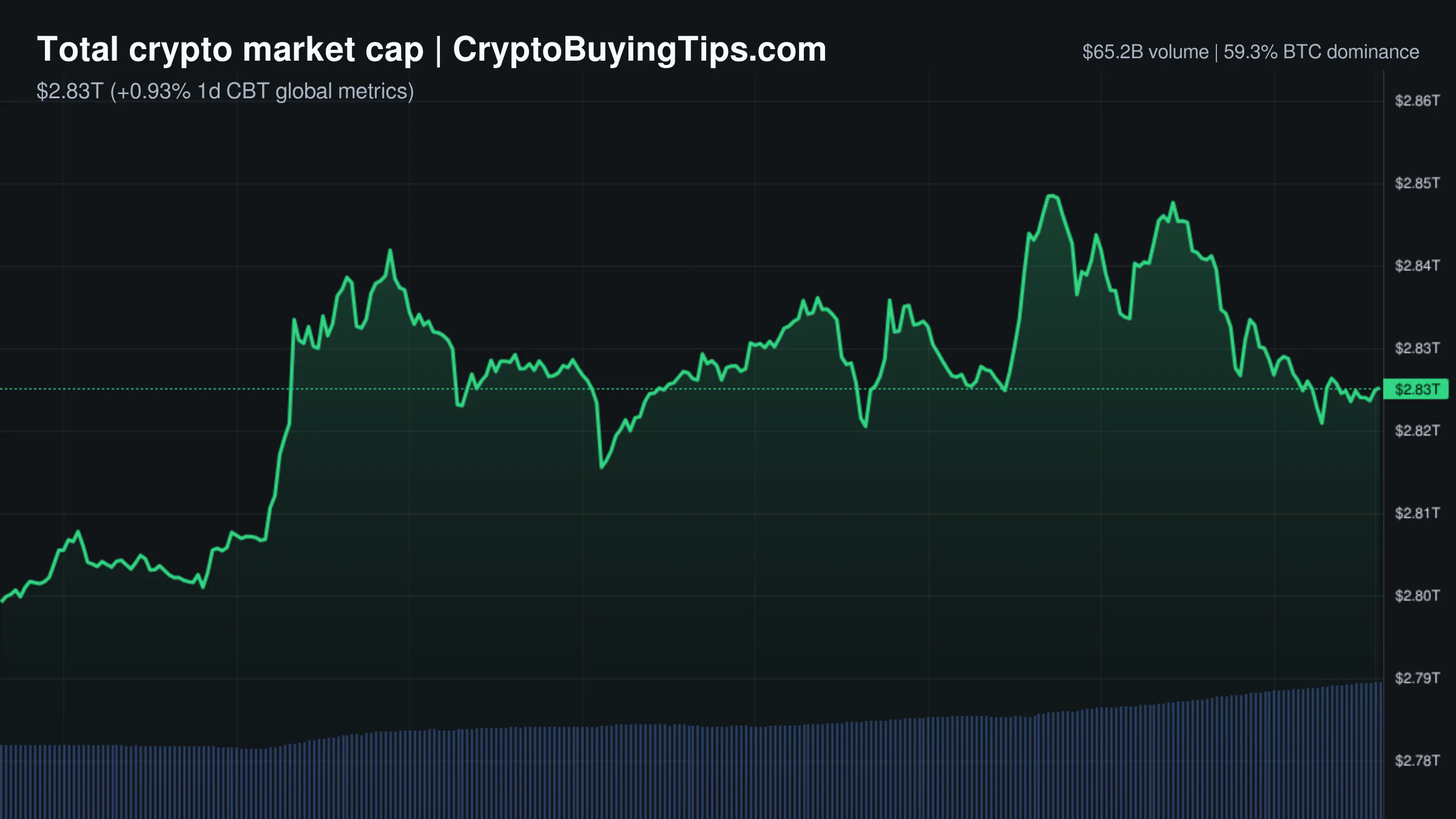
Crypto Market Overview | Derivatives volume surges amid banking integration and regulatory tension | October 12, 2026
Derivatives volume surges amid banking integration and regulatory tension, showing high activity but muted price action…

BTC and ETH ETFs are bleeding while XRP is the only institutional winner
The narrative suggests endless accumulation, yet ETF outflows signal that big players have paused their spending spree.…
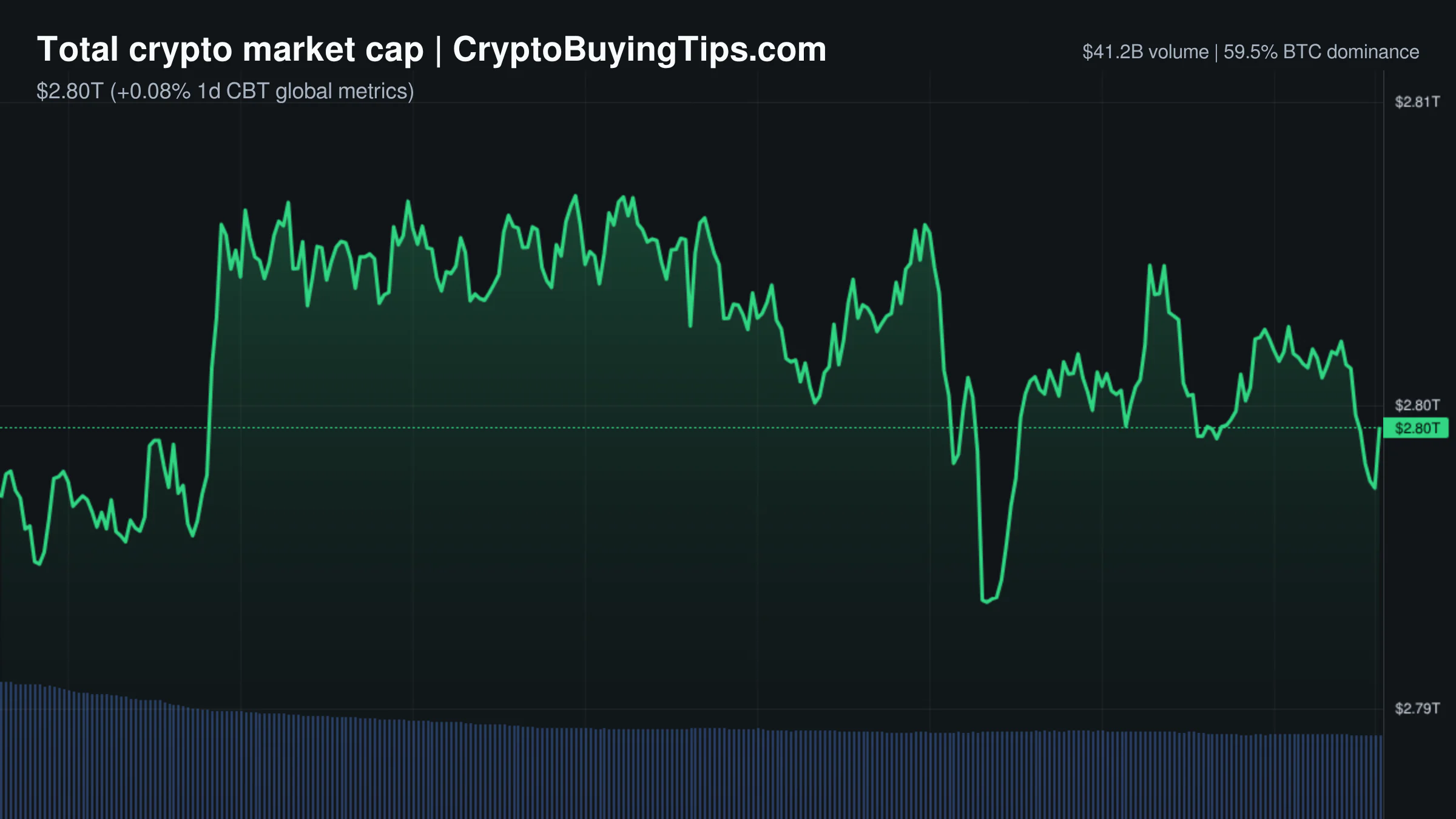
Crypto Market Overview | volume collapse amid regulatory focus on event contracts | October 11, 2026
Crypto market overview shows volume collapse amid regulatory focus on event contracts, with spot and derivatives…