
South Korea is letting firms borrow against Bitcoin while blocking their exchanges
The fact that South Korea is letting firms borrow against Bitcoin while simultaneously blocking their exchanges presents a fascinating regulatory contradiction. On one hand, the state is essentially telling banks that Bitcoin is a legitimate asset to secure a loan. On the other, it is purging the retail market of any exchange that hasn't jumped through every single regulatory hoop. This creates a strange environment where bitcoin backed loans south korea are becoming a reality for corporations, yet the average trader is being pushed away from global platforms. We previously covered Bank of Japan raised rates for more background.
How do bitcoin backed loans south korea work?
The short answer is that traditional banks are now treating Bitcoin as a high-quality collateral asset for corporate borrowers. Jeonbuk Bank, a subsidiary of JB Financial Group, has led the charge by issuing corporate loans backed by Bitcoin. Our news scoring system rated this story 9/10 for novelty because it marks a shift from "crypto-native" lending to traditional banking rails.
These loans are not for the general public. They are restricted to business customers who need working capital but don't want to sell their Bitcoin holdings. The bank doesn't actually hold the Bitcoin itself. Instead, it uses a registered third-party custodian to keep the assets secure. This allows the bank to have a credit claim against the collateral without having to manage the technical headaches of private keys.
The mechanics of the collateral
This isn't a random experiment or a "regulatory sandbox" project. It is based on actual changes to the law. The South Korean Supreme Court amended the Civil Enforcement Rules, which took effect on October 1. These rules provide a clear legal path for the seizure and liquidation of virtual assets if a borrower defaults.
If a company fails to pay back its loan, the court can order the sale of the pledged Bitcoin. Jeonbuk Bank then recovers its money from that sale. By moving the enforcement process into the court system, the bank avoids the risk of "wild west" liquidations. The bank assesses each loan application individually, meaning they decide the loan-to-value ratio and interest rates on a case-by-case basis.
We've seen similar moves elsewhere, such as when we covered Bitcoin as collateral asset in other jurisdictions. The pattern is the same: banks are happy to take the asset as security, provided a court can help them sell it when things go wrong.
The gap between institutional collateral and retail access
While Jeonbuk Bank is opening doors for corporations, the Financial Intelligence Unit (FIU) is slamming them shut for retail traders. South Korean authorities recently blocked the websites of 27 unregistered virtual asset operators, including MEXC and KuCoin. The reason is simple: if you aren't registered under the Special Finance Intelligence Act, you don't get to operate in Korea.
This creates a stark divide in how the state views digital assets. For a corporation with a balance sheet, Bitcoin is a tool for liquidity. For a retail trader, it is a risky activity that needs to be confined to a few government-approved silos. The state is effectively institutionalizing the asset while policing the access.
This is a classic move in regulatory arbitrage. By legitimizing the asset as collateral, the government acknowledges its value. By blocking unregistered exchanges, they maintain total visibility and control over the flow of money. It is a way of saying that Bitcoin is fine, as long as the government knows exactly who owns it and where it is moving.
Flight to quality in the broader market
This local Korean experiment is happening against a backdrop of global market consolidation. Our market data shows a clear trend: capital is rotating away from the "noise" of the broader altcoin market and back into the flagship asset.
Bitcoin dominance currently sits at 59.75%. While the top 20 assets are holding steady, the CMC100 index has fallen to 164.62. This divergence suggests a flight to quality. Investors are less interested in the promises of a hundred different protocols and more interested in the one asset that traditional banks are now willing to lend against.
When a major economy like South Korea allows banks to use Bitcoin as collateral, it changes the asset's profile. It is no longer just a speculative token for traders; it is becoming a recognized form of capital. The irony is that while the government makes it harder for the average person to trade on a global exchange, it is making it easier for the wealthy and the corporate to leverage their holdings.
We expect this trend to continue. As more traditional banks integrate these collateral models, the gap between "institutional crypto" and "retail crypto" will only widen. The retail trader gets the regulations and the blocks; the corporation gets the loans and the liquidity. It's a familiar story in finance, just with a digital twist.
Related Tickers
Some links in this article may be affiliate links. We may earn a commission at no extra cost to you — this never influences our analysis or coverage.

Sigrid Voss
Crypto analyst and writer covering market trends, trading strategies, and blockchain technology.
More Articles
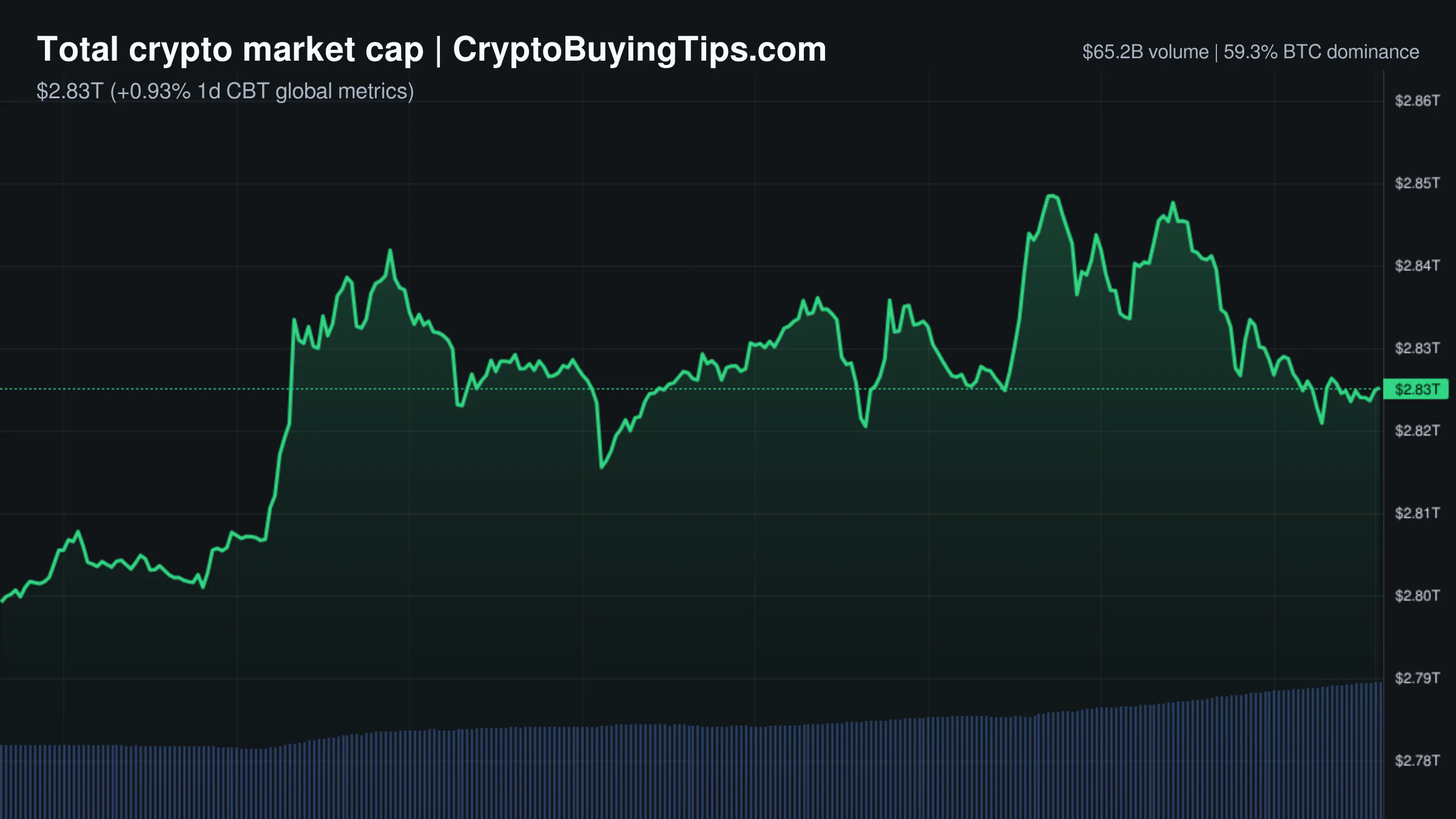
Crypto Market Overview | Derivatives volume surges amid banking integration and regulatory tension | October 12, 2026
Derivatives volume surges amid banking integration and regulatory tension, showing high activity but muted price action…

BTC and ETH ETFs are bleeding while XRP is the only institutional winner
The narrative suggests endless accumulation, yet ETF outflows signal that big players have paused their spending spree.…
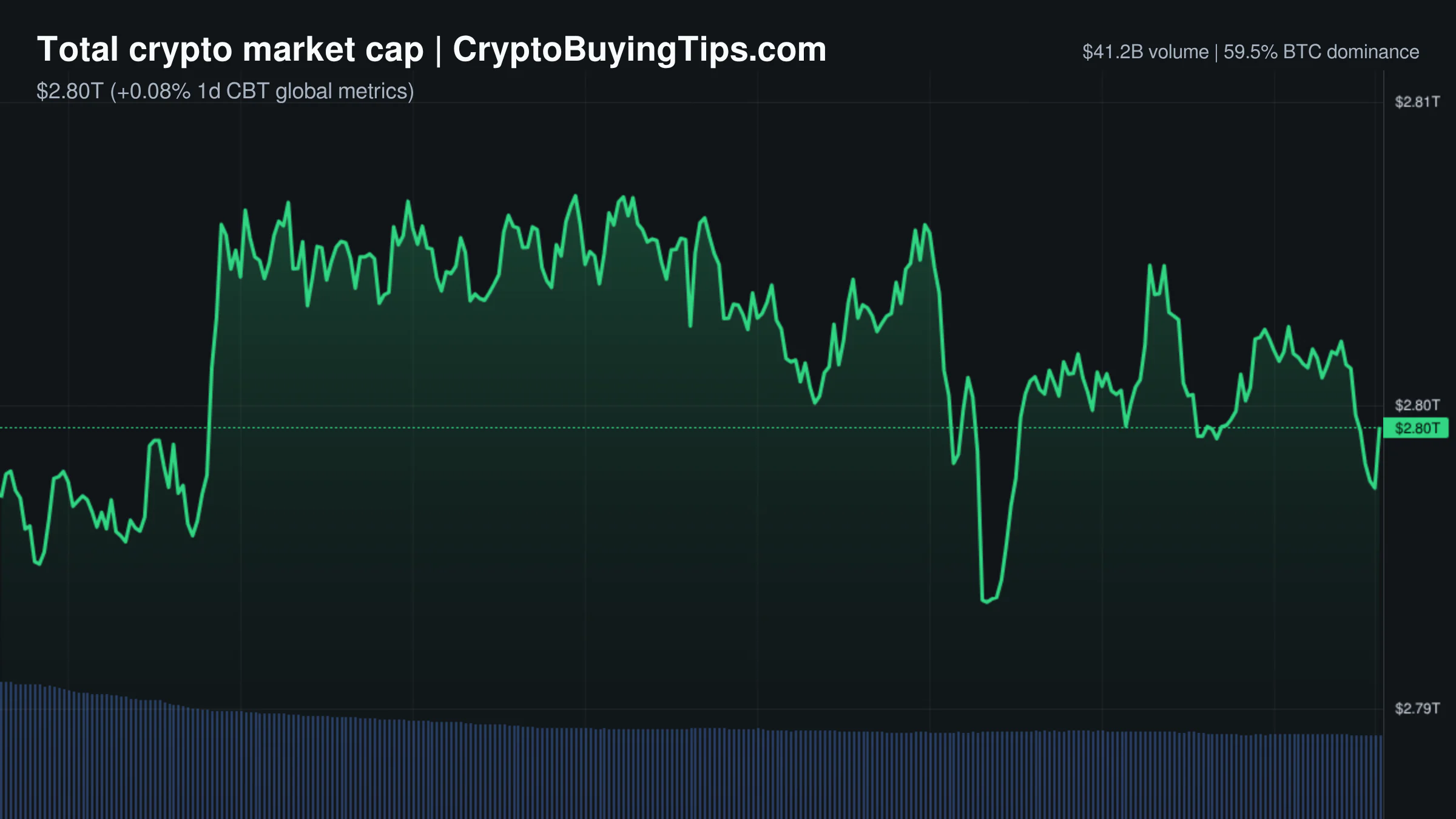
Crypto Market Overview | volume collapse amid regulatory focus on event contracts | October 11, 2026
Crypto market overview shows volume collapse amid regulatory focus on event contracts, with spot and derivatives…

StarkNet is ripping but the altcoin season narrative is a lie
StarkNet's recent surge has the usual crowd convinced an altcoin season has arrived; our data suggests this rally is…