

Sberbank is accepting Bitcoin as collateral and it changes the definition of a safe asset
The fact that major banks like Sberbank are accepting Bitcoin as collateral suggests a fundamental shift in how 'safe' assets are defined, moving beyond traditional fiat guarantees. For most people, the question is simple: how does crypto collateral loans work and why would a bank risk its balance sheet on an asset known for its volatility? The answer is that the banks aren't actually taking the risk you think they are. They are simply applying old-school lending mechanics to a new kind of asset. We previously covered SEC stalls everything else for more background.
The short answer
A crypto collateral loan is a secured loan where you pledge your digital assets to a lender in exchange for cash or stablecoins. You don't sell your Bitcoin, so you keep your exposure to the price. The lender holds your assets as a guarantee. If you pay back the loan with interest, you get your assets back. If the value of your assets drops too far, the lender sells them to cover the debt.
How it actually works
The entire process relies on over-collateralization. Our signal scanner flagged the need to explain these mechanics because institutional adoption is moving faster than the public narrative. In a traditional mortgage, you might put down 20% and borrow 80%. In crypto, the ratios are usually flipped to protect the lender from price swings.
You lock your assets in a vault or with a custodian. The lender then gives you a loan based on a Loan-to-Value (LTV) ratio. For example, if you provide $10,000 in Bitcoin at a 50% LTV, the bank gives you $5,000. This creates a buffer. If Bitcoin drops by 20%, the lender still has $8,000 in collateral to cover a $5,000 loan.
This is the same basic model retail platforms have used for years, but banks are now scaling it. As noted by reddit.com, when institutions like JPMorgan or Sberbank enter the space, they aren't inventing a new financial product. They are just moving a proven retail model into a higher regulatory tier.
Why BTC and ETH are the only real choices
You cannot walk into a major bank and pledge a random meme coin to get a loan. Lenders require assets with deep liquidity and established market depth. Our global market structure data shows that Bitcoin dominance is 59.47339824601622. This dominance anchors the entire system. Bitcoin is the only asset with enough liquidity for a bank to liquidate billions of dollars without crashing the price.
Ethereum is the second choice, with a dominance of 11.23378003485004. While less dominant than Bitcoin, Ethereum offers utility for complex DeFi applications and enough liquidity to satisfy institutional risk desks.
The rest of the market is essentially irrelevant for institutional collateral. With a total market cap of $2.64T, the vast majority of that value is concentrated in the top two assets. For a bank, the risk of a "flash crash" in a small-cap altcoin is too high. They need assets that behave like commodities, not like lottery tickets.
How does crypto collateral loans work for institutions?
When we look at the institutional side, the process is less about "borrowing" and more about capital efficiency. Our news scoring system rated the institutional adoption of major banks as a high-impact story because it signals a shift in the global financial plumbing.
For a bank, accepting Bitcoin as collateral allows them to bring crypto-wealthy clients into their ecosystem. It also integrates with the tokenized deposits concept we've covered previously. Instead of a client selling Bitcoin to buy a house (and paying a massive capital gains tax), they borrow against it. The bank gets interest, the client keeps their Bitcoin, and the tax man gets nothing for now.
The gap between the BIS chief's public warnings about crypto and Sberbank's internal risk appetite is wide enough to drive a truck through. While the rhetoric remains bearish, the actual behavior of the banks is purely pragmatic.
Where people get tripped up
The biggest risk in this system is the liquidation event. Because these loans are based on LTV, a sudden price drop can trigger a margin call. If the value of your collateral falls below a certain threshold, the lender will automatically sell your assets to ensure they don't lose money.
This is why over-collateralization is not a suggestion, it is a survival strategy. If you borrow at 90% LTV, a 10% dip in price wipes you out. If you borrow at 20% LTV, you can sleep through a 50% crash.
Many beginners mistake these loans for "free money" or a way to leverage their position without risk. It is not. It is a tool for liquidity. If you use a crypto loan to buy more crypto, you are simply layering risk on top of risk.
Putting it into practice
If you are considering a crypto-backed loan, the goal should be accessing liquidity without triggering a taxable event. According to kraken.com, the mechanical loop is always the same: lock collateral, borrow a fraction, pay interest, and repay to unlock.
To do this safely, we suggest three rules:
- Keep your LTV low. The more buffer you have, the less you have to check the price every ten minutes.
- Use only high-dominance assets. Stick to BTC and ETH if you want the most stable terms.
- Have a plan for the "worst case." Know exactly at what price your collateral will be liquidated.
The shift we are seeing with Sberbank is a signal that the "safe asset" list is expanding. Bitcoin is no longer just a speculative bet. It is becoming a recognized piece of financial collateral.
Some links in this article may be affiliate links. We may earn a commission at no extra cost to you — this never influences our analysis or coverage.

Sigrid Voss
Crypto analyst and writer covering market trends, trading strategies, and blockchain technology.
More Articles

South Korea is letting firms borrow against Bitcoin while blocking their exchanges
South Korea is letting corporations borrow against Bitcoin while simultaneously clearing out retail exchanges; a curious…
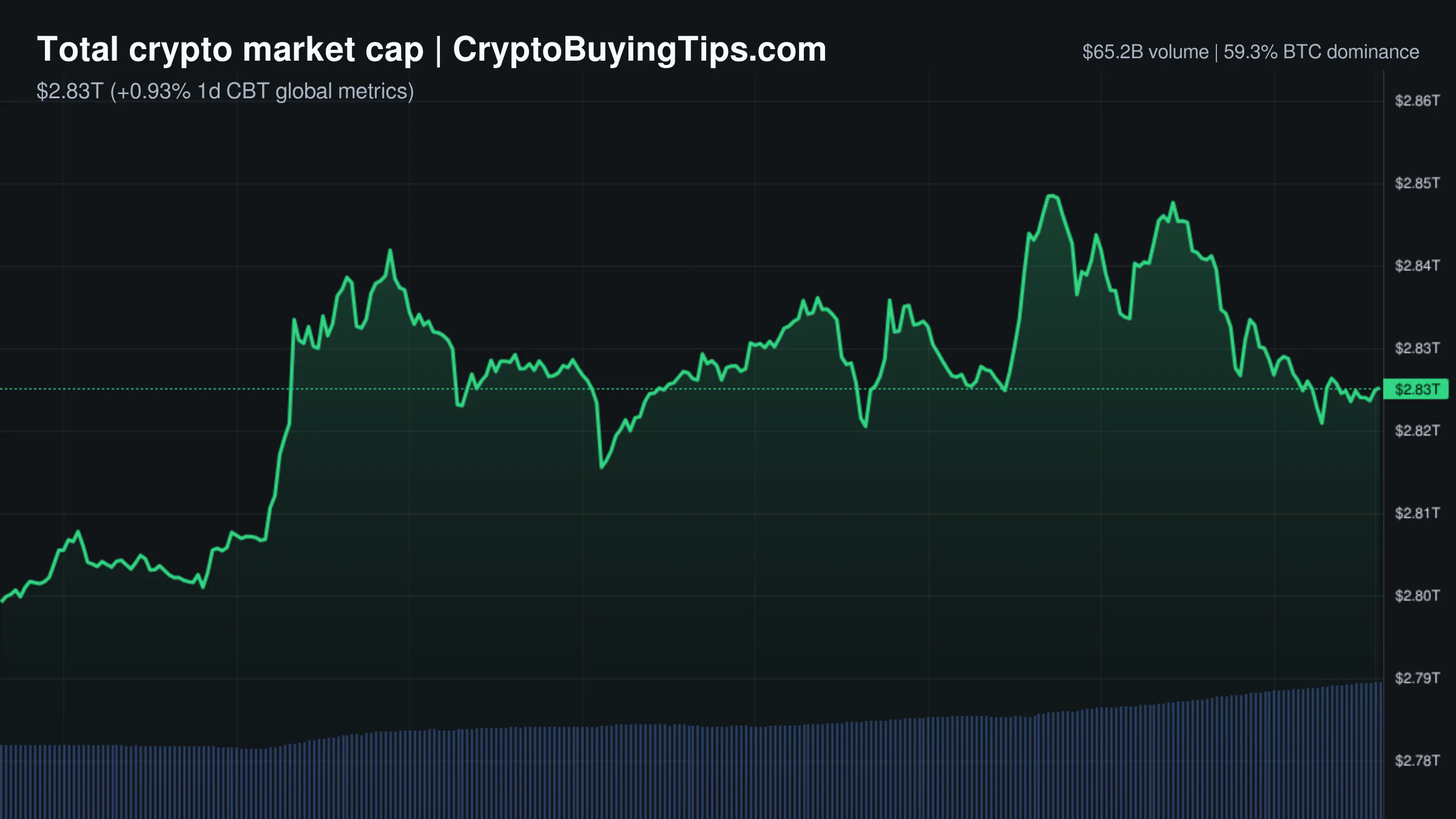
Crypto Market Overview | Derivatives volume surges amid banking integration and regulatory tension | October 12, 2026
Derivatives volume surges amid banking integration and regulatory tension, showing high activity but muted price action…

BTC and ETH ETFs are bleeding while XRP is the only institutional winner
The narrative suggests endless accumulation, yet ETF outflows signal that big players have paused their spending spree.…
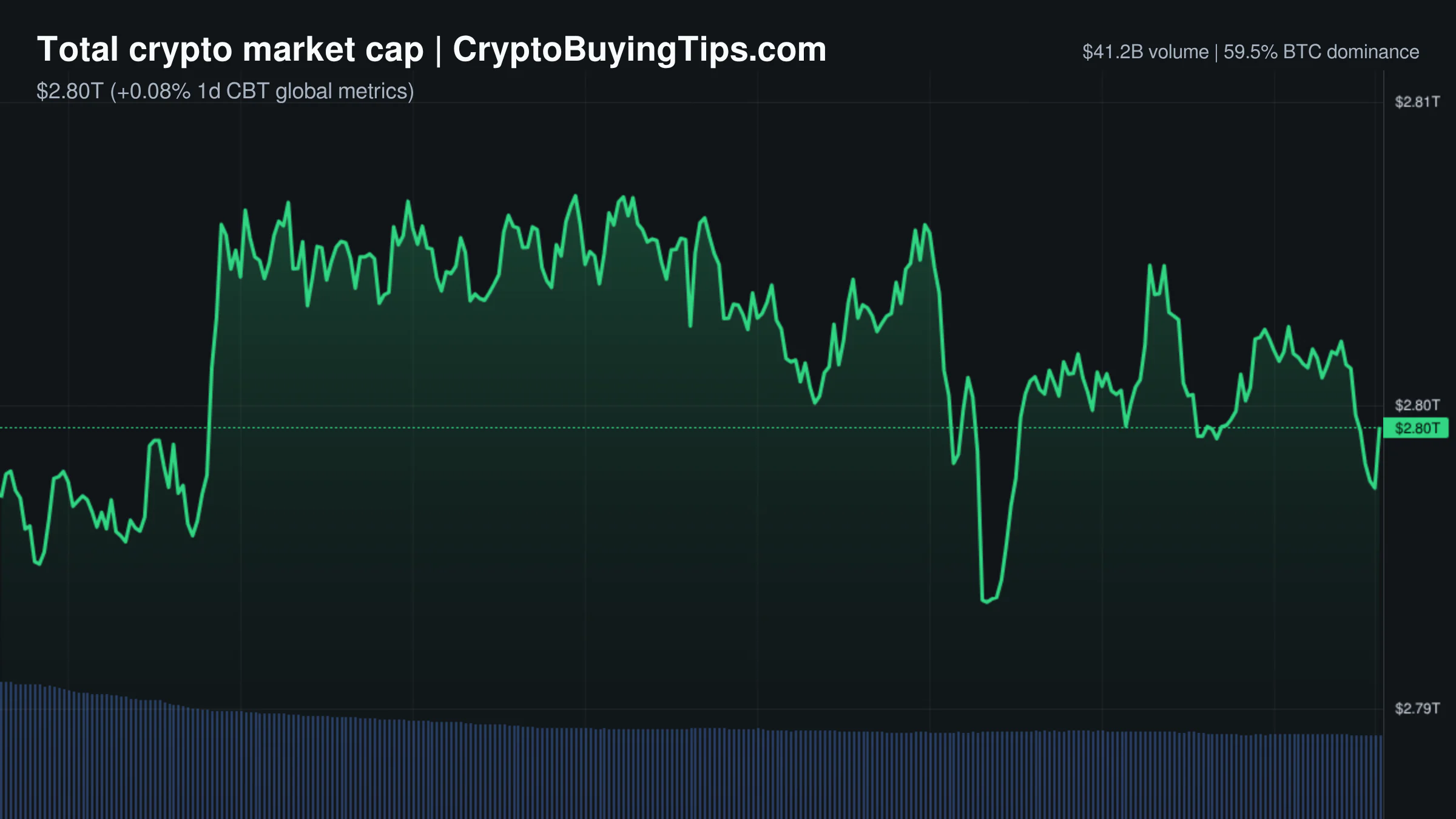
Crypto Market Overview | volume collapse amid regulatory focus on event contracts | October 11, 2026
Crypto market overview shows volume collapse amid regulatory focus on event contracts, with spot and derivatives…