

The Fed warns of a $700 billion bank drain and the banks are building a blockchain to stop it
The Dallas Fed warning about a potential $700 billion drain forces us to question the structural integrity of traditional banking deposits. When a central bank warns that the very tools designed to modernize finance could strip lending capacity from the system, it is usually time to pay attention. For most retail traders, this sounds like institutional noise, but it brings us to a fundamental question: what are tokenized deposits explained? We previously covered tokenizing stocks trap for more background.
The short answer
Tokenized deposits are digital versions of the money you already have in a bank account, recorded on a blockchain or distributed ledger. Unlike a stablecoin, which is issued by a private company, a tokenized deposit is a direct claim on a regulated bank. It has the same legal status as your current balance and typically retains FDIC insurance protections, as noted by nacha.org.
How does what are tokenized deposits explained work?
In a traditional bank, your balance is just an entry in a private database. When you send money, the bank updates its ledger and waits for other banks to do the same via slow, legacy rails. Tokenization changes the plumbing. The bank mints a token that represents your deposit on a ledger. This allows the money to move instantly, 24/7, without needing a middleman to verify the transaction.
Our news scoring system rated the Dallas Fed's warning as a 10/10 for macro impact because of the scale involved. The Fed is worried that if deposits move too easily into tokenized forms, $700 billion could be stripped from the banks' ability to lend. This is the great irony of the situation. The banks want the efficiency of blockchain, but they are terrified that making money too easy to move will lead to a digital bank run.
These assets differ from stablecoins in a few key ways. A stablecoin is a liability of the issuer, while a tokenized deposit is a liability of the bank. According to brookings.edu, banks issuing these tokens can still access the Fed's lender-of-last-resort window. This reduces the risk of total collapse during a crisis, a safety net that stablecoin issuers simply do not have.
The BankChain Alliance and the fight for deposits
Banks are not simply sitting back while the Fed worries. Thirty-nine U.S. state banking groups have formed the BankChain Alliance to build their own industry-owned blockchain network. This system is targeted for a 2027 launch and aims to support tokenized deposits and automated settlement bitcoinfoundation.org.
Our news scoring system rated this development as an 8/10 for liquidity impact. The goal is clear. The banks want the speed of a public blockchain but with strict access control and total compliance. They are effectively trying to build a walled garden where they can enjoy the benefits of the tech without the risk of open markets. We previously covered the crypto network buildout problems that come when institutions prioritize corporate efficiency over decentralization.
Greed versus structural risk
The current market mood is a study in contradiction. The Fear & Greed Index is sitting at 80/100, which is Extreme Greed. At the same time, institutional appetite for the clean version of crypto remains high. US spot Bitcoin ETFs added $314.37 million on Tuesday, showing that the wall of money is still flowing into regulated wrappers.
But this greed is concentrated. While the price action looks healthy, the underlying plumbing is under stress. The tension between the Fed's fear of a $700 billion drain and the BankChain Alliance's push for adoption shows that the war for deposits has entered a new phase. Banks are no longer fighting each other for customers; they are fighting to keep their deposits from escaping into a more programmable, liquid ecosystem.
If the banks succeed in building a closed-loop system, the liquidity benefits might never reach the broader crypto market. If they fail, we may see a disorderly migration of capital from traditional accounts into tokenized assets that the Fed cannot easily control.
For those who find the prospect of a $700 billion systemic drain concerning, the logical move is to reduce reliance on centralized custodians. Moving assets to a hardware wallet like the Ledger Nano Gen5 removes the bank risk entirely. It is a small price to pay for not having to worry about whether the Dallas Fed is having a bad day.
Some links in this article may be affiliate links. We may earn a commission at no extra cost to you — this never influences our analysis or coverage.

Sigrid Voss
Crypto analyst and writer covering market trends, trading strategies, and blockchain technology.
More Articles

South Korea is letting firms borrow against Bitcoin while blocking their exchanges
South Korea is letting corporations borrow against Bitcoin while simultaneously clearing out retail exchanges; a curious…
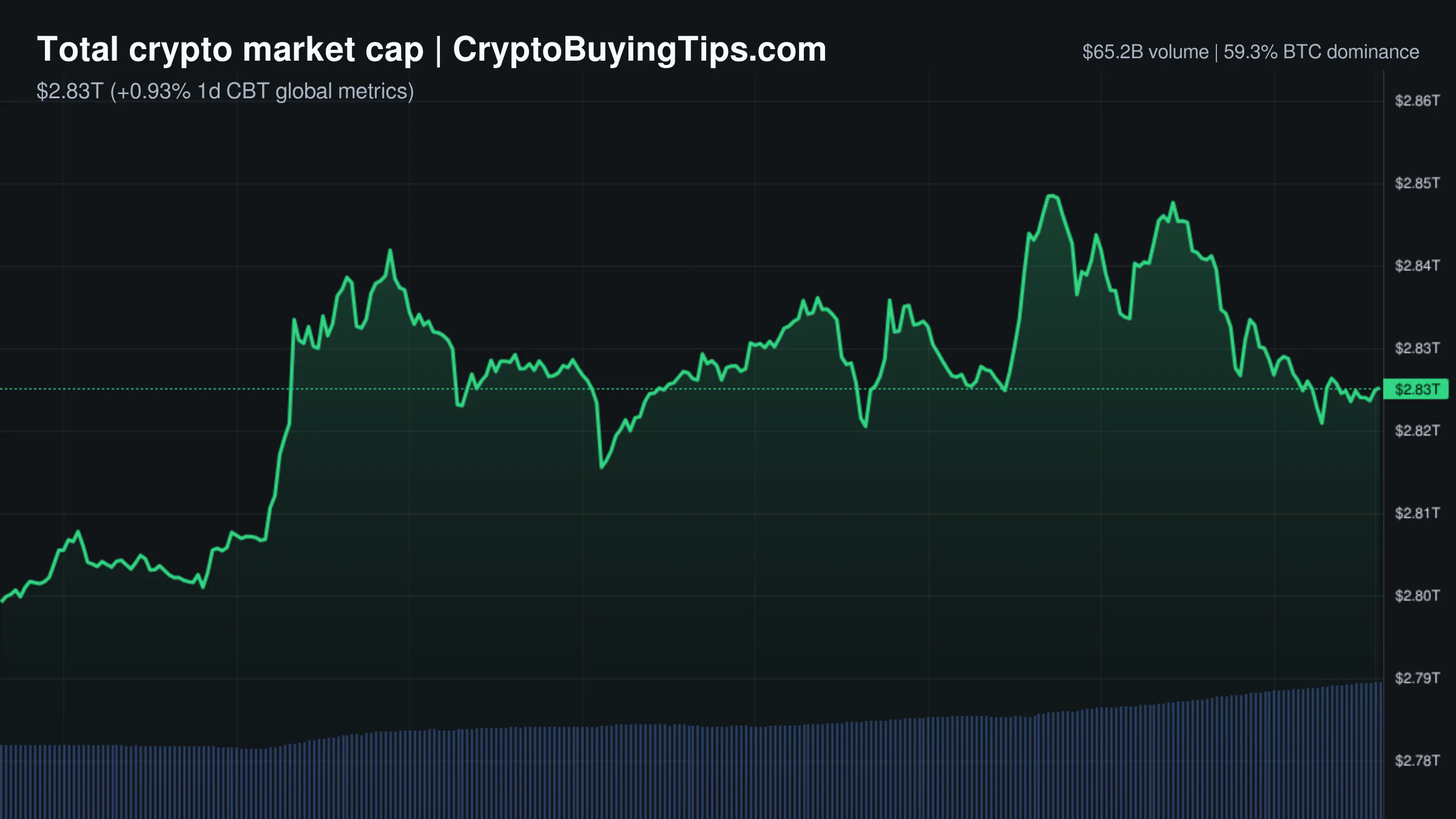
Crypto Market Overview | Derivatives volume surges amid banking integration and regulatory tension | October 12, 2026
Derivatives volume surges amid banking integration and regulatory tension, showing high activity but muted price action…

BTC and ETH ETFs are bleeding while XRP is the only institutional winner
The narrative suggests endless accumulation, yet ETF outflows signal that big players have paused their spending spree.…
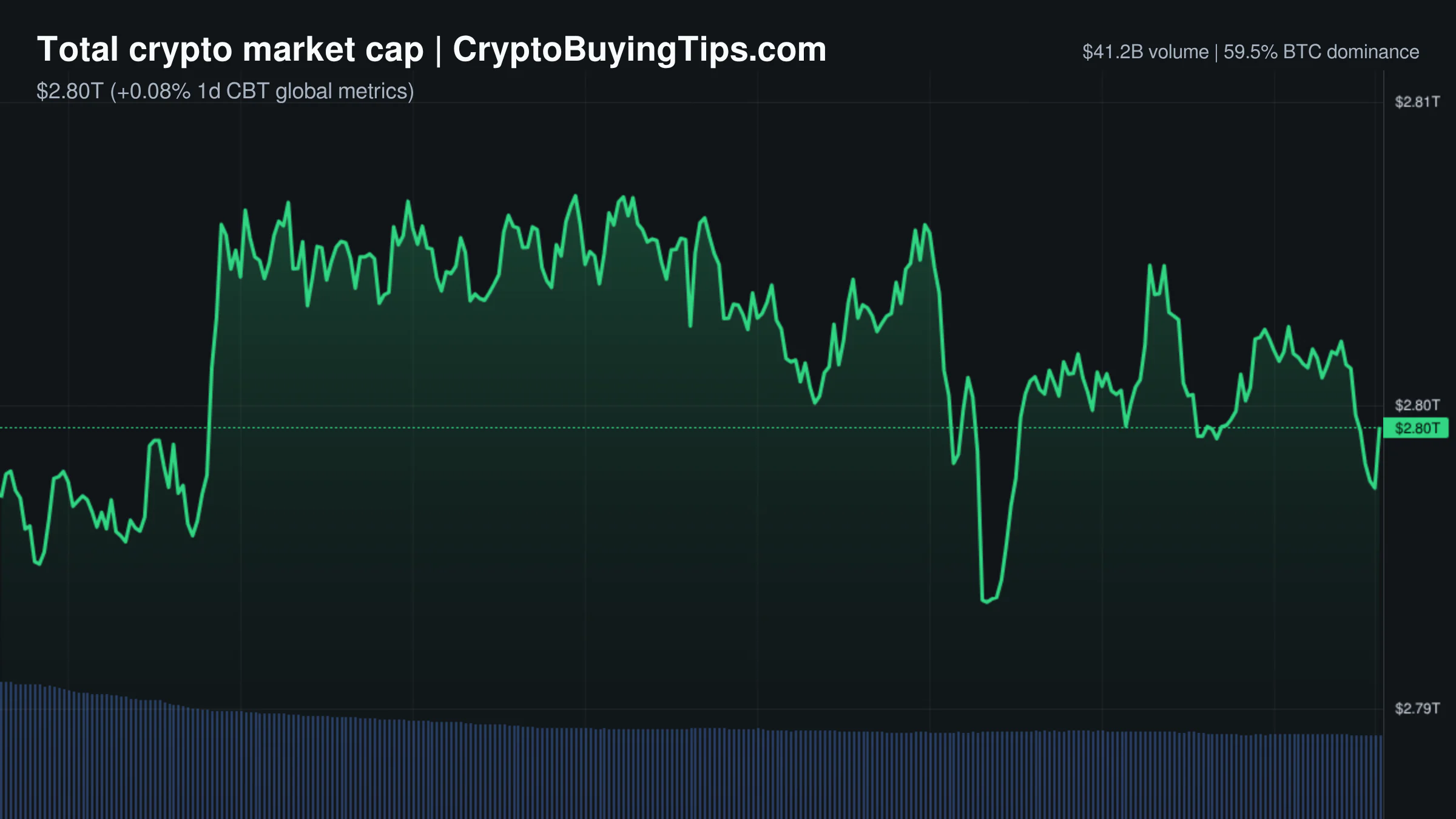
Crypto Market Overview | volume collapse amid regulatory focus on event contracts | October 11, 2026
Crypto market overview shows volume collapse amid regulatory focus on event contracts, with spot and derivatives…