

Why oil and gold traders are fleeing to Hyperliquid
I've spent the last few years watching traders move from one "revolutionary" platform to another, but what's happening right now is different. We're seeing a genuine migration of commodity traders into the crypto ecosystem. Specifically, WTI oil futures have surged to become the third most traded instrument on Hyperliquid. This isn't just a few degens gambling on oil; it's a shift in how people handle geopolitical risk. If you're wondering how to use hyperliquid dex step by step to get exposure to these markets, you've probably noticed that the barrier to entry is almost non-existent compared to opening a traditional brokerage account.
The shift from TradFi to DEXs
For a long time, if you wanted to trade oil or gold, you had to deal with the CME or a legacy broker. Those systems are slow, they have restrictive hours, and the KYC process can take days. When the Hormuz blockade news hit and markets started swinging, traders didn't want to wait for a broker to approve a margin increase. They wanted a place that never closes.
Hyperliquid is filling that gap. It isn't just about Bitcoin or Ethereum anymore. The fact that oil is now a top three asset on the platform shows that traders are using this DEX for real-time price discovery during crises. I find it fascinating because it proves that the "real world asset" narrative isn't just a marketing buzzword for VCs. It's actually happening because the old system is too clunky for the modern world.
How to use hyperliquid dex step by step
If you've never used a decentralized perpetual exchange, the process is simpler than you think. First, you need a wallet like MetaMask or Rabby. You connect your wallet to the platform and deposit USDC. Hyperliquid operates on its own L1 chain, so the trading experience feels more like a centralized exchange than a slow DeFi app.
Once your funds are in, you just search for the asset you want, like WTI or Gold, and choose your leverage. I usually suggest keeping leverage low when you're starting out. The interface is clean, and the order book is fast. I personally prefer HyperLiquid for this because the latency is minimal, which is the only thing that actually matters when you're trading volatile commodities.
What this means for the broader market
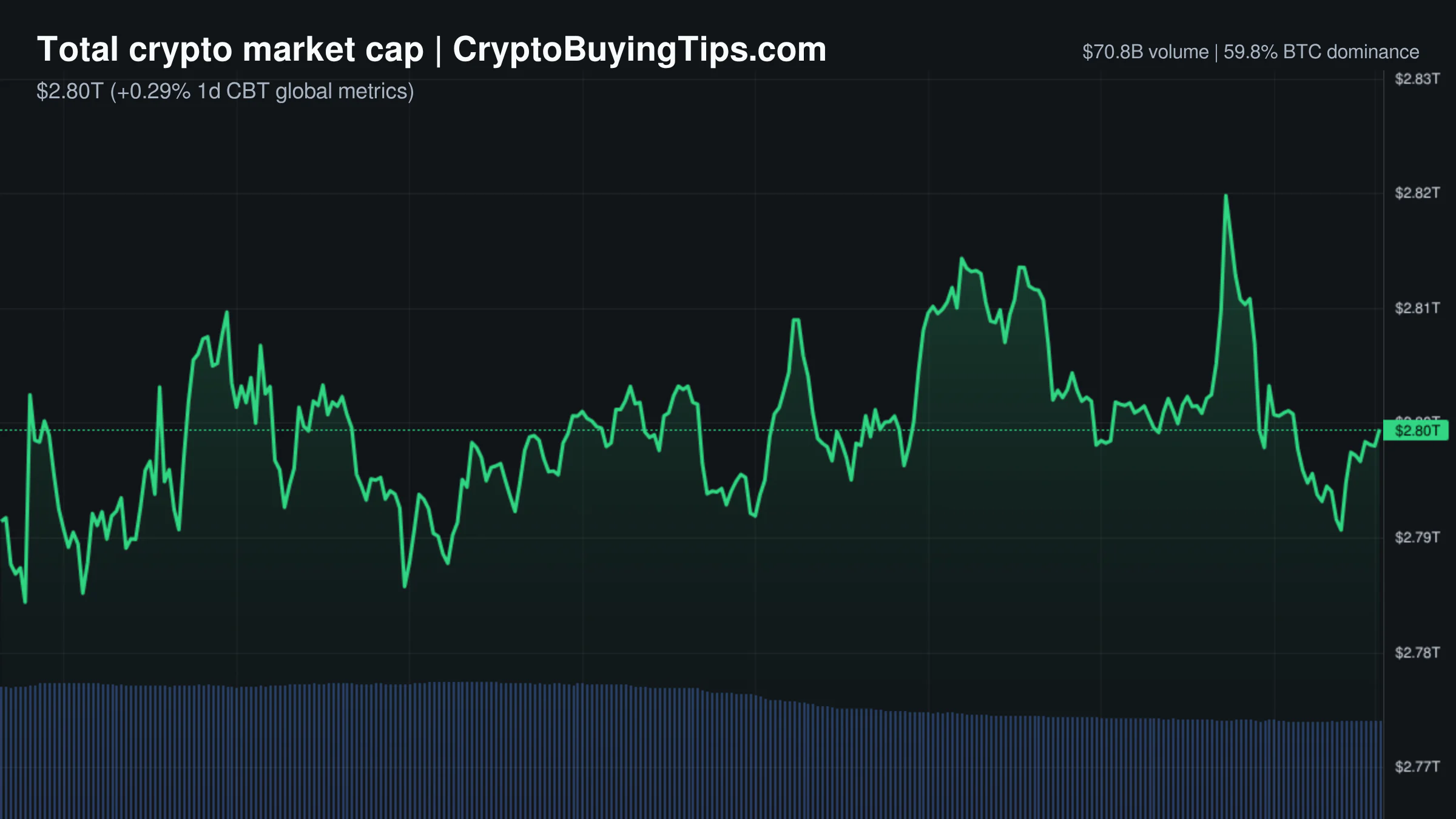
The data tells an interesting story. Right now, the Fear and Greed Index is at 42, which is pretty neutral. BTC dominance is sitting at a weirdly low 0.5% in the current snapshot, and the Altcoin Season Index is at 29. This suggests that money isn't necessarily flooding into "moonshot" coins, but it is moving into functional tools.
I think we're seeing the birth of a "shadow" commodities market. While the S&P 500 and NASDAQ are hovering around their current levels with very little movement, the action is happening on-chain. Traders are using Hyperliquid to hedge against the very real-world chaos that traditional markets are too slow to price in.
My honest take on the risks
I'm impressed by the adoption, but I do have concerns. Trading commodities on a DEX is essentially trading a synthetic version of that asset. You aren't owning a barrel of oil; you're betting on the price. There's also the risk of smart contract failures.
But compared to the 2008 era where the "safe" banks were the ones melting down, I'd rather trust a transparent piece of code that I can verify. The move toward on-chain commodities is inevitable. The old guard at the CME might be expanding their hours, but they're still fighting a battle against a system that is fundamentally faster and more open.
Some links in this article may be affiliate links. We may earn a commission at no extra cost to you — this never influences our analysis or coverage.

Sigrid Voss
Crypto analyst and writer covering market trends, trading strategies, and blockchain technology.
More Articles

Price is down but volume is ripping. This is a high-conviction flush
The market dropped nearly four percent while volume surged by over forty-four percent; this suggests the usual bleed is…
Crypto Market Overview | Leveraged derivatives volume dwarfs spot activity amid institutional rails expansion | October 14, 2026
Derivatives volume dwarfs spot activity in crypto markets as institutional rails expand; see our overview of BTC and ETH…

The volume collapse is hiding a massive Bitcoin setup
Volume has dropped significantly across crypto markets, which usually signals apathy. Our read suggests this quiet…

South Korea is letting firms borrow against Bitcoin while blocking their exchanges
South Korea is letting corporations borrow against Bitcoin while simultaneously clearing out retail exchanges; a curious…