

6 million Bitcoin are quantum-exposed. Here is what that actually means
Our news scoring system rated the launch of the Quantum Alliance as a 10/10 for novelty, and for good reason. While most of the industry is distracted by the latest meme coin, there are 6 million Bitcoin sitting in addresses that are technically exposed to quantum attacks. This brings up a question that most holders ignore until it is too late: what is quantum resistance in bitcoin?
What is quantum resistance in bitcoin?
The short answer is that it is the ability of a cryptographic system to remain secure even if a powerful quantum computer becomes available. Bitcoin uses the Elliptic Curve Digital Signature Algorithm (ECDSA) to ensure that only the owner of a private key can spend their funds. For classical computers, breaking this math is practically impossible. For a quantum computer running Shor's algorithm, it is a screen door.
Our news scoring system rated this story 10/10 for novelty because the risk is not a vague future possibility for every address. It is an active vulnerability for 6 Million BTC. These are coins held in older address formats where the public key is already known to the network. In the world of cryptography, once the public key is exposed, the private key is only a few quantum calculations away from being revealed.
How does the quantum threat impact Bitcoin security?
The risk is not spread evenly across the blockchain. If you use a modern wallet and move your funds frequently, you are relatively safe. The real danger is for "zombie" coins. These are addresses that have revealed their public keys but have not moved funds in years.
A quantum computer can derive a private key from a public key with alarming speed. With BTC dominance currently at 59.48919511485728, the systemic risk is significant. If a quantum actor can unlock millions of old coins, the resulting sell pressure would make a typical flash crash look like a mild dip. We previously covered how a quantum attack bitcoin keys event already happened on a small scale, proving the math is sound.
The vulnerability is a matter of timing. We are currently in a race between the development of "cryptographically relevant quantum computers" and the implementation of new standards. The market tends to treat this like price-target astrology, assuming it will happen in fifty years or never. But the gap between a theoretical breakthrough and a functional attack is often smaller than the industry likes to admit.
Steps for quantum-proofing crypto holdings
The industry cannot simply "patch" Bitcoin. It requires a migration to post-quantum cryptography (PQC), with lattice-based cryptography being the primary candidate. Unlike elliptic curves, lattice-based problems are thought to be resistant to both classical and quantum attacks.
This migration involves moving funds from old ECDSA addresses to new, quantum-resistant ones. The scale of this task is immense when you consider a total market cap of $2.73T. If the migration is too slow, the "first mover" advantage goes to the attacker. If a state actor develops a quantum computer in secret, they could drain the 6 million exposed coins before the network even realizes the fortress has been breached.
Our news scoring system rated the Quantum Alliance's effort to set these standards as a 10/10 for novelty because it is the first time nine major firms have agreed to a shared yardstick. They are trying to define how wallets and protocols should handle this migration. We've noted before that Bitcoin's security threats are often underestimated by those who believe the math is too complex to break.
The transition will likely be messy. It requires a hard fork or a significant soft fork to introduce new signature schemes. Users will have to manually move their coins, which means the "lost" coins of Satoshi and other early adopters will remain the primary target.
The bottom line is that quantum resistance is not a luxury; it is a requirement for survival. The Quantum Alliance is a start, but the real test will be whether the Bitcoin community can agree on a migration path before the hardware catches up to the math. Until then, those 6 million coins remain the largest unsecured vault in financial history.
Related Tickers
Some links in this article may be affiliate links. We may earn a commission at no extra cost to you — this never influences our analysis or coverage.

Sigrid Voss
Crypto analyst and writer covering market trends, trading strategies, and blockchain technology.
More Articles
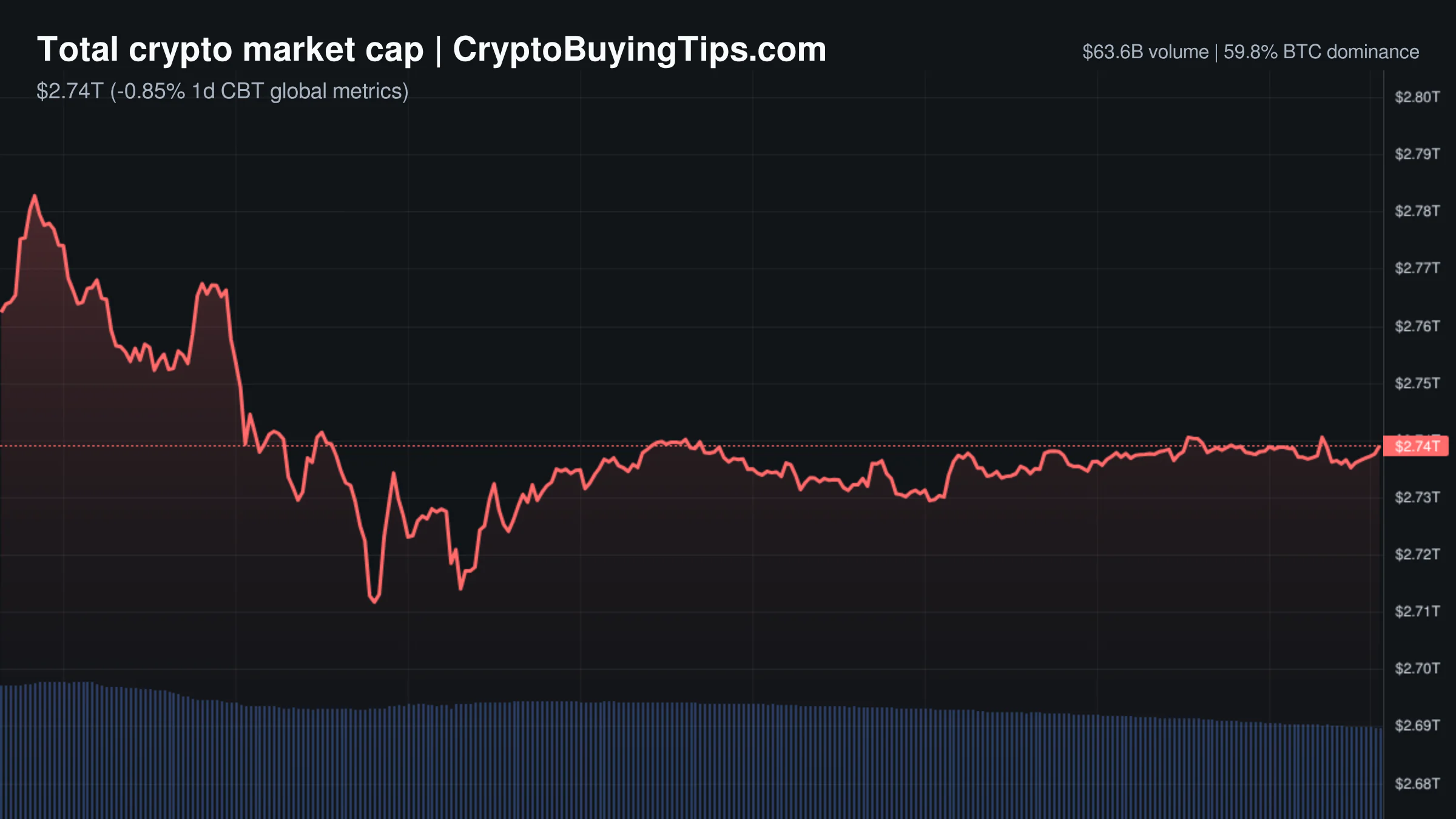
Crypto Market Overview | volume collapse amid macro pressure weighs on institutional flows | October 17, 2026
Market overview shows volume collapse amid macro pressure weighing on institutional flows; see how crypto is reacting to…

Speculators are ditching altcoins for tokenized Tesla stocks
Another day, another reason to question where all the money goes these days. Our signal scanner flagged a clear…
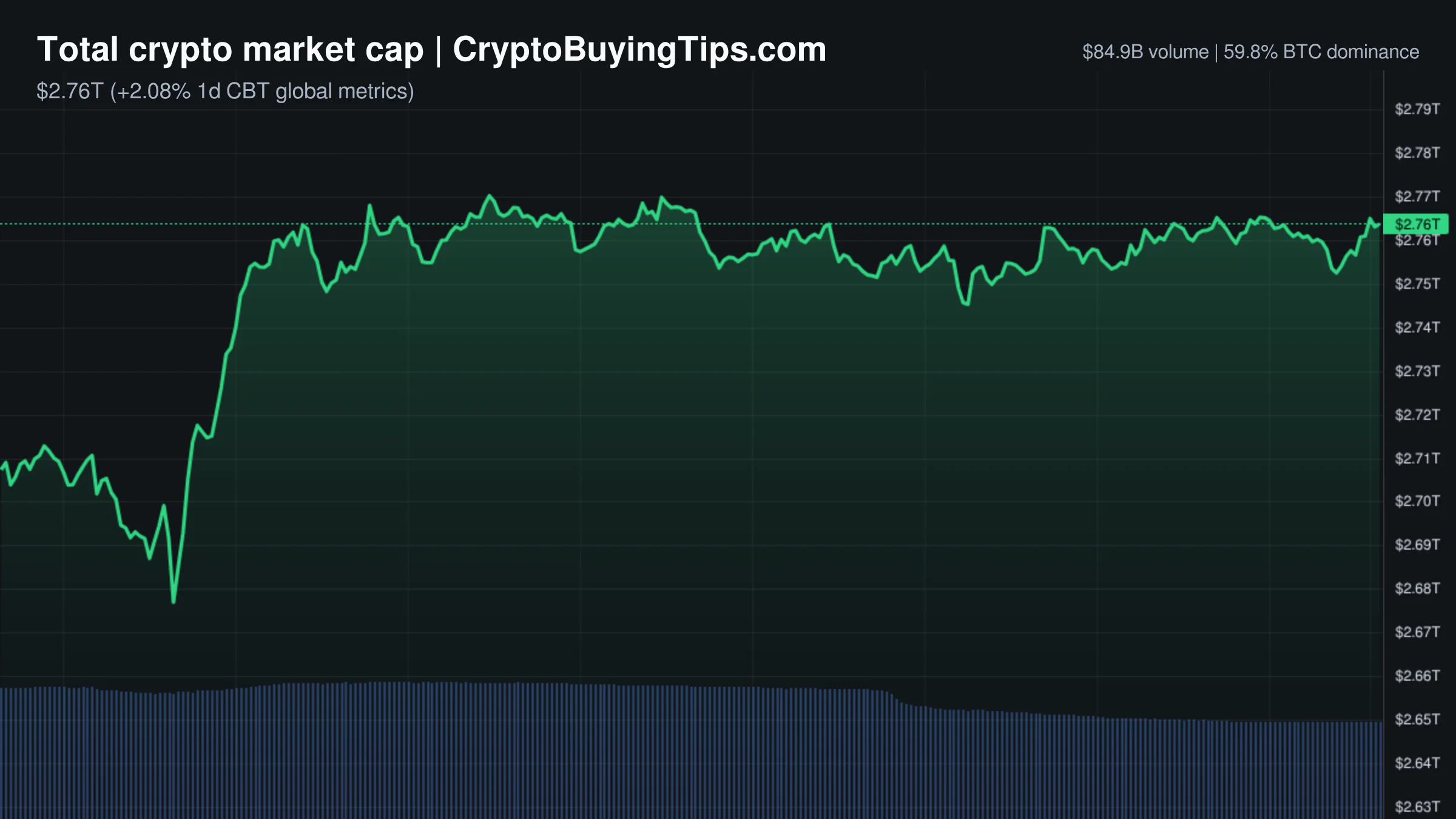
Crypto Market Overview | prices climb despite falling trading volume and stablecoin activity | October 16, 2026
Prices climb despite falling trading volume and stablecoin activity; see our market overview for context.

Wall Street is building its own rules while Congress argues
Wall Street seems to have decided waiting for Congress isn't worth the time. Major players like Mastercard are building…