
AI can now find DeFi bugs faster than humans. That is a problem
I have spent the last few years watching the DeFi space evolve from a wild west of experimental protocols into a multi-billion dollar industry. For a long time, the security of a project came down to a PDF from a reputable auditing firm and a prayer. But the launch of Anthropic's Claude Fable 5 has changed the math. We are no longer just fighting human hackers who might spend weeks poking at a contract. We are now dealing with models that can analyze thousands of lines of code in seconds, which is exactly how ai finds smart contract vulnerabilities.
The case for AI as a shield
On paper, this should be a win. If a machine can spot a reentrancy bug or a logic flaw before a project goes live, we save millions of dollars in user funds. I've seen plenty of audited projects get drained because the human auditor missed a subtle edge case. An AI doesn't get tired, it doesn't get bored, and it doesn't overlook a line of code because it's Friday afternoon.
We are seeing a shift where AI-driven audits are becoming the new standard. When AI is used by developers to stress-test their code, it creates a safer environment for everyone. I think the goal is to reach a point where no contract is deployed unless it has been scrubbed by multiple competing models.
How ai finds smart contract vulnerabilities and why it is a risk
Here is the problem. The same technology that helps a developer secure a protocol also helps a black hat hacker destroy it. AI doesn't have a moral compass. It doesn't care about the spirit of the protocol or the people losing their life savings.
When a model like Claude Fable 5 can identify a zero-day vulnerability in seconds, the window for a project to fix that bug shrinks to almost nothing. In the past, a hacker might find a bug and take their time to craft an exploit. Now, the discovery and the execution can happen almost simultaneously. We've already seen this play out with Zcash protocol vulnerabilities and other high-profile cases.
This creates a terrifying arms race. If the attackers have better AI than the defenders, the entire DeFi ecosystem becomes a house of cards. I keep thinking about the security wall that is currently keeping institutional money on the sidelines. As we previously covered, these AI smart contract attacks are a huge reason why Wall Street is still hesitant to move fully on-chain.
Where I land
I am skeptical that we can out-AI the hackers in the long run. The attacker only needs to find one hole. The defender has to plug every single one. That is a losing game.
The current market sentiment reflects this anxiety. The Fear & Greed Index is sitting at 14, which is extreme fear. While macro factors and the S&P 500 dipping are part of it, there is a deeper, systemic dread about the fragility of the code we trust our money to. When you see derivatives volume at $784B while spot volume is only $83B, you realize the market is driven by leverage and speculation, not a fundamental belief in the security of the tech.
I think we need to stop treating smart contract audits as a one and done checkbox. A PDF from six months ago is useless when a new AI model drops today and can re-analyze that code in a heartbeat. We need continuous, real-time monitoring.
For the average person, this means you cannot trust a project just because it says it is audited. You have to assume that every single contract has a bug that an AI has already found or will find soon. My advice is to keep your primary holdings off the yield farm merry-go-round. If you are holding significant assets, get them into a hardware wallet like the Ledger Nano Gen5 and only move what you can afford to lose into DeFi.
The reality is that AI has made the code is law mantra a lot more dangerous. If the law is written in a language that a machine can rewrite or exploit in milliseconds, then the law is whatever the fastest AI says it is.
Some links in this article may be affiliate links. We may earn a commission at no extra cost to you — this never influences our analysis or coverage.

Sigrid Voss
Crypto analyst and writer covering market trends, trading strategies, and blockchain technology.
More Articles
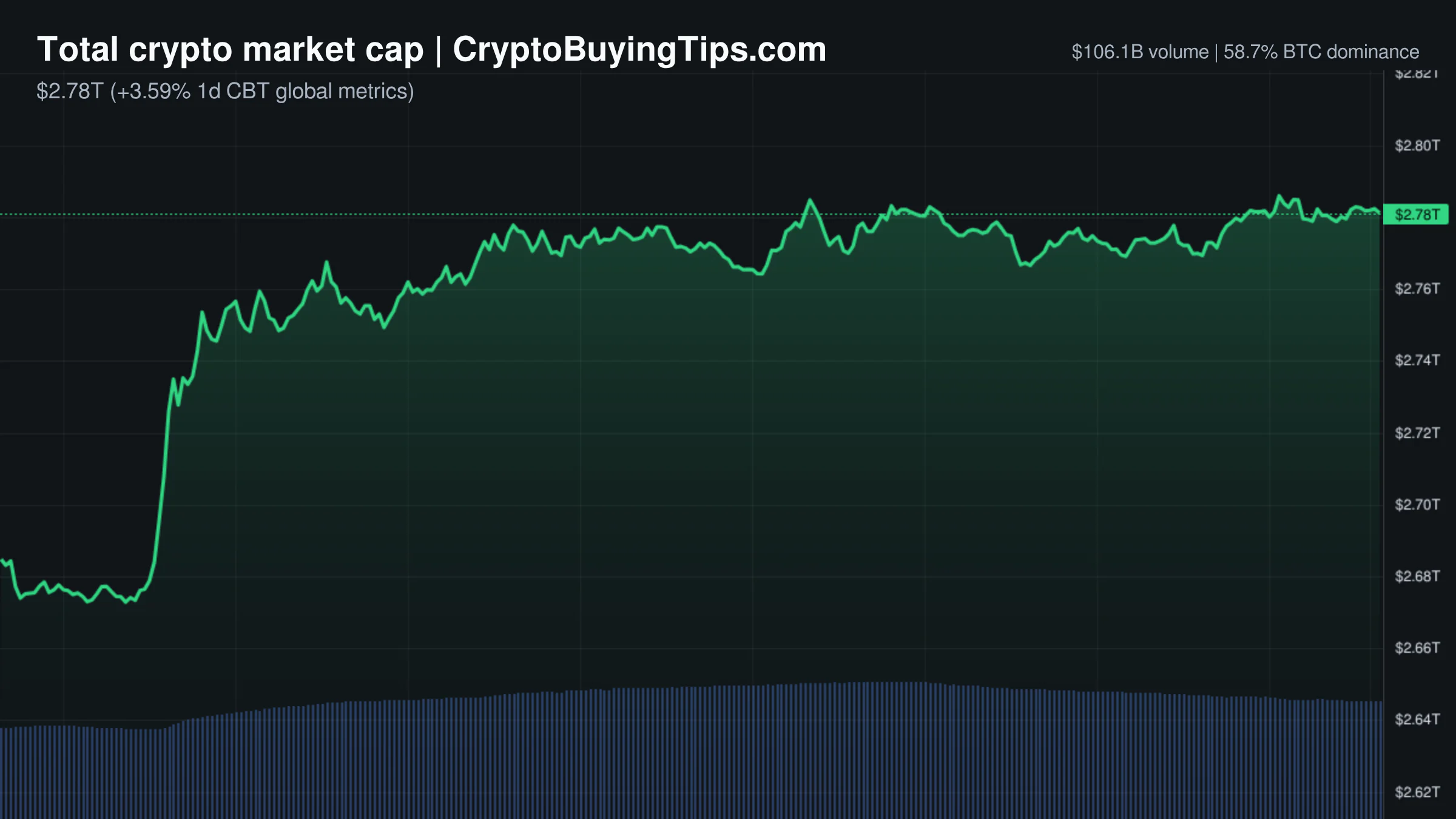
Crypto Market Overview | Leveraged bets drive gains amid diverging us regulatory paths | September 19, 2026
Leveraged bets drive crypto gains amid diverging us regulatory paths; see our market overview on BTC, ETH, and macro…

The market is trading $1 trillion in leverage and it is a problem
The market is trading $1 trillion in leverage and it is a problem. The sheer disparity between spot volume ($112.74B)…
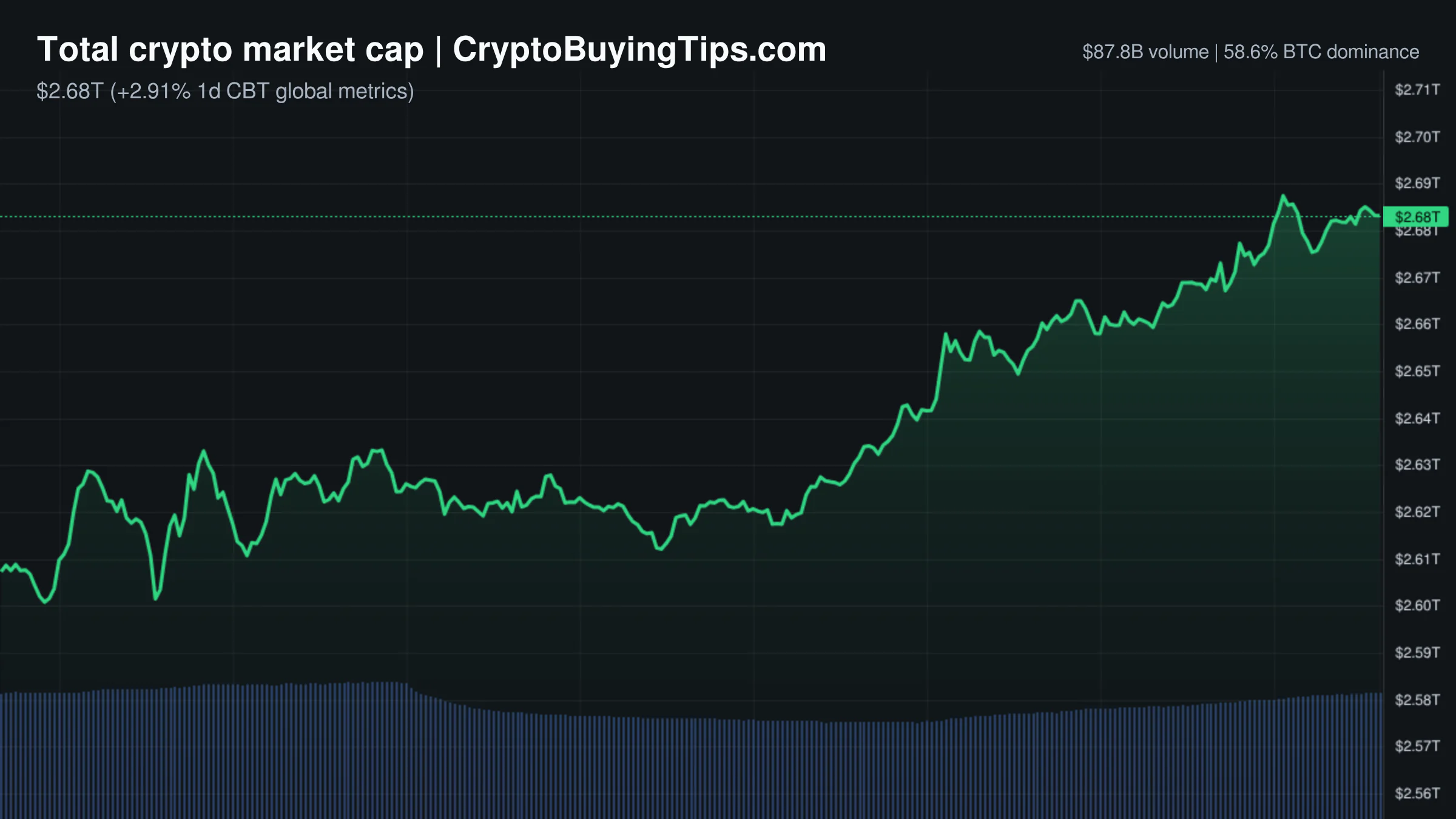
Crypto Market Overview | Leveraged bets dominate as regulatory shifts clash with geopolitical friction | September 18, 2026
The total market cap sits at $2.70T as leveraged bets dominate; see our read on crypto's regulatory clashes and…
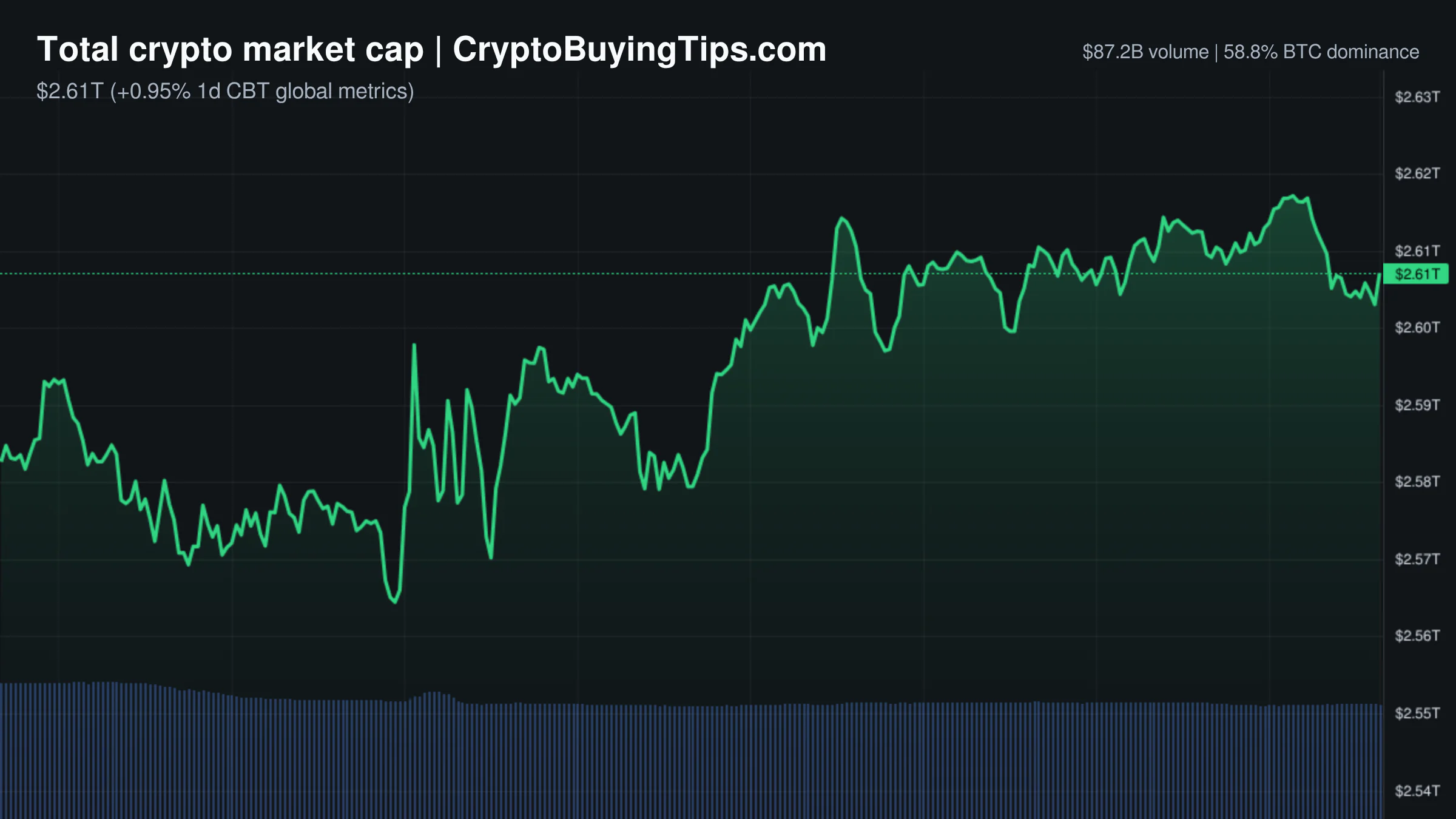
Crypto Market Overview | Fed rate hikes meet derivatives volume despite spot outflows and ETF redemptions | September 17, 2026
Fed rate hikes meet derivatives volume despite spot outflows and ETF redemptions Crypto market overview analysis for…