

Binance hacked for $369 million and JuCoin is freezing funds. Is it time to leave centralized exchanges?
I've been watching this market since 2019, and if there is one thing I've learned, it's that "safe" is a relative term in crypto. The news that Binance was hit for $369 million is a gut punch, but it's not a surprise. When you combine that with JuCoin freezing withdrawals, the writing is on the wall. If you're still keeping your entire portfolio on a centralized exchange (CEX), you're essentially betting your financial future on a stranger's ability to secure a database. For anyone wondering how to move crypto off exchange to protect their assets, the time to do it is before the panic reaches a fever pitch. We previously covered related angles in Bitcoin and Ethereum ETFs and AI Smart Contract Attacks.
The short answer
The only way to truly own your crypto is to move it to a wallet where you control the private keys. If you leave your coins on an exchange, you don't own them; you own a promise from the exchange that they will give them back to you. To secure your funds, you need to transfer your assets from the CEX to a non-custodial wallet, preferably a hardware device.
How it actually works
Moving your funds isn't as scary as it sounds, but you have to be methodical about it. I've seen too many people lose money because they rushed the process while panicking.
First, you need a destination. This is your wallet. You can use a software wallet (an app on your phone), but if you have a significant amount of money, you should use a hardware wallet. I personally prefer the Ledger Nano Gen5 for those starting out because it's around $99 and brings a modern E Ink touchscreen to an affordable price point. It keeps your keys offline, meaning a hacker can't steal your funds just by compromising your computer.
Once your wallet is set up, you'll find your "Receive" address for the specific coin you want to move. This is a long string of letters and numbers. Copy this address carefully.
Next, go to your exchange account and find the "Withdraw" section. Paste your wallet address there. Always double check the first and last four characters of the address before hitting send. If you get one character wrong, your money is gone forever.
Finally, select the correct network. If you're moving ETH, use the Ethereum network. If you use the wrong network, your funds might get stuck or lost. After you confirm the transaction, the exchange sends the coins to your wallet, and you finally have total control.
Where people get tripped up
The biggest mistake I see is people ignoring the "test transaction." I always tell my friends to send a tiny amount first. Send $10 worth of BTC or ETH. Once you see it land in your wallet, you know the address and network are correct. Only then should you send the rest of your balance.
Another trap is the "seed phrase" scam. When you set up a wallet, you'll get a 12 or 24 word recovery phrase. This is the master key to your money. Never, ever type this into a website or give it to someone claiming to be "support." If someone asks for your seed phrase, they are trying to rob you. Write it on paper and hide it.
I also notice people get complacent during "neutral" market phases. Right now, the Altcoin Season Index is at 46, and the market feels stagnant. But look at the Fear and Greed Index. It's at 14, which is extreme fear. When fear is this high, liquidity can dry up quickly, and that's exactly when smaller exchanges like JuCoin start freezing withdrawals.
Putting it into practice
If you're feeling uneasy about the current state of CEXs, don't wait for the next headline.
Start by auditing your holdings. If you have more than you can afford to lose on a single platform, it's time to diversify your custody. I recommend moving your long-term "HODL" assets to a hardware wallet immediately. Keep only what you are actively trading on the exchange.
If you're worried about the security of your connection while managing these transfers, using a VPN can help block some phishing domains and encrypt your traffic. It's a simple step that adds a layer of defense against the kind of attacks that often precede a major exchange breach.
The goal here isn't to be a paranoid hermit. It's about understanding that in a world of $369 million hacks, the only real security is the security you provide for yourself.
Trade the news at our editorial-picked exchange: Bybit
Some links in this article may be affiliate links. We may earn a commission at no extra cost to you — this never influences our analysis or coverage.

Sigrid Voss
Crypto analyst and writer covering market trends, trading strategies, and blockchain technology.
More Articles
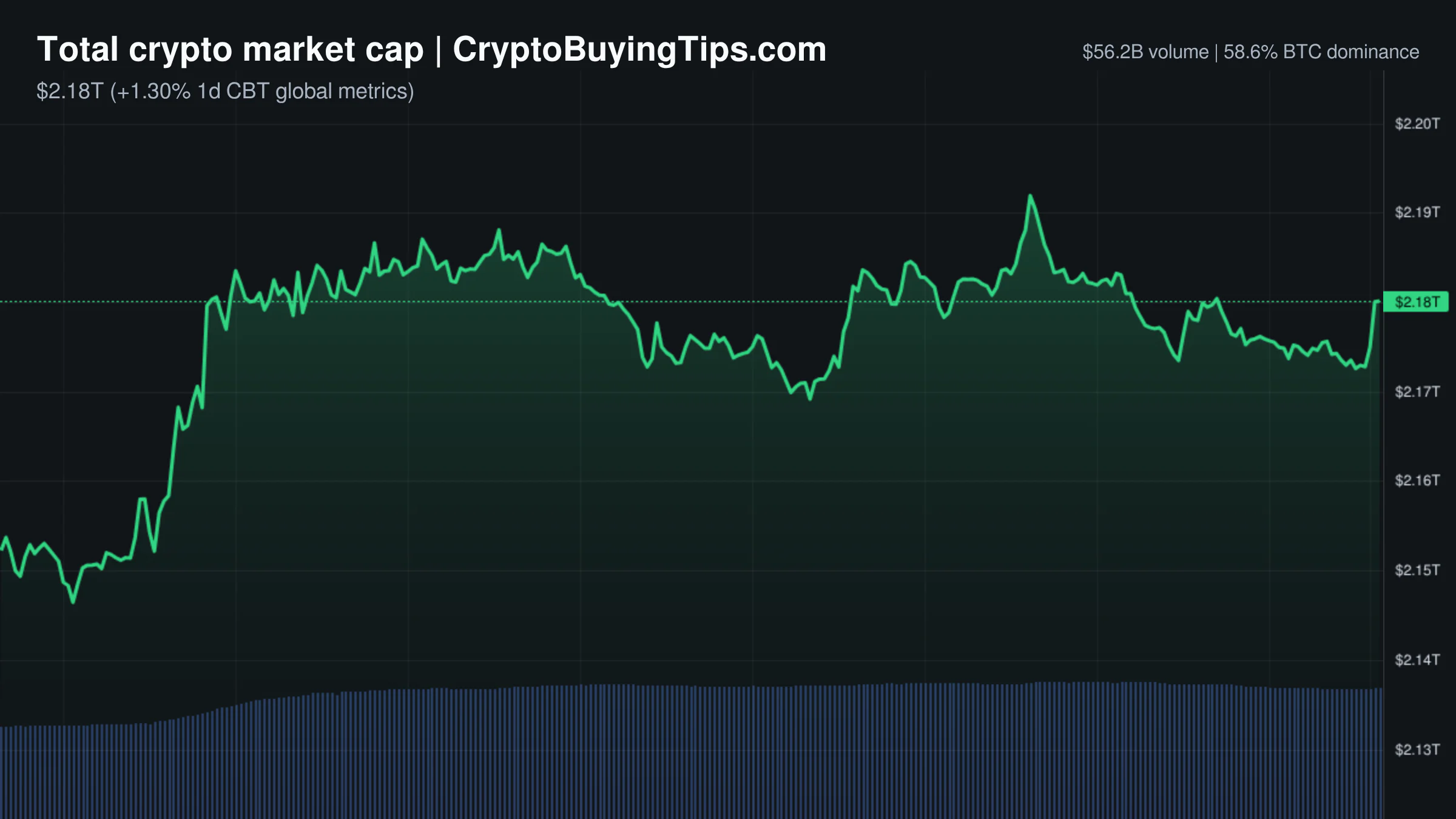
Crypto Market Overview | institutional tokenization drives capital flow despite fear sentiment | August 4, 2026
The crypto market shows mixed signals as institutional tokenization drives capital flow despite fear sentiment; see our…
Why is spot trading moving to dex while CEX volumes sink?
The plumbing is changing again; apparently, professional money prefers self-custody to convenient KYC gates. Our data…
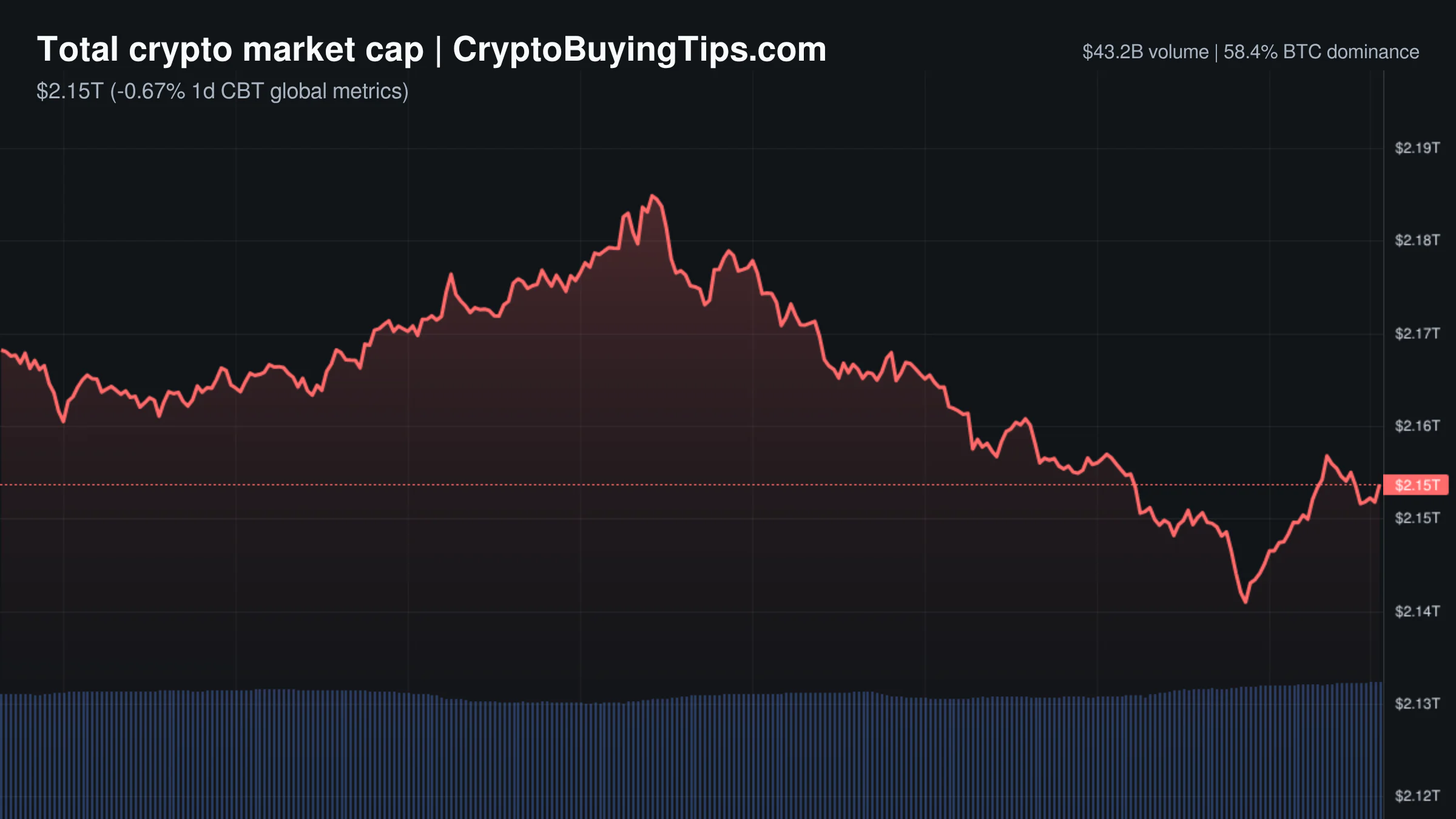
Crypto Market Overview | Leverage bets surge amid security shocks and institutional interest | August 3, 2026
The crypto market overview shows leverage bets surging amid security shocks; see how derivatives volume dwarfs spot…

Wall Street gave us ETFs, now crypto exchanges are giving us the reverse bridge
The industry seems preoccupied with ETF inflows while ignoring where the real money bets are placed. Our data shows…