

BlackRock is adding a yield switch to Bitcoin. Here is the catch
Most people buy Bitcoin for the same reason: they hope the price goes up. But for a lot of investors, the volatility is a problem. They want the exposure to Bitcoin, but they also want a steady check hitting their account every month. BlackRock is now bringing a traditional Wall Street strategy to the crypto world to solve this. If you are wondering how does a covered call bitcoin etf work, the simplest answer is that the fund sells the upside of Bitcoin in exchange for immediate cash.
The short answer
A covered call ETF holds Bitcoin and sells call options on that Bitcoin to other traders. The fund collects a fee (the premium) for selling these options, which it then pays out to investors as yield. You get regular income, but you give up the chance to profit from a massive price spike.
How does a covered call bitcoin etf work in practice?
To understand the mechanics, you have to look at the two parts of the trade. The covered part means the ETF actually owns the Bitcoin. The call part is a contract that gives someone else the right to buy that Bitcoin at a specific price, known as the strike price, by a certain date.
When BlackRock sells these call options, they are essentially betting that Bitcoin won't rocket past the strike price too quickly. In return for taking on that risk, the fund collects a premium. This premium is what creates the yield for the ETF holders.
Our news scoring system rated this specific launch as high-impact for liquidity. This is because it changes the type of buyer entering the market. We are moving from buy and hold investors to income seekers who care more about the monthly payout than the long-term moonshot.
Where people get tripped up
The biggest mistake investors make with these products is thinking the yield is interest, like a savings account. It isn't. It is a volatility harvest.
In a market characterized by extreme fear, like the current environment where the Fear and Greed Index sits at 16, these products can look attractive. When prices are stagnant or falling, the income can cushion the blow. But investors often forget that they are still exposed to the downside. If Bitcoin drops 20%, the option premium might offset a small bit of that loss, but you are still holding a crashing asset.
Another point of confusion is the fee structure. Our news scoring system noted that BlackRock is aiming to undercut rivals on fees. In the world of yield ETFs, the management fee can eat a significant chunk of the premiums generated. If the fee is too high, the income becomes a transfer of wealth from the investor to the fund manager.
The trade-off between yield and growth
There is no such thing as a free lunch in finance. The yield in a covered call ETF doesn't come from a magical source; it comes from sacrificing your potential gains.
If Bitcoin stays flat or goes up slightly, the covered call strategy is a win. You get the price appreciation plus the option premiums. But if Bitcoin goes on a massive bull run, the ETF will underperform a standard spot ETF. Because the fund sold the right for someone else to buy the Bitcoin at the strike price, the gains are capped. Once the price hits that cap, the upside belongs to the option buyer, not the ETF holder.
We've seen similar moves in the traditional world, and we previously covered how Goldman Sachs Bitcoin Yield strategies were shifting the focus from pure price action to consistent payouts. BlackRock is now scaling this for the masses.
Our read on the institutional shift
The launch of an income-paying ETF is a sign that Bitcoin is becoming a mature financial asset. It is no longer just a speculative token; it is now a building block for complex portfolios.
However, we are skeptical of the narrative that this is a safe way to enter crypto. While it provides a paycheck, it does not remove the fundamental risk of the underlying asset. We've seen a period of instability recently, and our data on Bitcoin ETF outflows shows that institutional appetite can flip on a dime.
The move by BlackRock and Fidelity to dominate the ETF space suggests a consolidation of power. By offering both spot and yield versions of Bitcoin, they are creating a one-stop shop for institutions. This makes the market more liquid, but it also means a few giant firms have a massive influence over how Bitcoin is held and traded.
Some links in this article may be affiliate links. We may earn a commission at no extra cost to you — this never influences our analysis or coverage.

Sigrid Voss
Crypto analyst and writer covering market trends, trading strategies, and blockchain technology.
More Articles
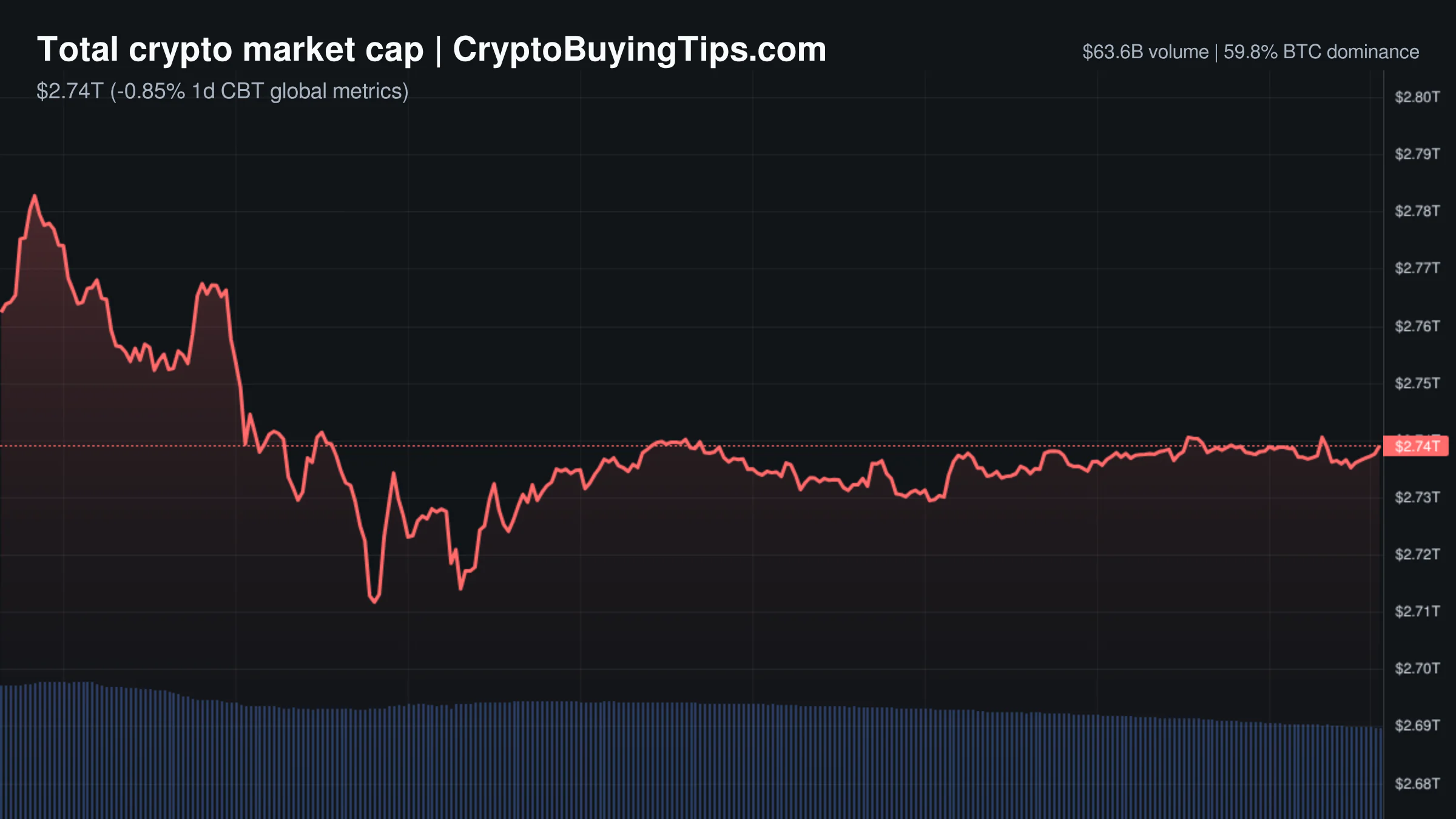
Crypto Market Overview | volume collapse amid macro pressure weighs on institutional flows | October 17, 2026
Market overview shows volume collapse amid macro pressure weighing on institutional flows; see how crypto is reacting to…

Speculators are ditching altcoins for tokenized Tesla stocks
Another day, another reason to question where all the money goes these days. Our signal scanner flagged a clear…
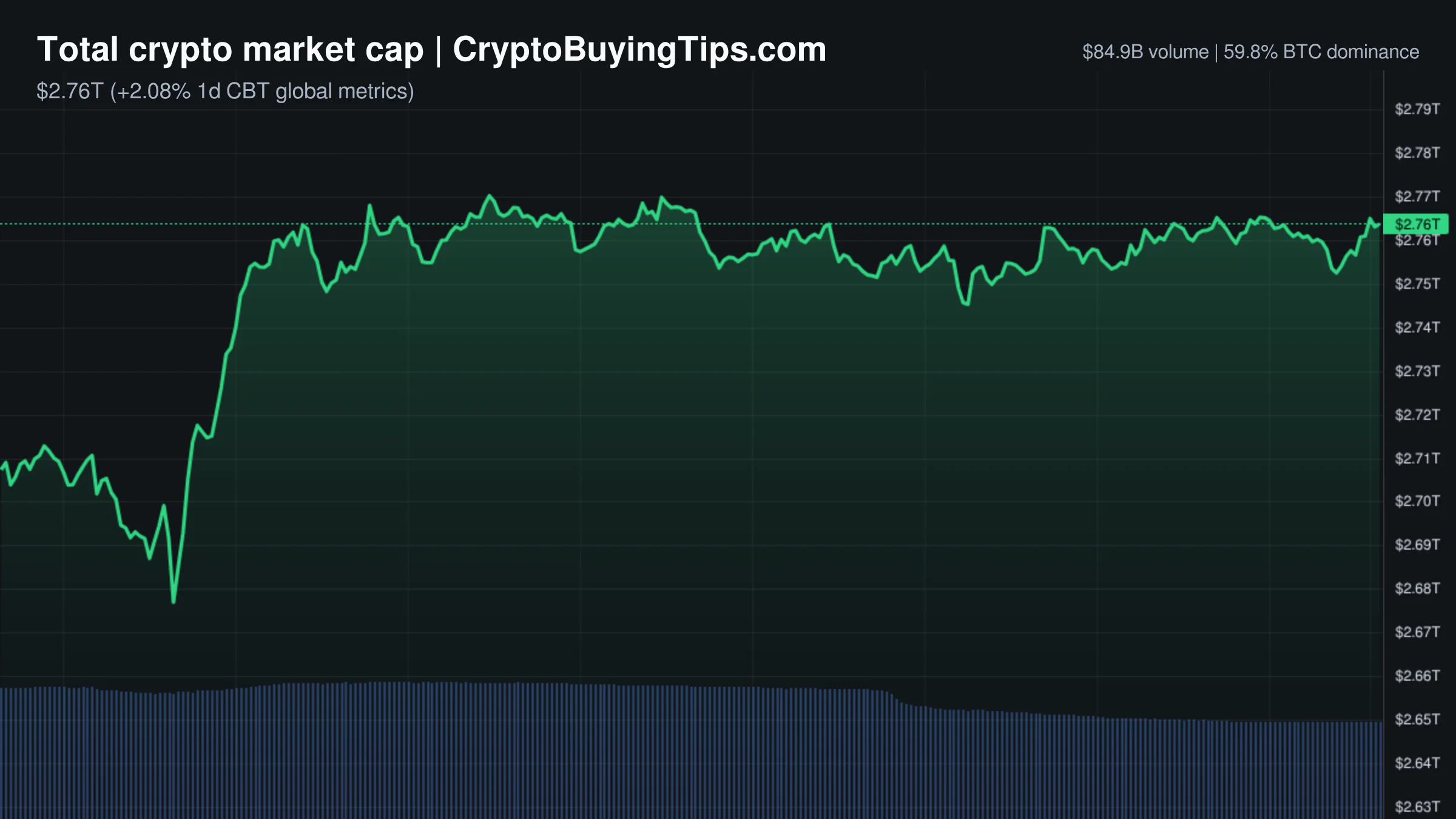
Crypto Market Overview | prices climb despite falling trading volume and stablecoin activity | October 16, 2026
Prices climb despite falling trading volume and stablecoin activity; see our market overview for context.

Wall Street is building its own rules while Congress argues
Wall Street seems to have decided waiting for Congress isn't worth the time. Major players like Mastercard are building…