
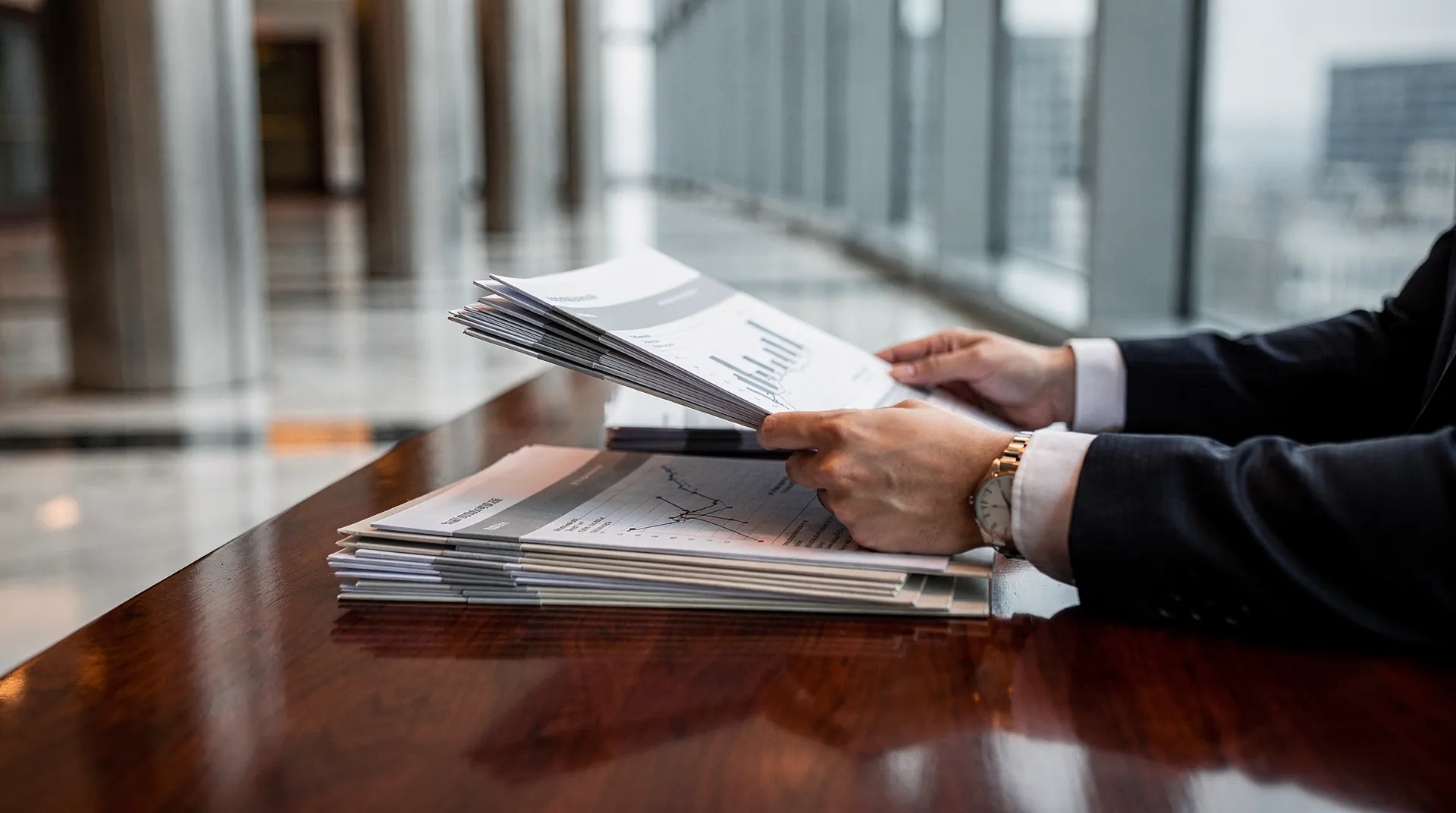
Forget the SEC, AML fines are the real threat to your exchange
For a few years, the narrative was simple: the SEC is the big bad wolf, and if they decide your favorite token is a security, the party ends. But while everyone was watching Gary Gensler, the real danger shifted. We are seeing a massive pivot where the US Department of Justice (DOJ) and FinCEN are coming after exchanges not for what they sell, but for who they let in. If you're wondering is my crypto exchange compliant with aml, you're asking the right question because the answer determines if your funds are sitting on a ticking time bomb.
What is actually happening
The shift is visible in the numbers. We aren't just talking about small slap-on-the-wrist penalties. We're talking about billion-dollar settlements. Exchanges like OKX and KuCoin have been hit with massive fines, and it's almost always related to the Bank Secrecy Act (BSA) and Anti-Money Laundering (AML) failures.
The core of the problem is that many exchanges grew by ignoring KYC (Know Your Customer) rules to attract users. They wanted growth, and they got it. But the US government has decided that the "move fast and break things" era of crypto compliance is over. They are now treating exchanges like banks. If an exchange allows a sanctioned entity or a criminal to move money without a proper paper trail, the DOJ doesn't just fine the company, they can effectively shut down its access to the US dollar.
Why this is a bigger risk than the SEC
The SEC fights over definitions. They argue about whether a token is a security or a commodity. Those are civil battles that can take years to play out in court. AML enforcement is different. It's often criminal. When the DOJ gets involved, they aren't arguing about definitions, they're arguing about lawbreaking.
In my experience, the SEC risk is mostly about the price of a specific token dropping. AML risk is about the entire platform disappearing or freezing your account. If an exchange is found to be a haven for money laundering, the government can force them to freeze assets or block withdrawals to comply with a settlement. That is a much more immediate threat to your balance than a debate over whether XRP is a security.
How to tell if your exchange is compliant
It's hard to get a 100% clear answer because exchanges love to use vague language in their terms of service. However, there are a few red flags I look for. If an exchange claims to be "global" but has no clear KYC process for withdrawals, or if they explicitly market themselves as a way to bypass regulations, they are a target.
I prefer using platforms that are transparent about their compliance. For example, I use Bybit for my active trading because they've scaled to 60 million users while maintaining a professional-grade infrastructure. While no exchange is perfectly immune to regulatory shifts, using a top-tier platform with clear KYC requirements is generally safer than gambling on a "no-KYC" wild west exchange that might be raided tomorrow.
The trade-off between privacy and safety
I get the appeal of privacy. I really do. The whole point of Bitcoin was to remove the middleman. But there is a massive difference between using a non-custodial wallet and leaving your money on a centralized exchange.
If you want privacy, don't look for a "compliant" exchange, because those two things are opposites. Instead, move your assets off the exchange entirely. I've always felt that the only way to truly sleep at night is through self-custody. If you're worried about exchange compliance, the solution isn't finding a "better" exchange, it's using a hardware wallet.
I personally recommend the Ledger Nano Gen5 for anyone starting out. It's around $99 and gives you an E Ink touchscreen, which makes verifying addresses much easier than the old-school tiny screens. When you hold your own keys, it doesn't matter if an exchange gets hit with a $1 billion AML fine, because your money isn't in their pockets.
My final take
We are entering a phase where the "regulatory arbitrage" game is ending. The idea that an exchange can just move its headquarters to the Seychelles to avoid US laws is a myth. If they want to touch the global financial system, they have to play by the rules.
I think the next two years will see a massive shakeout. The exchanges that tried to cheat the system will either be bought out for pennies or shut down. The ones that embraced compliance early will win. For you, the lesson is simple: stop trusting the "trustless" promises of centralized platforms. Use them to trade, but never use them as a bank.
Some links in this article may be affiliate links. We may earn a commission at no extra cost to you — this never influences our analysis or coverage.

Sigrid Voss
Crypto analyst and writer covering market trends, trading strategies, and blockchain technology.
More Articles
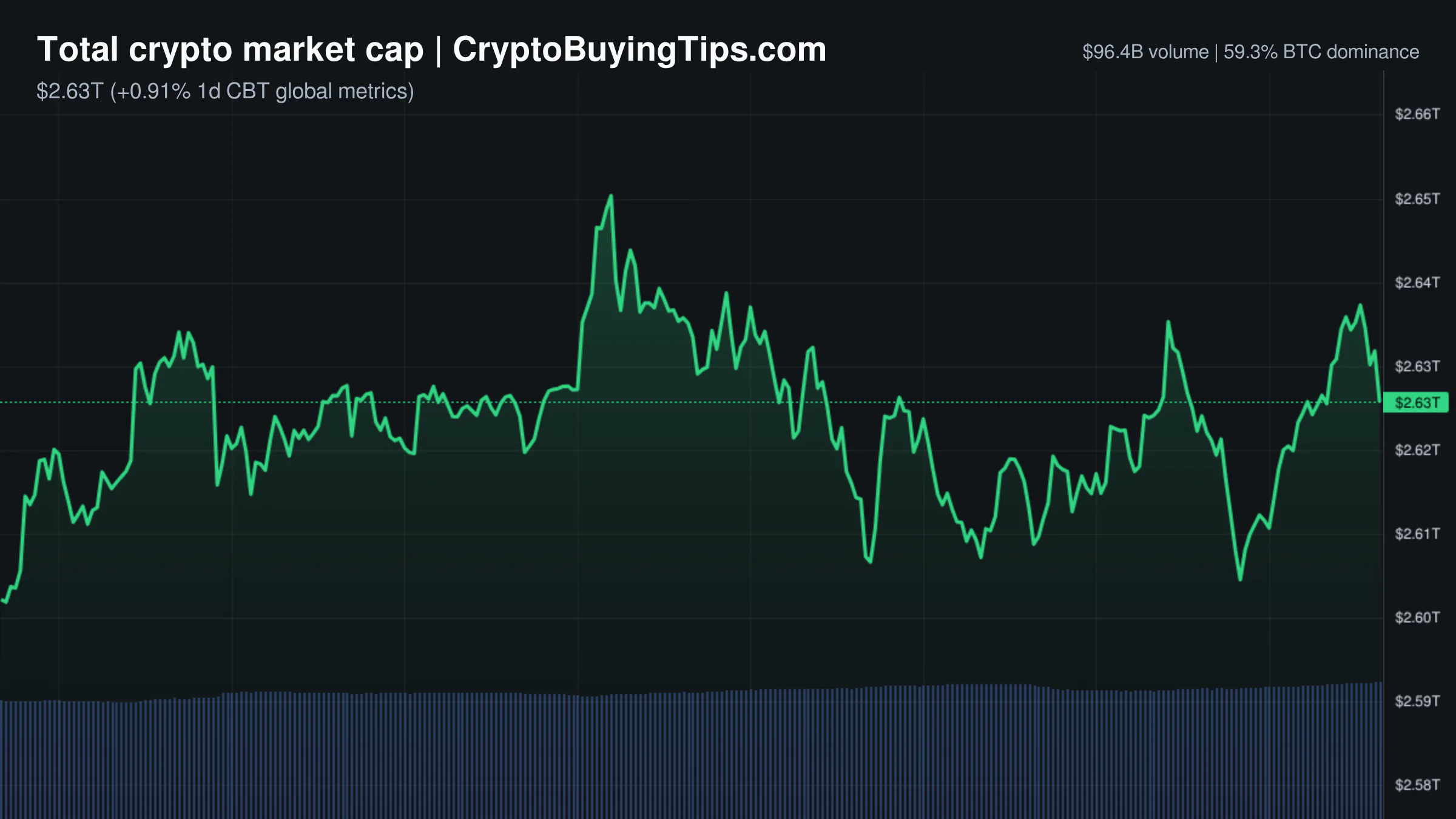
Crypto Market Overview | Leverage-driven rally amid strong ETF inflows as BTC targets 80k | August 24, 2026
Leverage-driven rally sees BTC near 80k amid strong ETF inflows; see our market overview on current crypto dynamics.

Derivatives volume is 8x higher than spot. Here is why that is a warning
The market's current price action seems to be driven by bets rather than cash; with derivatives volume eight times…
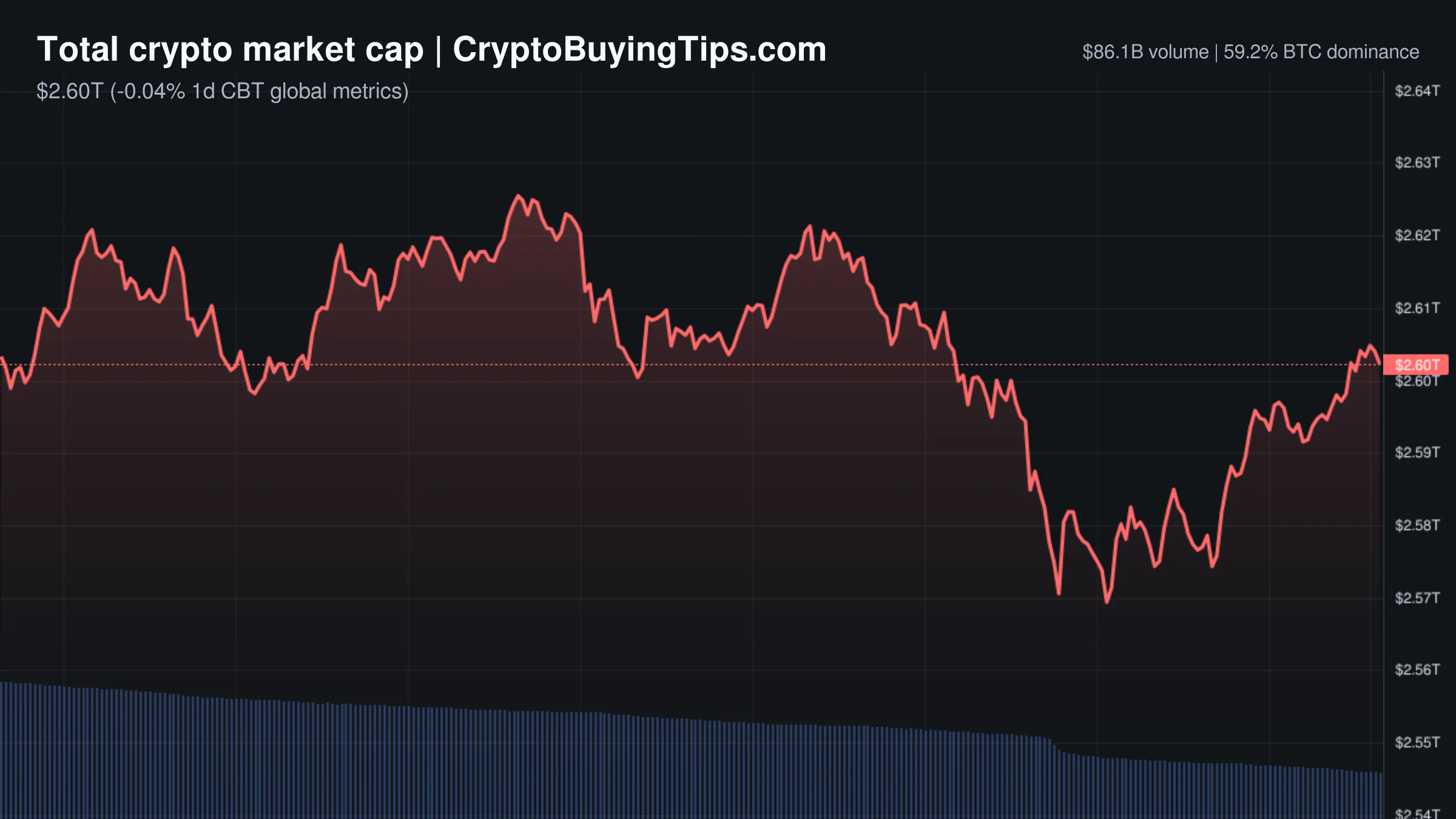
Crypto Market Overview | volume collapses as greed persists amid regulatory friction | August 23, 2026
Volume collapses as greed persists amid regulatory friction; see our market overview on crypto's current state and key…

Brussels is coming for DeFi vaults and the market is ignoring the risk
Brussels seems to think "decentralized" is just an aesthetic choice for now. Our read suggests MiCA regulation isn't…