

The EU just banned Russian crypto platforms and it changes the game for everyone
The European Union has moved beyond just freezing individual wallets. They have now implemented a sectoral ban on Russian crypto platforms, effectively weaponizing the very infrastructure that many believed was "sanction-proof." For the average person, this might seem like a distant geopolitical spat, but it actually highlights the massive risks of using crypto for international transfers in a world where regulators are learning how to flip the switch on entire networks.
What actually happened
The EU has shifted its strategy. Instead of playing whack-a-mole with specific addresses, they have banned the provision of crypto-asset wallet, exchange, and custody services to Russian persons and residents. This is a structural blockade. It means any EU-based entity providing these services is now breaking the law if they facilitate trades or hold assets for Russians.
I've been following this since 2019, and this is a different beast than the US sanctions on Iran I wrote about a while back. Those were largely about choking off specific lifelines. This is a blanket ban on the service layer. The EU is essentially telling the industry: if you want to operate in the European market, you cannot touch the Russian market. Period.
Why this is a warning for the rest of us
This move proves that "decentralization" is often a myth when it comes to the on-ramps and off-ramps we actually use. Most of us don't trade purely on-chain; we use exchanges. When the EU mandates a sectoral ban, those exchanges have no choice but to comply or lose their licenses to operate in one of the world's largest economies.
The real danger here is the precedent. We are seeing the birth of a "fragmented liquidity" era. If the EU can ban a whole sector of the Russian crypto economy, what stops them from doing the same to other jurisdictions based on political whims? It turns your exchange account into a political liability.
I'm also worried about the liquidity shock. When a massive group of users is suddenly booted from major platforms, they don't just stop trading. They migrate to non-KYC services or P2P markets. This creates a "shadow" crypto economy that is harder to track and more prone to scams.
The risks of using crypto for international transfers
If you're using stablecoins like USDT to move money across borders, you need to realize that you are not invisible. Many people think they are bypassing the banking system, but they are actually just swapping one set of gatekeepers for another.
If you use a centralized exchange to send funds, that exchange is the one deciding if your transaction is "legal" based on the latest EU or US directive. I've seen users get their accounts frozen for years because of a "suspicious" transfer from a region that suddenly became a sanctions target.
If you're moving significant funds, I always suggest moving them off exchanges. I personally use Ledger Nano X because it gives me total control over my private keys. It's a $149 investment that ensures your assets aren't sitting in a corporate hot wallet that can be frozen the moment a new EU regulation is signed.
What I'm watching now
I'm keeping a close eye on the Altcoin Season Index, which is currently sitting at 40. We are still firmly in a Bitcoin Season, with BTC dominance at 60.09%. This means the market is playing it safe.
But the real signal is in the derivatives volume. It jumped over 80% recently to $648.75B. That is an insane amount of leverage. When you combine high leverage with geopolitical volatility like these EU sanctions, you get a recipe for a massive liquidation event.
I'm watching for two things:
- Whether Russia attempts to launch a state-backed "sanction-proof" coin to bypass these bans.
- If other major economies follow the EU's lead and start banning "sectoral" crypto services in other regions.
If this becomes the global standard, the dream of a borderless, permissionless financial system is effectively dead. We'll just have a series of digital walls that are even harder to climb than the old banking ones.
Some links in this article may be affiliate links. We may earn a commission at no extra cost to you — this never influences our analysis or coverage.

Sigrid Voss
Crypto analyst and writer covering market trends, trading strategies, and blockchain technology.
More Articles
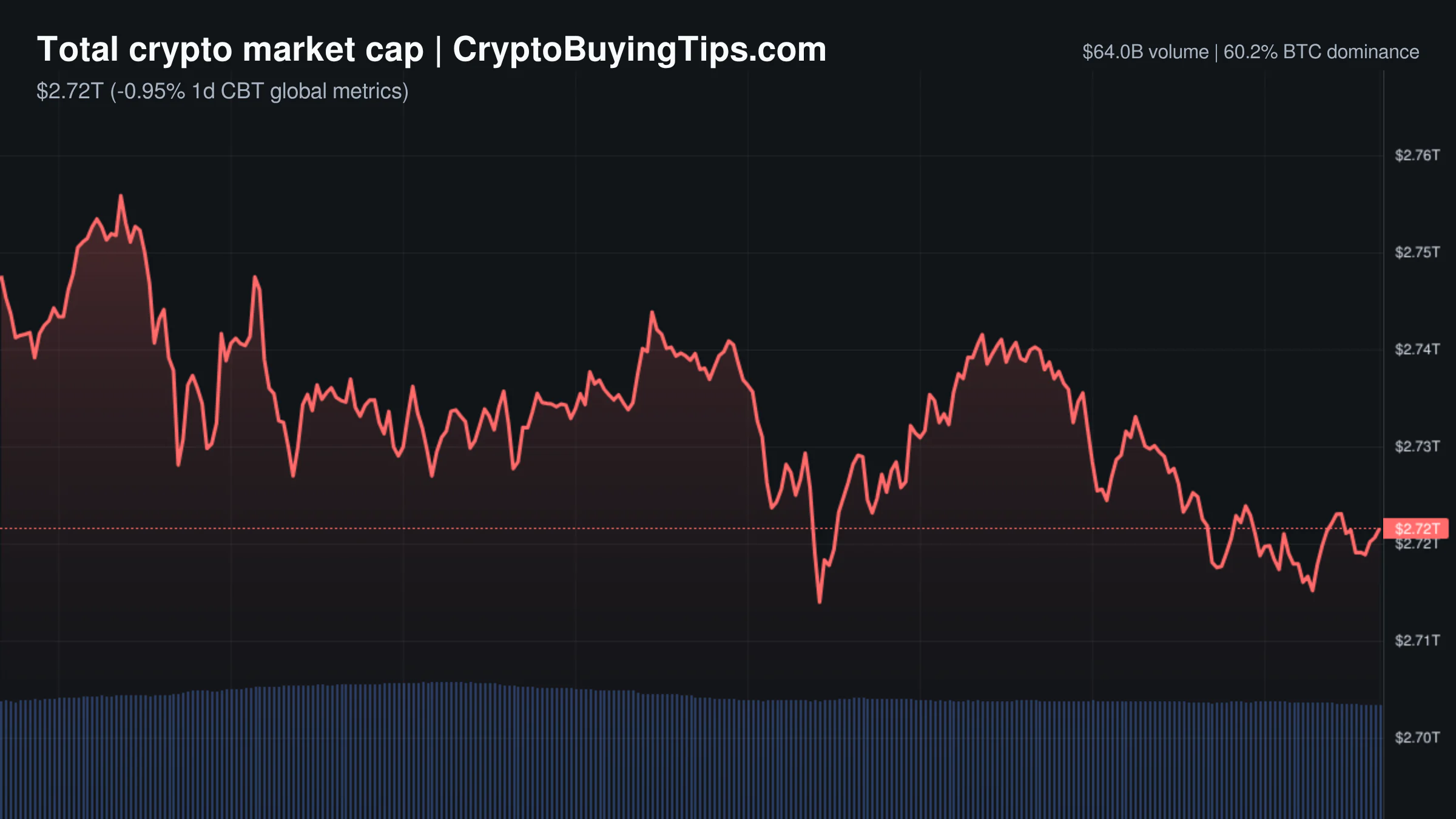
Crypto Market Overview | Derivatives volume dwarfs spot activity amid institutional rails expansion | October 20, 2026
Derivatives volume dwarfs spot activity as crypto navigates institutional rails expansion; see our market overview data…
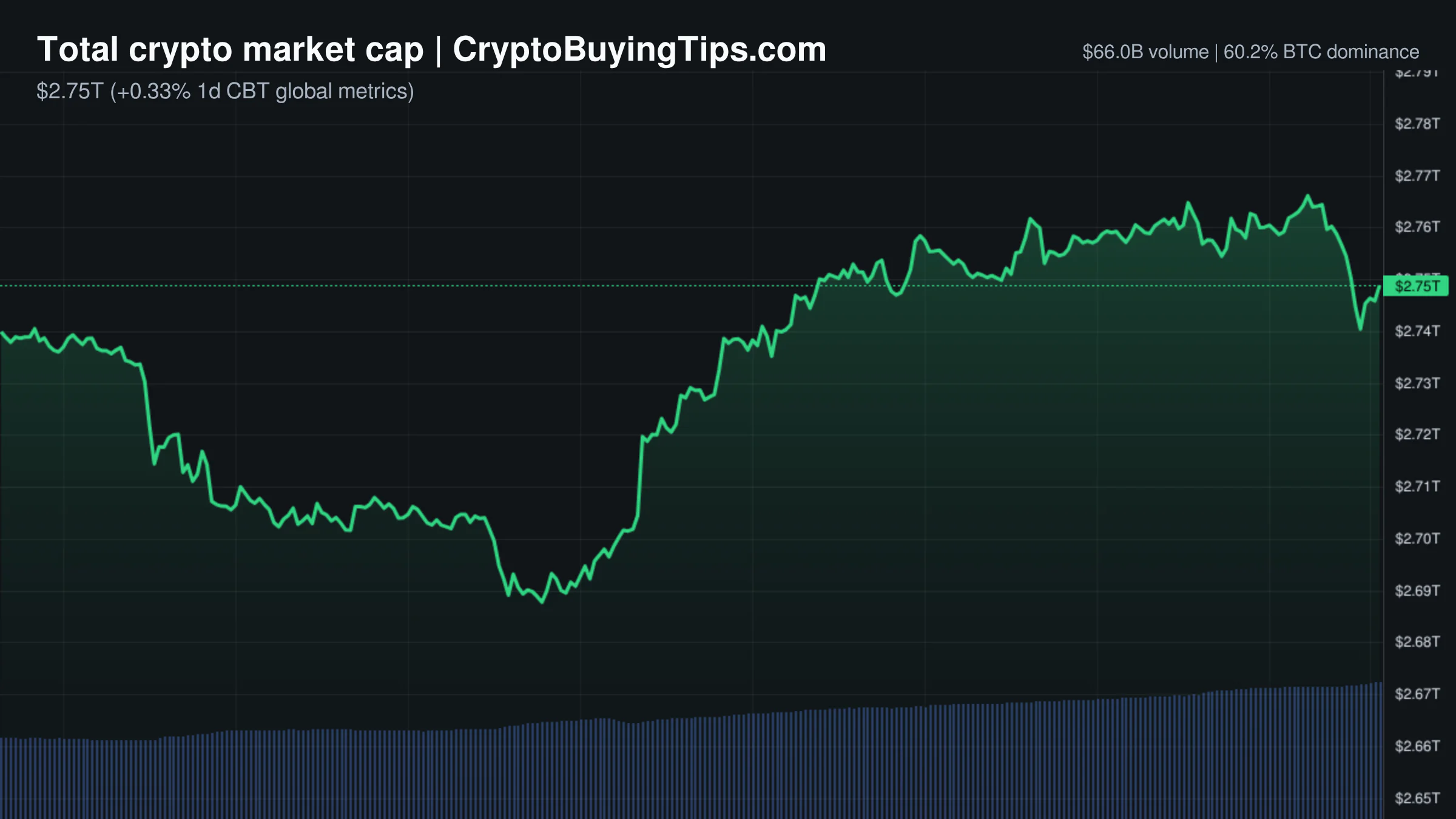
Crypto Market Overview | Leveraged bets surge as institutional rails expand despite ETF outflows | October 19, 2026
Leveraged bets surge as institutional rails expand despite ETF outflows; see our market overview on BTC dominance and…

Why 0.04 Gwei gas is a red flag for Ethereum
The quiet gas fees suggest nothing about underlying utility demand; meanwhile, $566B in derivatives volume points…
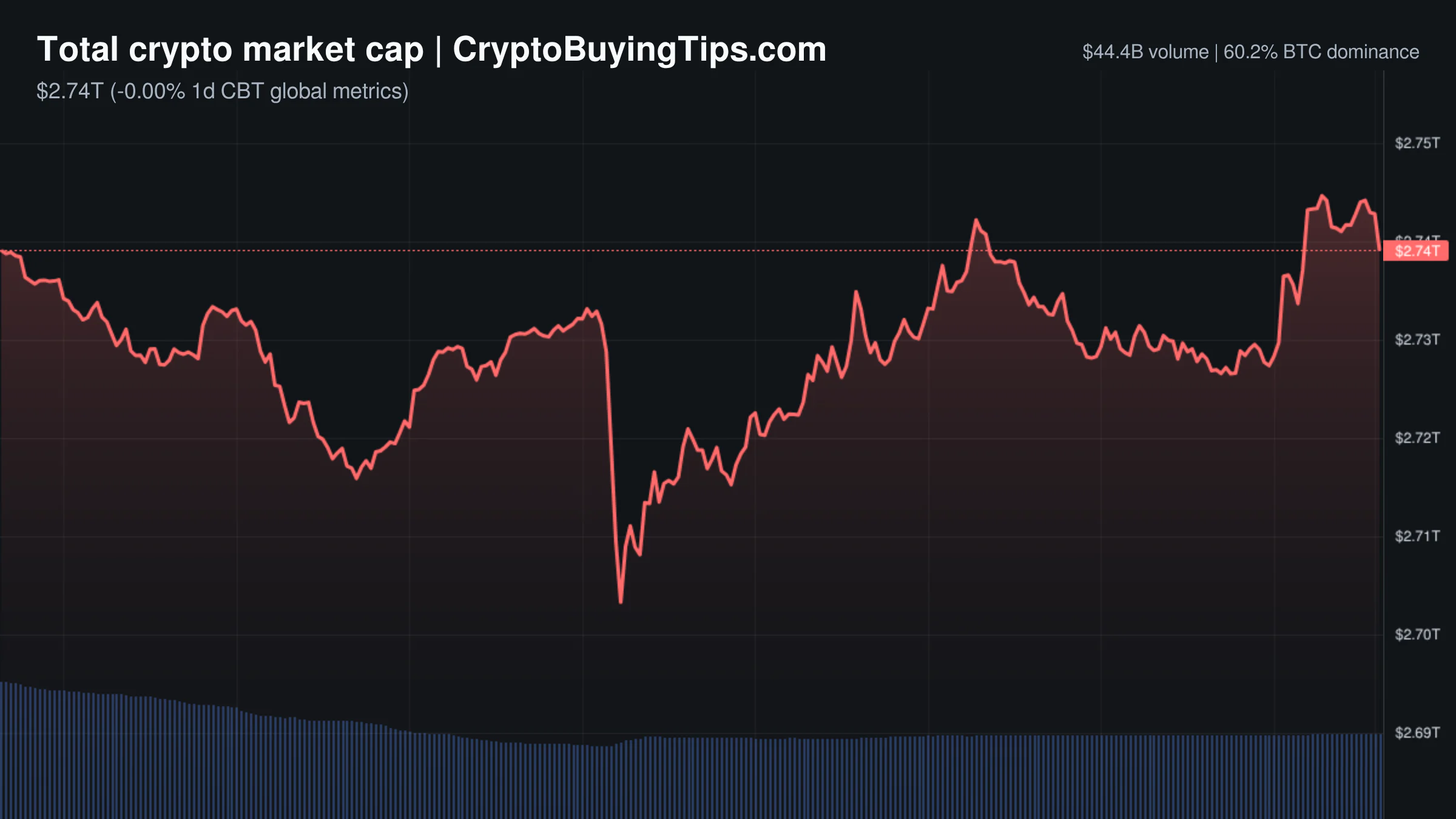
Crypto Market Overview | Bitcoin dominance climbs while altcoins struggle amid institutional friction | October 18, 2026
Bitcoin dominance climbs to 60.1% while altcoins struggle amid institutional friction; see our market overview for…