
The SEC is shifting from people to protocols. Here is why it matters
For years, the SEC has treated crypto like a messy version of the New York Stock Exchange. They look for a "person" or a "company" to sue when something goes wrong. But Paul Atkins is proposing a structural shift that changes the game. He wants to move from intermediary-based rules to protocol-based rules. If you are trying to grasp the difference between traditional and onchain trading, this is the exact point where the two worlds collide. For more background, CBT previously covered related angles in Todd Blanche as Interim AG: What His Crypto Stance Means for Regulation and New York is suing Coinbase and Gemini over prediction markets. Here is what you need to know.
The shift from people to protocols
In the traditional world, the law is built around the middleman. If you buy a stock, there is a broker, a clearinghouse, and a central exchange. The SEC regulates these entities. They tell the broker how to behave and the exchange how to report trades. It is a system of "who" is doing the action.
Onchain markets don't work like that. In a DeFi protocol, there is no CEO to subpoena. There is no head office in Delaware. There is just code. When Atkins talks about protocol-based rules, he is suggesting that the SEC should regulate the mechanism rather than the operator.
This means instead of asking "Who is running this exchange?" the regulator asks "Does this protocol have the built-in safeguards required for this type of asset?" It is a move toward regulating the math and the logic of the smart contract.
Why this changes the difference between traditional and onchain trading
The biggest friction in the market right now is that institutions want the efficiency of blockchain but the safety of traditional law.
Traditional trading relies on "T+2" settlement, meaning it takes two days for your money and shares to actually swap. Onchain trading happens in seconds. But because the SEC has been hunting for intermediaries to punish, most big banks have stayed away from true DeFi. They are too scared of being labeled an "unregistered broker."
If the SEC actually adopts protocol-based regulation, that fear disappears. We stop pretending that a decentralized liquidity pool is just a "digital version of a brokerage." Instead, we acknowledge it is a new type of financial primitive.
I've been following this since 2019, and the irony is that the "wild west" of DeFi is actually more transparent than the traditional system. You can see every trade on Etherscan. You can't do that with a private ledger at a big bank. This shift could finally let the NYSE and other giants move their core plumbing onchain without worrying about a lawsuit every time a smart contract updates.
What this means for your assets
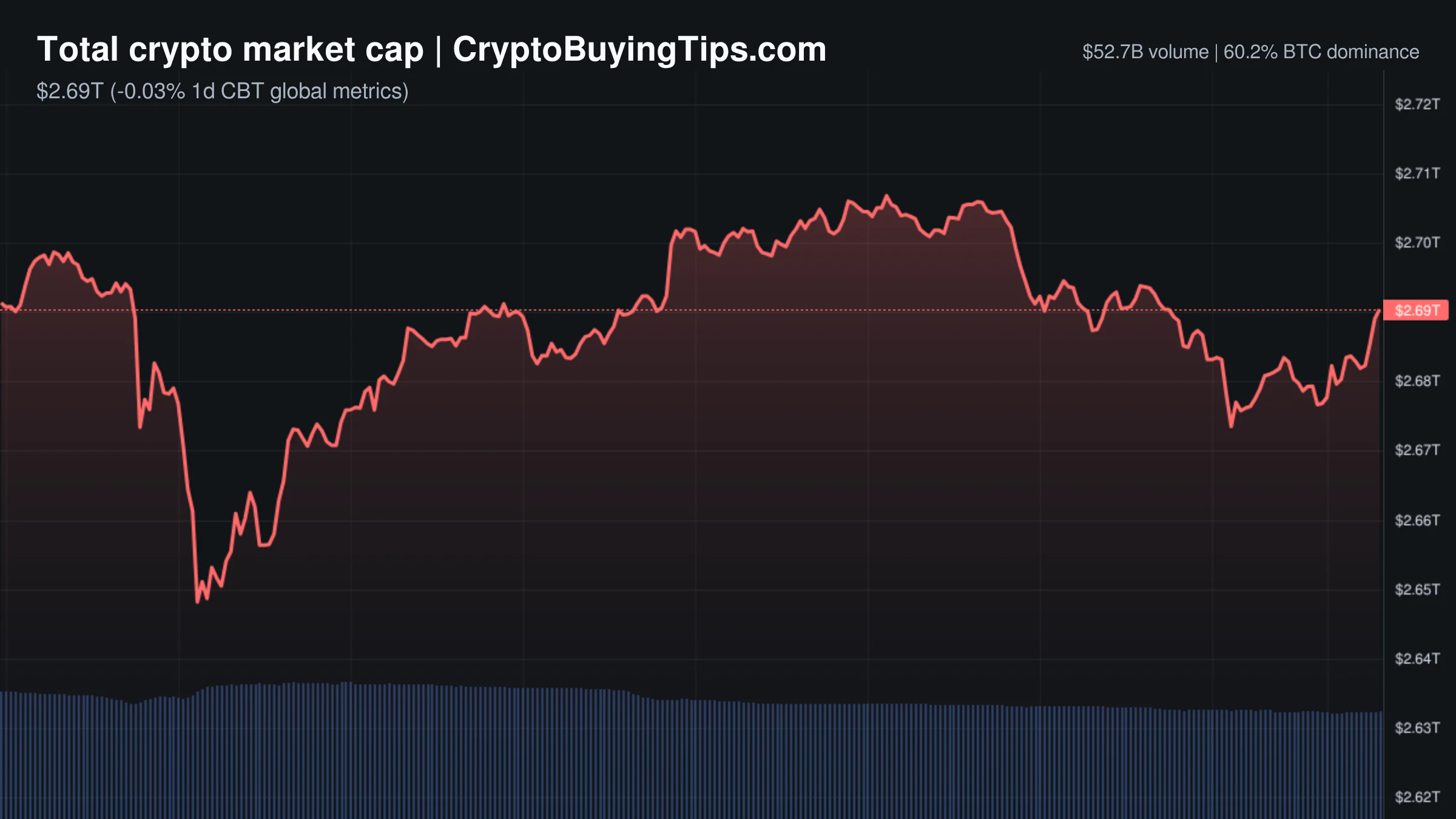
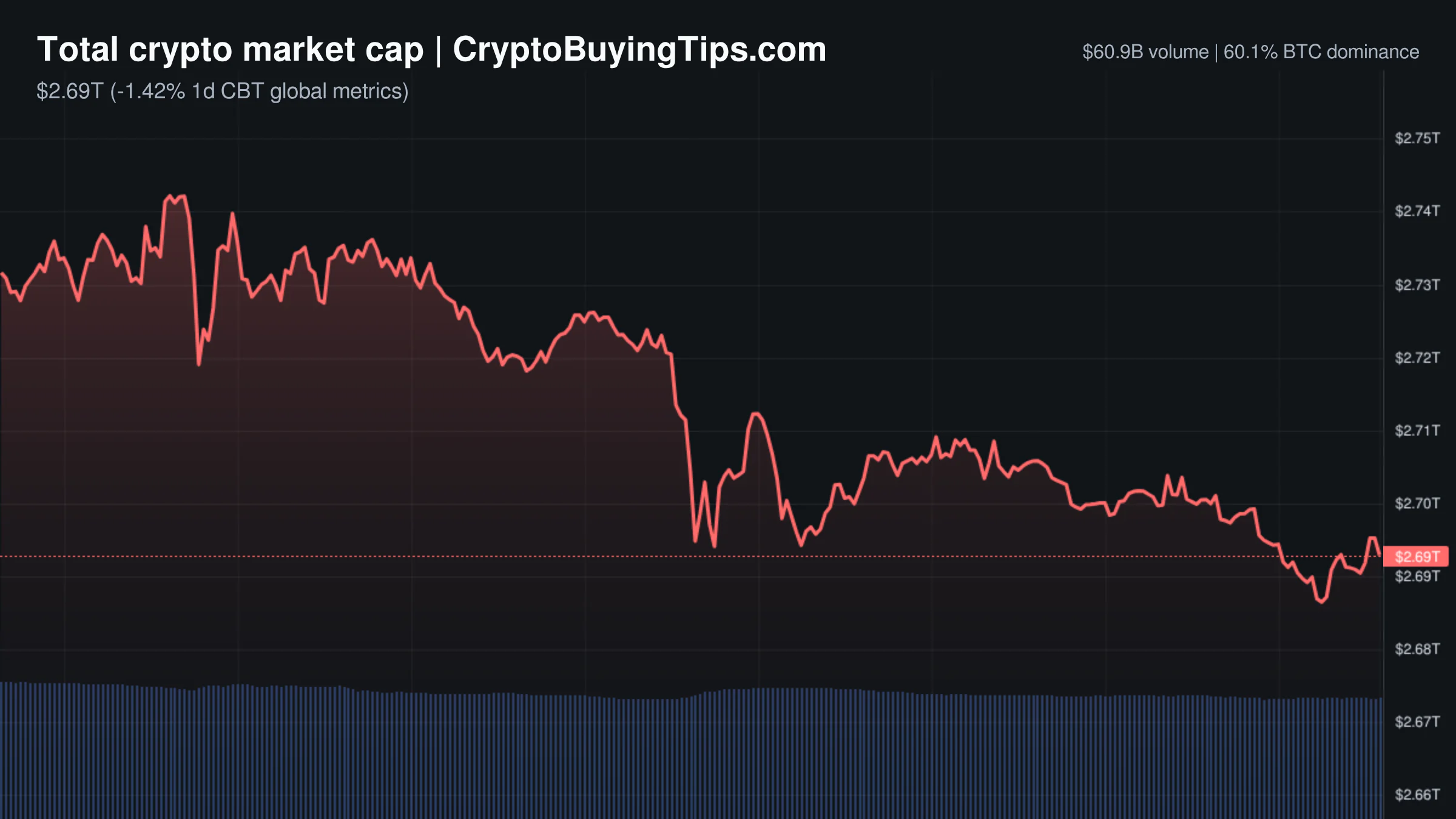
While the regulators argue about the rules, the market is in a weird spot. Right now, the Fear & Greed Index is at 49, which is a dead-neutral. Bitcoin dominance is sitting high at about 60%, and ETH gas fees are incredibly low (around 0.14 Gwei). This tells me that the "retail" crowd is waiting on the sidelines. They are waiting for a clear signal that the legal war is over.
If the SEC successfully rewrites these rules, we will likely see a massive rotation into DeFi protocols that can prove they are "compliant by design." I'm not talking about some centralized app that just checks your ID. I mean actual onchain markets where the rules are written into the code.
But here is the part that makes me nervous. When the SEC starts defining what a "compliant protocol" looks like, they might accidentally kill the very thing that makes DeFi great: permissionless innovation. If you need a license from the government to deploy a smart contract, we are just building a digital version of the same broken system that crashed in 2008.
How to handle the transition
Regardless of what happens in Washington, the trend toward onchain settlement is inevitable. I've seen it with the way Bitwise is already looking at Hyperliquid for institutional perps. The plumbing is changing.
My advice is to stop worrying about which "company" is winning and start focusing on where you keep your keys. As markets move onchain, the risk shifts from "the exchange might go bankrupt" to "I might get phished."
I personally use a Ledger Nano Gen5 for my main holdings. I like it because it brings a modern E Ink touchscreen to a price point that doesn't feel like a luxury purchase, and it keeps my private keys offline. In a world where the SEC is rewriting the rules, the only rule that actually matters is that you control your own assets.
If the Atkins approach works, we might finally see the "institutional wall" crumble. But until then, I'm keeping my eyes on the actual code, not the press releases.
Trade the news at our editorial-picked exchange: Bybit
Some links in this article may be affiliate links. We may earn a commission at no extra cost to you — this never influences our analysis or coverage.

Sigrid Voss
Crypto analyst and writer covering market trends, trading strategies, and blockchain technology.
More Articles
Crypto Market Overview | volume collapses as bitcoin holds $80k amid mixed institutional signals | October 25, 2026
Crypto market overview shows collapsing volume as bitcoin holds $80k amid mixed institutional signals and geopolitical…

Stablecoins are leaving the exchanges. HSBC just proved it
The market seems preoccupied with leverage ratios while real money moves elsewhere; a major bank issuing licensed…
Crypto Market Overview | Derivatives volume dwarfs spot activity amid regulatory uncertainty and institutional outflows | October 24, 2026
Derivatives volume dwarfs spot activity amid regulatory uncertainty and institutional outflows, showing market…

Fidelity outflows and Ethereum OG dumps suggest a hidden exit
Another day of market data suggesting everything is fine until you look at the outflows and OG dumping. Institutional…