

The SpaceX IPO chaos is a warning for the RWA trade
Our news scoring system flagged the SpaceX IPO story with a 10/10 liquidity impact, a rating usually reserved for events that fundamentally shift how capital moves. But while the "bullish" narrative focused on the sheer scale of Elon Musk's venture, the reality on the ground was a mess of cancelled allocations. When Bybit, Binance, and Bitget had to tell users their tokenized shares were gone due to a shortage, it exposed a gap that most people are ignoring. If you are wondering what are tokenized stocks risks, this is the perfect case study in the difference between a regulatory "unlock" and operational competence. We previously covered Tokenized stocks for more background.
The SpaceX debacle: when hype meets operational failure
The recent scramble for SpaceX allocations was treated by the market as a triumph of the Real World Asset (RWA) narrative. On paper, it looked like the future: fractional access to a pre-IPO giant. In practice, it was an operational failure. The cancellation of these allocations, despite the high liquidity impact scores our system assigned, proves that having a "token" does not actually mean you have the underlying asset.
The failure here is not about the blockchain, but about the plumbing. The exchanges promised access to shares they didn't actually secure in sufficient quantity. This is a classic "synthetic" failure. When a platform tokenizes a stock, they are usually creating a derivative that tracks the price, backed by shares held in a traditional brokerage account. If the brokerage fails or the shares aren't there, the token is just a fancy piece of code with no value.
Understanding what are tokenized stocks risks?
There is a dangerous tension right now between regulatory progress and structural risk. On one side, we have the SEC's proposal to scrap key NMS rules, which analysts see as a major unlock for tokenized US stocks. Our news scoring system rated this story 9/10 for novelty, as it suggests a path where regulated exchanges can finally move securities on-chain.
But a rule change at the SEC does not fix the "custody gap." According to research from ainvest.com, tokenized stocks face inherent structural challenges because smart contracts often lack the legal enforceability of traditional custodial systems. If a tokenized share is stolen or a platform goes bust, you are not just fighting a hacker; you are fighting a legal system that may not recognize your token as a valid claim to the original share.
Beyond custody, there are the "plumbing" risks. The fsb.org reports that transitioning to DLT can create fragmented liquidity and operational instability when used at scale. We see this in the SpaceX event. The "unlock" is the regulation; the "risk" is the actual execution. You can have all the regulatory green lights in the world, but if the exchange cannot manage the underlying share ledger, the investor still loses.
The macro context: how extreme fear impacts appetite
The irony of this localized IPO chaos is that it is happening while the broader crypto market is paralyzed. The Fear & Greed Index is currently sitting at 18/100, a level of extreme fear that usually suggests the bottom is near, or that everyone is simply exhausted. Total market cap is hovering around $2.42T, but the bid side is thin.
When the macro environment is this grim, institutional appetite for "experimental" RWA products usually drops. However, the SpaceX frenzy shows that "celebrity" assets can still trigger irrational exuberance even in a bear market. This suggests that systemic risk is being managed through narrative rather than fundamentals. Traders aren't looking at the legal hurdles of fractional ownership or the chain.link requirements for KYC/AML; they are just betting on Musk.
We've seen this pattern before. We previously covered how the stock tokenization wave is being built on simple partnerships, but simplicity does not equal safety. When the underlying asset is a pre-IPO share, you are dealing with an asset that is inherently illiquid and legally complex. Adding a token layer on top of that doesn't remove the risk; it just hides it behind a user-friendly interface.
Where we land
The SpaceX situation is a reminder that the RWA trade is not a monolith. There is a massive difference between a regulated, institutional-grade tokenization of a T-bill and a retail-facing "IPO token" offered by a centralized exchange.
Our read is that the market is conflating regulatory "unlocks" with operational readiness. The SEC may make it easier to trade these assets, but that doesn't make the assets safer. Until there is a legal standard for the "equivalence" of a token to a share, these products remain high-risk derivatives. If you're chasing the RWA narrative, stop looking at the SEC's press releases and start looking at who actually holds the keys to the shares. If the answer is "trust the exchange," you're not investing in an RWA; you're just buying a promise.
Some links in this article may be affiliate links. We may earn a commission at no extra cost to you — this never influences our analysis or coverage.

Sigrid Voss
Crypto analyst and writer covering market trends, trading strategies, and blockchain technology.
More Articles
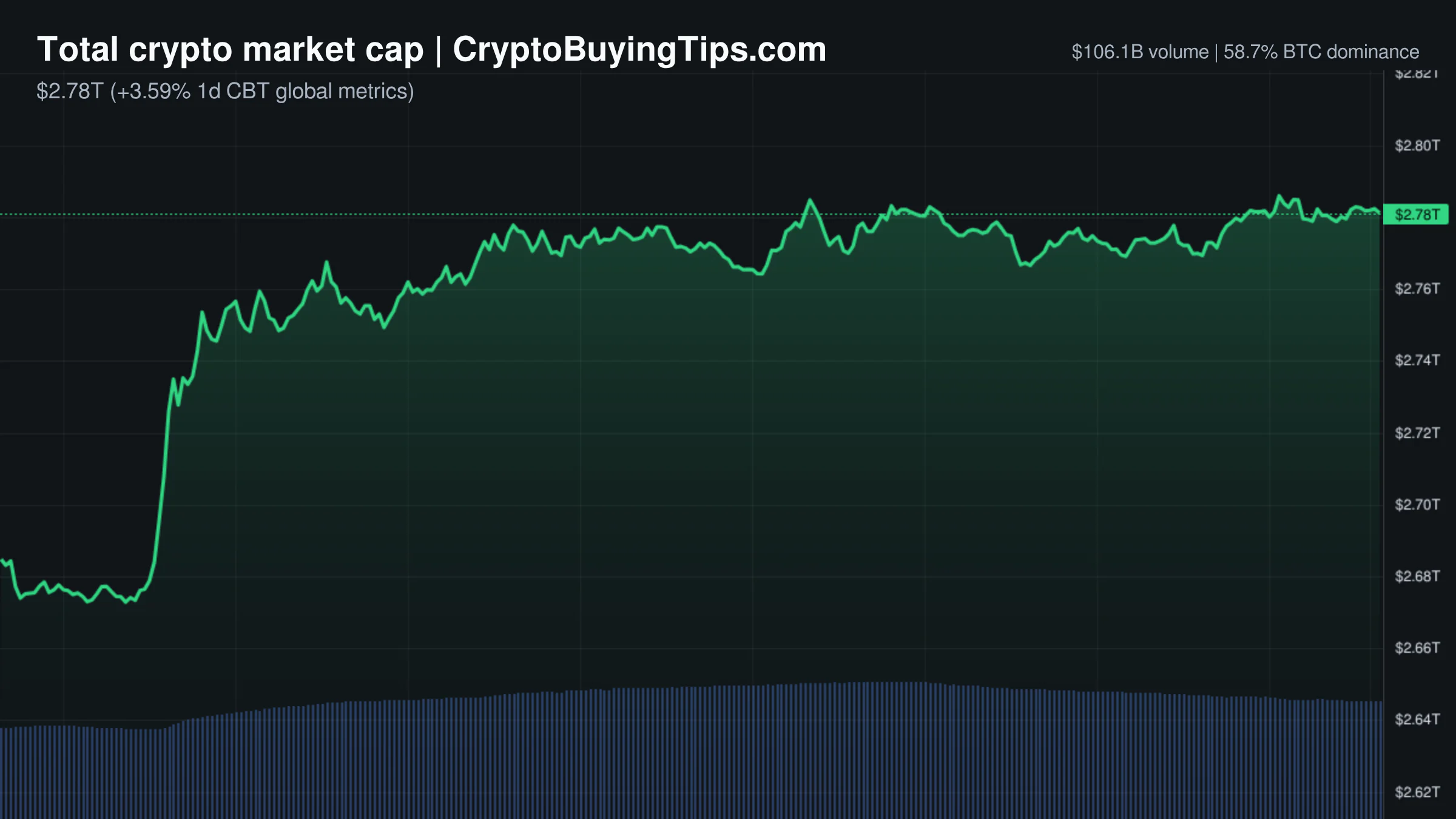
Crypto Market Overview | Leveraged bets drive gains amid diverging us regulatory paths | September 19, 2026
Leveraged bets drive crypto gains amid diverging us regulatory paths; see our market overview on BTC, ETH, and macro…

The market is trading $1 trillion in leverage and it is a problem
The market is trading $1 trillion in leverage and it is a problem. The sheer disparity between spot volume ($112.74B)…
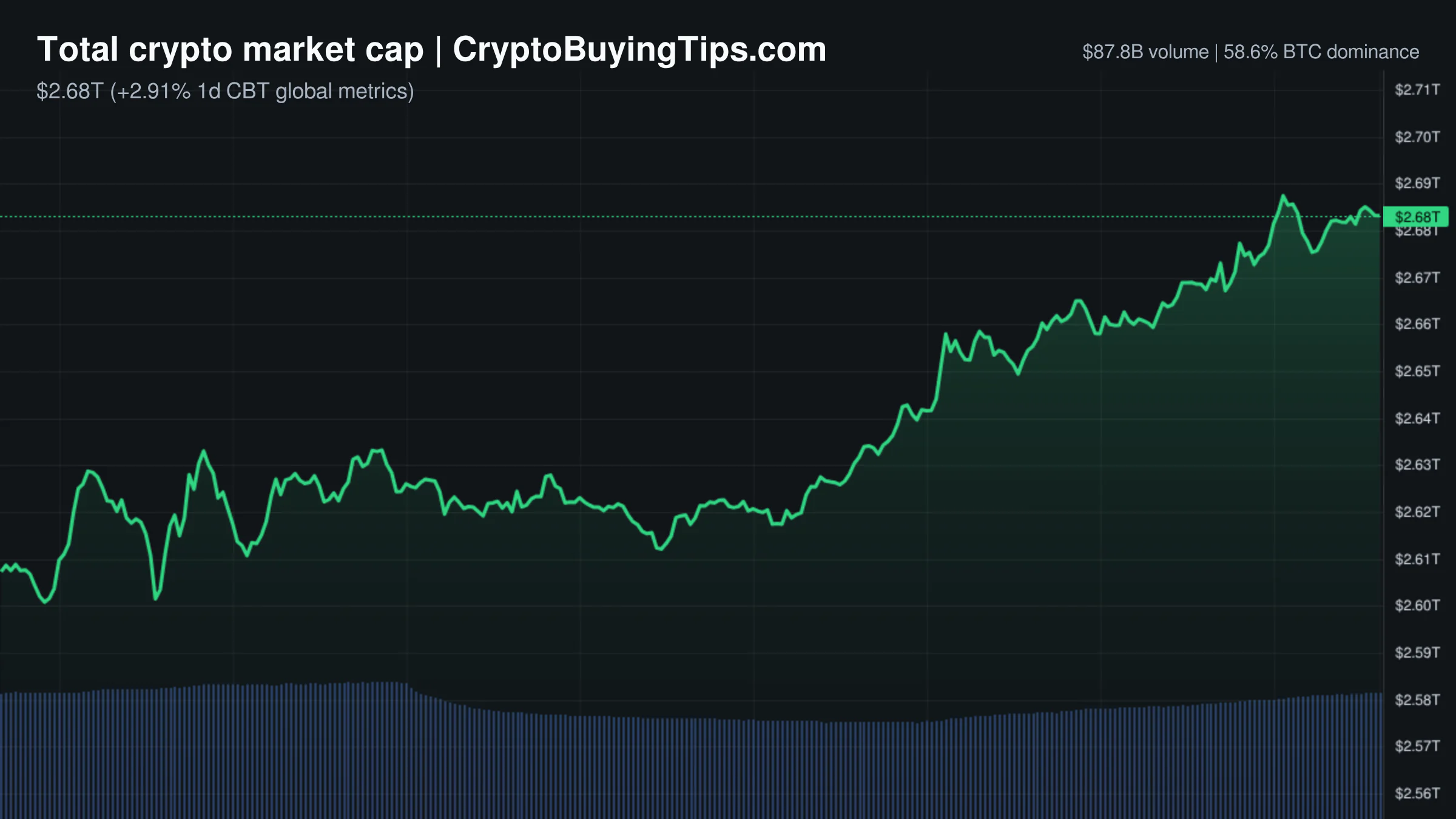
Crypto Market Overview | Leveraged bets dominate as regulatory shifts clash with geopolitical friction | September 18, 2026
The total market cap sits at $2.70T as leveraged bets dominate; see our read on crypto's regulatory clashes and…
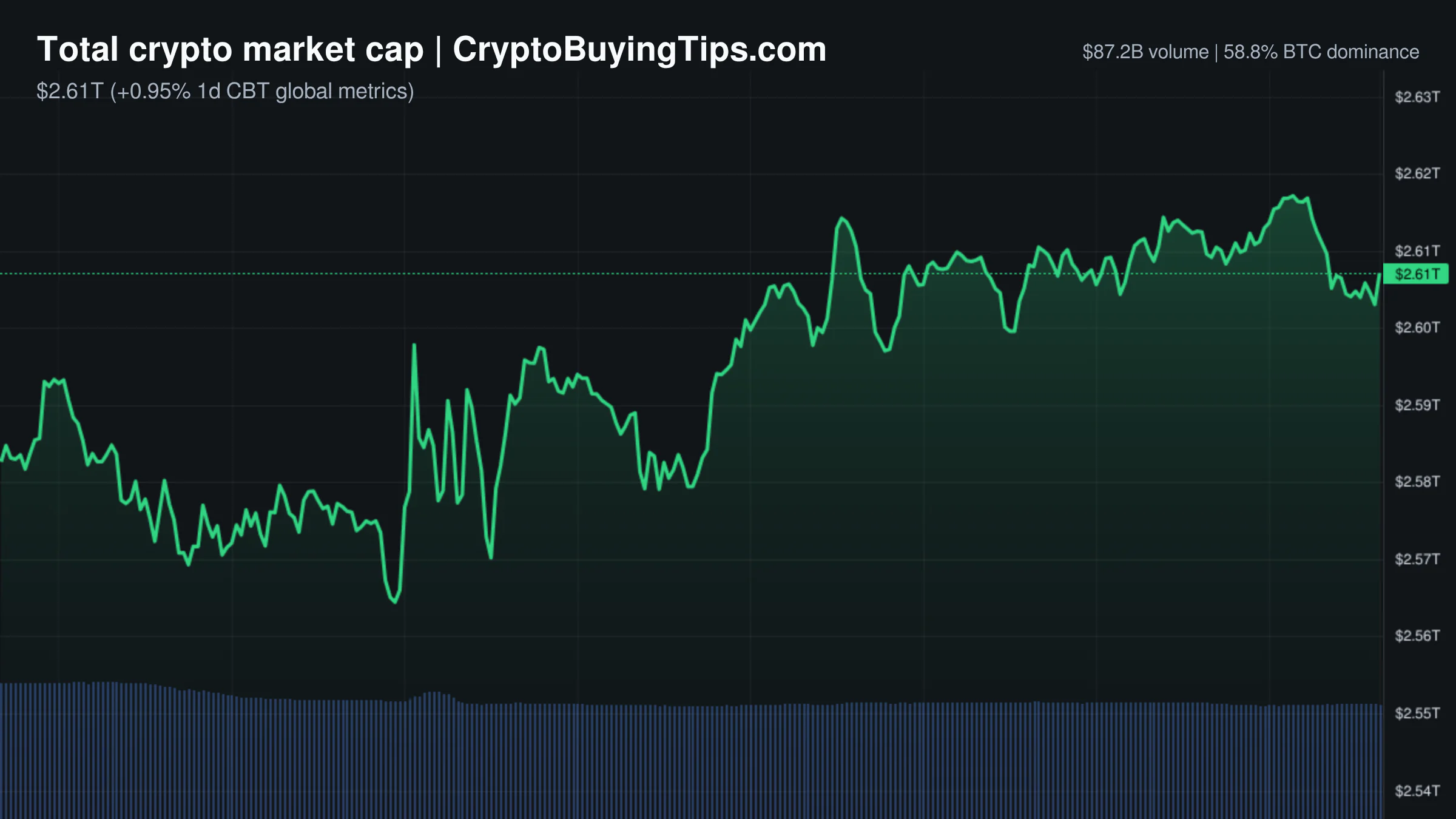
Crypto Market Overview | Fed rate hikes meet derivatives volume despite spot outflows and ETF redemptions | September 17, 2026
Fed rate hikes meet derivatives volume despite spot outflows and ETF redemptions Crypto market overview analysis for…