

The US just banned the digital dollar. Here is who actually wins
The news that the US government digital dollar is set to be banned tonight under housing law's CBDC limit presents an immediate structural question: what happens if US bans CBDC? Most outlets are treating this as a political curiosity or a win for "privacy." We see it as something far more cynical. Tucking a digital currency ban into a housing bill is a level of legislative efficiency that only Washington can achieve, but the result is a massive structural shift. The US isn't abandoning digital dollars; it is simply outsourcing the infrastructure to private companies. We previously covered US sanctions on crypto lifelines for more background.
Understanding the regulatory shockwave from a potential CBDC ban
The legislative action surrounding this supposed digital dollar ban signals deep structural uncertainty. When the state cannot provide the rails, capital tends to move away from centralized fiat systems. Our news scoring system rated this story 10/10 for macro impact. This is not just a policy change. It is a formal admission that the Federal Reserve will not be the primary issuer of a digital dollar for the foreseeable future.
The ban, which runs through the end of 2030, prevents the Fed from issuing any digital asset substantially similar to a CBDC [bitcoinfoundation.org]. This removes the government as a direct competitor to private stablecoin issuers. For the average trader, this means the "government coin" narrative is dead. The focus now shifts to who fills that vacuum.
How does what happens if US bans CBDC work?
When sovereign digital currency narratives falter, established mechanisms like USDC and Bitcoin become the primary destinations for stored value. The ban creates a favorable environment for private issuers because it removes the risk of a state-backed competitor that could theoretically wipe out the demand for private stablecoins [bitcoinfoundation.org].
This is where the "outsourcing" strategy becomes clear. While the Fed is blocked, the regulators are clearing the path for private entities to act as the new digital treasury. Circle just received final approval from the OCC to establish a national trust bank [circle.com]. They will operate under the name Circle National Trust [cnbc.com].
This is a major regulatory milestone. Circle no longer needs third-party banks to hold the cash and Treasury assets backing USDC [cnbc.com]. They can now manage reserves directly. We are seeing a shift where companies move from being simple financial applications to becoming the actual financial infrastructure.
This transition comes with a trade-off. While USDC becomes more "official" through federal oversight, it remains a centralized tool. We previously covered how the reliance on judicial intervention for USDC freezes creates a programmable kill switch for funds [cryptobuyingtips.com]. A bank charter does not change the fact that your funds are not your own.
The data shows this shift is already happening. Stablecoin dominance currently sits at 11.26768743567391%. This is the "shadow" digital dollar that the US government is effectively sanctioning as the primary alternative to a CBDC.
What does the current market data suggest about capital flight?
Despite the bullish headlines about decentralization, our proprietary tools show mixed signals. Bitcoin remains the primary non-sovereign reserve, and its dominance is high at 58.52%. However, the broader market is showing a lack of conviction.
The 24h trading volume dropped sharply to $58.14B. Our news scoring system rated this story 9/10 for liquidity impact. Usually, a macro event of this size triggers a massive rotation of capital. Instead, we see high BTC dominance paired with falling volume. This suggests that while investors are hiding in Bitcoin, they aren't aggressively deploying new capital into the altcoin market.
The current Fear and Greed Index is at 31, which is firmly in "Fear" territory. This creates a strange divergence. The macro legislation is bullish for the long-term survival of private crypto, but the immediate sentiment is cautious.
The result is a market that is essentially waiting. The US has decided that it would rather have a regulated, private stablecoin system than a government-run one. This is a win for Circle and a win for Bitcoin's role as the ultimate hedge. It is a loss for anyone who thought a "digital dollar" would be a tool for financial inclusion. Instead, it is becoming a tool for institutional efficiency.
Some links in this article may be affiliate links. We may earn a commission at no extra cost to you — this never influences our analysis or coverage.

Sigrid Voss
Crypto analyst and writer covering market trends, trading strategies, and blockchain technology.
More Articles
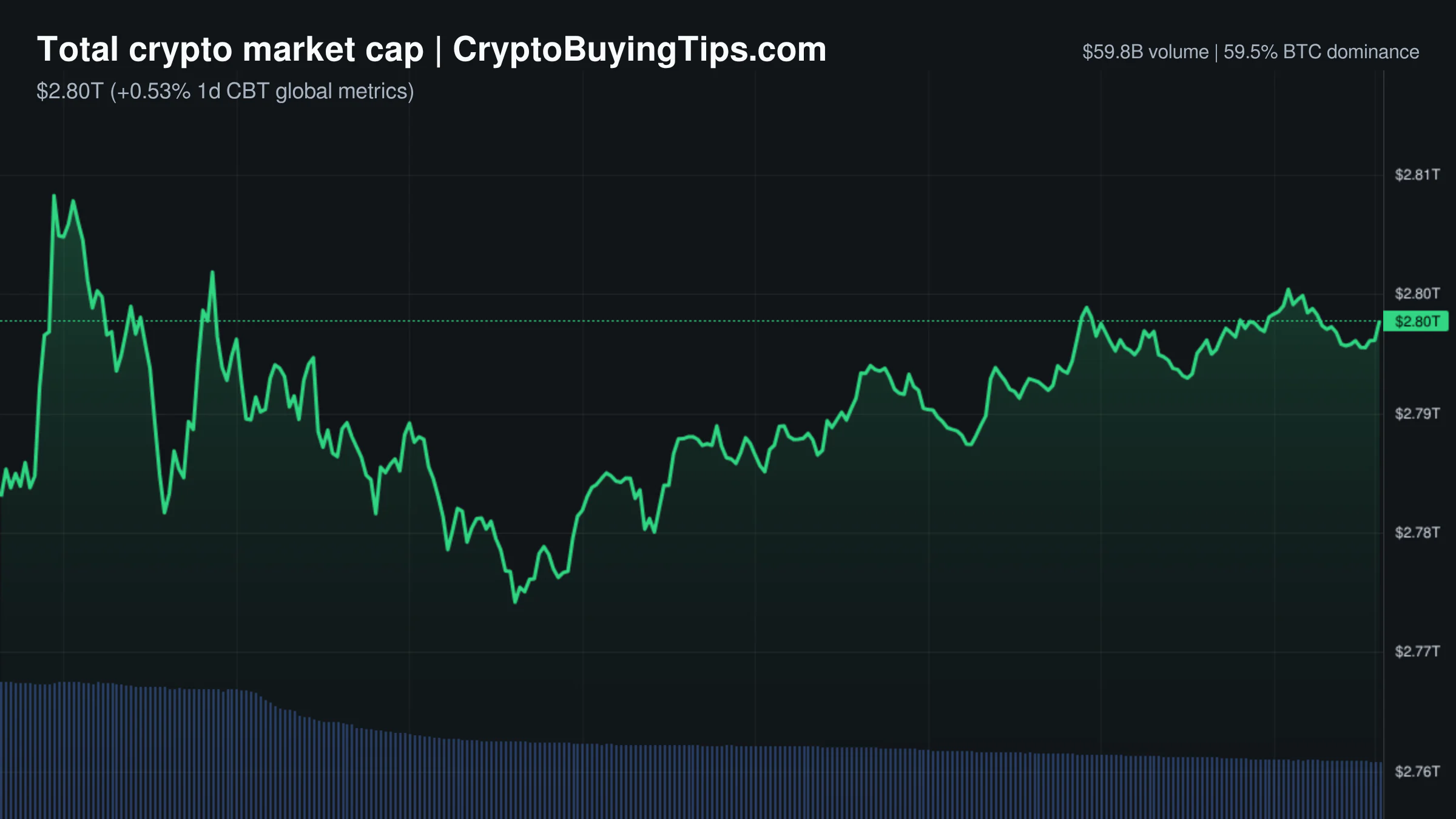
Crypto Market Overview | Liquidity vanishes as spot volume drops while derivatives remain bloated | October 10, 2026
Spot volume drops while derivatives remain bloated in today's crypto market overview; see what our data shows about…

HSBC is building AI payment rails while OpenAI war-games a catastrophe
The financial world seems to be installing high-end pipes while simultaneously rehearsing for an earthquake.…
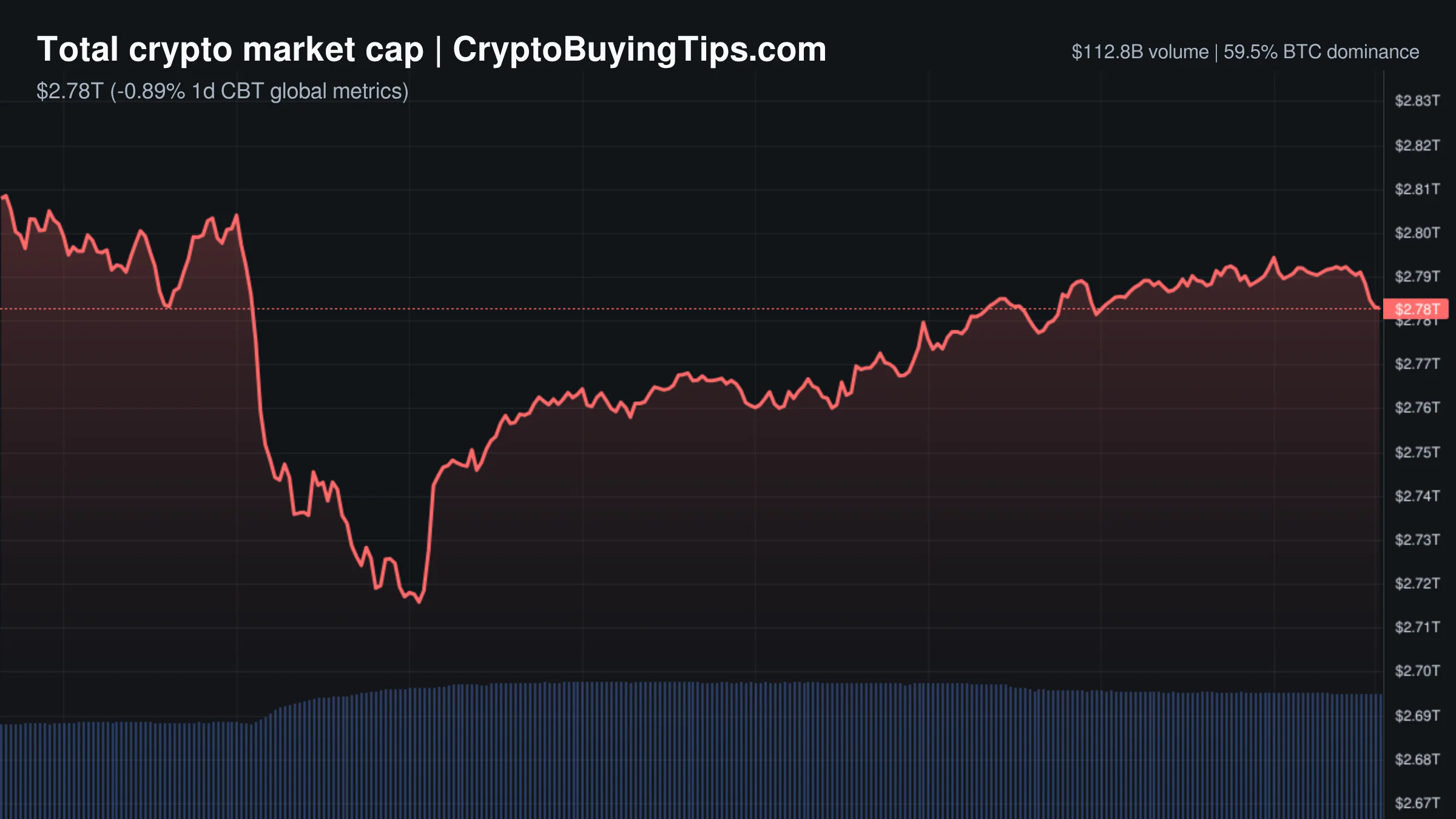
Crypto Market Overview | Volume surges amid regulatory friction and institutional accumulation | October 9, 2026
Crypto market overview shows volume surging amid price dips; see how institutional accumulation contrasts with…

Ethereum gas fees are at a standstill. Here is why that is actually a warning
The quiet cost of transactions on Ethereum might feel like a bargain for beginners. Our read is that persistently low…