
Bybit is letting you buy tokenized IPOs. Here is the catch
I've spent the last few years watching the line between traditional finance and crypto blur, but Bybit's new IPO Express is a bold move. They are essentially giving retail traders a way to get into SpaceX using USDC. On the surface, it looks like a win for accessibility. But before you jump in, you need to understand the difference between tokenized stocks and derivatives, because that distinction determines whether you actually own a piece of a company or just a bet on its price. We previously covered Tokenization Strategy for more background.
What is happening with IPO Express
Bybit is launching a platform that allows eligible retail investors to subscribe to tokenized initial public offerings at the offering price. The first big target is SpaceX. Instead of needing a specialized brokerage account or being a high-net-worth accredited investor, you can use your crypto balance to request a tokenized representation of the IPO.
In my experience, this is part of a larger trend we've seen recently. We previously covered how Bank Security Tokenization is becoming a reality for big institutions. Now, a centralized exchange is trying to bring that same "on-chain" efficiency to the retail crowd.
The difference between tokenized stocks and derivatives
This is where things get murky. If you've traded on Bybit before, you're used to perpetuals. A perpetual is a derivative. It's a contract that tracks the price of an asset, but you don't own the asset. If you buy a BTC perpetual, you don't have a Bitcoin in a vault; you have a contract that pays out if BTC goes up.
Tokenized stocks are different in theory. Tokenization is the process of converting a real-world asset into a digital token on a blockchain. Ideally, a tokenized stock represents actual ownership of a share. When you hold the token, a custodian holds the actual share in a traditional brokerage account on your behalf.
The key differences are:
- Ownership: Tokenized assets represent digital ownership of a real-world item. Derivatives are financial contracts that derive value from price movements without conferring ownership.
- Rights: If a tokenized stock is set up correctly, you might be entitled to dividends. With a derivative, you're just speculating on the price.
- Risk: Derivatives often involve leverage, which can wipe you out in minutes. Tokenized assets generally track the 1:1 value of the underlying share.
Why this feels a bit risky
I'm excited about the tech, but the execution always makes me nervous. When you buy a tokenized IPO through a centralized exchange, you aren't buying the stock directly from the company. You are buying a token issued by a third party that claims to hold the stock for you.
This introduces counterparty risk. If the issuer of the token goes bust, or if there's a legal dispute over who actually owns the underlying SpaceX shares, your token might become a worthless piece of code. It's a similar risk to what we saw with synthetic assets in the past. You're trusting the exchange and its partners to keep the "peg" to the real stock accurate.
Also, we have to talk about the market mood. Right now, the Fear & Greed Index is at 16, which is extreme fear. The NASDAQ is down nearly 5% today. Launching a high-hype product like a SpaceX IPO during a market bleed is a classic move to distract traders from the red candles.
My take on the move
I think tokenizing IPOs is a great way to democratize access to companies that usually keep their doors closed to anyone who isn't a millionaire. But you have to go in with your eyes open.
If you want to use this to actually build a long-term portfolio, make sure you read the fine print on who the custodian is. If you're just looking to trade the volatility of a new listing, Bybit is a powerhouse for that kind of liquidity. Just don't confuse a tokenized share with a direct legal claim to a company's equity.
In the end, the tech is moving faster than the laws. Until we have a global standard for how these tokens are legally treated in court, you're essentially trusting the platform's word that your token is "real." For me, that's a risk I only take with money I'm okay with losing.
Some links in this article may be affiliate links. We may earn a commission at no extra cost to you — this never influences our analysis or coverage.

Sigrid Voss
Crypto analyst and writer covering market trends, trading strategies, and blockchain technology.
More Articles
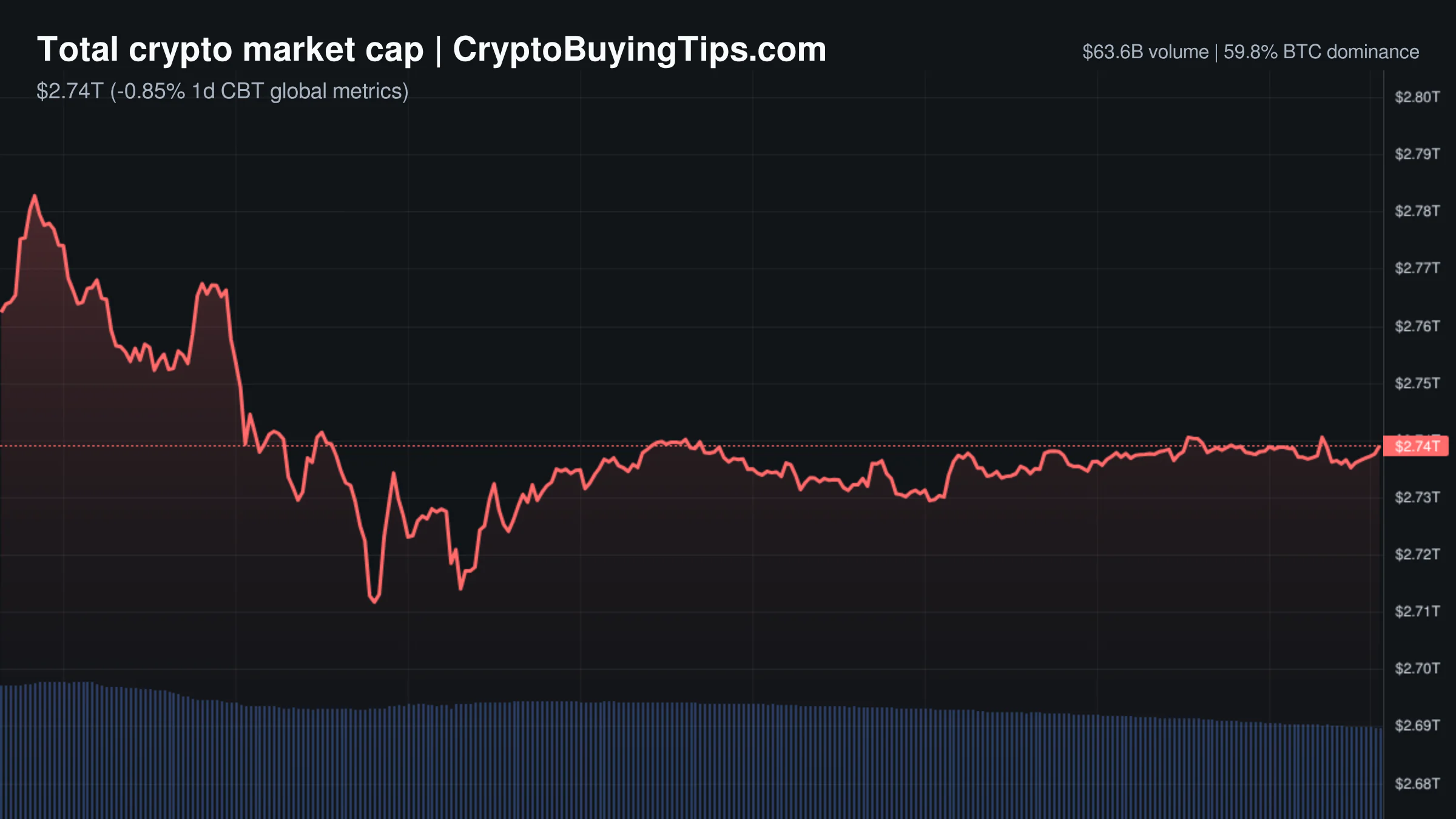
Crypto Market Overview | volume collapse amid macro pressure weighs on institutional flows | October 17, 2026
Market overview shows volume collapse amid macro pressure weighing on institutional flows; see how crypto is reacting to…

Speculators are ditching altcoins for tokenized Tesla stocks
Another day, another reason to question where all the money goes these days. Our signal scanner flagged a clear…
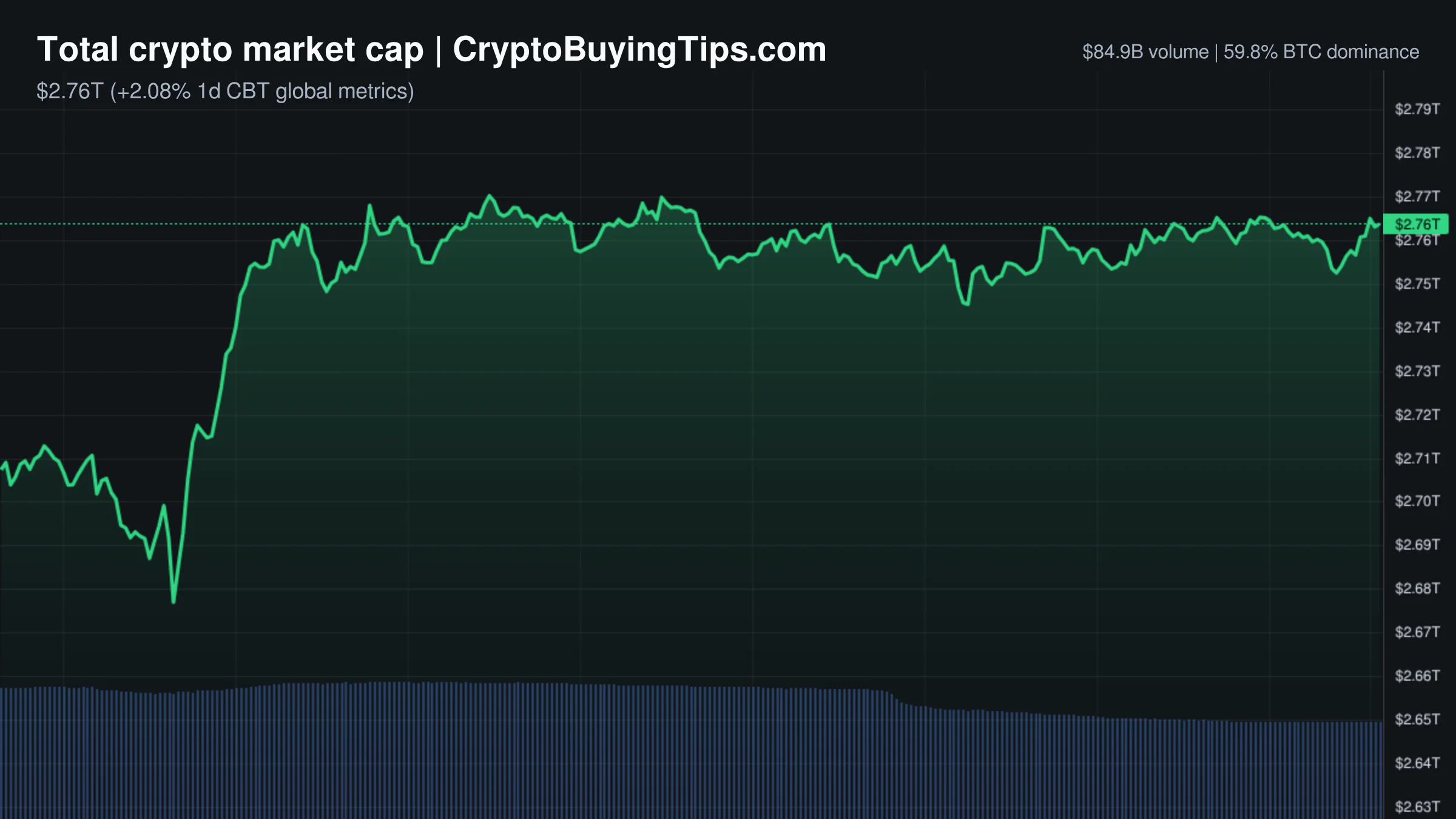
Crypto Market Overview | prices climb despite falling trading volume and stablecoin activity | October 16, 2026
Prices climb despite falling trading volume and stablecoin activity; see our market overview for context.

Wall Street is building its own rules while Congress argues
Wall Street seems to have decided waiting for Congress isn't worth the time. Major players like Mastercard are building…