

The White House set a July 4 deadline for crypto laws. Here is what is actually at stake
The US government just put a clock on the crypto industry, and it is ticking toward July 4. While most people are thinking about fireworks and barbecues, the market is staring at a deadline for a landmark regulation bill that could either legitimize this entire asset class or send it into a tailspin. If you are wondering how will us crypto laws affect bitcoin price, you have to look at the volatility window this creates. We are not just talking about a few tweaks to the rules, but a fundamental shift in how the US treats digital assets.
What actually happened
The White House has signaled that it wants a comprehensive regulatory framework for cryptocurrencies finalized by the fourth of July. This is different from the CLARITY Act, which I wrote about recently and focused more on the legal definitions of assets. This new push is about the broader machinery of the law. They want a clear set of rules on who regulates what, how consumer protections are enforced, and how the US prevents these assets from being used for illicit activities without killing the innovation.
Right now, the market is in a weird spot. The Fear and Greed Index is sitting at 50, which is purely neutral. Bitcoin dominance is high at 60.35%, and the total market cap is hovering around $2.69T. We are seeing a bit of a downward trend in spot volume, but derivatives volume is actually up by about 3.87%. To me, that looks like traders are hedging their bets. They are not sure if this July deadline will bring a "green light" for institutional money or a "red light" of restrictive laws.
Why this matters for the market
The biggest risk here is the uncertainty. Markets hate a vacuum, and a deadline creates a pressure cooker. If the bill is seen as too restrictive, we could see a massive exit of capital. But if it provides the legal certainty that big hedge funds have been begging for, it could trigger a massive wave of inflows.
I think the real tension is between the SEC's "regulation by enforcement" approach and this new legislative push. For years, the SEC has just sued people and told them they were wrong after the fact. A formal law would move the goalposts. It would give companies a playbook to follow.
When I look at the data, the low Ethereum gas fees (around 0.31 Gwei) suggest that the "retail mania" isn't here yet. The big players are the ones who care about these laws. If the US creates a friendly environment, Bitcoin becomes a legitimate institutional reserve asset. If they choke it, the liquidity will just move to other jurisdictions.
How will us crypto laws affect bitcoin price in the short term
In my experience, the lead up to a government deadline is always choppy. We are likely to see "buy the rumor, sell the news" behavior. If the bill looks bullish in June, BTC might rip higher, only to dump the moment the ink dries on July 4 because the reality of the regulation is more boring than the hype.
However, the long term effect of clear laws is almost always positive for price. Legality equals liquidity. I've watched this market since 2019, and the biggest hurdles for Bitcoin have always been the "is this legal?" and "will I go to jail?" questions. Once those are answered, the risk premium drops and the asset can be priced based on its actual utility and scarcity.
If you are planning to hold through this volatility, I cannot stress enough how important it is to get your assets off exchanges. I personally use a Ledger Nano Gen5 because it is an affordable way to get E Ink touchscreen security without spending a fortune. When laws change, exchanges sometimes freeze accounts or change their terms of service. Having your keys on a hardware device is the only way to truly be in control.
What I am watching next
I am keeping a close eye on the derivatives market. With $456 billion in perpetuals open interest, any surprise news from the White House could trigger a massive liquidation event. I will be watching for any leaks of the bill's text in June.
I am also watching the S&P 500 and NASDAQ. With the NASDAQ up over 2% recently, the general risk appetite is there. If the US crypto laws align with a broader "risk-on" macro environment, we could see a very powerful move upward. But if the government introduces heavy KYC burdens or restrictive tax reporting, that appetite will vanish quickly.
The next few weeks are all about the narrative. If the government frames this as "protecting the consumer," it is usually a sign of restrictive rules. If they frame it as "leading the global digital economy," that is the signal I want to see.
Trade the news at our editorial-picked exchange: Bybit
Some links in this article may be affiliate links. We may earn a commission at no extra cost to you — this never influences our analysis or coverage.

Sigrid Voss
Crypto analyst and writer covering market trends, trading strategies, and blockchain technology.
More Articles
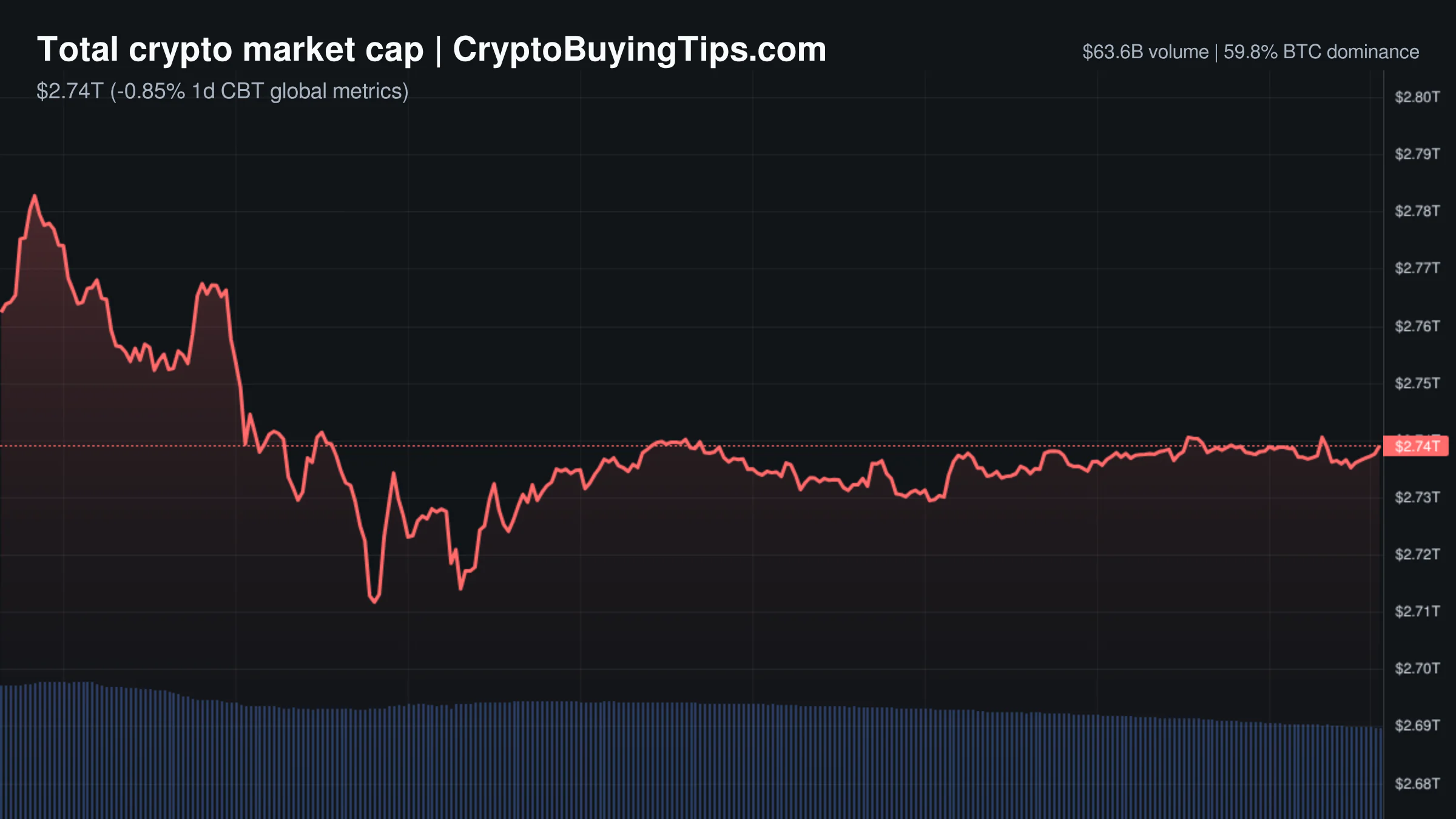
Crypto Market Overview | volume collapse amid macro pressure weighs on institutional flows | October 17, 2026
Market overview shows volume collapse amid macro pressure weighing on institutional flows; see how crypto is reacting to…

Speculators are ditching altcoins for tokenized Tesla stocks
Another day, another reason to question where all the money goes these days. Our signal scanner flagged a clear…
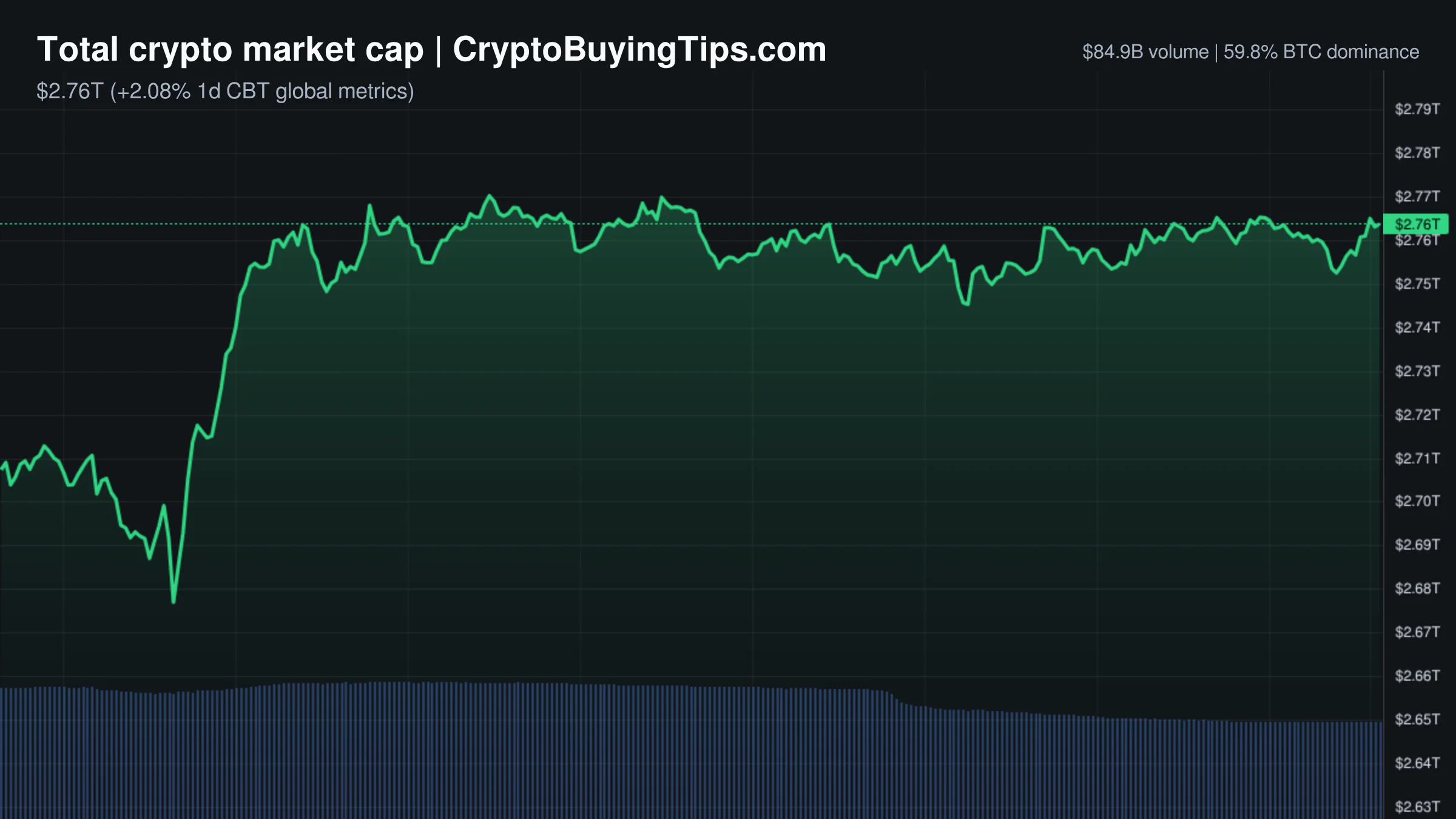
Crypto Market Overview | prices climb despite falling trading volume and stablecoin activity | October 16, 2026
Prices climb despite falling trading volume and stablecoin activity; see our market overview for context.

Wall Street is building its own rules while Congress argues
Wall Street seems to have decided waiting for Congress isn't worth the time. Major players like Mastercard are building…