
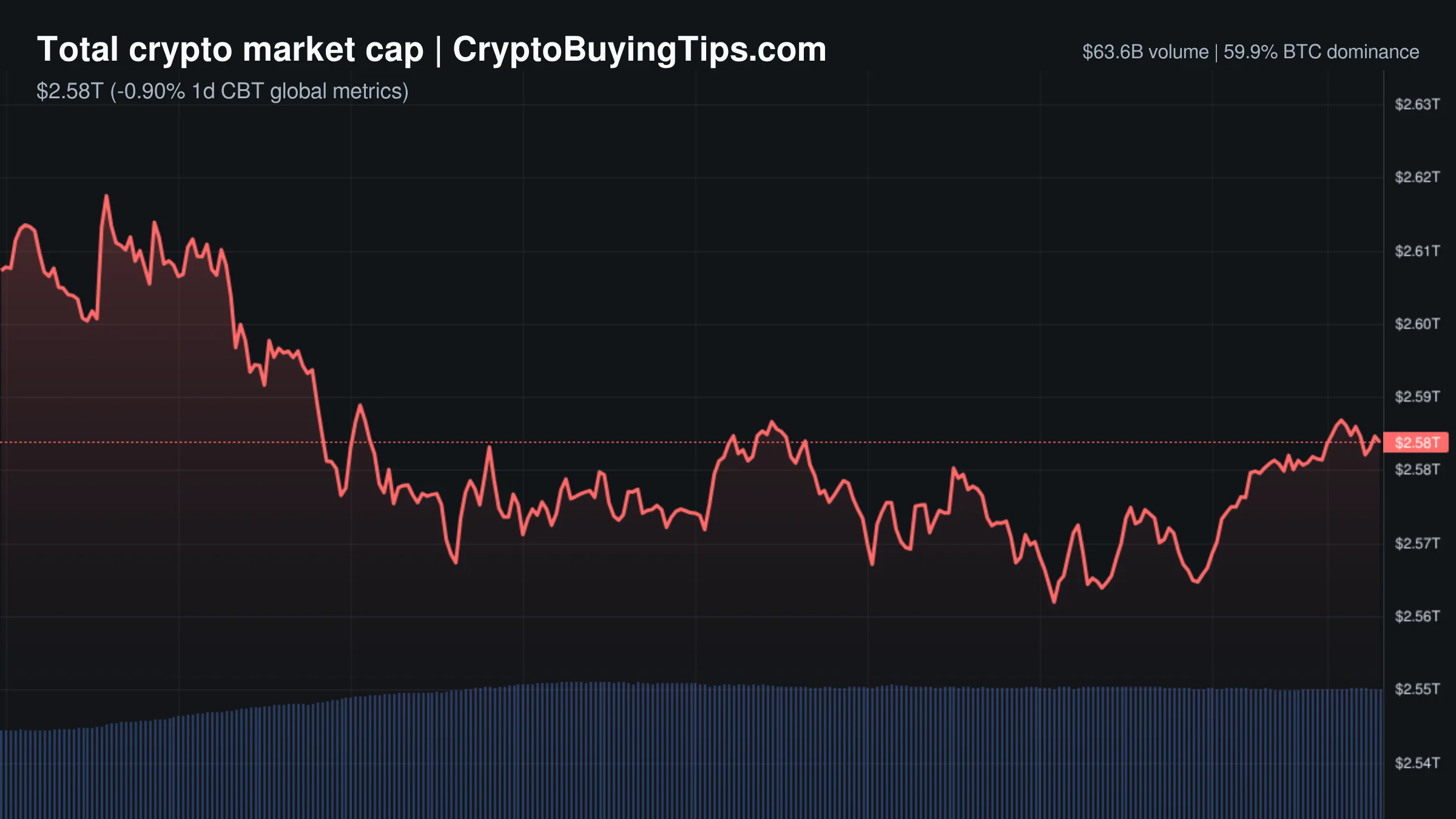
Crypto Market Overview | speculative leverage surges amid exchange security failures and institutional caution | November 3, 2026
Crypto Market Overview | speculative leverage surges amid exchange security failures and institutional caution | November 3, 2026
Market overview
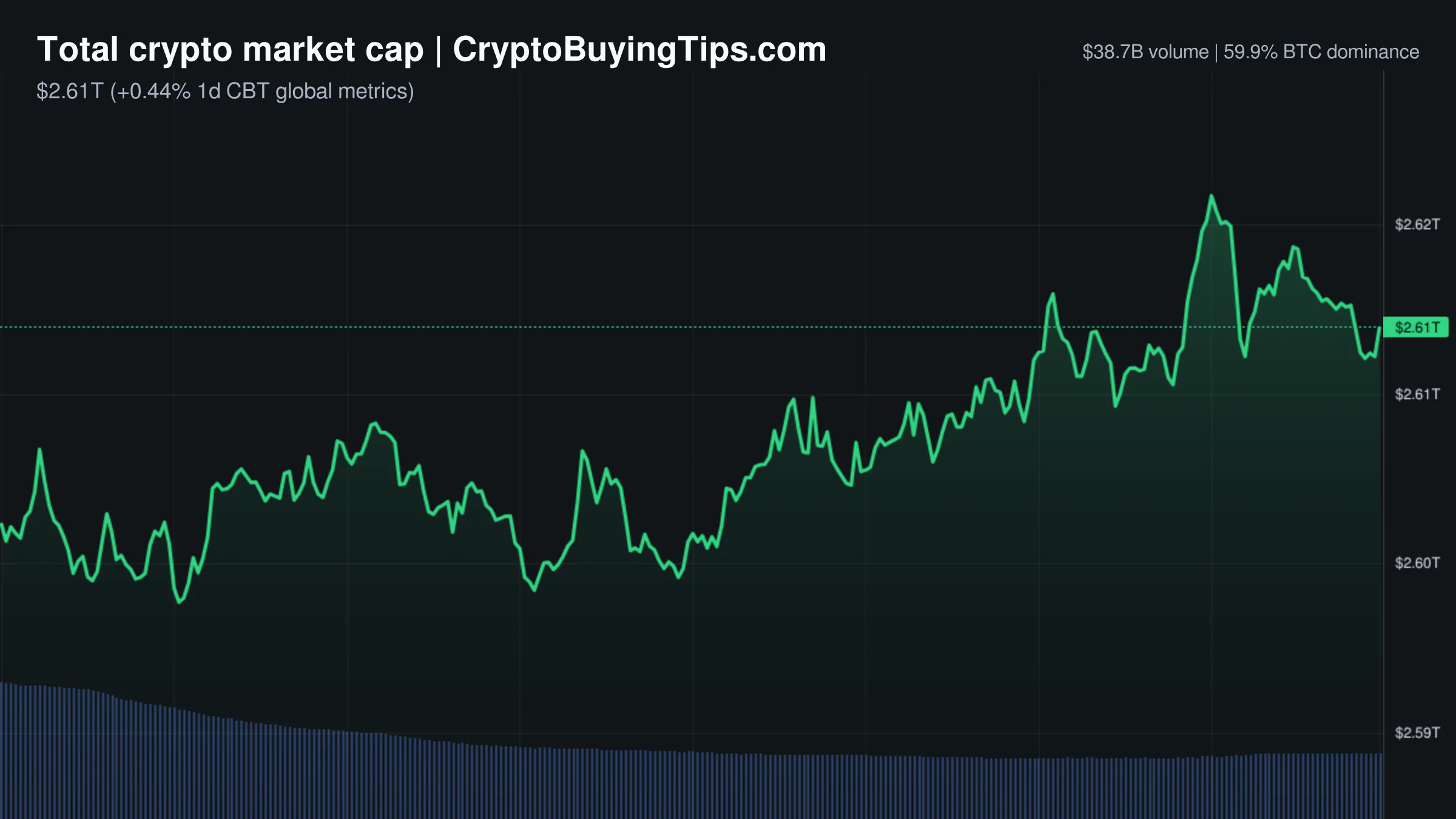
The market is currently operating in a state of high-tension contradiction. While the Fear and Greed Index sits at 34, indicating a clear atmosphere of fear, the actual trading activity suggests something far more aggressive than a simple retreat. Total market capitalization has dipped slightly to $2.58 trillion, down 0.91%, but the volume data tells a different story. Spot volume rose by 34.03% to $63.69 billion, but derivatives volume exploded by 68.12% to reach $785.73 billion.
This creates a massive skew where derivatives activity is roughly 12 times the size of spot trading. In plain English, the market is not just fearful; it is gambling on that fear. Traders are using heavy leverage to bet on the volatility stemming from recent security failures. Stablecoin volume also jumped 38.63% to $67.39 billion, which usually suggests capital is moving into safety or preparing for a quick entry.
The broader macro backdrop is equally unhelpful. The S&P 500 fell 0.48% and the NASDAQ dropped 1.36%. When the tech-heavy indices slide alongside a crypto market reeling from a major hack, the "risk-off" sentiment becomes a dominant force. We are seeing a market that is technically in a neutral altcoin phase, with the Altcoin Season Index at 37, but the liquidity is clearly concentrated in the high-stakes derivatives arena.
Bitcoin and Ethereum
Bitcoin is currently trading at $76,970.71, down 1.03% over the last 24 hours. The price action is a direct reflection of the systemic shock following the Binance hack. The loss of $6.4 billion from a top-tier exchange is a blow to the "institutional grade" narrative. This sentiment is backed by hard data from the ETF space, where Friday saw $643 million in outflows, erasing the gains for the entire month of October. Bitcoin dominance remains high at 59.90%, as traders cling to the largest asset while the periphery of the market feels the heat.
Ethereum is trading at $2,263.72, down 0.87%. Interestingly, the on-chain data shows a total lack of panic. Gas fees are extremely low, with fast transactions costing only 0.14 Gwei. This suggests that the current volatility is almost entirely confined to centralized exchanges and derivatives platforms. The "real" network is quiet, which is a strange contrast to the noise on the trading desks. Ethereum also shows significantly higher implied volatility at 53.22 compared to Bitcoin's 41.97, meaning the market expects more violent moves from ETH in the short term.
Top crypto prices
Bitcoin leads the market at $76,970.71. Ethereum follows at $2,263.72. BNB has slipped to $696.75, down 0.98%, as the market continues to price in the fallout from the Binance security breach.
XRP is one of the few majors in the green, trading at $1.25, up 0.63%. Solana has struggled more, falling 1.50% to $92.41. TRON is showing surprising strength, rising 1.81% to $0.3218. Hyperliquid is down 1.50% at $84.38, though it remains a focal point for those rotating away from centralized risk.
News driving today's market
The dominant story is the $6.4 billion Binance hack, attributed to the North Korean-linked group TraderTraitor. This is the largest exploit in the history of the industry. The FBI and Secret Service have opened probes, and the aftermath has been messy. Binance saw a $3.64 billion exodus of funds immediately after withdrawals were restored. We previously covered the Binance hack systemic danger and the risk posed by dormant funds that have not yet moved.
The contagion is not limited to Binance. An unidentified EU entity lost over $106 million, and Mercado Bitcoin is pledging to cover $40 million in losses after another hack. This cluster of events suggests a systemic weakness in centralized custody. It is precisely why we have seen capital moving toward on-chain alternatives, a trend we detailed in our look at Hyperliquid vs central exchanges.
On the macro front, the Reserve Bank of Australia raised rates to 4.85%, an 18-year high. This hike is driven by inflation from AI investments and energy costs. When a major developed economy tightens liquidity while the crypto market is fighting a trust crisis, the path of least resistance is usually downward.
There are a few bright spots. Standard Chartered has debuted tokenized deposits in Hong Kong for corporate clients, and the T7X protocol is attempting to change how ownership is recorded on-chain to avoid the risks of wrapping assets. However, the RWA sector is facing friction. Nvidia and Nike are among 50 companies objecting to their shares being traded on the OKX-ICE tokenized venue.
Social intelligence
The institutional mood is split. BlackRock's spot Bitcoin ETF saw $405.3 million in outflows on November 2, the largest daily exit in over four months. This is a loud signal that the biggest player in the room is stepping back. Contrast this with Goldman Sachs CEO David Solomon, who claims the AI tech supercycle will dominate capital markets. The market is essentially fighting between a "tech-bull" macro view and a "crypto-bear" security view.
Hong Kong is also pushing to become a global gold hub by launching a gold token representing a 400-ounce bar. This is a strategic move toward digital commodities that could provide a hedge if the volatility in purely digital assets becomes too extreme.
Binance is attempting to control the narrative, claiming that hourly deposits now exceed withdrawals. The market is treating this claim with the kind of warmth usually reserved for a cold shower. Meanwhile, blockchain investigator ZachXBT is suggesting that a major Western European financial institution is covering up a breach of its own, potentially totaling $133 million. If this is confirmed, the narrative shifts from "Binance had a bad day" to "the entire centralized custody model is leaking."
Trading ideas worth watching
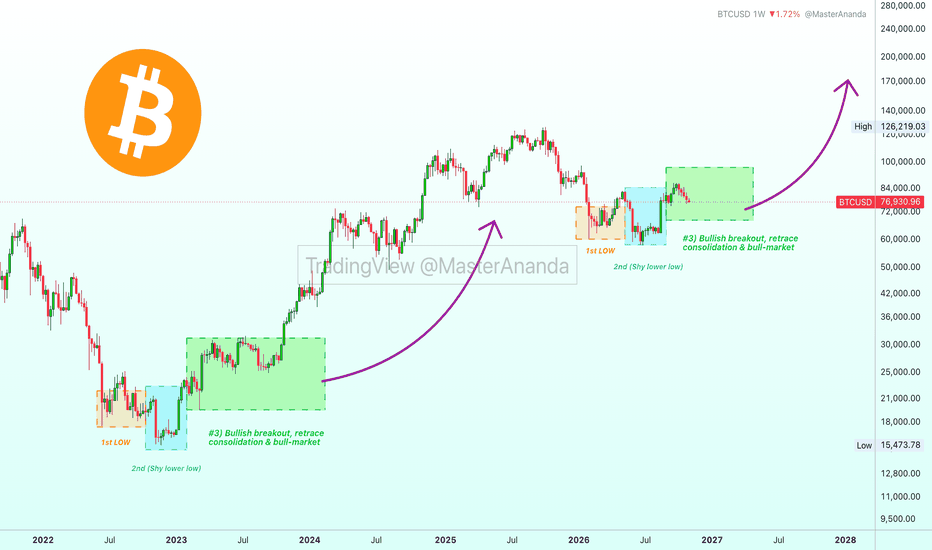
Bitcoin is currently testing a critical support zone. One analysis suggests a bullish fractal based on the 2022-2023 cycle, noting that the current drop is only about 12%, compared to a 22% drop in the previous cycle. More immediately, BTC is holding the EMA55 on the 3-day timeframe, which sits around $76,555. This level has been tested three times since late October. If this support holds, the long-term structure remains intact despite the noise. The risk here is a breakdown below $74,500, which would invalidate the immediate bullish setup.
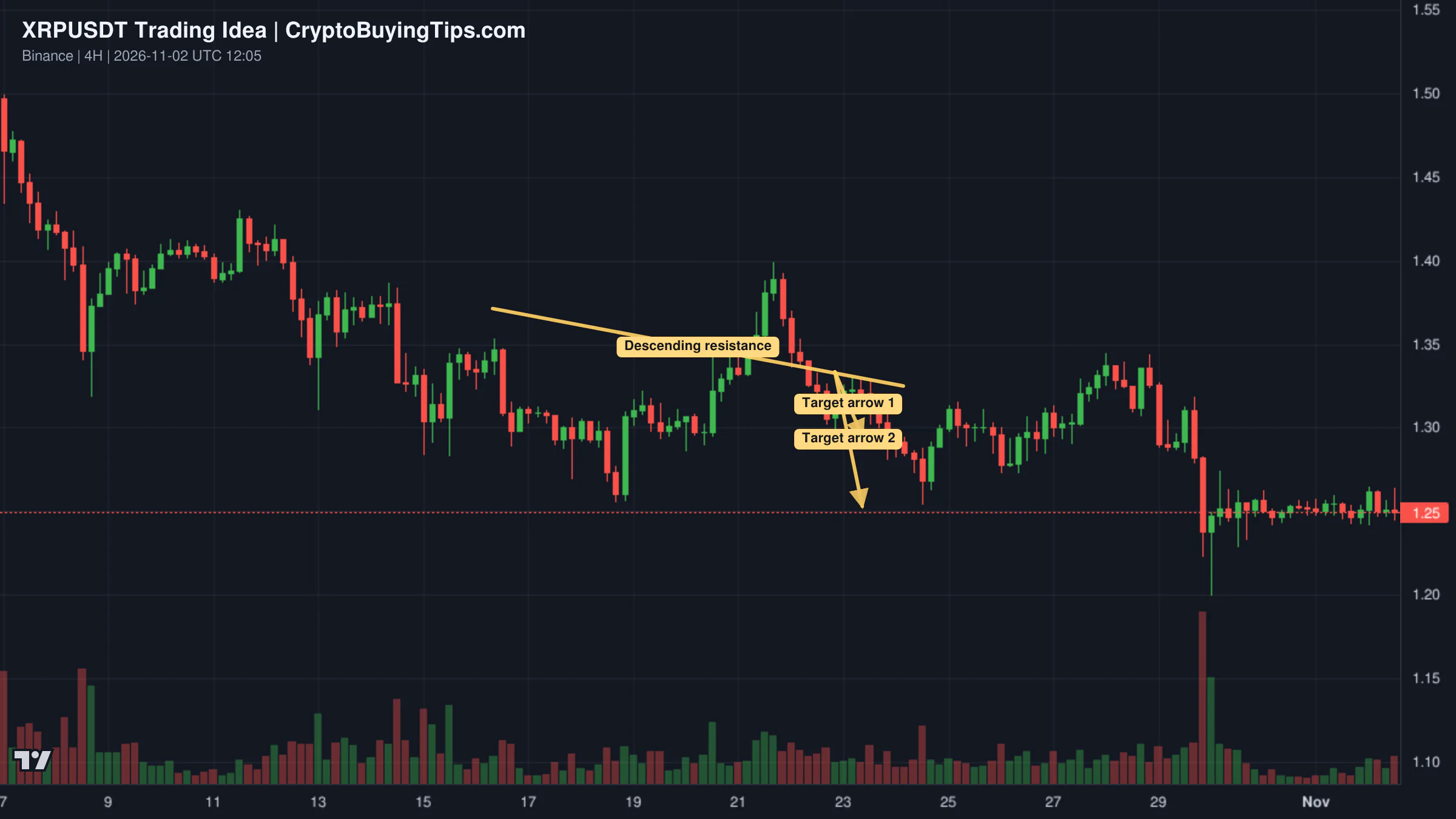
XRP is presenting a more cautious picture. A descending triangle pattern has formed, and the asset needs to stay below 1.26 to maintain a bearish trajectory. If the market panic intensifies and traders close positions to withdraw funds, XRP could quickly drop toward targets of 1.205 and 1.165. The setup is essentially a bet on continued systemic instability.
What to watch next
The immediate focus is the $3.24 billion in stolen Binance funds that have not yet been frozen or seized. The attackers are moving funds through thousands of wallets at a rate of one every 25 seconds. Any sudden attempt to cash out these funds via OTC brokers could create localized price crashes.
We also need to watch the FBI's progress. If the investigation leads to more frozen assets or, conversely, reveals deeper vulnerabilities in exchange hot wallets, the volatility will only increase. The tension between the AI-driven risk appetite seen in traditional markets and the security-driven fear in crypto is the defining trade of the week. If Bitcoin can hold the $76,500 level while the "CEX exit" continues, we may be seeing a healthy rotation rather than a collapse.
Some links in this article may be affiliate links. We may earn a commission at no extra cost to you — this never influences our analysis or coverage.

Sigrid Voss
Crypto analyst and writer covering market trends, trading strategies, and blockchain technology.
More Articles

Derivatives volume is 11x higher than spot and it is a warning
Derivatives trading dwarfs actual asset ownership by eleven to one right now. The current high ratio suggests price…
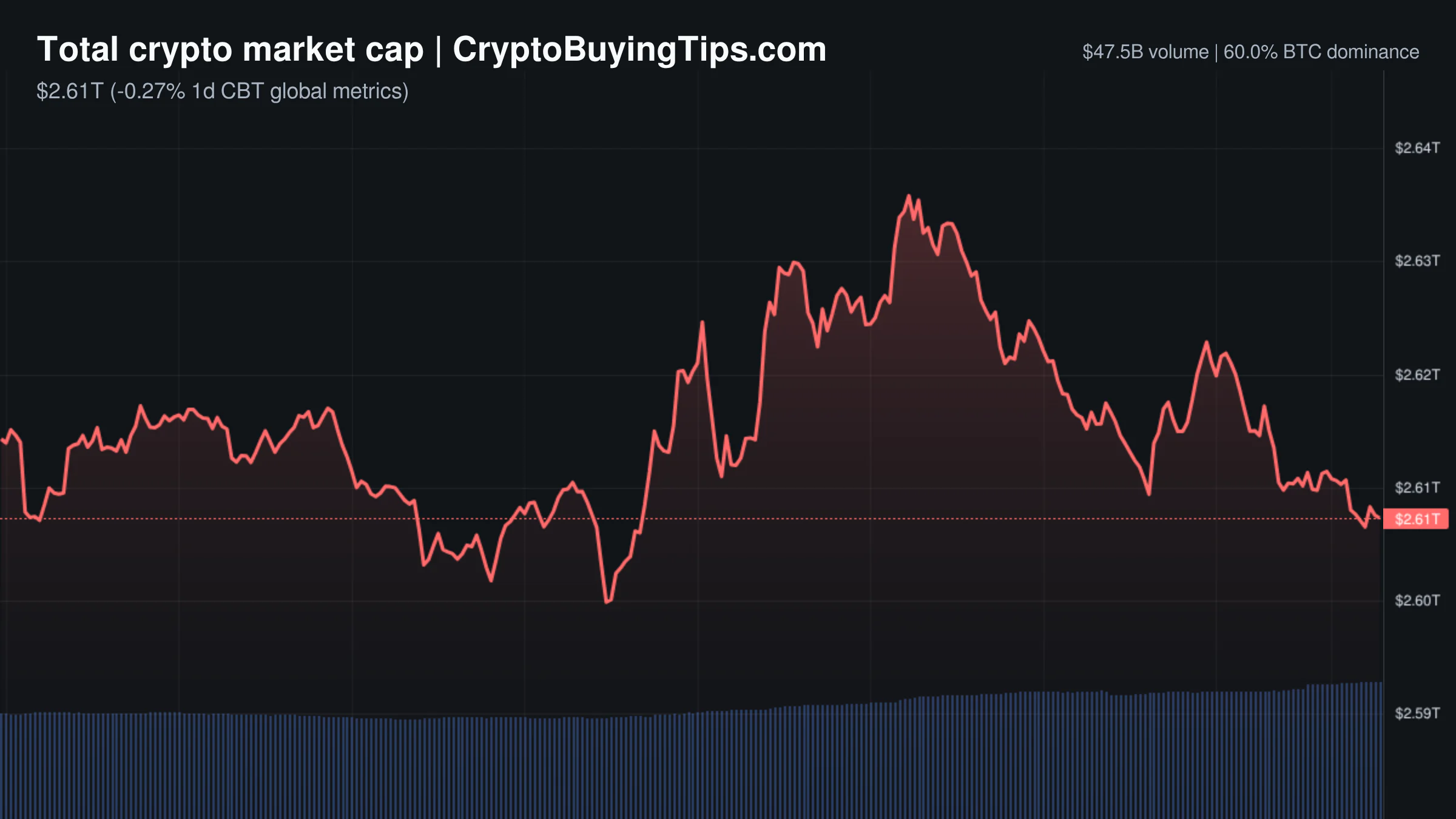
Crypto Market Overview | Derivatives volume surges amid institutional outflows following exchange hack | November 2, 2026
Derivatives volume surges amid institutional outflows following exchange hack; see our market overview on crypto's…

The $3 billion sword of damocles hanging over the binance hack
The focus remains fixed on what has already left Binance; we think the true systemic danger lies with the $3 billion of…
Crypto Market Overview | volume collapse amid systemic fear after major hack | November 1, 2026
Crypto market overview shows volume collapse amid systemic fear after major hack; see how liquidity vanished despite…